
How we plan a luxury African safari (the long version)
After twenty years of designing safaris, this is how we actually do it. Not a checklist. The order we ask the questions in, what we trade off, and why we say no to certain combinations.

Most people start safari planning by picking a country. We start by asking what you want the trip to feel like.
Pick the country last, not first. Start by knowing who is travelling, what they have done before, and what they do not want. Stay at fewer camps for longer (three nights minimum, three lodges maximum in two weeks). Build in a soft landing at the start and a beach or city finish at the end. The shoulder months (April, May, November) are usually better value than peak.
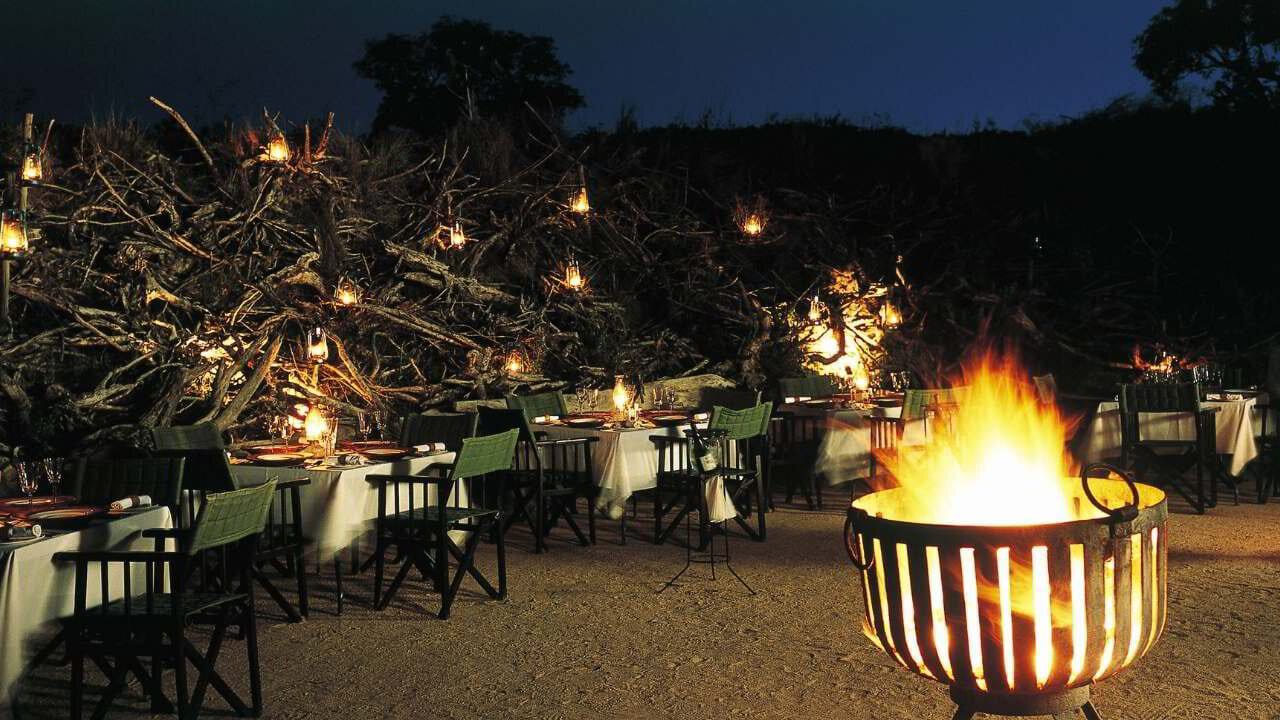
Country comes later. Lodge comes much later. The first half of any planning conversation we have is about the people on the trip, what they have done before, and what they want to feel different about this one. The country falls out of those answers, not the other way around.
This is a long piece. Take the bits you need.
What luxury actually means on safari
The word gets used to mean two different things, and the difference matters.
One version of luxury is hotel-grade comfort: a private plunge pool, a double-vanity bathroom, butler service, a wine cellar in the bush. Most lodges priced above $1,500 per person, per night, sharing offer some version of this. It is not hard to find.
The other version is the one we usually mean. It is the privacy of the concession (how many other vehicles you share a sighting with), the ratio of guide to guest, how much flexibility you have on activity timing, and the freedom to make the trip your own. This kind of luxury cannot be added at the end. It comes from the choice of reserve, the choice of operator, and the structure of the itinerary.
The first thing we ask new clients is which version they care about. Often the answer is both, but in different proportions. That ratio shapes everything that follows.
The first conversation
Before we mention any countries, we want to know:
Who is travelling, and what have they done before?
A first-time safari client and a tenth-time safari client want different trips. First-timers tend to want classic Big Five sightings, lodges that look the part, and itineraries with strong logistical scaffolding. Repeat travellers usually want something quieter, more specialised, often deeper in one ecosystem rather than a tour of three. Same budget, completely different design.
What do you not want?
This question gets more useful answers than its opposite. Clients usually struggle to articulate what they want. They have no problem telling us what they have hated about previous trips. Big group dinners. Communal vehicles. Lodges that feel like resorts. Long road transfers. Heavy schedules. Once we know what is off the table, the right answer narrows quickly.
How long can you actually be away?
Long-haul flights into and out of Africa eat at least one full day on each end. A real safari needs eight nights on the ground at the minimum. Five nights is a long flight for a short trip. Twelve to fourteen nights is the sweet spot for most of our clients. Three weeks is the most we recommend in a single itinerary unless you have specific reasons.
What season are you locked into?
School holidays and work calendars determine more about your trip than budget does. Some countries are excellent in July and underwhelming in February. Others are the opposite. The wrong country at the wrong season is the most common mistake we see clients make on their own.
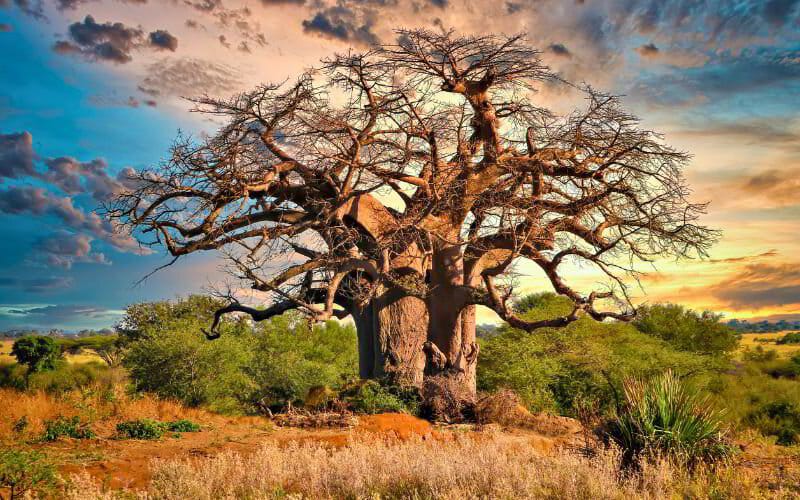
How we choose a country
Most luxury safari travellers can be served well by four or five countries. We rarely send clients to all of them in one trip. We send them to the right one for what they want.
If they want classic Big Five and easy logistics
South Africa, in the Sabi Sand. Direct flights from most of the world to Johannesburg, a one-hour transfer to the reserve, and one of the highest leopard densities of any protected area in southern Africa, according to the reserve's own monitoring data. The lodges range from comfortable through to flagship. We use this country for first-time safari clients more than any other.
If they want stillness, water, walking, and exclusivity
Botswana. The Okavango Delta and Linyanti combine in ways no other country does, and the low-density, high-cost model means you almost never share a sighting. We use Botswana for repeat clients, milestone trips, and clients who already know they want quiet over polish.
If they want spectacle and scale
Tanzania or Kenya. The Great Migration sits across both, and the choice between them is mostly about which side of the border the herds are on at the time of year you can travel. East Africa has bigger sky, bigger herds, and a more open feel than southern Africa. The wildlife density per hectare can be higher than anywhere else on the continent.
If they want primates
Rwanda, Uganda. Mountain gorillas in Volcanoes (Rwanda) or Bwindi (Uganda). Chimps in Kibale. We pair this with a few nights of plains game elsewhere because the primate experience is intense but short. Three nights is enough for most clients.
If they want desert and silence
Namibia. Sossusvlei dunes, Damaraland desert-adapted elephant, the Skeleton Coast. Different from anything else on the continent. Lower wildlife density than the savannah countries, higher visual drama. Often our second-trip recommendation.
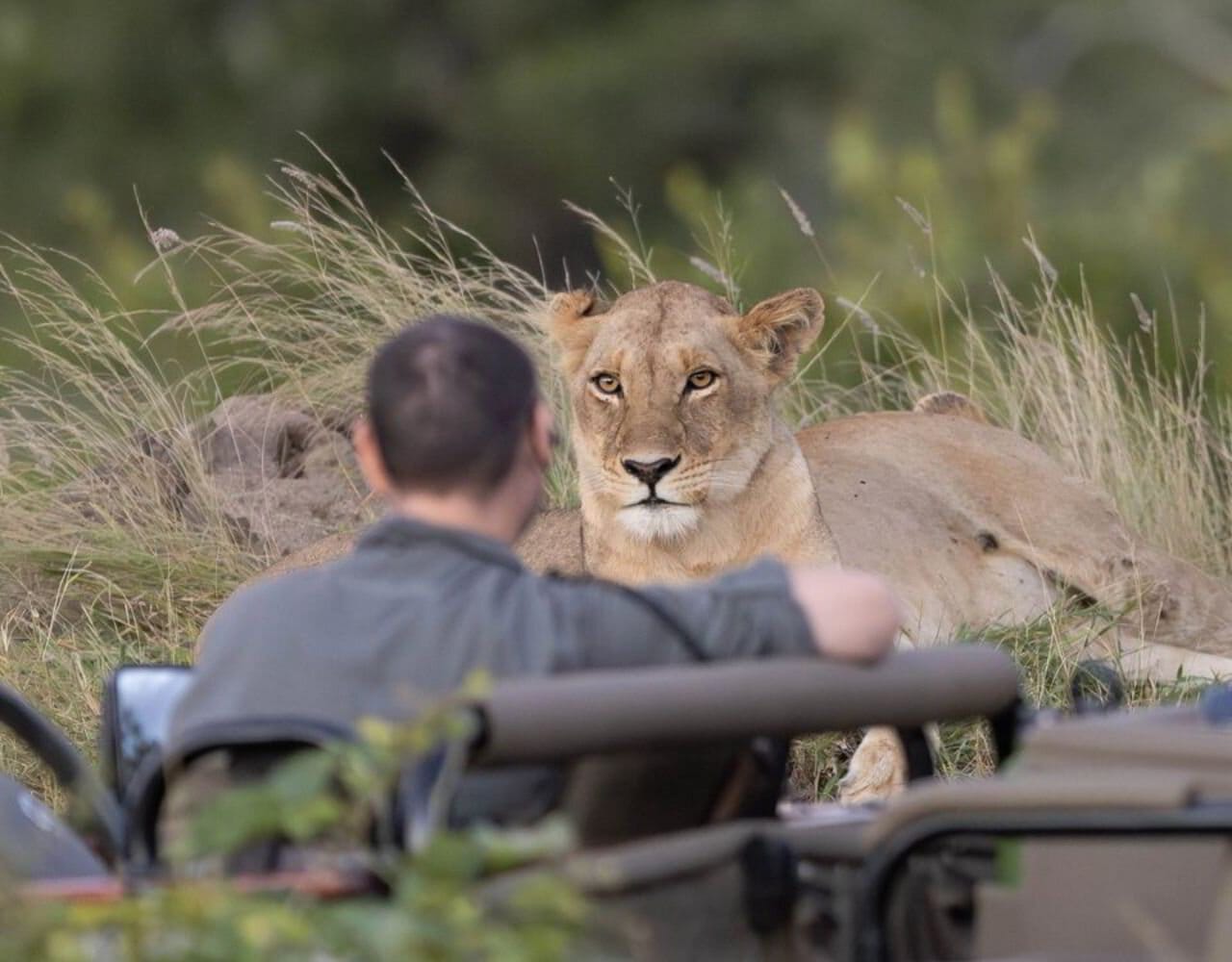
The first conversation is rarely about the safari. It is about what you actually want from the week.
How we structure an itinerary
The shape of a strong itinerary is consistent across countries. The principles are the same whether the trip is in the Masai Mara or the Okavango Delta.
Three nights minimum at every camp
Two nights is one full day on the ground. By the time you arrive, eat, sleep, do one game drive, eat again, sleep again, and leave, you have barely touched the place. Three nights is the floor we hold to. Four is better at premium camps.
No more than three lodges in a fortnight
Two or three lodges in a week, four at the maximum in two weeks. Each camp change is an entire morning lost to the light aircraft. Travellers who insist on six camps in two weeks end up exhausted and remember the airports more than the bush.
One ecosystem, deeply, over multiple ecosystems briefly
The instinct is to see everything. The right move is usually to see one place properly. A week in the Sabi Sand teaches you more about the bush than three nights each in Sabi Sand, Madikwe, and the Cape Winelands. We push back on stitched-together itineraries more than any other thing.
A soft landing
Most clients fly in overnight on a fourteen-hour flight. We almost never put them straight on a light aircraft to a remote camp. A night in Cape Town, Johannesburg, Nairobi, or Arusha at the start of the trip lets the body catch up.
A finish
The bush is intense. After eight or nine nights, most travellers want salt water and a slower morning. We pair safaris with islands (Mauritius, Seychelles, Zanzibar, the Maldives), with cities (Cape Town, Stone Town), or with the ocean (Mozambique). The finish is part of the trip, not a tail.
A great country choice answers one question. What do you want to be doing at three in the afternoon on day five?
Mistakes we see most often
Choosing the lodge before the experience
Lodges are individually beautiful and easy to fall in love with on a website. The right question is which reserve fits the trip you want, and only then which lodge inside it. Reverse this and you end up at the right lodge in the wrong place for the season.
Booking peak season for value reasons
Peak season is peak season because the wildlife and weather are at their best. It is also when prices are at their highest. If your dates are flexible, the shoulder months (April, May, November) often give you eighty percent of the experience for sixty percent of the price.
Underestimating internal flights
Light-aircraft transfers within Botswana, Tanzania, or Zambia typically run $150 to $500 per person, per leg, depending on country, route, and whether the seat is shared or chartered. A four-camp itinerary will involve four to six legs. That is a real number to budget for, and it is rarely included in lodge pricing.
Trying to combine too many countries
The two-country trip works (South Africa and Botswana, Kenya and Tanzania). The four-country trip rarely does. Borders, logistics, and visa requirements eat into the time, and the wildlife experience starts to feel diluted.
Going for the famous places without checking the season
The Masai Mara in February is not the same Mara as the Mara in August. The Okavango at flood is not the Okavango in the green season. The famous photographs were taken in specific months. Match your dates to the experience you have seen pictures of, or accept that you will see something different.
What we charge for and what we do not
We do not charge a planning fee. Our income comes from commissions paid by the lodges we book. This means our incentive is to use lodges that pay commissions, which is most of the high-end ones. It also means we have no incentive to push you toward a more expensive trip than you need. We are paid the same percentage either way.
We will tell you when a less famous camp is the better wildlife choice. We will tell you when an itinerary you have proposed is not going to deliver what you want. Those conversations happen before you have booked anything.
Frequently asked questions
How long does the planning process take?
From first email to confirmed itinerary is usually three to six weeks. Most clients start six to twelve months out from their travel dates. Inside three months, choices narrow.
Do you only plan luxury safaris?
We work at the upper-mid through to flagship tier. The cheapest pppns rate we typically book is around $900 per person, per night, sharing. We do not plan budget overland trips or self-drive itineraries. There are excellent operators for those, just not us.
Can you plan multi-country trips?
Yes, and we do this often. South Africa with Botswana is the most common combination. Kenya with Tanzania is second. We are wary of three-country trips. We will tell you if we think the trip is being asked to do too much.
What if we want to plan it ourselves but use you for some bookings?
This is fine. We sometimes work with clients who have planned the architecture and want help with specific lodges or transfers. The planning conversation is included whether you book the whole trip with us or part of it.
What if our plans change?
Most lodges offer flexibility up to ninety days before travel, with deposit forfeitures inside that window. Travel insurance covers most of the rest. We walk you through the cancellation policy of every lodge before you confirm.
Where to start
If you are early in the process, the most useful thing you can do is write to us with the dates you can travel, who is going, and what you do not want. We will reply with two or three country options and a sense of what each one would cost. The early conversation is free and we expect it to be useful regardless of whether you book.
Start with a conversation.
If this resonated
The bush has been expecting you
Start with a conversation. We will ask what makes you want to wake up at four-thirty, and build from there.
Begin a conversation
Royal Malewane reopens: what we remember, and what the fact sheet confirms
The original Royal Portfolio property is back after months behind scaffolding. We haven't seen it yet. Here is what we know anyway.

We run on solar and we have not printed since 2019
Vikki and Sian on solar power, paper, and what a small safari company can honestly claim.

Sandringham Private Game Reserve: should you go early, or wait?
Greater Kruger's newest reserve opens in August 2026. Our honest take on who should book Sandringham early, and who should give it a few seasons.

The packing guide
What to bring on safari, what to leave at home, and the one thing no lodge can lend you. An honest packing list from the team in Hoedspruit.

How do you want to feel when you get home?
Why we plan safaris around how you want to feel when you get home, not around a pin on the map.

South Africa's online traveller declaration: what it means for your safari (and what it doesn't)
A five-minute customs form now stands between you and the arrivals hall. Here's what it is, who needs it, and what nothing to declare actually means for a normal safari guest.

Safari After Dark
Night drives reveal a different Africa. Quieter, older, more deliberate. Here's what we love about the bush after the sun goes down.

How we tailor every Marula Hill safari
We don't start with destinations. We start with you: your pace, your family, your idea of a good day in the bush.

When space teaches: what Saseka's refresh tells us about gathering in the bush
What a thoughtful safari lodge refresh tells us about gathering in the bush.

Inside FedAir's new Baobab lounge at Hoedspruit
The new Baobab lounge at Hoedspruit airport changes how a safari begins. Vikki Jackson on the room that holds you before the bush does.

How safari pricing actually works
From the people who build the quotes. What you are really paying for, where the money goes, and how to spend it well.

Monwana, and what coming home actually means
By Vikki Jackson and Sian Loehrer. A week at the Thornybush lodge that has built its whole identity around the word home, and what we found when we tested it against the room, the drives, the afternoons and the bill.

The Mozambique dhow: a slow boat at the end of a fast trip
Why we put a dhow afternoon into almost every Mozambique trip. Sail, salt water and the long breath out after safari.

Why we built the Antarctica page
A short note from Sian on why an African safari business added Antarctica to its destination map, and how we handle a trip neither founder has yet made.

Lion Sands Ivory Lodge. What their redesign gets right
I visited Lion Sands Ivory Lodge in the Sabi Sand. The redesigned spaces are quiet, bold, and rare. Here is what they got right.

Where the money actually goes on a luxury safari
A line-by-line look at what you're actually paying for on a luxury African safari — and what a quote that looks light is usually hiding.

Bazaruto vs Quirimbas: which Mozambique archipelago is right for you?
How to choose between Mozambique's two great archipelagos for a bush-and-beach trip. Geography, lodge feel, when to go.

Sabi Sand or Kruger
Two reserves, one fence line, very different mornings

What is the best month to visit Cape Town?
Cape Town rewards you differently in every season, but March to May is the window most of our clients come back to.

What Singita Lebombo's 2026 redesign tells us
Lebombo reopened March 2026 warmer, quieter, more art-led

Gorilla trekking, Uganda or Rwanda
Two countries, the same forest, two very different days

Do you need travel insurance for a safari
What safari travel insurance must cover, and why standard policies fall short

How two women from outside the travel industry built a luxury safari brand from Africa
We are the two women behind Marula Hill. One of us came from IBM, the other from MARS Southern Africa. Here is the long version of how a private safari business gets built from outside the travel industry.

Sole-use villa safaris in Africa
What sole-use villa safaris mean in practice, who they suit, and what to ask

Why Rwanda is the cleanest country in Africa
A plastic-bag ban from 2008. A mandatory community work morning on the last Saturday of every month. The system behind Rwanda's cleanliness, explained.