
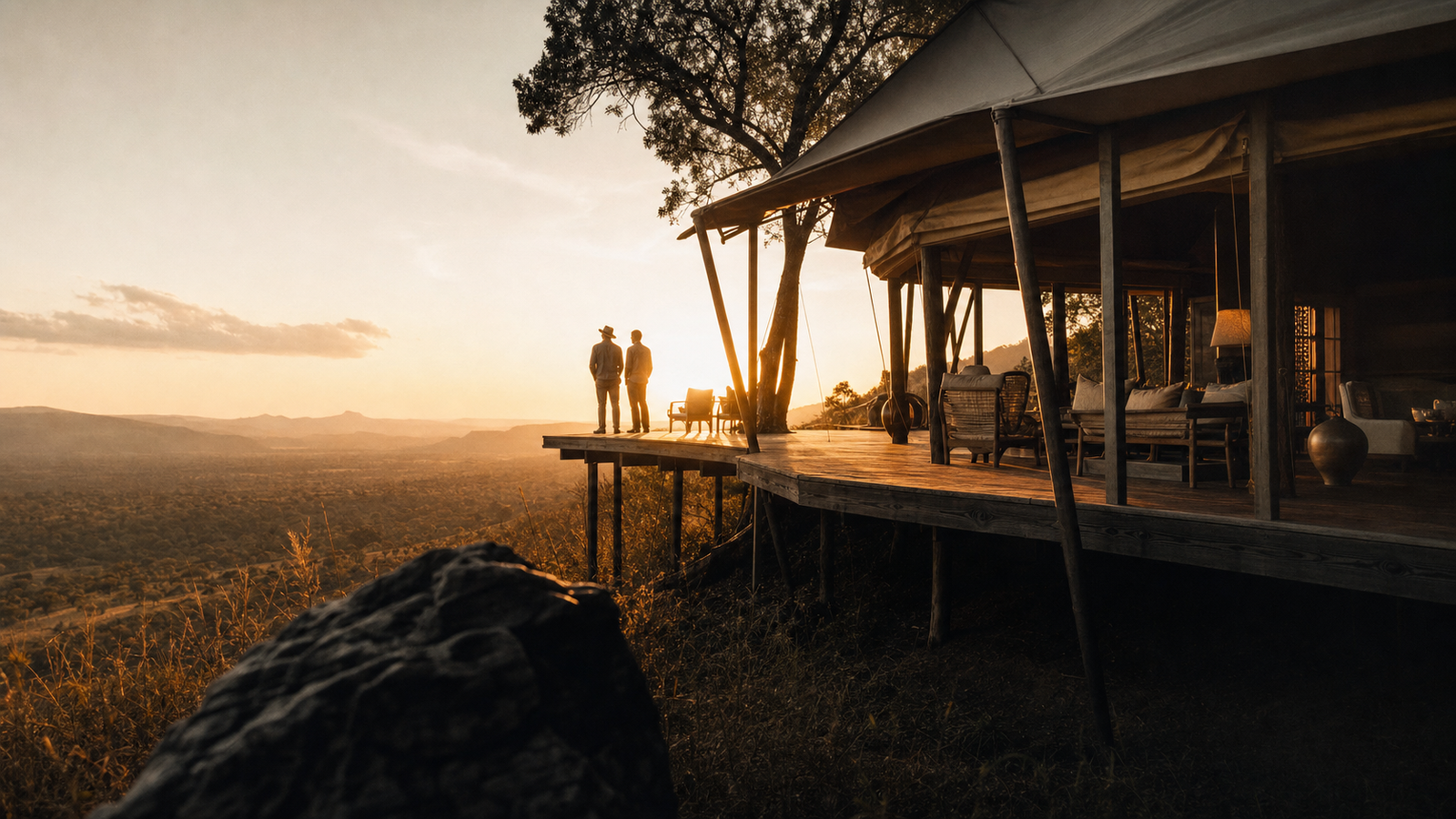
Ways to travel
No two safaris are built the same
A family of six wants something the opposite of a couple on honeymoon. A wheelchair user, a photographer, a first-timer who has never slept under canvas. The trip changes shape around all of them.
The shape is built around you
How we think about it
Most people arrive with a list
Big Five. Migration. The Mara. A balloon at sunrise. We read the list, set it aside, and start asking other questions. What time do you wake up at home. Who is travelling with you and who do you not want to share a vehicle with. Are you returning to Africa, or arriving for the first time, and what did the last trip get wrong.
Those answers shape the journey. The list comes back at the end and most of it survives, but the order changes. The categories below are how we think about it internally. You do not need to pick a label.
Browse anything that pulls your eye. Send us the three or four that resonate. We will start there.
Where we start most often
The two journeys we plan most
Romantic and family safaris. They lead the inbox. The questions we ask are different on each, and the trip diverges sharply from the second message onwards.
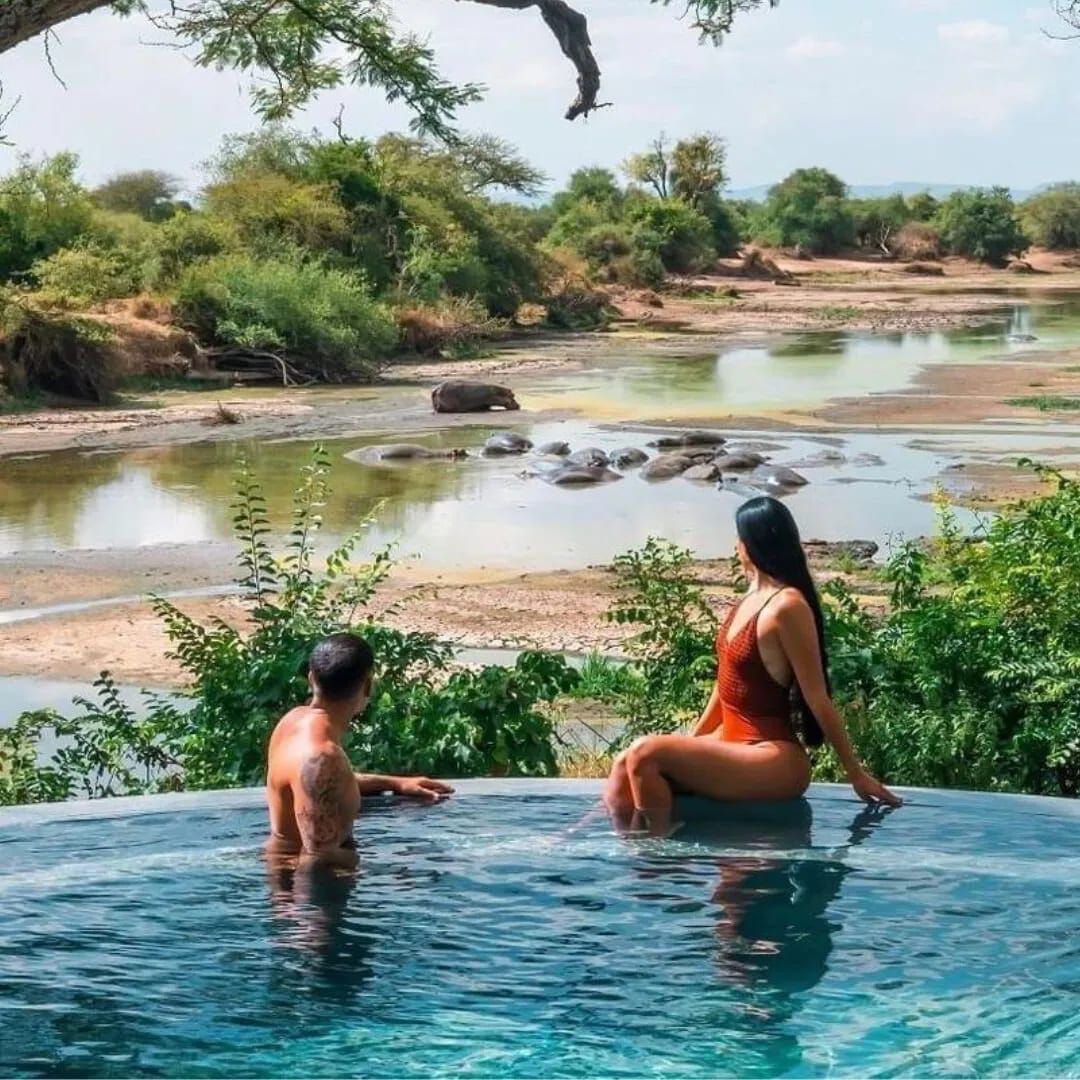
Two travellers
Romantic safaris
Honeymoons, anniversaries, milestone trips, second visits. Private decks and sleep-outs. Vehicles you do not share. The lodge that gives you the corner suite and means it.
Browse romantic journeys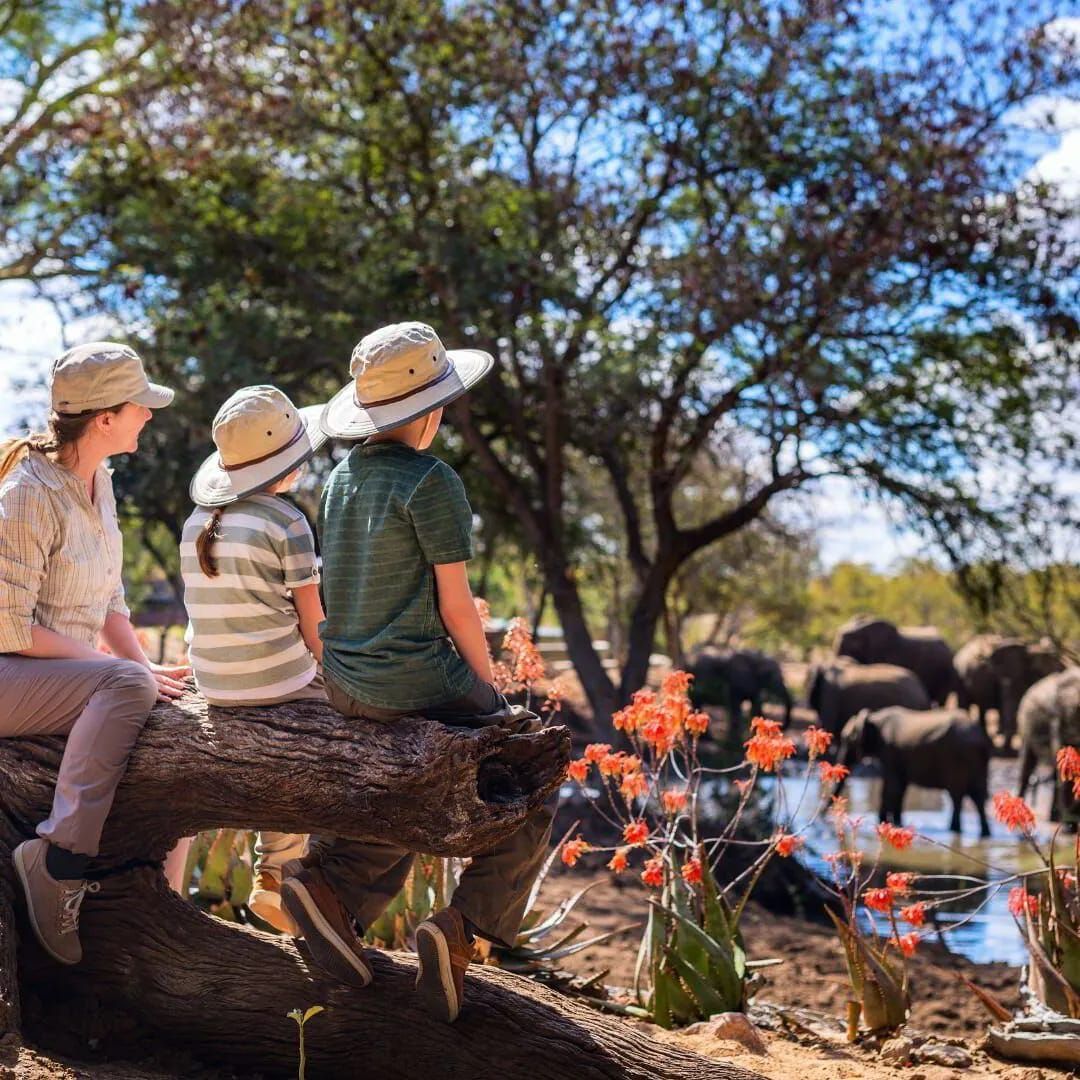
Three generations
Family safaris
Lodges that welcome children at the right ages. Connecting suites. Guides who know how to keep an eight-year-old awake on a game drive, and how to leave the teenagers alone.
Browse family journeysWho travels with you
Built around your party
The people you bring shape every other decision. Pace, activity, lodge, food.
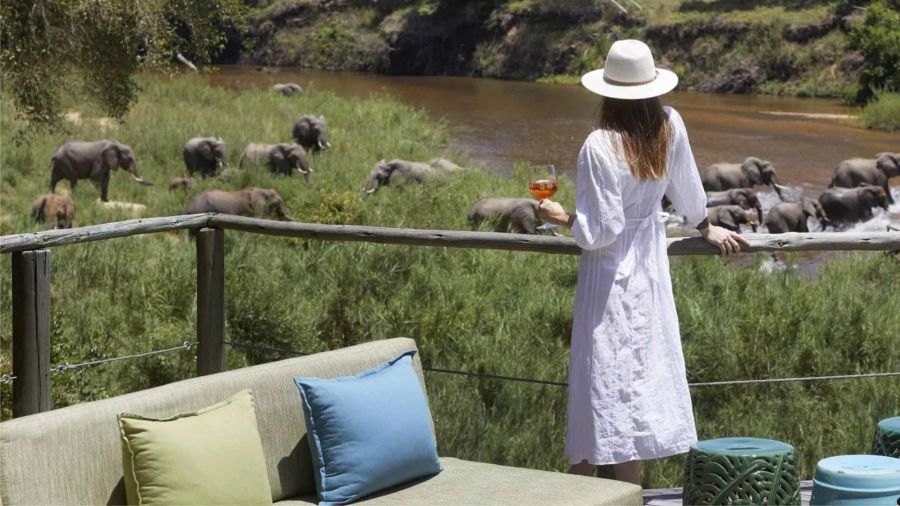
Solo travel
Lodges that handle solo guests well. Single supplements waived where we can. Communal dining when you want it, privacy when you do not.
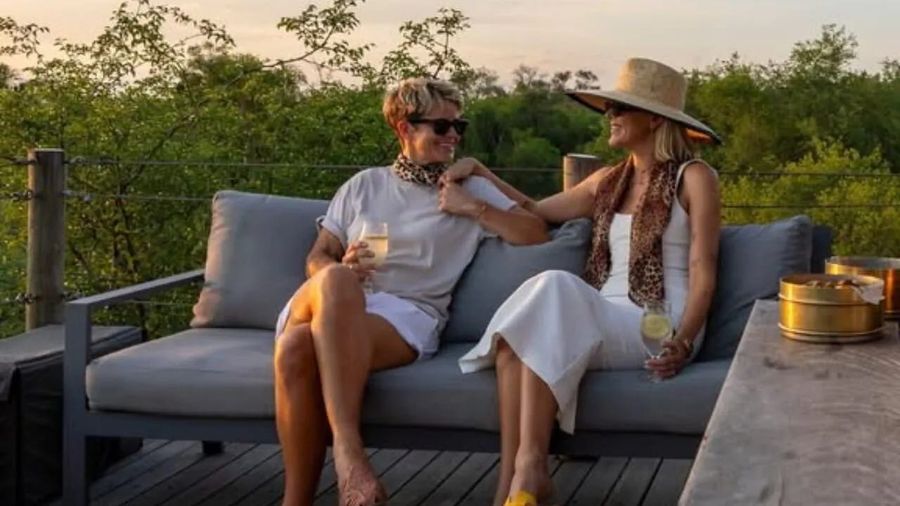
LGBTQ+ travel
Countries where you will be welcomed properly. Lodges where the staff training is real. We pay attention to which borders you cross and who is on the desk when you arrive.
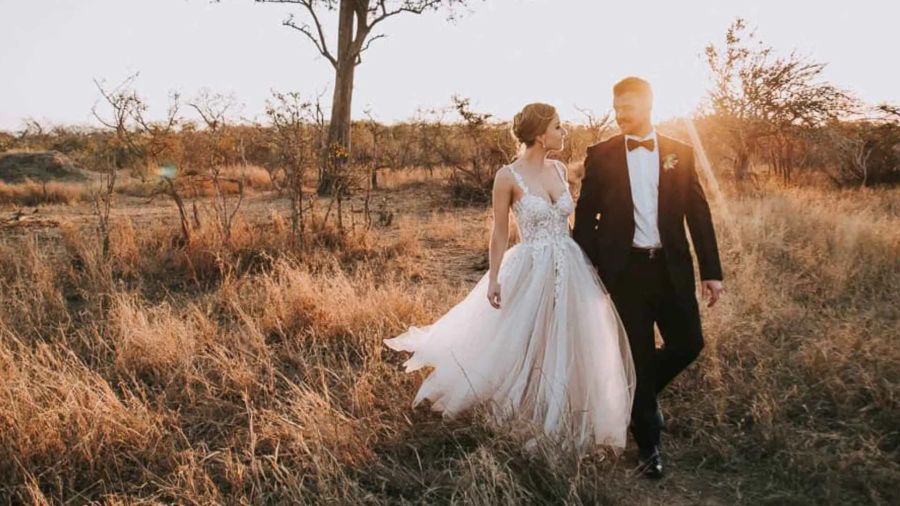
Destination weddings
Sole-use lodges that take the whole party. Bush ceremonies. Logistics for forty guests across three countries.
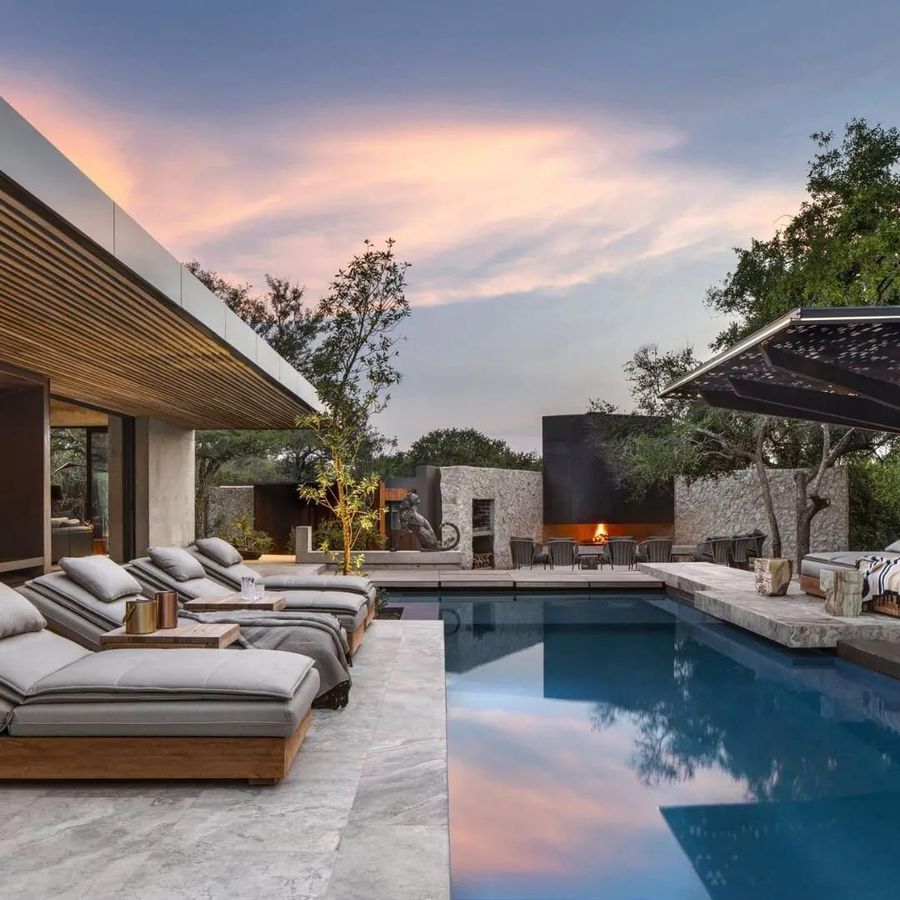
Sole-use villas
A whole lodge, a private guide, a chef who builds the menu around you. The way to travel with a tribe.
How you want to travel
Practicalities that change everything
Mobility, dietary needs, the pace of the trip, the way you actually want to move between lodges.
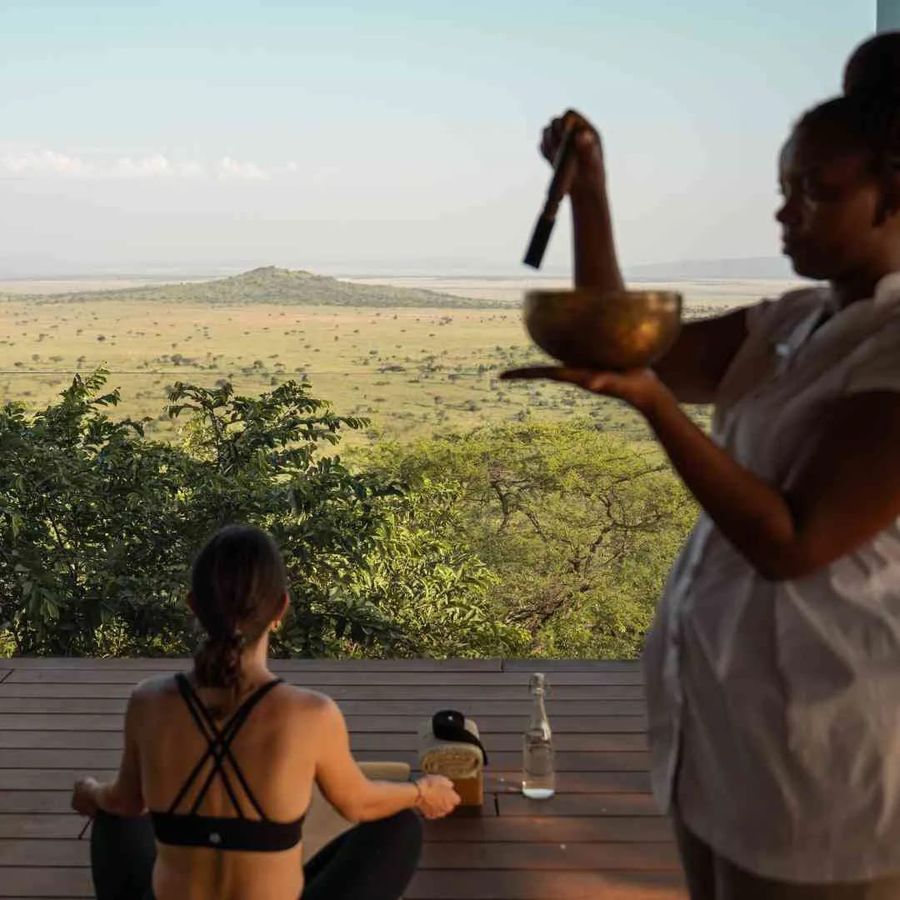
Wellness safaris
Sunrise yoga deck. Forty-minute walks before tea. A spa room that means it. Lodges where the pace genuinely slows.
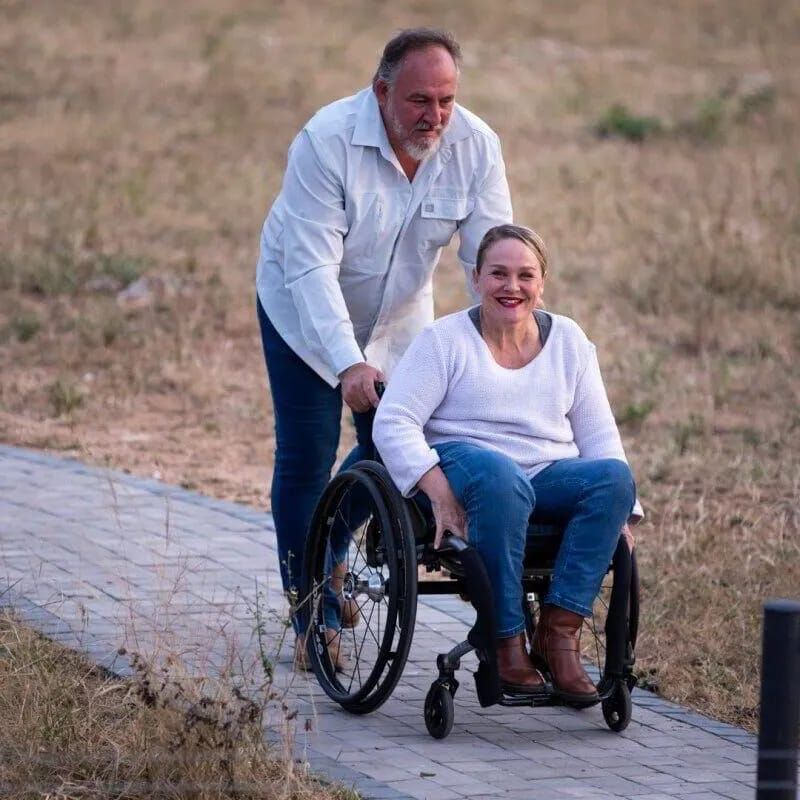
Wheelchair accessible
Specialist vehicles. Lodges with proper roll-in showers. Lodges where staff have done the training, not just ticked a box.
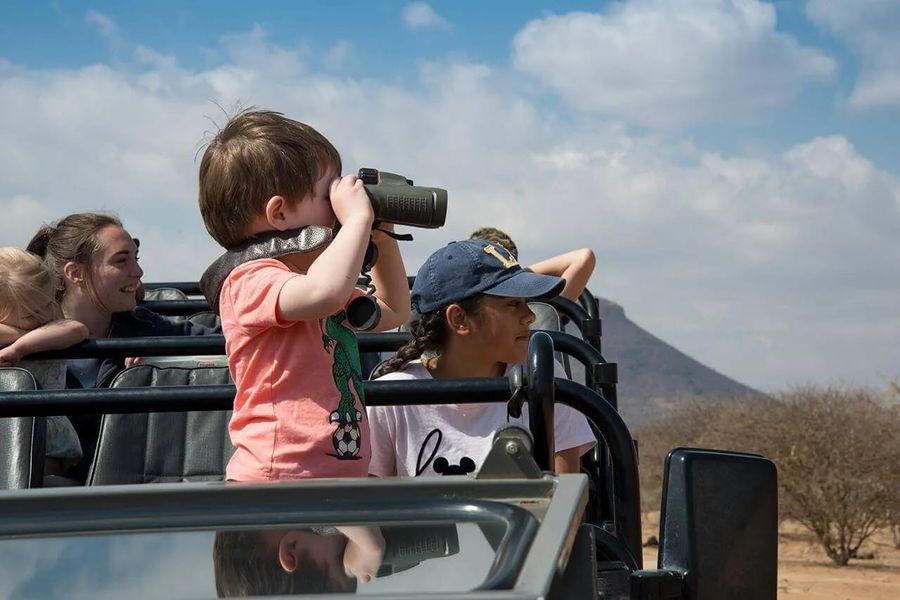
Malaria-free
The Madikwe and Waterberg reserves, the Eastern Cape. Big Five country with no antimalarials needed. Sensible if you are travelling with young children.
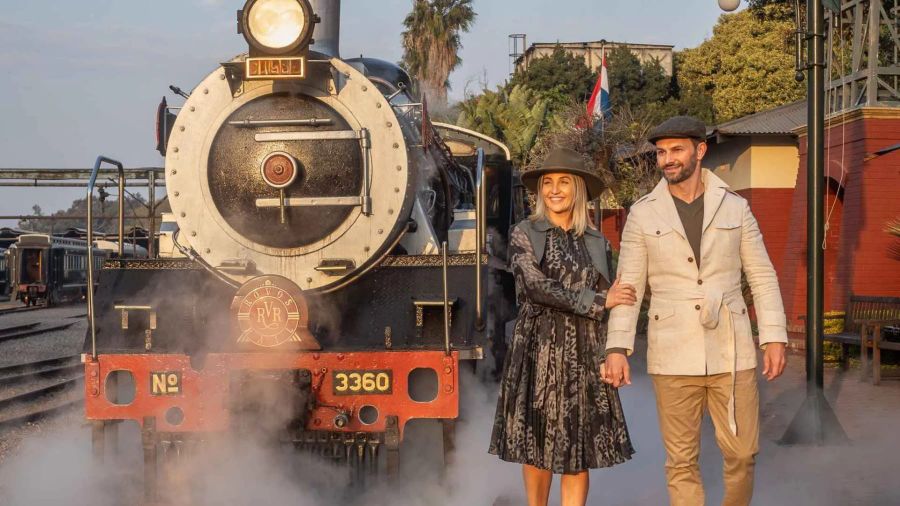
Luxury train travel
Pretoria to Cape Town the slow way, with a bush stop in between. Two nights of dining cars and sleeper compartments and the country sliding past.
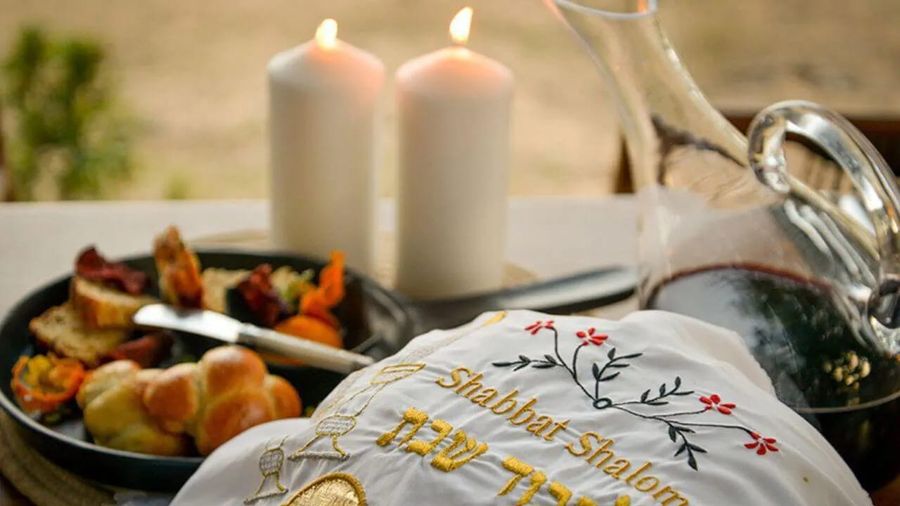
Kosher safaris
Private kosher villas. Visiting mashgiach where required. Shabbat in the bush, properly observed.
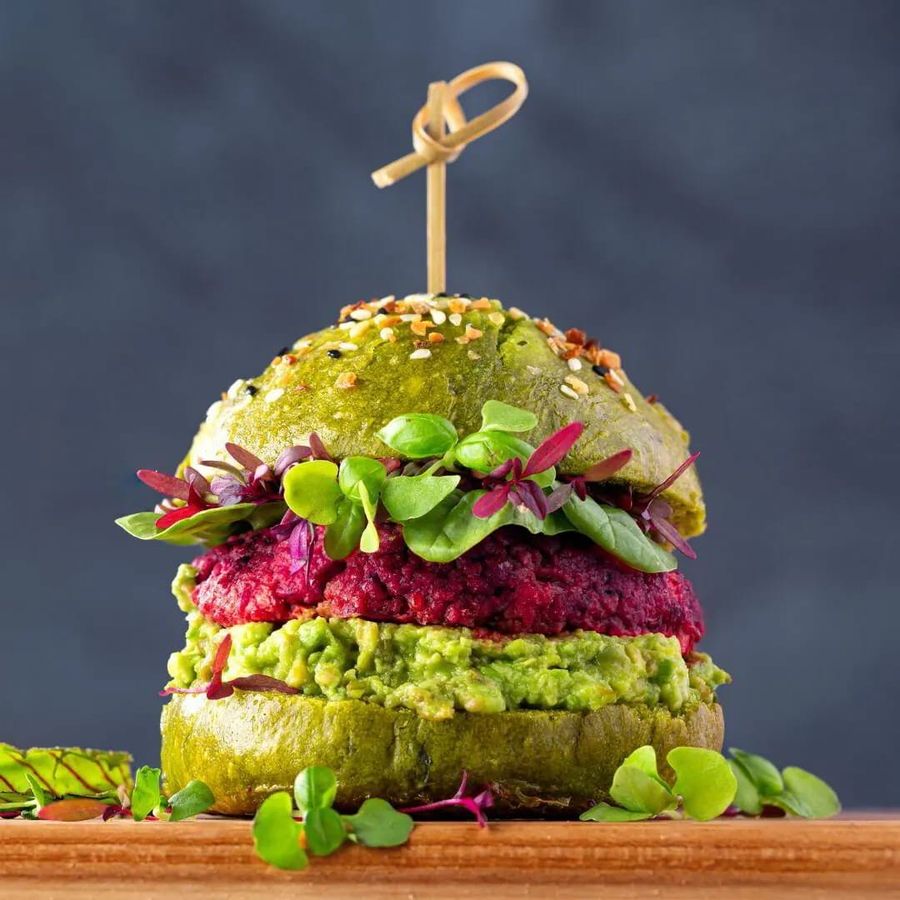
Vegan and plant-based
Lodges where the chef genuinely understands plant-based cooking. Not "we can do a salad". Real menus, planned in advance.
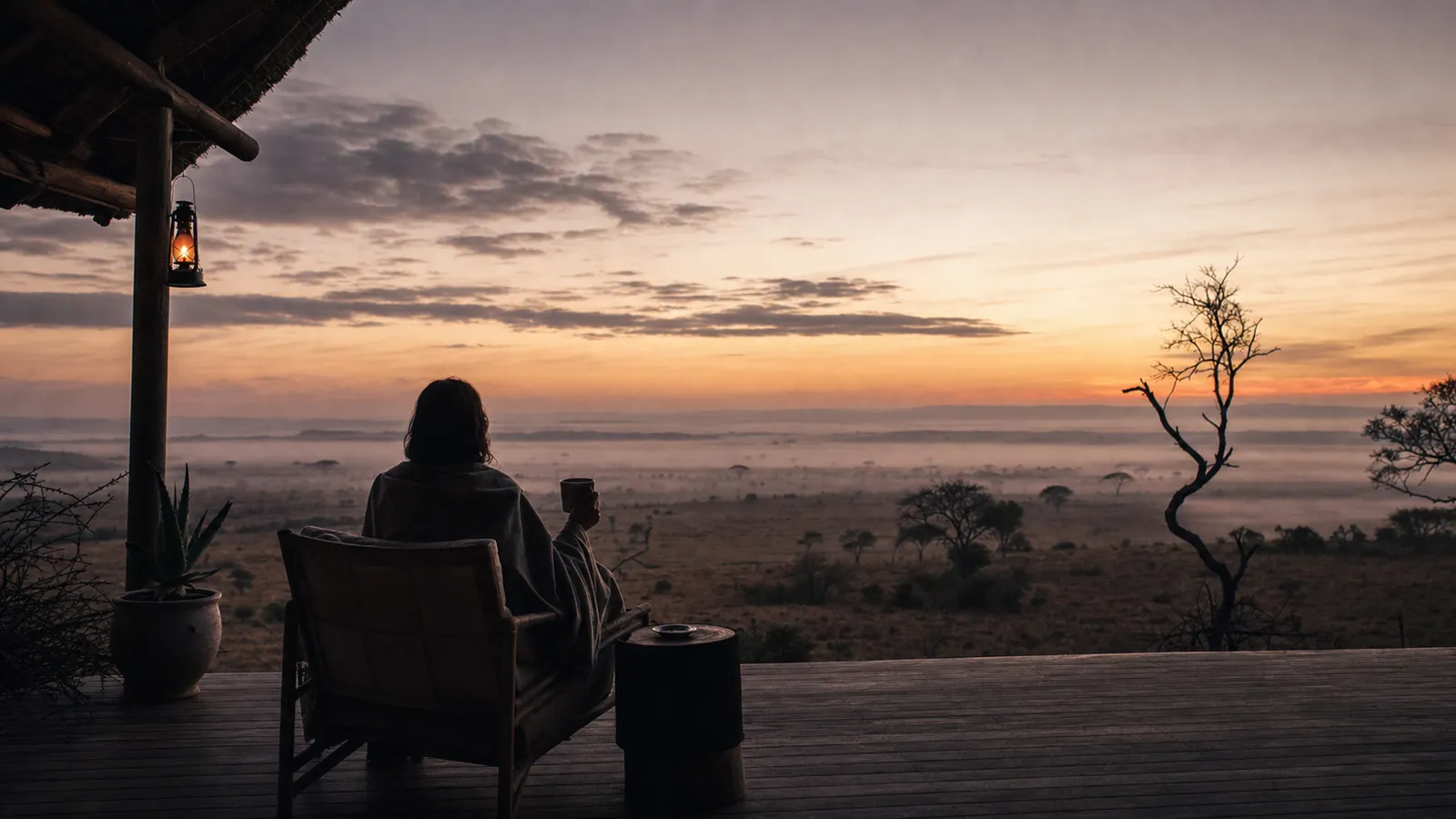
There is a moment, on every safari we have ever planned, when the trip stops being about animals and becomes something quieter. We try to design that moment in.
Marula Hill
What you want to see
Trips planned around one thing
A specific animal. A specific moment. The journey you build outwards from a single non-negotiable.
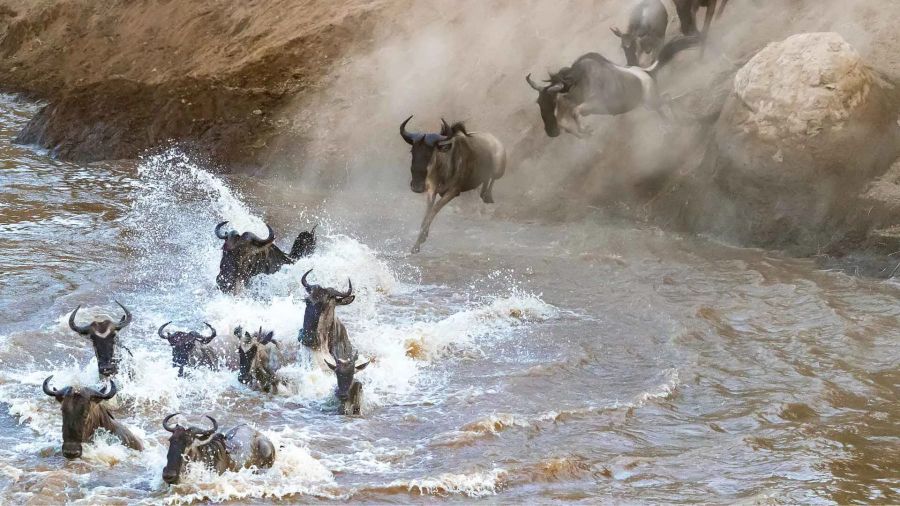
The Great Migration
Two million wildebeest, twelve months a year, somewhere on the Serengeti and Mara ecosystem. We know exactly where, which month, and why.
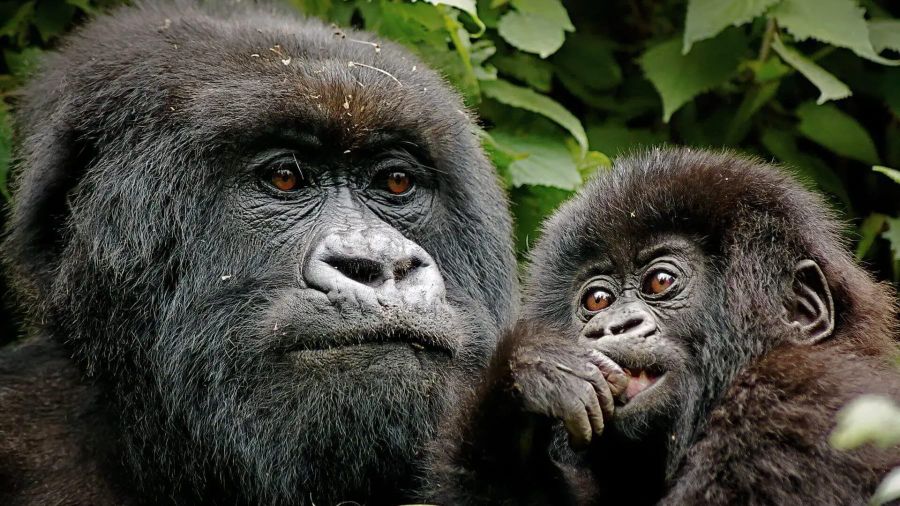
Gorilla trekking
Volcanoes National Park in Rwanda. Bwindi in Uganda. One hour with a habituated family. The most expensive sixty minutes of your life and worth every cent.
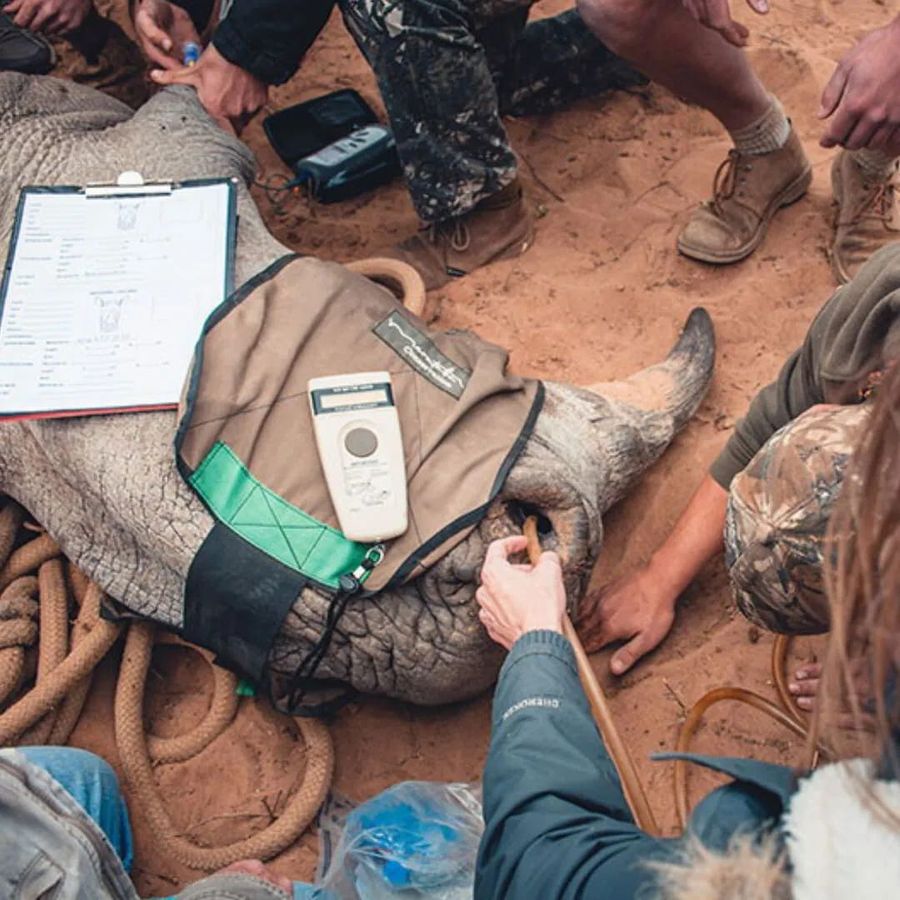
Conservation safaris
Rhino notching. Painted dog tracking. Pangolin release. Reserves where your bed for the night funds something measurable on the ground.
Beyond the bush
A safari does not have to be only the bush
The best journeys add a city, a coastline, a vineyard. A few days of something completely different framing the wild bits.
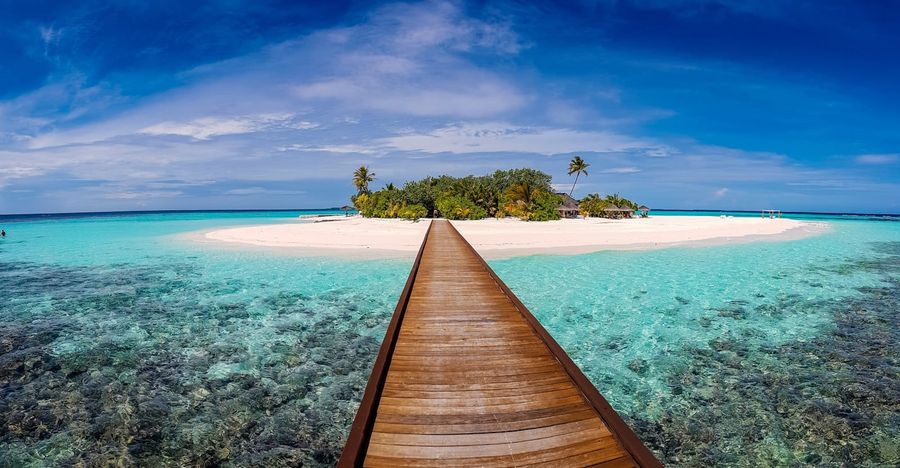
Bush and beach
The way it was meant to end. Zanzibar after the Serengeti. The Mozambican coast after Kruger. Warm Indian Ocean water, dhow sails, a few quiet days to let it all settle.
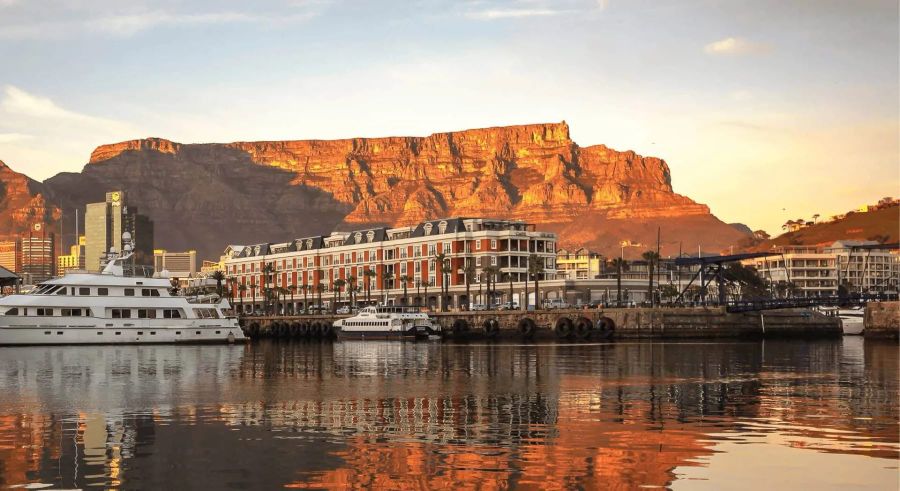
Cities and culture
Cape Town. Stone Town in Zanzibar. Marrakech extended onto a Kenya trip. The cultural anchors that frame the wild bits.
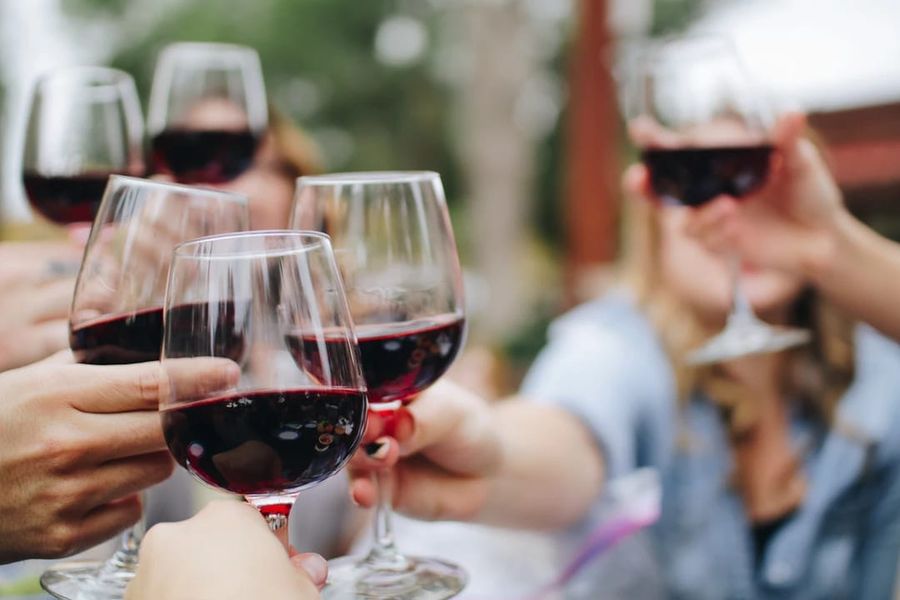
Wine routes
Stellenbosch. Franschhoek. Hemel-en-Aarde. Three or four days of South African wine country, paired with a bush stop.
How we plan a journey
A real person at a real address
Every Marula Hill journey is designed personally. We do not have a packaged itinerary library you choose from. We have a long list of lodges we know by heart, guides we know by name, and a careful attention to the questions we ask before we start drawing anything.
The first conversation is short. Twenty minutes, sometimes thirty. We ask about home, not Africa. About how you want to feel on day six, not what you want to see on day one. By the end of that call we know whether you want quiet or loud, fast or slow, social or private. Often we know which two lodges before the call ends.
From there it goes to a written proposal in your inbox. Then a second call. Then a third draft. Then the trip.
The bush has been expecting you
Honest answers
Things people actually ask
Do you have set itineraries we can buy off the shelf?
No. Every itinerary is designed personally. We have sample journeys we have planned before that we can show you for shape, but the trip you book will be built around your dates, your party, your appetite, and the lodges that are open the week you travel.
Why don't you list lodges and prices on the website?
Because the same lodge changes price four times a year and the right lodge for you depends on the rest of the trip, not on a brochure. We tell you the lodge on the call. We tell you the all-in cost in the proposal. Nothing on the page goes stale.
We have travelled in Africa before. Will this feel different?
That is who we plan for most. Returning travellers are usually after the bits the first trip missed. Slower pace. Smaller lodges. Fewer transfers. A region they have never seen. A specialist guide rather than a generalist.
Who actually plans my trip?
One of our small team, from the first email to the final voucher. The same person also travels with you on email throughout the trip. You will reply to a real address. We answer the phone when you call it.
How far in advance should we be planning?
Eight to twelve months for the high-demand months and the small lodges. Three months is usually enough for shoulder season. We have planned a Mara trip in nine days when we had to. It is rarely worth the rush.

Ready to plan
Your safari does not need a category
Most of the best journeys we plan blend two or three of the categories above. A family wellness trip with a side of gorillas. A romantic Cape Town finish to a kosher bush week. The labels are how we think. The trip is how you go.
Africa is waiting