
How we plan a vegan safari in South Africa
A working guide to building a fifteen-night plant-based safari, from Cape Town's Atlantic coast to two private reserves in the Greater Kruger

A safari built around plant-based dining is a different kind of job to a safari that happens to have a vegan option on the menu. We have planned both. The good ones start at the brief. The disappointing ones start at the buffet.
The good vegan safaris start at the brief, three weeks before anyone packs a bag. Here is how we plan one, with a real fifteen-night route you can follow.
We are often asked whether the safari lodges in southern Africa can actually feed a vegan traveller properly for a week or more in the bush. The honest answer is that some can, some cannot, and the difference between the two has almost nothing to do with the lodge and almost everything to do with how the kitchen is briefed before you arrive.
We wanted to walk through how we plan a fifteen-night vegan safari in South Africa, using a real route we have just put together for two travellers from Spain. You can see the full fifteen-night itinerary here if you would like to follow the trip as we describe it.
The brief we work from
When a vegan brief comes in, we want to know more than "no animal products." We want the specifics in writing, and we want them early. Is honey in or out. Is ghee a deal-breaker. Are eggs and dairy both off the table, or is one of those a softer line. Are we cooking for two travellers or for a mixed-diet group where one or two members are plant-based. Are there allergies we need to fold in alongside the dietary brief.
For this particular trip, the brief was clean and clear. Two travellers, both fully vegan. No animal products of any kind. Spanish as a first language with comfortable English. Mid-July, which gives us dry-season winter and the kind of light that flatters every photograph. They wanted Cape Town and the Greater Kruger, in that order. They were curious about conservation, and they were quite firm that nothing should feel staged.
That last note matters. The vegan briefs that work best are the ones where the traveller has thought carefully about what they want and what they do not want, and is willing to tell us in plain language. We can plan around almost anything. We cannot plan around a brief that has been left vague to be polite.
Why the briefing happens before the booking
Most safari lodges in southern Africa are perfectly equipped to handle a vegan guest. Plenty of them are also equipped to do it well. A smaller number again can do it well for eight consecutive nights without the menu beginning to feel repetitive by night three, which is what we are looking for when we plan a longer plant-based stay.
So before we confirm any property for a vegan trip, we send the head chef a friendly but specific written brief. What is in their pantry year-round. Which suppliers do they use. What will they be cooking in mid-July, because winter in the lowveld is a different growing season to summer, and we want to know what will be coming in fresh.
We also ask about the texture of the menu, which we think matters more than people realise. A safari kitchen that does five plant-based dishes really well is more useful to a guest than one that has thirty options, all of which are variations on the same grain bowl.
If a kitchen comes back with thoughtful answers, we book. If they come back with "we will figure it out," we keep looking.
Cape Town: three days built around the table
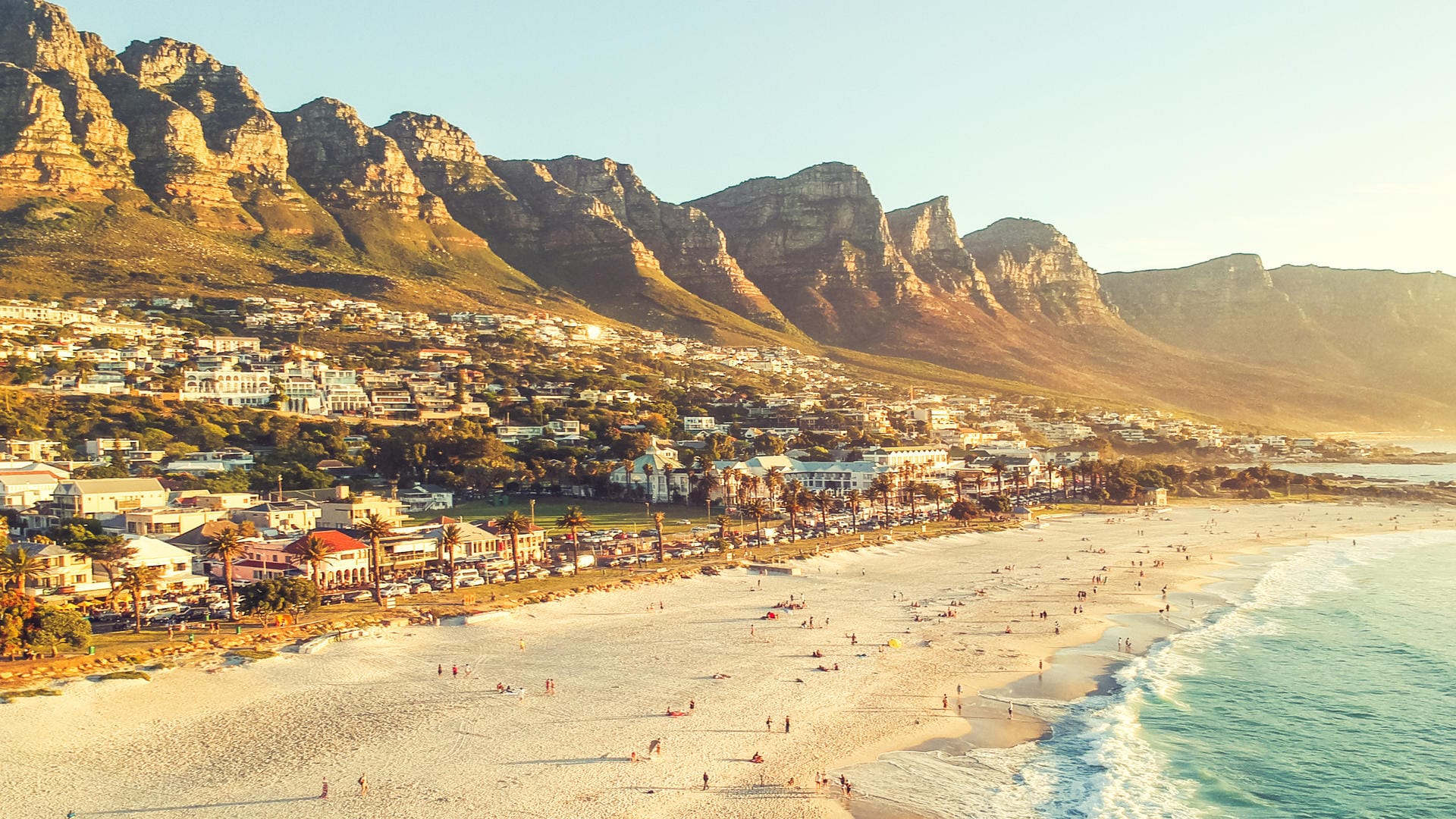
We almost always start a longer South African safari with a few days in Cape Town. Travellers arriving from Europe or the US are jet-lagged, and we want them somewhere walkable, comfortable, and exceptionally well-fed before we put them on a flight to the bush.
Day one is a settling day. A hotel on the Atlantic seaboard with the ocean just outside the window, and an early dinner at a fully plant-based kitchen on Kloof Street. The chef there does a tasting menu that draws on West African and South Indian flavours, and it is the kind of meal that makes a tired traveller feel they have arrived in the right country.
Day two is the city. Table Mountain in the morning, the Sea Point Promenade by bicycle in the afternoon, sundowners at a quiet rooftop above the City Bowl. Their guide for this one will be a Spanish-speaking local who knows the city's layout in his sleep and reads the day for energy rather than running it on a tight schedule. We always book guides like this for our Cape Town stays. The difference between a tour and a good day out is almost always the person showing you around.
Day three is the Cape Peninsula. We will fly them down by helicopter from the V&A Waterfront, which is a beautiful way to see the coastline and which also buys you about ninety minutes back compared to driving the same route. Lunch will be at a private chef's home on the peninsula, prepared specifically for the two of them. The afternoon is a slow drive home along Chapman's Peak with stops wherever they want them, and dinner that night is back in town at another lovely plant-based kitchen.
By the time we put them on the plane to Hoedspruit, they will have eaten plant-based food at every meal, in three completely different settings, and not once will they have been handed a menu with the meat options crossed out in pen.
The flight north and the first lodge
Cape Town to Hoedspruit is a two-hour scheduled flight. Hoedspruit airport is small, single-terminal, and forty minutes by road from most of the lodges in the Greater Kruger. The travellers will come off the plane into winter sunshine and a private vehicle, which is exactly the right way to begin a bush leg.
The first lodge sits in the Klaserie, on the western edge of the Greater Kruger. It shares unfenced borders with the Timbavati and Kruger National Park itself, which means the wildlife moves freely across all three. Big Five reserve. No internal fences. Game drives leave camp at six in the morning and four in the afternoon, with a long midday gap for lunch, sleep, and the swimming pool.
That first dinner is the test, and we will be watching closely. The kitchen has been briefed three weeks ahead, and we will brief them again the day before the travellers arrive. The standard we want is a four-course meal that is plant-based from the first bite to the last, served at the same pace and with the same attention as the meals going to other guests. No apologetic substitutions. No asterisks on the menu card. Just a beautiful dinner that has been thought about properly.
When we get this right, the travellers stop noticing the food question by about night two. Which is exactly the point.
What changes when the kitchen is twenty minutes from a buffalo herd
There is a logistical reality to safari catering that does not exist at a Cape Town restaurant. The supply truck arrives once a week. If a chef has run out of something, they cannot send a runner to the corner shop. The pantry is the menu, and the menu is whatever happens to be in the pantry that morning.
This is exactly why the briefing has to be specific and why it has to happen early. A chef who has been told three weeks in advance that two vegan guests are arriving on the fifteenth of July will have ordered tofu, tempeh, the right oils, the herbs that complement the proteins they have planned, and enough of all of it to last eight nights without a panicked phone call to a supplier in Hoedspruit.
A chef who finds out at check-in is going to be cooking around what they happen to have, and the result will be edible, but it will not be inspiring.
We have learned this the slow way over the years. The lodges we use for plant-based briefs are the ones that have stopped seeing dietary requirements as a problem to solve, and started seeing them as an interesting thing to cook.
The Klaserie days
Three full days in the Klaserie. Morning drives, breakfast back at camp, leisure time, lunch, afternoon drive, dinner. The pattern of a private safari lodge is not really negotiable, and it should not be. It is the pattern the wildlife responds to, and once you are inside it, you stop noticing it.
The aim with a longer stay is for the travellers to stop asking us about food by the second morning and start asking about leopards. Plant-based dining should not be the headline of the safari. It should be the quiet thing that simply works in the background while the safari itself becomes the event.
The Klaserie is excellent for that. Lion are resident. Leopard sightings are good year-round and exceptional in winter. Elephant herds move along the river systems, and a buffalo bachelor group close enough to count the oxpeckers riding their backs is a normal afternoon. Drives are private when we book a private vehicle, which we did for these travellers, and the guide adjusts the pace to whatever the guests want to see rather than running through a checklist.
Two reserves, one ecosystem
On day twelve we move them across to the Timbavati, which sits just to the north and shares its eastern boundary with Kruger National Park itself. The transfer is a thirteen-kilometre drive between lodges, which sounds quick but takes about forty minutes because the road runs straight through the bush and there are usually animals on it.
The Timbavati is famous for its white lions. We never promise a sighting, because that is not how nature works, but we do build in things we can promise. An anti-poaching K9 demonstration at camp, for example. It is a working programme rather than a performance, and it gives travellers a clear and honest picture of what the conservation budget at a private reserve actually pays for.
The kitchen at the second lodge is briefed in parallel with the first. The aim is four more nights of plant-based dinners without a single repeated dish, which is the standard we want from a kitchen on a longer stay.
The conservation thread
Two days on this kind of trip can be given to conservation rather than wildlife viewing, and we recommend it for any traveller who has asked about ethics in their first message to us. On day two, before flying down to Cape Town, we send travellers to the Kevin Richardson Foundation in Dinokeng, which is a sanctuary for big cats rescued from captive-breeding and cub-petting operations. It is not a safari. It is a working welfare facility, and it asks visitors to think honestly about the industry that puts those animals there in the first place.
On day fifteen, between morning and afternoon drives, we drive travellers to the Moholoholo Wildlife Rehabilitation Centre at the foot of the Drakensberg Escarpment. Moholoholo takes in injured and orphaned animals from across the lowveld, and the tour walks visitors through the casework, animal by animal.
These two stops matter to vegan travellers in particular, in our experience. They tend to ask about ethics in their first message to us, and we want any trip we plan to answer that question with substance rather than gesture at it.
What we have learned about briefing lodges
Three things, written down so we remember them every time we plan a plant-based trip.
The brief goes in three weeks ahead, not at confirmation. Lodges order in. Three weeks gives the chef time to fold the request into the next supply order, rather than scrambling on the morning of arrival.
The brief is specific. Not "vegan friendly." Not "plant-based options." A list, written out plainly: no animal products, including dairy, eggs, honey, ghee, fish sauce. Confirmation in writing from the head chef themselves, not the booking agent.
The reminder goes in the day before. A short, friendly message to the lodge manager confirming the arrival time and the dietary brief one more time. It feels redundant. It is not, and it has saved us more than once.
When all three of those things happen, the meals stop being a problem and start being a pleasure. When even one of them gets missed, the trip ends up working around the kitchen rather than the other way round, and the travellers feel it.
The bush has been expecting you
A vegan safari should look and feel like any other luxury safari, with one quiet difference at the table. The wildlife is the same. The light is the same. The mornings are the same. The food is properly good, and it has been thought about properly, weeks before the guests arrive.
If you are starting to plan a vegan safari and you would like the briefing done properly from the very beginning, start with a conversation. We will take care of the rest.
Vikki Jackson, Co-founder of Marula Hill
Frequently asked questions
How far in advance does a lodge need to be told?
Three weeks is the working minimum for the lodges we use. Most safari kitchens run on a weekly supply cycle, and the chef needs at least one full ordering window to fold a plant-based brief into their next delivery. Less than that and you are eating around what is already in the pantry, which is rarely the experience we want for a guest.
Will every safari lodge cook properly for a vegan guest?
Honestly, no. Many will produce something edible. Fewer will produce something good, and fewer still will produce something good for eight or nine consecutive nights. The lodges we recommend for a plant-based brief are a smaller list than our general luxury list, and we are very happy to share the specific ones we trust in a planning conversation.
What about wine, alcohol, and snacks on game drives?
Most premium safari wine lists include vegan-friendly options, and the bush brunch tradition is much easier to make plant-based than people often assume. We brief the kitchens on snacks and beverages alongside the main meals, including the early-morning coffee tray and the afternoon sundowner basket on the drive.
Can a vegan safari work for a family with mixed diets?
Yes, and we plan these often. The trick is briefing the kitchen on the vegan members of the family in the same level of detail as you would for a solo traveller, rather than treating it as a "side option" to a wider menu. The lodges that handle this well are easy enough to find when you know what to look for.
When is the best time of year for a vegan safari in South Africa?
The dietary brief is independent of season, but the wildlife brief is not. Mid-May through September is dry season in the lowveld, with thinner vegetation and animals concentrating around water sources. Mid-July, which is when this particular trip is running, is peak winter, and the viewing tends to be excellent. December through March is greener, hotter, and the bush is full but harder to see through.
What does a trip like this cost?
A fifteen-night, fully private trip across Cape Town and two private Greater Kruger reserves, in peak winter season, with helicopter transfers and Spanish-speaking guides, sits in the upper end of our luxury bracket. We share specific numbers in a planning conversation rather than on a public page, because the variables matter and the price moves meaningfully with timing and the choice of lodge.
If this resonated
The bush has been expecting you
Start with a conversation. We will ask what makes you want to wake up at four-thirty, and build from there.
Begin a conversation
Royal Malewane reopens: what we remember, and what the fact sheet confirms
The original Royal Portfolio property is back after months behind scaffolding. We haven't seen it yet. Here is what we know anyway.

We run on solar and we have not printed since 2019
Vikki and Sian on solar power, paper, and what a small safari company can honestly claim.

Sandringham Private Game Reserve: should you go early, or wait?
Greater Kruger's newest reserve opens in August 2026. Our honest take on who should book Sandringham early, and who should give it a few seasons.

The packing guide
What to bring on safari, what to leave at home, and the one thing no lodge can lend you. An honest packing list from the team in Hoedspruit.

How do you want to feel when you get home?
Why we plan safaris around how you want to feel when you get home, not around a pin on the map.

South Africa's online traveller declaration: what it means for your safari (and what it doesn't)
A five-minute customs form now stands between you and the arrivals hall. Here's what it is, who needs it, and what nothing to declare actually means for a normal safari guest.

Safari After Dark
Night drives reveal a different Africa. Quieter, older, more deliberate. Here's what we love about the bush after the sun goes down.

How we tailor every Marula Hill safari
We don't start with destinations. We start with you: your pace, your family, your idea of a good day in the bush.

When space teaches: what Saseka's refresh tells us about gathering in the bush
What a thoughtful safari lodge refresh tells us about gathering in the bush.

Inside FedAir's new Baobab lounge at Hoedspruit
The new Baobab lounge at Hoedspruit airport changes how a safari begins. Vikki Jackson on the room that holds you before the bush does.

How safari pricing actually works
From the people who build the quotes. What you are really paying for, where the money goes, and how to spend it well.

Monwana, and what coming home actually means
By Vikki Jackson and Sian Loehrer. A week at the Thornybush lodge that has built its whole identity around the word home, and what we found when we tested it against the room, the drives, the afternoons and the bill.

The Mozambique dhow: a slow boat at the end of a fast trip
Why we put a dhow afternoon into almost every Mozambique trip. Sail, salt water and the long breath out after safari.

Why we built the Antarctica page
A short note from Sian on why an African safari business added Antarctica to its destination map, and how we handle a trip neither founder has yet made.

Lion Sands Ivory Lodge. What their redesign gets right
I visited Lion Sands Ivory Lodge in the Sabi Sand. The redesigned spaces are quiet, bold, and rare. Here is what they got right.

Where the money actually goes on a luxury safari
A line-by-line look at what you're actually paying for on a luxury African safari — and what a quote that looks light is usually hiding.

Bazaruto vs Quirimbas: which Mozambique archipelago is right for you?
How to choose between Mozambique's two great archipelagos for a bush-and-beach trip. Geography, lodge feel, when to go.

Sabi Sand or Kruger
Two reserves, one fence line, very different mornings

What is the best month to visit Cape Town?
Cape Town rewards you differently in every season, but March to May is the window most of our clients come back to.

What Singita Lebombo's 2026 redesign tells us
Lebombo reopened March 2026 warmer, quieter, more art-led

Gorilla trekking, Uganda or Rwanda
Two countries, the same forest, two very different days

Do you need travel insurance for a safari
What safari travel insurance must cover, and why standard policies fall short

How two women from outside the travel industry built a luxury safari brand from Africa
We are the two women behind Marula Hill. One of us came from IBM, the other from MARS Southern Africa. Here is the long version of how a private safari business gets built from outside the travel industry.

Sole-use villa safaris in Africa
What sole-use villa safaris mean in practice, who they suit, and what to ask

Why Rwanda is the cleanest country in Africa
A plastic-bag ban from 2008. A mandatory community work morning on the last Saturday of every month. The system behind Rwanda's cleanliness, explained.