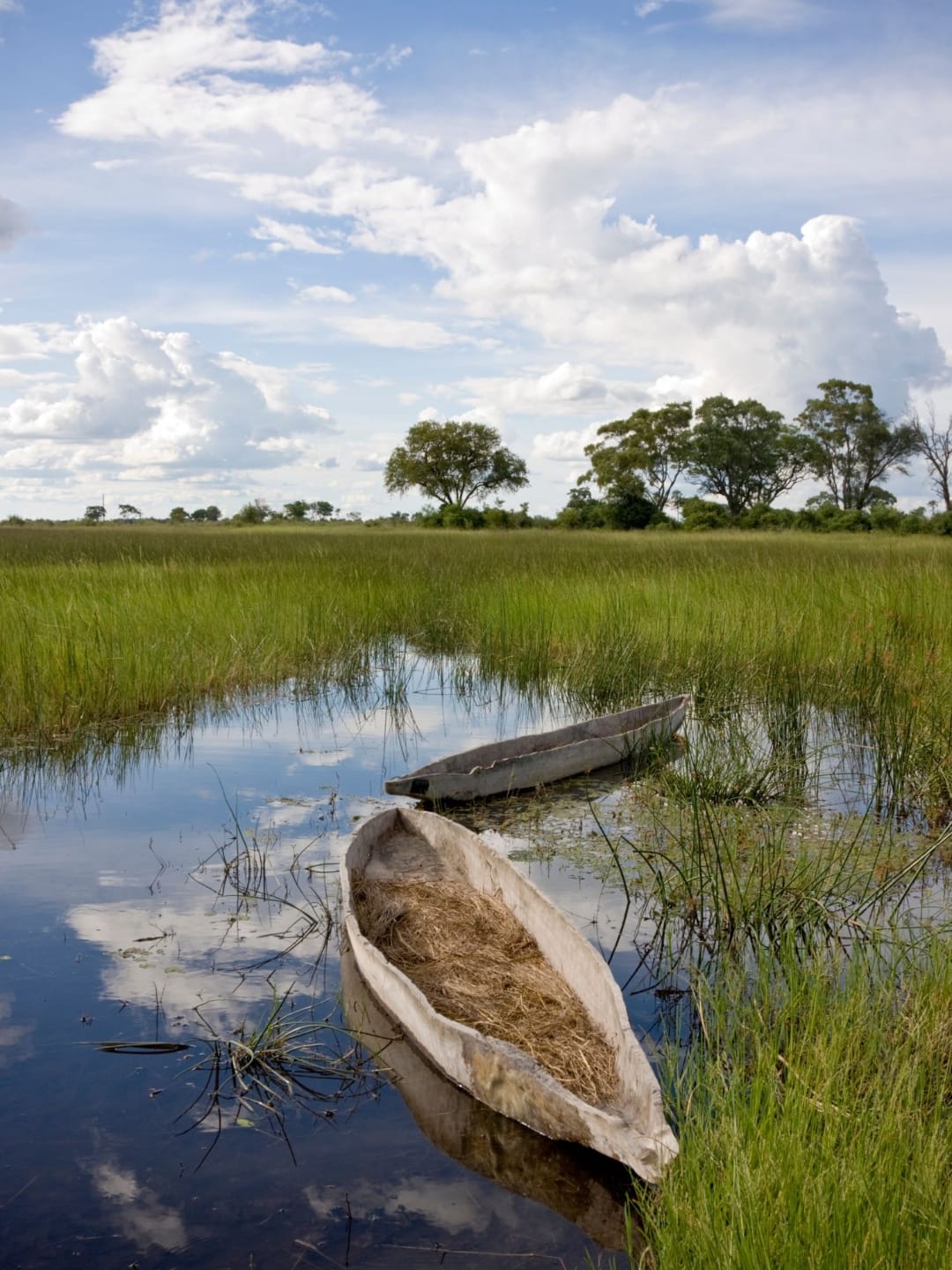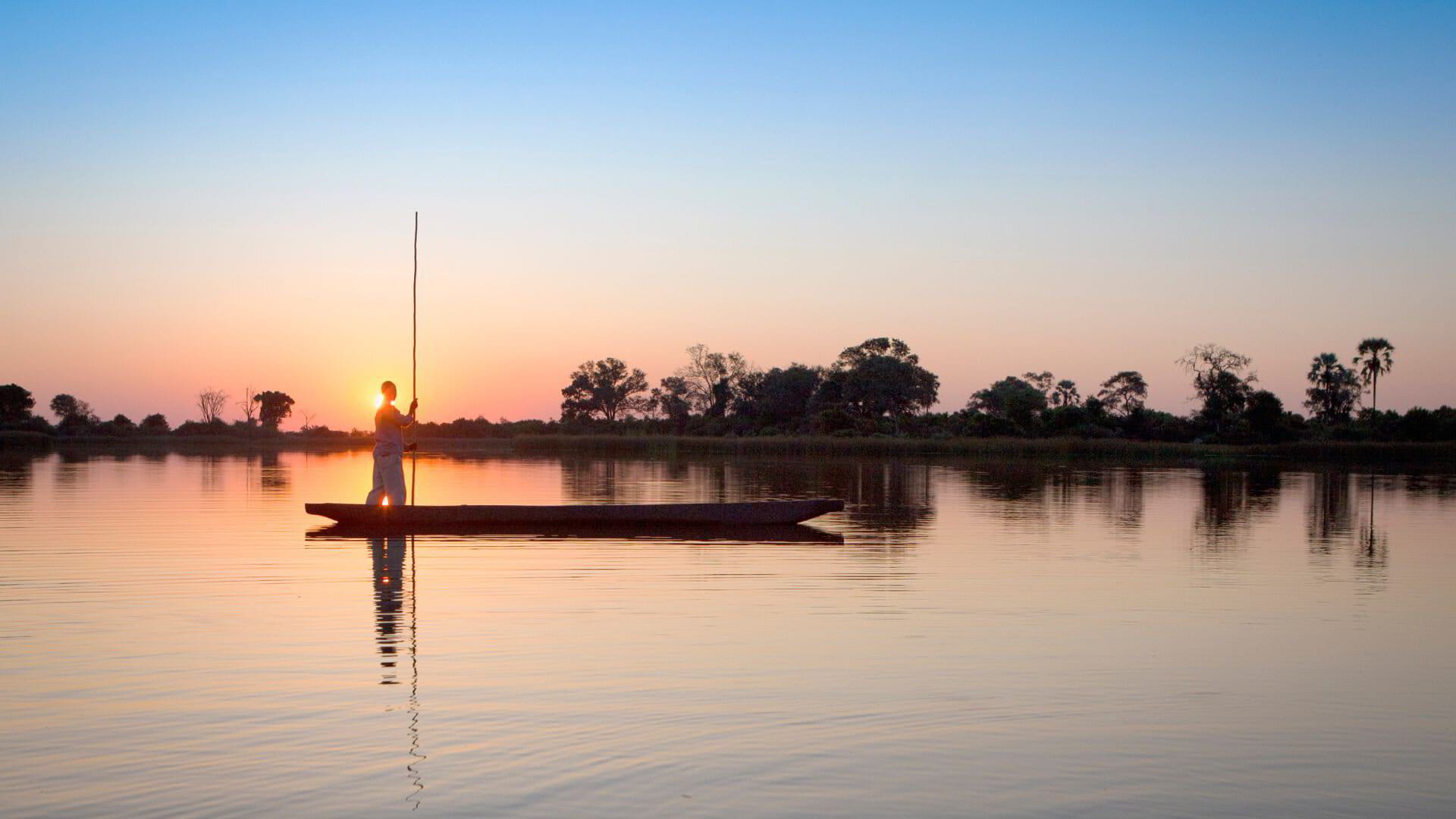
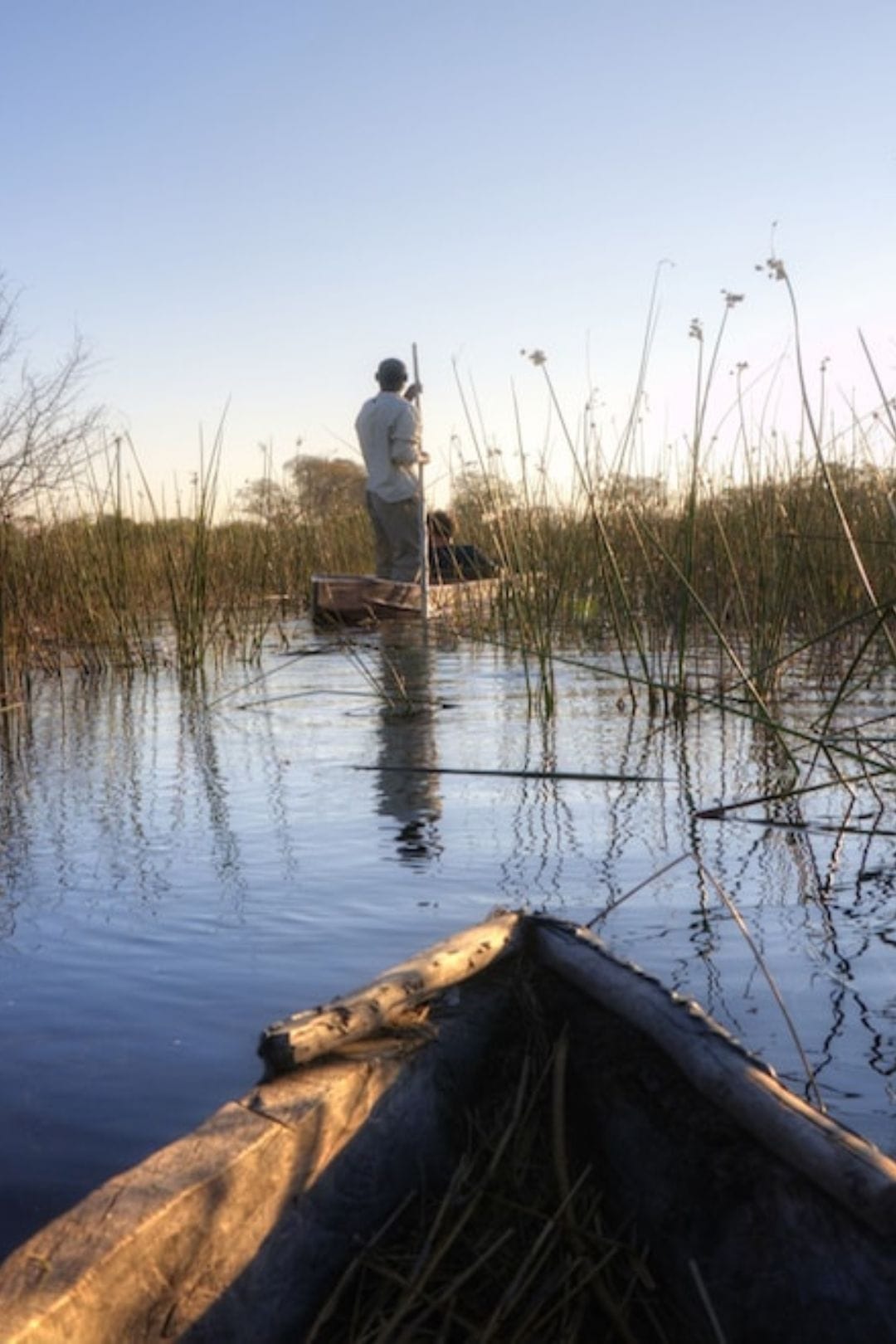
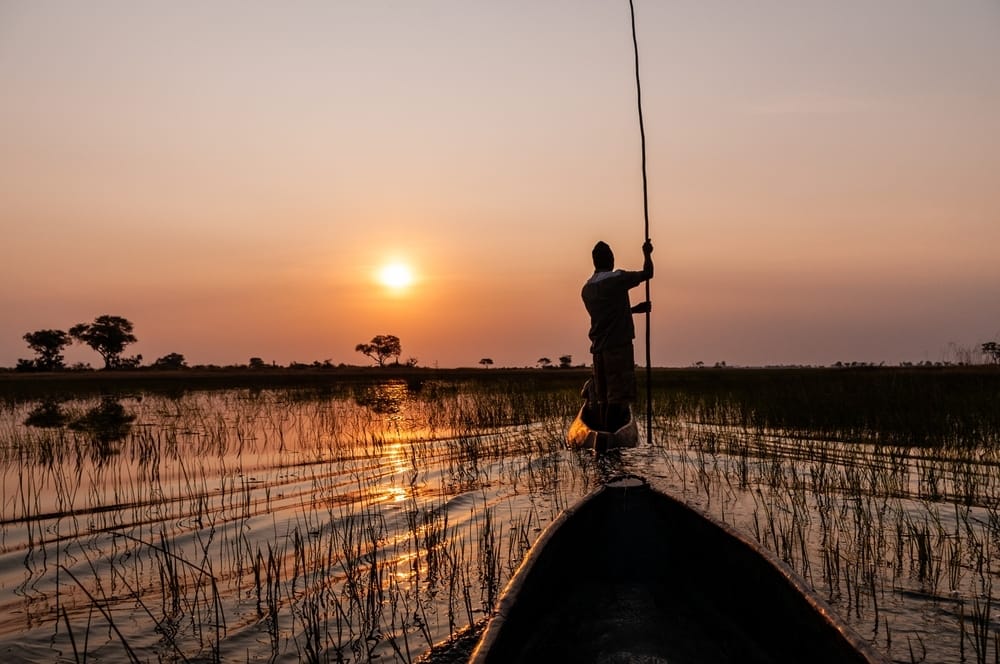
Luxury Botswana safari mokoro gliding through Okavango Delta channels at sunset

Botswana Safari Guide

Botswana, where the bush is still properly wild

The best safaris here happen on water.

Why Botswana

A country built around one extraordinary river

Most safaris in Africa happen on land. In Botswana, the best ones happen on water. The Okavango Delta floods every June, turns the desert green, and reorganises the country around its channels. Lions hunt across them. Elephants wade through them. Mokoro polers push you between them in silence. It is one of the few places left on the continent where the bush has been allowed to stay wild without compromise.

The Okavango is the second river. The first one runs underground from the Angolan highlands and surfaces here, in the middle of the Kalahari, fanning out across 15,000 square kilometres of channels and islands before it disappears into the sand again. It defines everything. Where the camps are. When you visit. What you do once you arrive. Botswana's other ecosystems (Linyanti, Chobe, the Makgadikgadi salt pans, the Central Kalahari) all sit in conversation with the Delta. Most of the journeys we plan move between two or three of them.

The country has stayed deliberately low-volume. High park fees and strict camp limits keep the visitor numbers down, the concessions large, and the experience uncrowded. You will rarely share a sighting with another vehicle. That alone changes the trip.

Where Botswana sits

A geography worth knowing

Four regions, one country. Each does a different safari. The map shows where they sit. The cards tell you what each one does.

  1. 1Okavango Delta
  2. 2Linyanti & Selinda
  3. 3Chobe
  4. 4Makgadikgadi & Central Kalahari
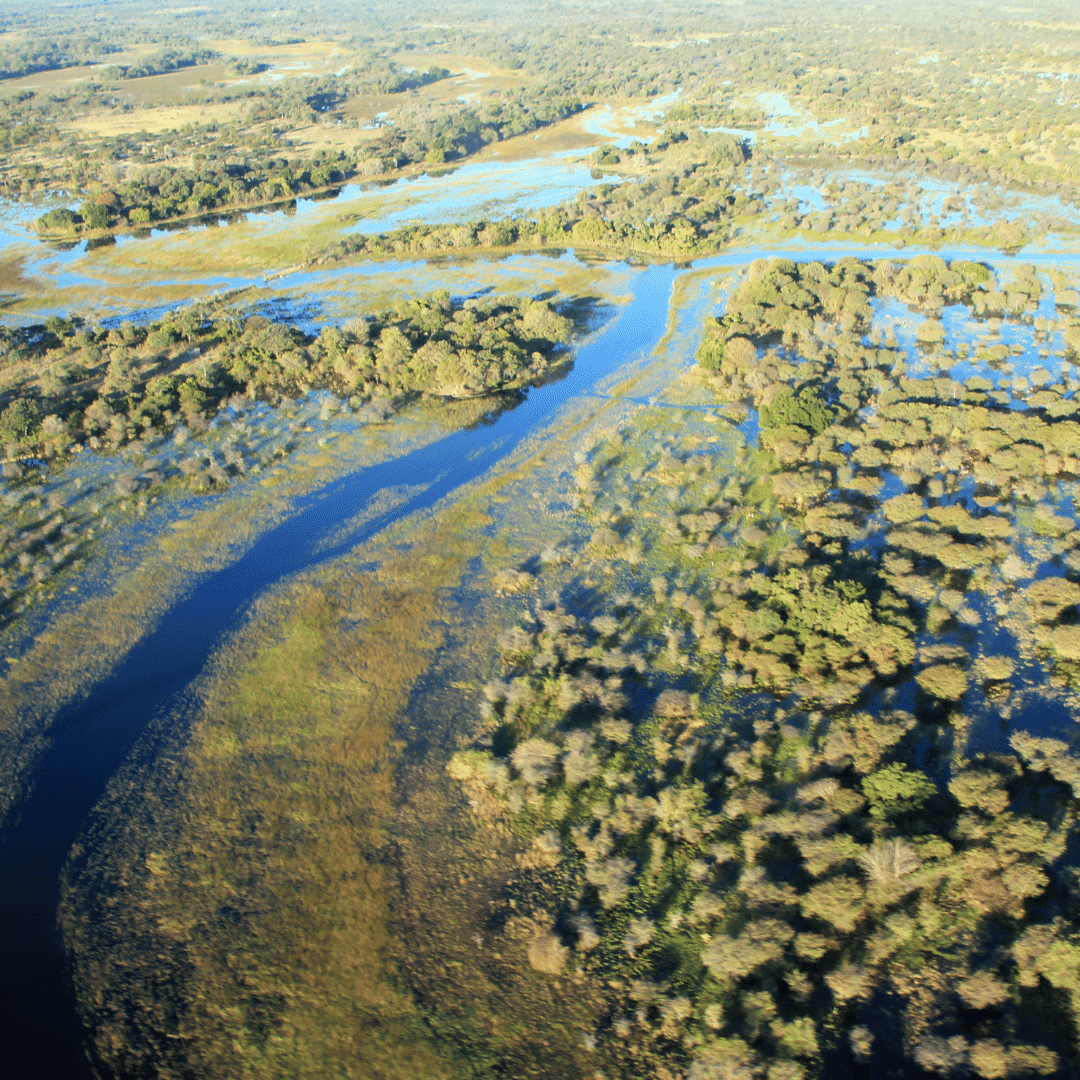
Aerial view of the Okavango Delta at flood, with channels and palm islands stretching to the horizon

Okavango Delta

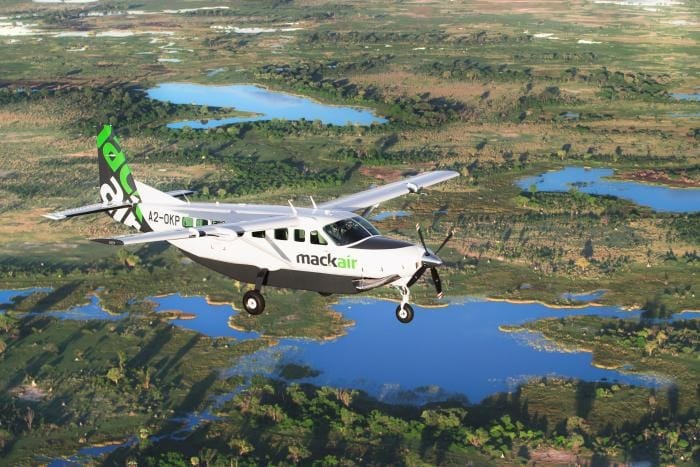
The reason most people come to Botswana. Permanent waterways in the centre, seasonal floodplains around the edges, hundreds of small islands in between. The water-based camps (mokoro, boating, fishing) sit deep in the Delta and are reachable only by light aircraft. The land-based camps along the fringes give you traditional game drives with classic Delta backdrop. Most good itineraries combine one of each.

Lone elephant silhouetted at sunset in the Linyanti region of northern Botswana

Linyanti & Selinda

North of the Delta, between the Kwando River and the Linyanti swamp. Some of the best dry-season game viewing in southern Africa. Huge elephant populations, exceptional predator action, and walking guides among the most experienced on the continent. Quieter than the Delta and often paired with it.

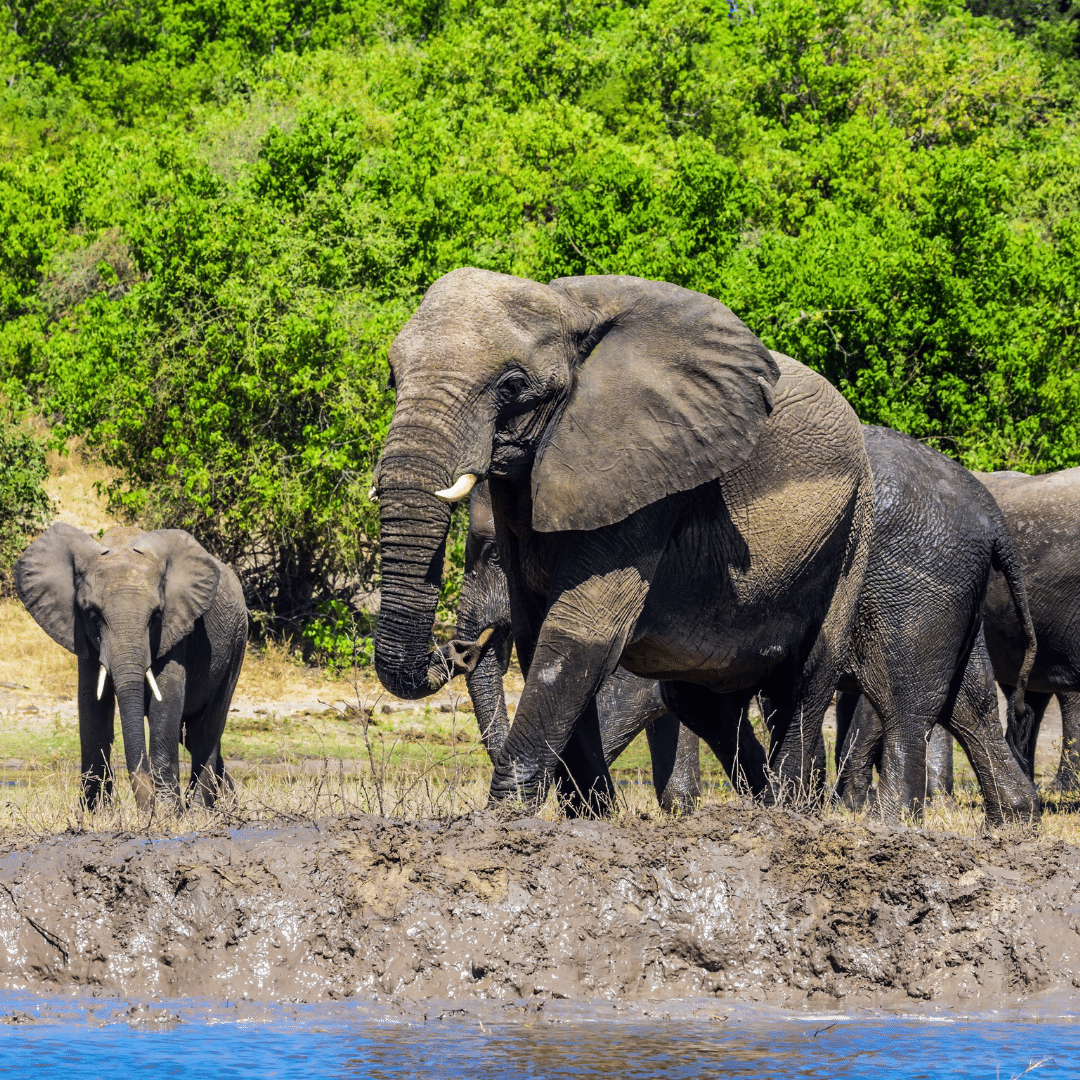
Herd of elephants drinking on the banks of the Chobe River at golden hour

Chobe

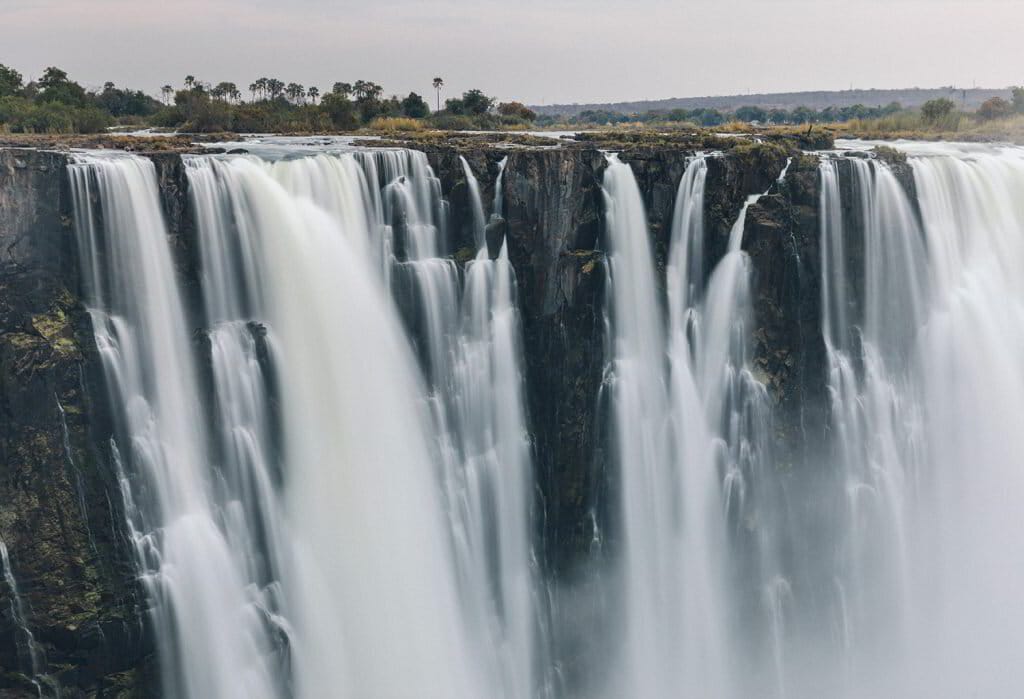
Famous for the elephants and the river. Boat-based game viewing at sunset is one of the great safari experiences anywhere. Most travellers visit Chobe at the start or end of a Botswana trip, often combined with Victoria Falls just across the border in Zimbabwe.

Vehicle tracks crossing the white salt expanse of the Makgadikgadi pans under a wide blue sky

Makgadikgadi & Central Kalahari

Africa's largest salt pans, and the desert wilderness beyond them. Quad biking on the white expanse, sleeping under more stars than seem reasonable, walking with San bushmen guides whose knowledge of the desert is unmatched. The Central Kalahari is the green-season specialist. Both pair well with the Delta as a complete contrast.

When to be here

We don't ask when you want to go. We ask what you want from it

Botswana works year-round. The right month depends entirely on what kind of trip you are after. Four ways to think about it:

Aerial of Okavango Delta channels at full flood, June through August

For the floods

The Delta at peak

May – August

Counterintuitive but true: the floodwaters arrive in the dry season. The Delta is at its highest in June and July, even though no rain has fallen for months. Mokoro and water-camps are at their best. Cool mornings, dry days, leafless trees that make wildlife easier to spot.

Lone elephant silhouetted at sunset in the Linyanti, late dry season

For the cats

Predators in the open

August – October

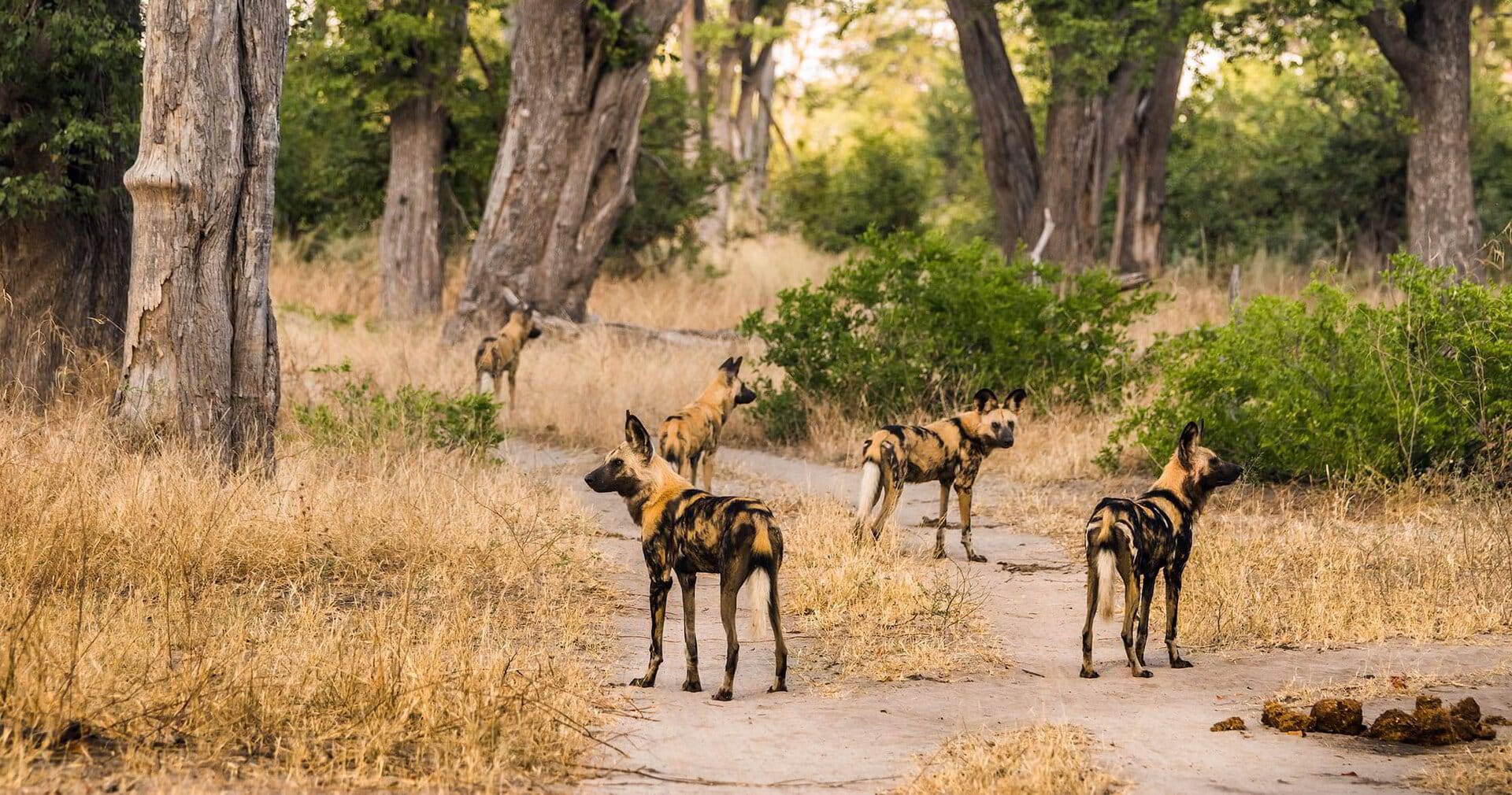
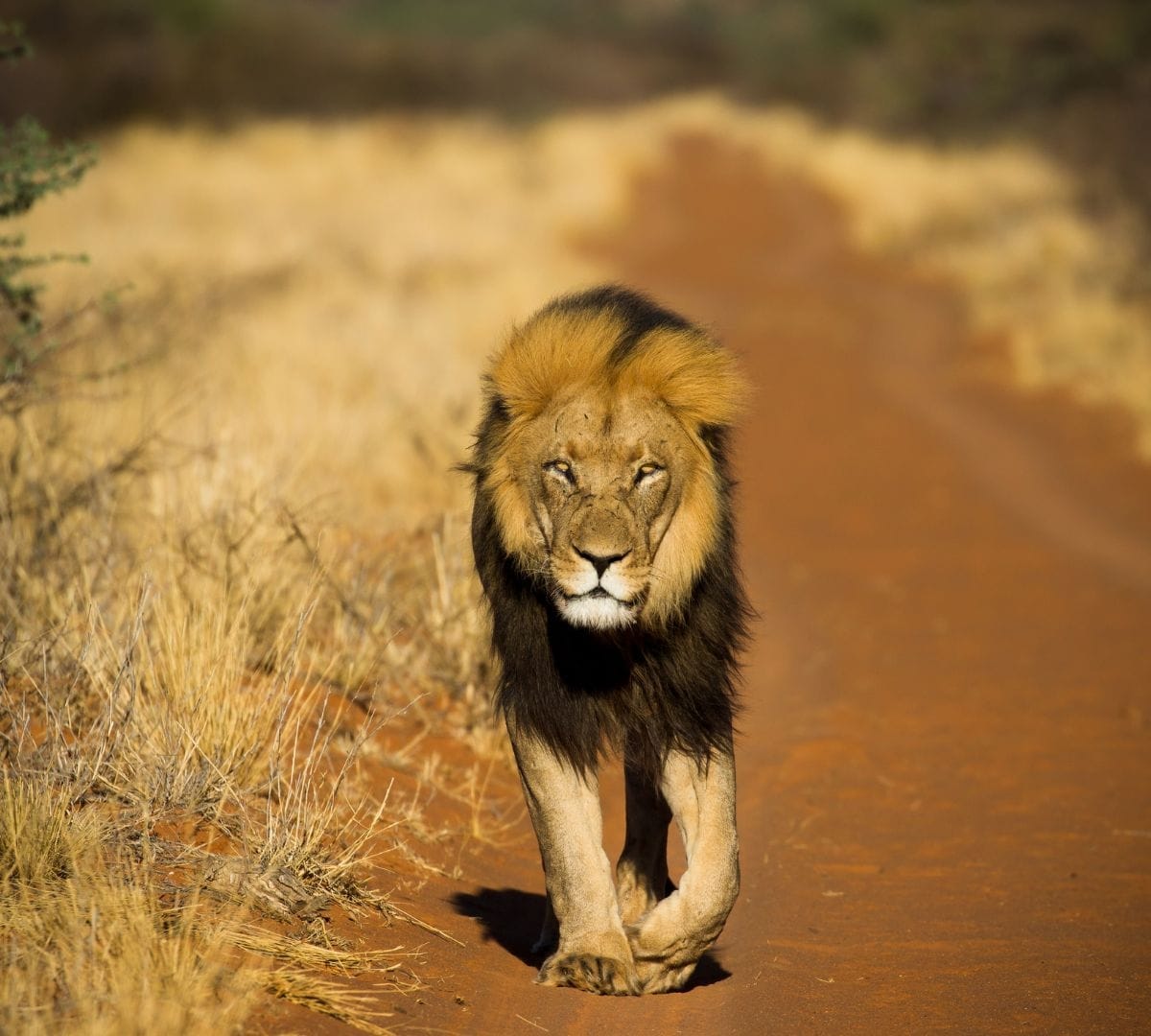
Late dry season. Water sources shrink, vegetation thins, and predator activity intensifies as game concentrates around the remaining waterholes. Linyanti and Savuti are at their most dramatic. Hot in the afternoons, especially October. Some of the strongest lion and wild-dog sightings of the year.

Wide horizon of the Makgadikgadi pans in the green season

For the green silence

Big skies, fewer vehicles

December – March

The wet season brings short, dramatic afternoon storms and a landscape transformed: green plains, newborn antelope, migratory birds in their thousands. The Makgadikgadi pans come alive with zebra and flamingoes. Camps run at lower rates, and you often have sightings entirely to yourself.

Elephants on the bank of the Chobe River at golden hour, shoulder season

For the shoulder

The quiet, intelligent months

April – early May, November

Our favourite for travellers who want strong wildlife without the peak-season crowds or rates. April and early May follow the rains: green, mild, beautiful. November brings the first storms, calving season, and a fresh flush across the bush. These shoulder months tend to over-deliver.

Aerial photograph of the Okavango Delta channels and floodplains, the route for our seven-night Botswana itinerary

A signature Botswana journey

Seven nights deep in the Okavango

Three camps across the Delta on a single private concession. A water camp, a tented camp on the floodplain, a forest lodge in the trees. The same wilderness from three different angles.

  • Nights7
  • RouteOkavango Delta
View the full itinerary →

A starting point, not a fixed package. We rebuild every itinerary around the traveller.

Light-aircraft arrival into the Okavango Delta, the start of the journey
Arrival from the air
Delta channels and palm islands at full flood, the heart of the safari
Three nights at the water camp
Linyanti at golden hour, the closing leg of the journey
Closing in the dry north

Most journeys are not one country

What Botswana pairs with

Most clients combine Botswana with one or two neighbours. Victoria Falls in Zimbabwe is the obvious bookend. Cape Town and the Winelands work well as a soft landing before or after the bush. South Africa's Sabi Sand pairs Botswana's Delta with the leopards of the lowveld, and gives you two completely different ecosystems in one trip.

For travellers with more time, Zambia (South Luangwa for walking, Lower Zambezi for canoeing) sits naturally alongside Botswana. The light aircraft connections are straightforward and the safari styles complement each other.

The journal, by room

Six rooms, one library

Everything we know about Botswana, sorted by what you came here for. Six entry points. One body of work.

From the journal

Field notes from Botswana

Stories, guides and voices from the Botswana bush, written by the people who plan these trips.

Plan it properly

Tell us what you are imagining

Three ways to begin. Pick whichever feels easiest.

By note

Start with a note

Tell us roughly what you are thinking. We come back within a working day, often sooner.

Send a note

By email

Send us an email

Write to Sian directly, with Vikki copied. Same working-day response, no forms in between.

Email us

By WhatsApp

Send a WhatsApp

Quickest if you have a short question. We answer between game drives and meetings, usually within the hour.

Open WhatsApp

Write to us

One of us will write back.

Replies come from Vikki or Sian. No obligation, just a conversation.

Prefer to write to us directly? sian@marulahill.com · WhatsApp +27 82 459 0648