
Multi-generational safaris in Africa: the rise of private villas
Multi-generational safaris are the fastest-growing way families travel to Africa. Private villas and exclusive-use lodges, planned around different ages. The how, the why, and what they cost.

Multi-generational safaris are the fastest-growing way families are travelling to Africa. Private villas and exclusive-use lodges give grandparents, parents, and children one roof, one vehicle, and one shared pace. Seven to ten nights, one or two lodges, a private guide, and an itinerary that flexes around different ages. We design these journeys for families across South Africa, Botswana, Kenya, and Tanzania.
Multi-generational safaris in Africa are now one of the most-requested luxury travel briefs we receive. The shift is clear. Travel is no longer just about where you go. It is about who you share it with.
Across Southern and East Africa, the demand for private safari villas, exclusive-use lodges, and tailor-made itineraries built around families travelling together has gone up year on year. Grandparents, parents, teenagers, and small children, all under one thatched roof for ten days. We plan a lot of these.
What is a multi-generational safari?
A multi-generational safari is a tailor-made trip designed for a family group spanning three or more generations. It balances different energy levels, interests, and bedtimes into one itinerary that works for everyone.
The format usually means a private villa or exclusive-use lodge as the base, a private guide and vehicle so the group sets its own pace, and a flexible schedule so the seventy-five-year-old grandfather and the seven-year-old grandchild both get the safari they came for. No fixed game-drive times. No shared vehicles with strangers. No menu for the group of twelve.
It is the opposite of the standard small-group itinerary. Each day is shaped around the group on the day, not the brochure.
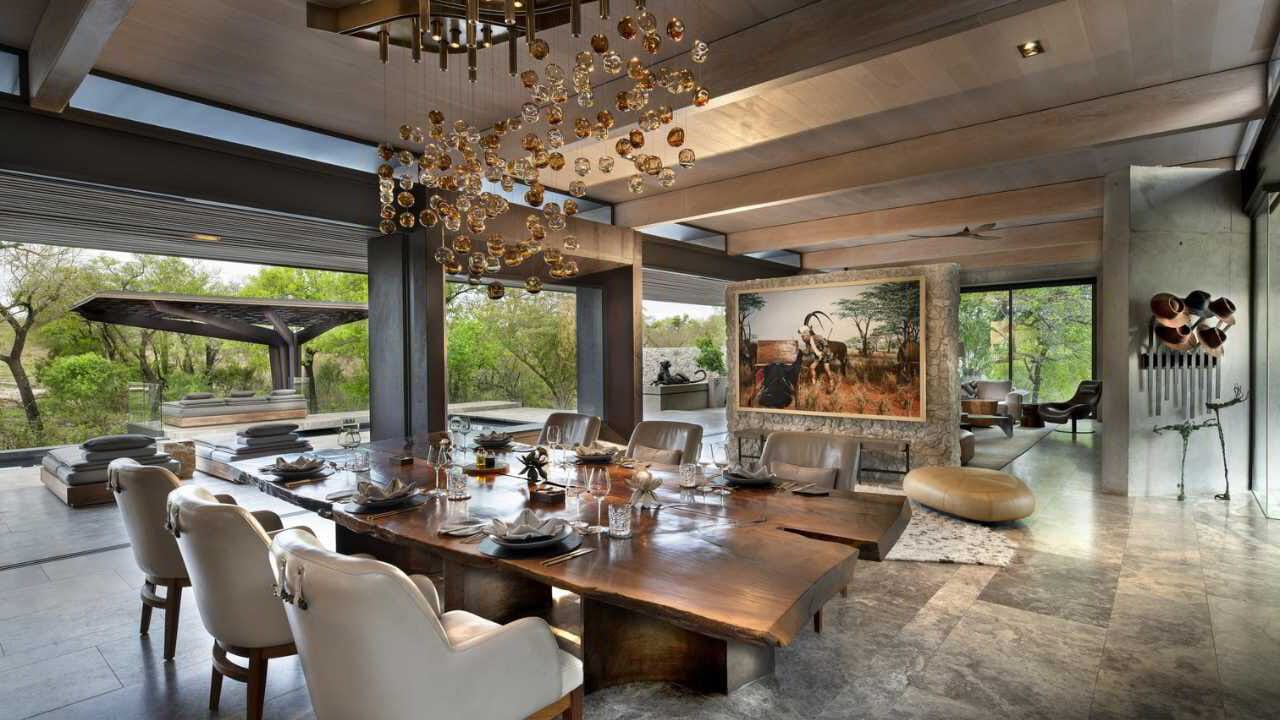
When everyone shares the same fire, the same coffee, the same lion at dawn, the family changes shape for a week.
Why multi-generational safaris are growing
Families are buying time together rather than another set of stamps in the passport. Three reasons sit underneath the trend.
The first is intentional travel. Fewer destinations, longer stays, more depth. Safaris suit this naturally because the days are slow and the wildlife rewards patience.
The second is privacy. Once a family hits five or six people, sharing a vehicle with another couple stops being charming and starts being constraining. Private villas solve this.
The third is conservation literacy. The next generation is more interested in how a place works than the one before it. A good guide and a good lodge teach that without it feeling like a lesson.
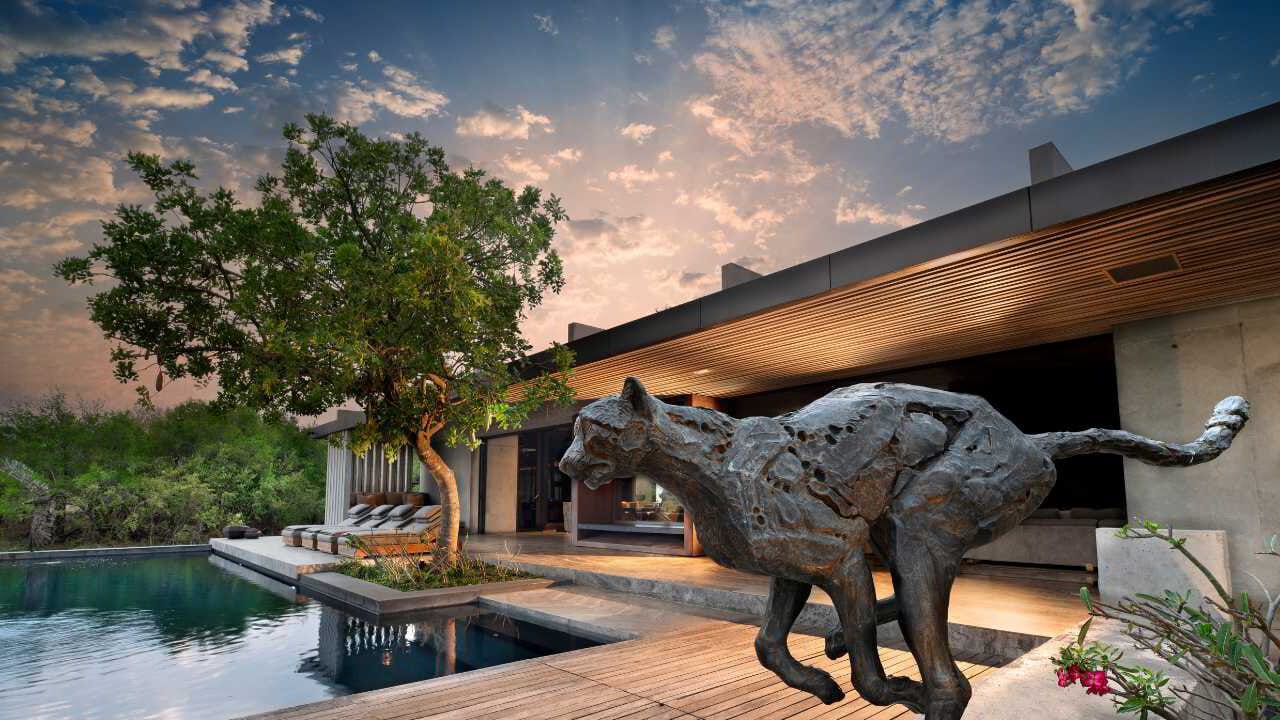
Why private villas and exclusive-use lodges work for families
Exclusive-use means you book the entire property. Two suites, four suites, six suites, whatever the villa sleeps, it is yours. No other guests. No shared deck. No queue for the espresso machine.
For a family of eight to twelve, this changes the trip in five concrete ways.
- Privacy. No strangers at sundowners. Conversations stay within the group.
- Pace. Game drives leave when you are ready. Lunch is at one or three or four.
- Private guide and vehicle. The guide gets to know the family over the week. The teenagers get the same tracker for ten days.
- Dining flexibility. A children's supper at six. A long adult dinner at eight. Both happen.
- Cost predictability. One rate covers the whole house, often with food, drinks, laundry, and activities included.
This is where the experience shifts from a structured holiday into something that feels more like staying at a friend's house. A friend with a private game reserve.
What works for families across age groups
A safari is one of the few luxury formats where a four-year-old, a fourteen-year-old, and a seventy-four-year-old can each have a great day from the same vehicle. Five things make that possible.
Shared experiences. A leopard kill, a herd of elephants crossing a riverbed, the first lion any of them has ever heard at night. These land at every age.
Space. Both physical and mental. Most safari days have built-in rest periods through the heat of the day. Grandparents nap. Children swim. Teenagers sleep until noon.
Education without the lesson. The right guide turns tracks in the sand into a story. We brief the lodge in advance about the ages on the trip and the level of detail each will want.
Comfort. Air conditioning, soft beds, fast wifi when you want it, and slow service when you do not. Modern safari villas are properly comfortable.
A real bedtime structure. The kitchen will plate a children's supper at five thirty. The grandparents can eat at seven. The adults can eat at eight thirty after the kids are down. We line that up before arrival.
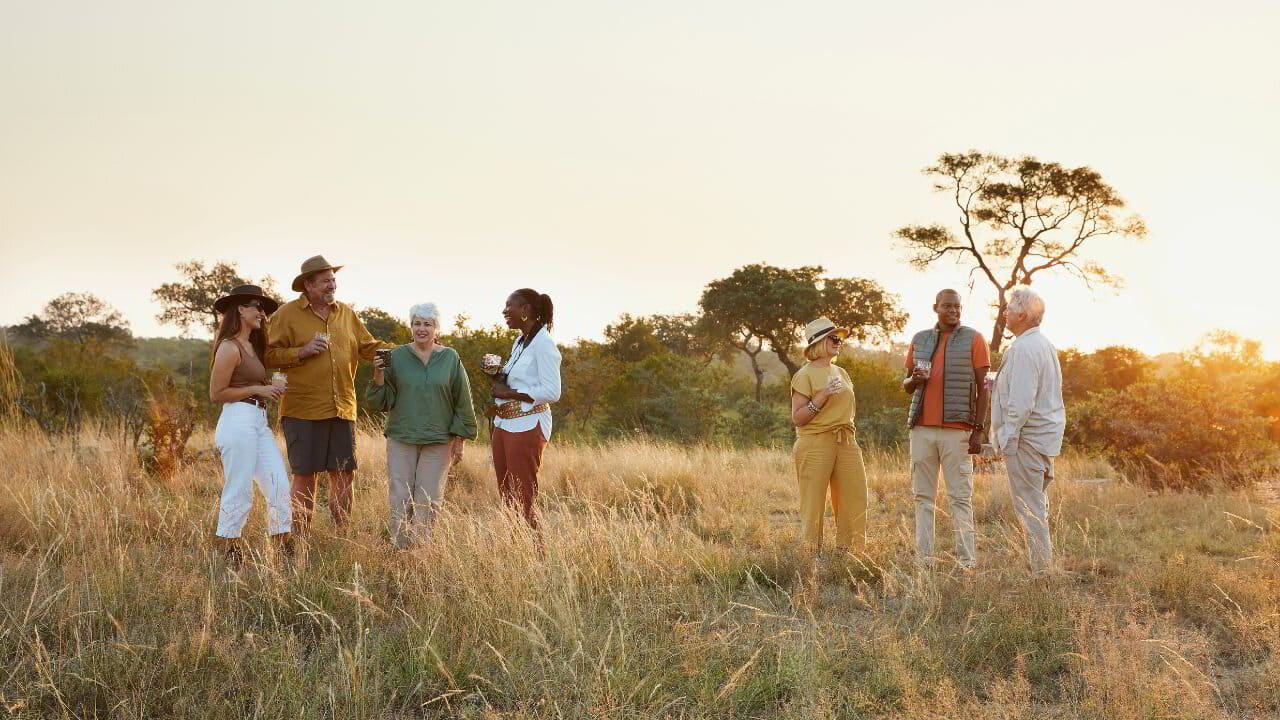
A villa is not a hotel suite with extra rooms. It is your house for the week, with your guide, your chef, your pace.
How to plan a multi-generational safari
Five decisions sit at the centre of every family safari brief we work on. Each one drives the rest of the itinerary.
1. Choose the right property
For a group of eight or more, a private villa or exclusive-use camp is almost always the right answer. For a group of four or five, a family-friendly lodge with adjoining suites can work, particularly if there is a children's programme on site. The layout matters more than the brand. We look at how the suites connect, where the pool sits, whether there is a separate child-friendly area, and how the lounge handles teenagers wanting their own space.
2. Pick the right country and reserve
South Africa, Botswana, and Kenya are the three countries we recommend most often for family travel. Each has reasons.
- South Africa. Malaria-free reserves like Madikwe and the eastern Cape are ideal for very young children. The Sabi Sand has the best Big Five viewing in the country and excellent family lodges. Direct flights from the UK and the US help. Read our guide to Sabi Sand.
- Botswana. Higher cost per night, lower density of vehicles, exceptional water-based experiences in the Okavango. Excellent for older children who can sit through three-hour boat trips. Botswana with kids works better than people expect.
- Kenya. Strong family infrastructure, classic plains-game viewing, the Mara migration in season. Cultural elements add a layer the other two cannot match.
If pricing is a deciding factor, we have written a separate piece on what a Botswana safari actually costs and another on what a luxury safari in South Africa runs to.
3. Get the timing right
Dry season is easier for game viewing because animals concentrate around water. Green season is cheaper, more dramatic, and better for photographers. For families with young children, we usually steer towards shoulder season. The weather is gentler and the camps are quieter. See our country-specific guides on when to go to Botswana, when to go to South Africa, and when to go to Namibia.
4. Build a flexible itinerary
Not every day needs to be a full game-drive day. Mix in a slow morning at the villa, a private bush brunch, a late afternoon swim, a children's tracking lesson with the guide, a fishing morning for the fishing-mad teenager. We map this out before the family arrives so the lodge can prepare.
5. Pack practically, not extensively
Most families overpack. Lodges launder daily and provide most of what guests forget. Our safari packing list covers what actually matters at each age group.
Frequently asked questions about multi-generational safaris
Are safaris suitable for children and older travellers?
Yes. Many lodges welcome children from age four upwards, and some take infants in family suites. Older travellers are very well looked after. Most lodges have step-free suites available, can arrange shorter game drives, and will accommodate dietary and medical requirements with notice. We always brief the lodge on ages and any access needs before booking.
What is the best destination for a family safari in Africa?
For first-timers with young children, South Africa is usually the best option. It is malaria-free in the right reserves, easy to reach from the UK and the US, and the family lodge infrastructure is mature. For families with older children who want a more remote feel, Botswana and Kenya both work beautifully. We choose based on the ages, the time of year, and what the family wants the trip to feel like.
Do families need a private guide and vehicle?
For multi-generational groups of five or more, we strongly recommend it. A private vehicle costs more, but it allows the family to set its own pace, leave drives early when small children get tired, stay out longer when a sighting deserves it, and brief the guide on what each generation wants from the trip. On exclusive-use bookings, a private guide is usually included.
How long should a multi-generational safari be?
Seven to ten nights is the right length for most families. Three to four nights at one lodge or villa, then three to four at another, with a flight or transfer between. Less than five nights and the family has only just settled in when it is time to leave. More than ten and the youngest children start to flag. We can extend with city or beach time at either end.
How much does a multi-generational safari cost?
Pricing varies more widely than for couples travel because group size, lodge category, country, and season all matter. As a rough orientation, a private villa for eight in the Sabi Sand starts around 4-star plus pricing per person per night sharing and rises through 5-star and 5-star premium. A family of four to six staying in family suites at a 4-star plus lodge starts lower. We quote a full trip cost up front, all in.
What ages does a multi-generational safari work for?
Across our family bookings, we have travelled with infants, four-year-olds, teenagers, and grandparents in their late seventies and eighties. The trip is shaped to the youngest active member and the oldest active member, with everyone else fitting in between.
Related reading
- What a Botswana Safari Actually Costs
- Botswana With Kids: Why Families Keep Coming Back
- How We Plan a Luxury African Safari
- Sabi Sand or Kruger
- What to Pack for a Safari
- Three Generations in the Okavango

The future of family travel in Africa
Multi-generational safaris reflect a wider shift in how luxury travel is being bought. Connection over consumption. Time over distance. Space over schedule. The families coming to us now want to spend ten days in one or two extraordinary places with the people they love most, and they want everything else handled.
We agree with them.
Start with a conversation
Tell us who is travelling, the youngest age, the oldest age, and roughly when. We come back with a shortlist of villas and exclusive-use lodges that match the brief, a draft itinerary, and a fully costed budget. No call needed until you have the document in front of you.
If this resonated
The bush has been expecting you
Start with a conversation. We will ask what makes you want to wake up at four-thirty, and build from there.
Begin a conversation
Royal Malewane reopens: what we remember, and what the fact sheet confirms
The original Royal Portfolio property is back after months behind scaffolding. We haven't seen it yet. Here is what we know anyway.

We run on solar and we have not printed since 2019
Vikki and Sian on solar power, paper, and what a small safari company can honestly claim.

Sandringham Private Game Reserve: should you go early, or wait?
Greater Kruger's newest reserve opens in August 2026. Our honest take on who should book Sandringham early, and who should give it a few seasons.

The packing guide
What to bring on safari, what to leave at home, and the one thing no lodge can lend you. An honest packing list from the team in Hoedspruit.

How do you want to feel when you get home?
Why we plan safaris around how you want to feel when you get home, not around a pin on the map.

South Africa's online traveller declaration: what it means for your safari (and what it doesn't)
A five-minute customs form now stands between you and the arrivals hall. Here's what it is, who needs it, and what nothing to declare actually means for a normal safari guest.

Safari After Dark
Night drives reveal a different Africa. Quieter, older, more deliberate. Here's what we love about the bush after the sun goes down.

How we tailor every Marula Hill safari
We don't start with destinations. We start with you: your pace, your family, your idea of a good day in the bush.

When space teaches: what Saseka's refresh tells us about gathering in the bush
What a thoughtful safari lodge refresh tells us about gathering in the bush.

Inside FedAir's new Baobab lounge at Hoedspruit
The new Baobab lounge at Hoedspruit airport changes how a safari begins. Vikki Jackson on the room that holds you before the bush does.

How safari pricing actually works
From the people who build the quotes. What you are really paying for, where the money goes, and how to spend it well.

Monwana, and what coming home actually means
By Vikki Jackson and Sian Loehrer. A week at the Thornybush lodge that has built its whole identity around the word home, and what we found when we tested it against the room, the drives, the afternoons and the bill.

The Mozambique dhow: a slow boat at the end of a fast trip
Why we put a dhow afternoon into almost every Mozambique trip. Sail, salt water and the long breath out after safari.

Why we built the Antarctica page
A short note from Sian on why an African safari business added Antarctica to its destination map, and how we handle a trip neither founder has yet made.

Lion Sands Ivory Lodge. What their redesign gets right
I visited Lion Sands Ivory Lodge in the Sabi Sand. The redesigned spaces are quiet, bold, and rare. Here is what they got right.

Where the money actually goes on a luxury safari
A line-by-line look at what you're actually paying for on a luxury African safari — and what a quote that looks light is usually hiding.

Bazaruto vs Quirimbas: which Mozambique archipelago is right for you?
How to choose between Mozambique's two great archipelagos for a bush-and-beach trip. Geography, lodge feel, when to go.

Sabi Sand or Kruger
Two reserves, one fence line, very different mornings

What is the best month to visit Cape Town?
Cape Town rewards you differently in every season, but March to May is the window most of our clients come back to.

What Singita Lebombo's 2026 redesign tells us
Lebombo reopened March 2026 warmer, quieter, more art-led

Gorilla trekking, Uganda or Rwanda
Two countries, the same forest, two very different days

Do you need travel insurance for a safari
What safari travel insurance must cover, and why standard policies fall short

How two women from outside the travel industry built a luxury safari brand from Africa
We are the two women behind Marula Hill. One of us came from IBM, the other from MARS Southern Africa. Here is the long version of how a private safari business gets built from outside the travel industry.

Sole-use villa safaris in Africa
What sole-use villa safaris mean in practice, who they suit, and what to ask

Why Rwanda is the cleanest country in Africa
A plastic-bag ban from 2008. A mandatory community work morning on the last Saturday of every month. The system behind Rwanda's cleanliness, explained.