
Is a safari worth it? An honest answer
Honest answer for first-time safari travellers. What you actually get, when to go, and how to plan it well.

Yes. For most people who are seriously asking the question, the answer is yes. The reason is not lions or sundowners. The reason is what a week in the bush does to the way you think when you get home.
This is a Guide for first-time safari travellers. What you actually get, what it costs, when to go, and how to plan it well.
In short
- Average length: 5 to 10 nights, often split between 2 lodges
- Best months for first-timers: May to September (dry season, easier game-viewing)
- Cost band for ultra-luxury: roughly USD $1,500 to $4,000 per person per night, all-inclusive
- Where most first-timers start: South Africa (Sabi Sand) or Botswana (Okavango)
- Time you need to commit: 7 to 14 days door-to-door from most of the world
Why first-timers hesitate
The honest reasons we hear from clients before they book are mostly the same five. It feels expensive. It feels far. They are not sure they will see anything. They worry they will be uncomfortable. They wonder if it is overhyped.
All five are fair. Let us answer them in order.
What you actually pay for
A safari is not a hotel stay with game drives bolted on. It is a small-team operation in a remote place, run by people who live there year round.
When you pay $2,500 a night at a top-tier camp, you are paying for a private vehicle and guide for your party, two trained people on every drive, anti-poaching and conservation work funded by the bed, all food and drink and laundry and transfers, and access to a reserve with maybe 6 to 12 vehicles across 60,000 hectares. Strip those out and the price stops feeling abstract. It is funding a working ecosystem, not a stay.
Is the wildlife actually that good
In the right reserve at the right time, yes. We tell clients to think of it in two bands.
In the Sabi Sand, in Mala Mala, in Klaserie and Timbavati on the western edge of Kruger, and in Selinda and Linyanti up in northern Botswana, you will see leopard, lion, elephant, and buffalo inside three or four days. These reserves are dense with game and they have been managed for sightings for decades.
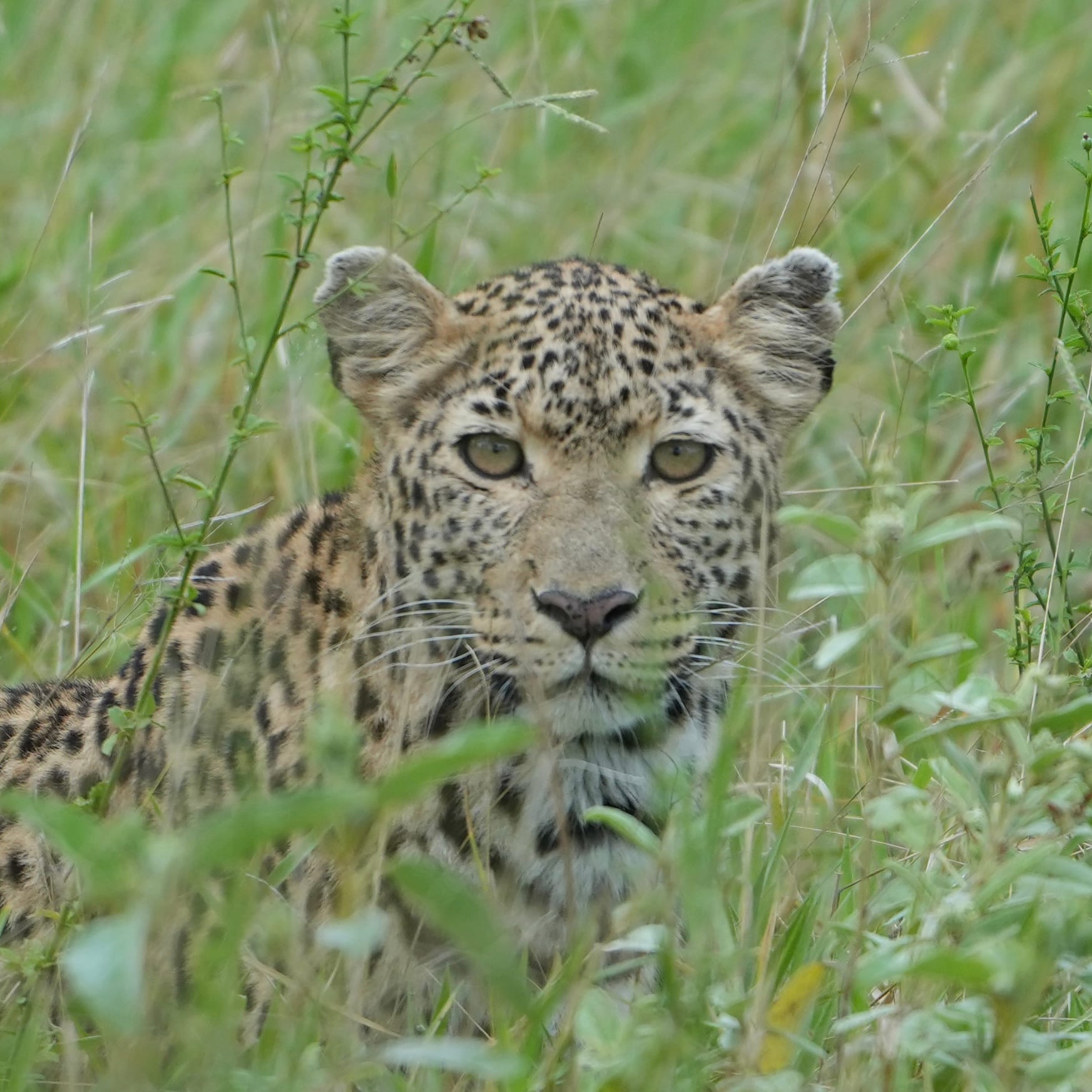
The other band is reserves where the experience is the landscape, the water, and the rare animals. The Okavango Delta in Botswana. South Luangwa in Zambia for walking safaris and leopards. Mana Pools in Zimbabwe for canoes and no fences. The northern Serengeti in Tanzania in the right months for the migration. The wildlife is still extraordinary, but the trip is shaped by the place as much as the species list.
A good planner places you where the wildlife matches what you came for. The reason most disappointing safaris happen is the wrong reserve for the traveller, not bad luck.
What it does to you
This is the part Google will not tell you.
Most clients come back saying the same things. They slept differently. They noticed colour again. They watched their children, or their partner, be still for an hour without a screen and realised that had not happened in a year.
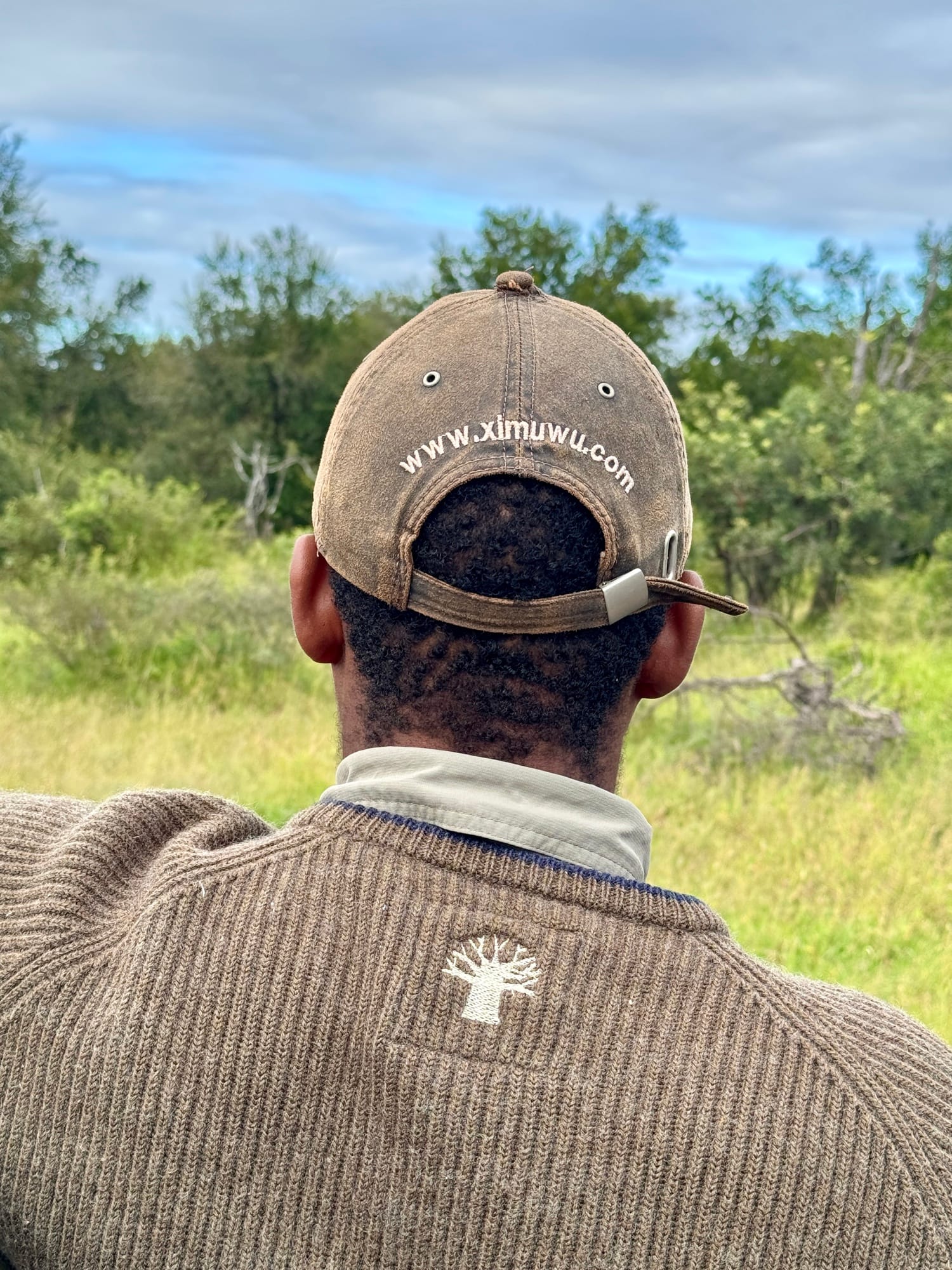
A safari is one of the few trips left where you cannot multitask. The drive starts at 5:30 in the morning. There is no phone signal in most reserves. You sit, and you look, and you wait. The animals do not perform on a schedule. You learn to hold attention.
That is the part people remember six months later. Not the leopard.
Best months to go (and when to avoid)
The dry season runs May to October. Animals concentrate at water, bush thins out, sightings get easier, mornings are cool and afternoons warm. Prices climb, especially July to September.
The green season runs November to April. Prices drop. Newborn animals arrive. The light is dramatic and the sky is lush. Sightings get harder in the thick bush, and some camps in the deep delta or remote Zambia close entirely.
For a first-timer wanting confidence, May, June, September and October are the sweet spots. Strong game-viewing, milder pricing than peak July-August, fewer crowds.
How long should a first safari be
Two-camp trips of 6 to 8 nights are the standard we recommend. Three nights at one camp, four at another.
Two camps gives you different scenery and different specialities (Sabi Sand leopards plus Okavango water, for example), it shows you the variety the country actually offers, and travel days between camps are easy – a single light-aircraft hop.
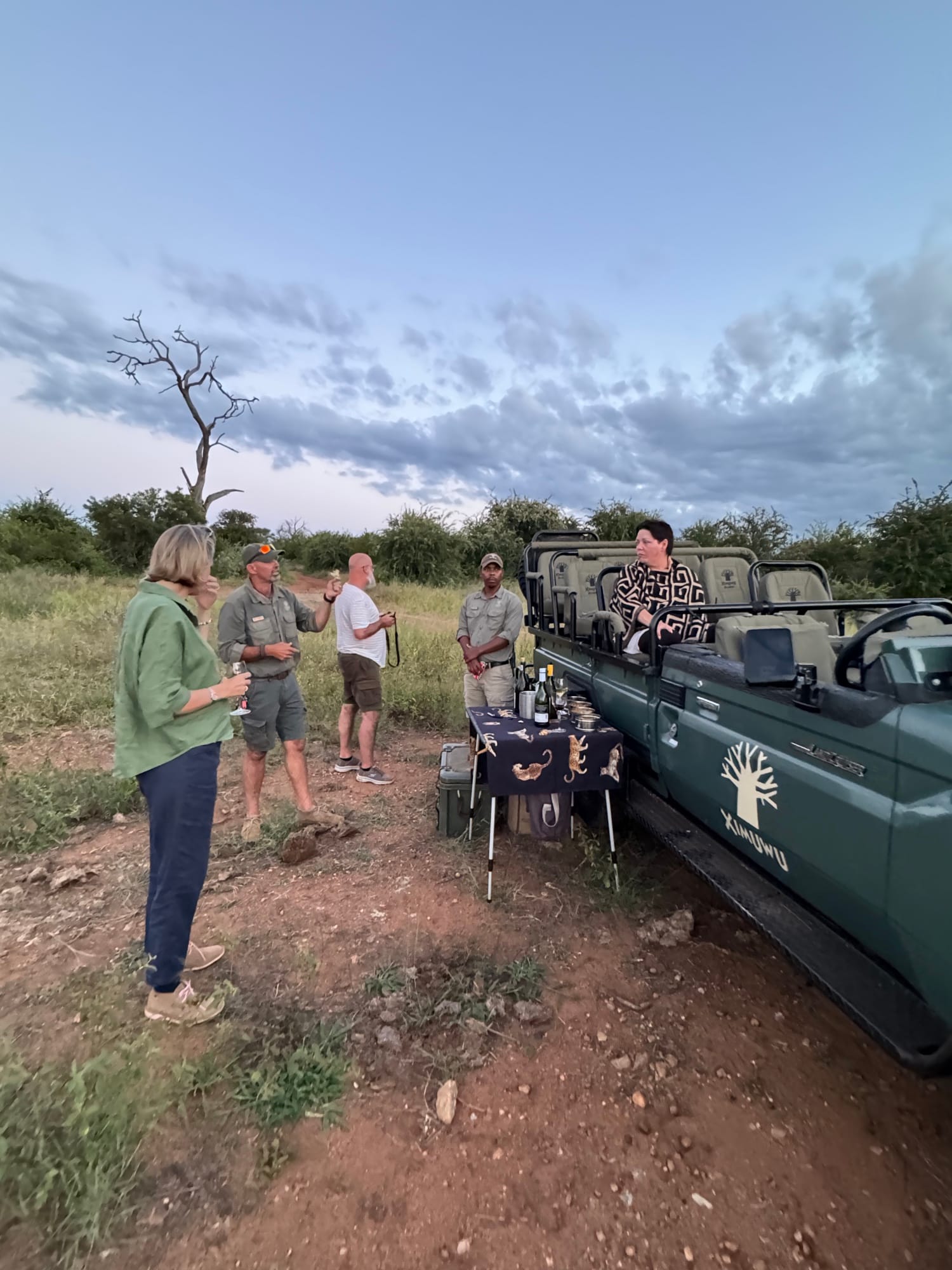
One camp for 5 nights works if you are short on time or you want depth in one place. We rarely recommend more than 3 camps on a first trip. Logistics start to outweigh the experience.
Common mistakes first-timers make
The pattern is consistent. People book the lodge name they recognise, then realise it does not match what they actually wanted. They choose the wrong month for the wrong reserve – Botswana water is best August to October, not February. They stack too many camps, three or more in seven nights, and lose half the trip to transfers. They underestimate internal flight times and connection logistics. And they skip a planner and learn all of the above the hard way.
The last one is the expensive one.
Why now matters
Two reasons we tell every client who is on the fence.
Reserve access is getting harder. The most-loved camps in Sabi Sand, the Okavango, and the northern Serengeti are booking 12 to 18 months out for the dry season. The window between thinking about it and going has stretched.
The properties are getting better too. Lodge design is in a strong phase right now. Ivory Lodge, Tswalu, and Mombo have all reopened in the last 18 months with thoughtful redesigns. There has rarely been a better moment to see what a top-end safari lodge can be.
How we plan a first safari
Our process for first-timers is short on purpose.
- A 30-minute call. We ask what you want from the week, not where you want to go.
- We come back with two route options. One safe, one slightly more interesting.
- You pick, we hold the camps, you confirm within 7 days.
- We handle the internal flights, transfers, and any add-ons.
We work only with lodges we know personally or through trusted partners on the ground. Where we have not stayed somewhere ourselves, we will tell you, and we will not put it on your route unless we have current, first-hand intelligence on it. That is the whole reason we exist. If you are weighing up a first safari, start a conversation with us and we will tell you honestly whether now is the right moment for the trip you have in mind.
FAQ
Is a safari worth it for first-time travellers?
For most people, yes. The wildlife is the headline, but the real value is what a week without signal in a wild place does to the way you think. You leave less reactive than you arrived. That is hard to find elsewhere.
How much does a luxury safari cost for two people?
A 7-night ultra-luxury safari for two typically lands between $40,000 and $70,000 all-in, including internal flights. Senior luxury sits closer to $25,000 to $40,000. International flights are separate.
When is the best time to go on a first safari?
May, June, September and October. Strong dry-season game-viewing, slightly milder pricing than peak July-August, and fewer crowds than the high-summer migration window in East Africa.
Where should a first-time safari traveller go?
South Africa's Sabi Sand for reliable Big Five and leopards, or Botswana's Okavango Delta for water-based wildlife. Many clients combine the two on a 7-night, two-camp trip.
Is one safari lodge enough, or should I do two?
Two camps for 6 to 8 nights is the standard we recommend for first-timers. You see more variety and travel days between camps are short. Three or more camps usually adds friction without adding value on a first trip.
Are safaris safe?
Yes. The lodges and reserves we work with have strong safety records. Guides are trained, vehicles are tracked, and clients are briefed on what to do and not do around wildlife. Malaria is a real consideration in some regions and easily managed with prophylactics.
Will I see the Big Five?
In a top-tier reserve in dry season, almost certainly. Sabi Sand and Mala Mala in South Africa have the highest Big Five success rates for short stays. We can also build around what you actually want to see, which is sometimes wild dogs, cheetah, or the migration, not the Big Five.
Sian Loehrer is co-founder of Marula Hill Travel. We plan boutique safaris across South Africa, Botswana, Zambia, Zimbabwe, Kenya, Tanzania, Rwanda, Uganda, Namibia, and Mozambique. We work only with lodges we know personally or through trusted partners.
If this resonated
The bush has been expecting you
Start with a conversation. We will ask what makes you want to wake up at four-thirty, and build from there.
Begin a conversation
Royal Malewane reopens: what we remember, and what the fact sheet confirms
The original Royal Portfolio property is back after months behind scaffolding. We haven't seen it yet. Here is what we know anyway.

We run on solar and we have not printed since 2019
Vikki and Sian on solar power, paper, and what a small safari company can honestly claim.

Sandringham Private Game Reserve: should you go early, or wait?
Greater Kruger's newest reserve opens in August 2026. Our honest take on who should book Sandringham early, and who should give it a few seasons.

The packing guide
What to bring on safari, what to leave at home, and the one thing no lodge can lend you. An honest packing list from the team in Hoedspruit.

How do you want to feel when you get home?
Why we plan safaris around how you want to feel when you get home, not around a pin on the map.

South Africa's online traveller declaration: what it means for your safari (and what it doesn't)
A five-minute customs form now stands between you and the arrivals hall. Here's what it is, who needs it, and what nothing to declare actually means for a normal safari guest.

Safari After Dark
Night drives reveal a different Africa. Quieter, older, more deliberate. Here's what we love about the bush after the sun goes down.

How we tailor every Marula Hill safari
We don't start with destinations. We start with you: your pace, your family, your idea of a good day in the bush.

When space teaches: what Saseka's refresh tells us about gathering in the bush
What a thoughtful safari lodge refresh tells us about gathering in the bush.

Inside FedAir's new Baobab lounge at Hoedspruit
The new Baobab lounge at Hoedspruit airport changes how a safari begins. Vikki Jackson on the room that holds you before the bush does.

How safari pricing actually works
From the people who build the quotes. What you are really paying for, where the money goes, and how to spend it well.

Monwana, and what coming home actually means
By Vikki Jackson and Sian Loehrer. A week at the Thornybush lodge that has built its whole identity around the word home, and what we found when we tested it against the room, the drives, the afternoons and the bill.

The Mozambique dhow: a slow boat at the end of a fast trip
Why we put a dhow afternoon into almost every Mozambique trip. Sail, salt water and the long breath out after safari.

Why we built the Antarctica page
A short note from Sian on why an African safari business added Antarctica to its destination map, and how we handle a trip neither founder has yet made.

Lion Sands Ivory Lodge. What their redesign gets right
I visited Lion Sands Ivory Lodge in the Sabi Sand. The redesigned spaces are quiet, bold, and rare. Here is what they got right.

Where the money actually goes on a luxury safari
A line-by-line look at what you're actually paying for on a luxury African safari — and what a quote that looks light is usually hiding.

Bazaruto vs Quirimbas: which Mozambique archipelago is right for you?
How to choose between Mozambique's two great archipelagos for a bush-and-beach trip. Geography, lodge feel, when to go.

Sabi Sand or Kruger
Two reserves, one fence line, very different mornings

What is the best month to visit Cape Town?
Cape Town rewards you differently in every season, but March to May is the window most of our clients come back to.

What Singita Lebombo's 2026 redesign tells us
Lebombo reopened March 2026 warmer, quieter, more art-led

Gorilla trekking, Uganda or Rwanda
Two countries, the same forest, two very different days

Do you need travel insurance for a safari
What safari travel insurance must cover, and why standard policies fall short

How two women from outside the travel industry built a luxury safari brand from Africa
We are the two women behind Marula Hill. One of us came from IBM, the other from MARS Southern Africa. Here is the long version of how a private safari business gets built from outside the travel industry.

Sole-use villa safaris in Africa
What sole-use villa safaris mean in practice, who they suit, and what to ask

Why Rwanda is the cleanest country in Africa
A plastic-bag ban from 2008. A mandatory community work morning on the last Saturday of every month. The system behind Rwanda's cleanliness, explained.