
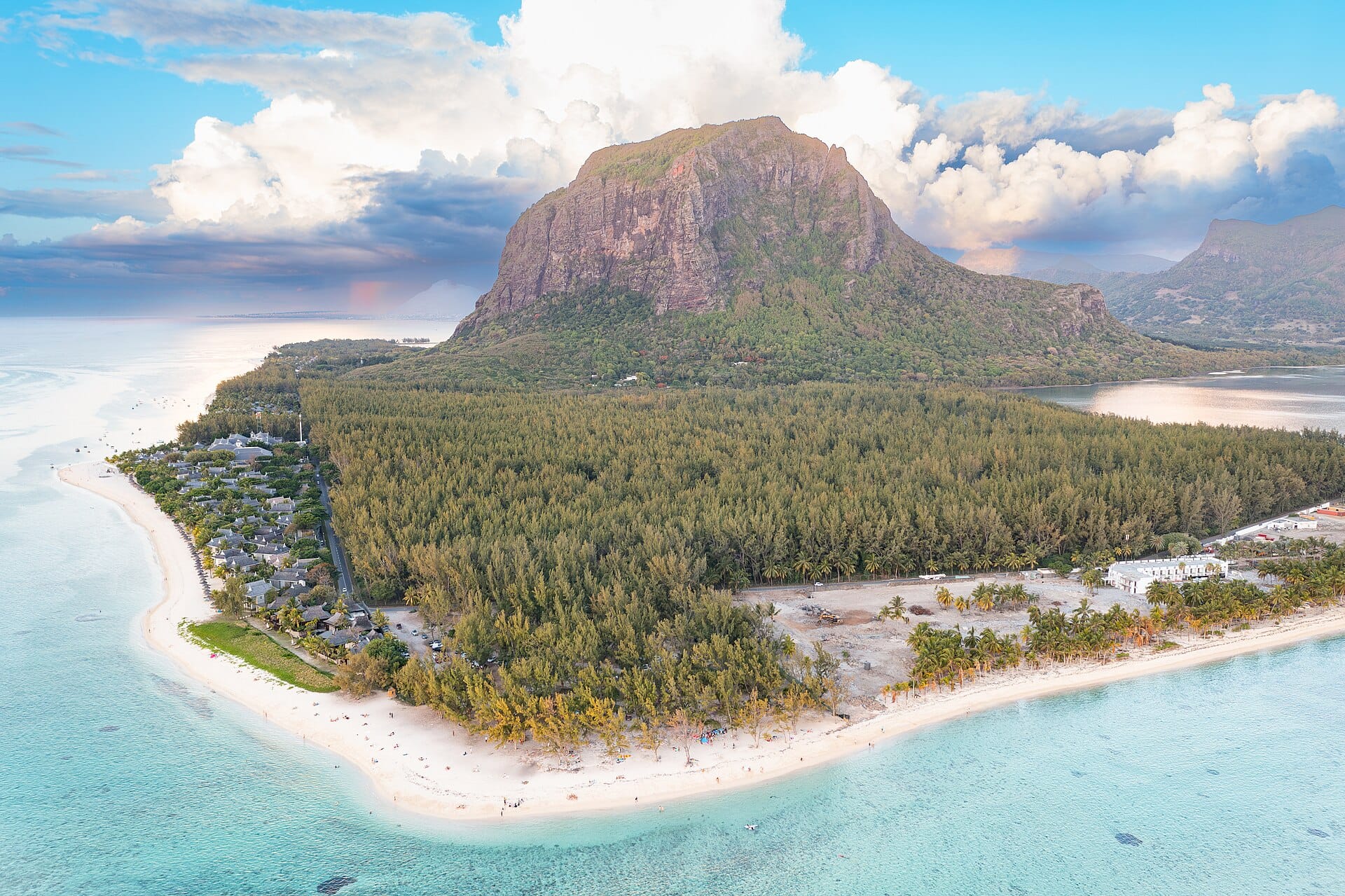
01 · The classic SA finish
Mauritius
The classic finish for SA and Botswana safaris. Reached from Johannesburg. Comfort, cuisine, beach, without the remoteness of the Maldives. Five to seven nights.
Indian Ocean Islands Travel Guide
Six islands in one ocean. Each one different.
Why the islands
The Indian Ocean is enormous and the islands across it share almost nothing. Mauritius is busy and well-developed, with Indian, French, and Creole cultures running through every meal. The Maldives is a scatter of nearly twelve hundred low coral islands, almost entirely resort-based, with a thirty-minute flight between the airport and your villa. Seychelles is an archipelago of granite and jungle, far quieter than its reputation suggests. Zanzibar is the spice island off the Tanzanian coast, where Stone Town's history sits an hour from white sand and coral.
Réunion sits south, beyond Mauritius, and looks nothing like the others. Volcanic, mountainous, French. People go there to hike. Madagascar is its own continent in miniature, with lemurs, baobabs, and a coastline most travellers never reach. We send small numbers there, mostly for the wildlife and the sense of being somewhere properly different from anywhere else on earth.
The connection to the safari is the point. Direct or single-stop flights from Nairobi, Dar es Salaam, Johannesburg and Cape Town reach every one of these islands. Mauritius is an easy flight from Johannesburg, and the Maldives connects through the Gulf. The transition from dust to ocean happens in a single morning. South Africa to Mauritius. Tanzania to Zanzibar. Kenya to the Maldives. The order matters. The bush, then the sea.
Most clients pick one island. A few combine two on longer trips. We have never sent anyone to all six in a single visit and we would gently push back if you asked. The flying eats the holiday and the variety stops being valuable. Five to seven nights on one island, at the end of a safari, is almost always the right shape.
What this country does best
Direct or single-stop flights from Nairobi, Dar es Salaam, Johannesburg and Cape Town reach every one of these islands. Mauritius is an easy flight from Johannesburg. The transition from dust to ocean happens in a single morning.
These islands get lumped together but they share almost nothing. Mauritius is European and busy. The Maldives is engineered for stillness. Seychelles is granite and rainforest. Zanzibar is markets and dhows. Réunion is hiking. Madagascar is wildlife. We pick the one that fits the safari you have just done.
If you have come from a five-star camp in the Mara, you can match that tier here. The flagships of the Maldives, North Island in Seychelles, the Mauritius flagships. There is no drop-off in service when you cross to the ocean.
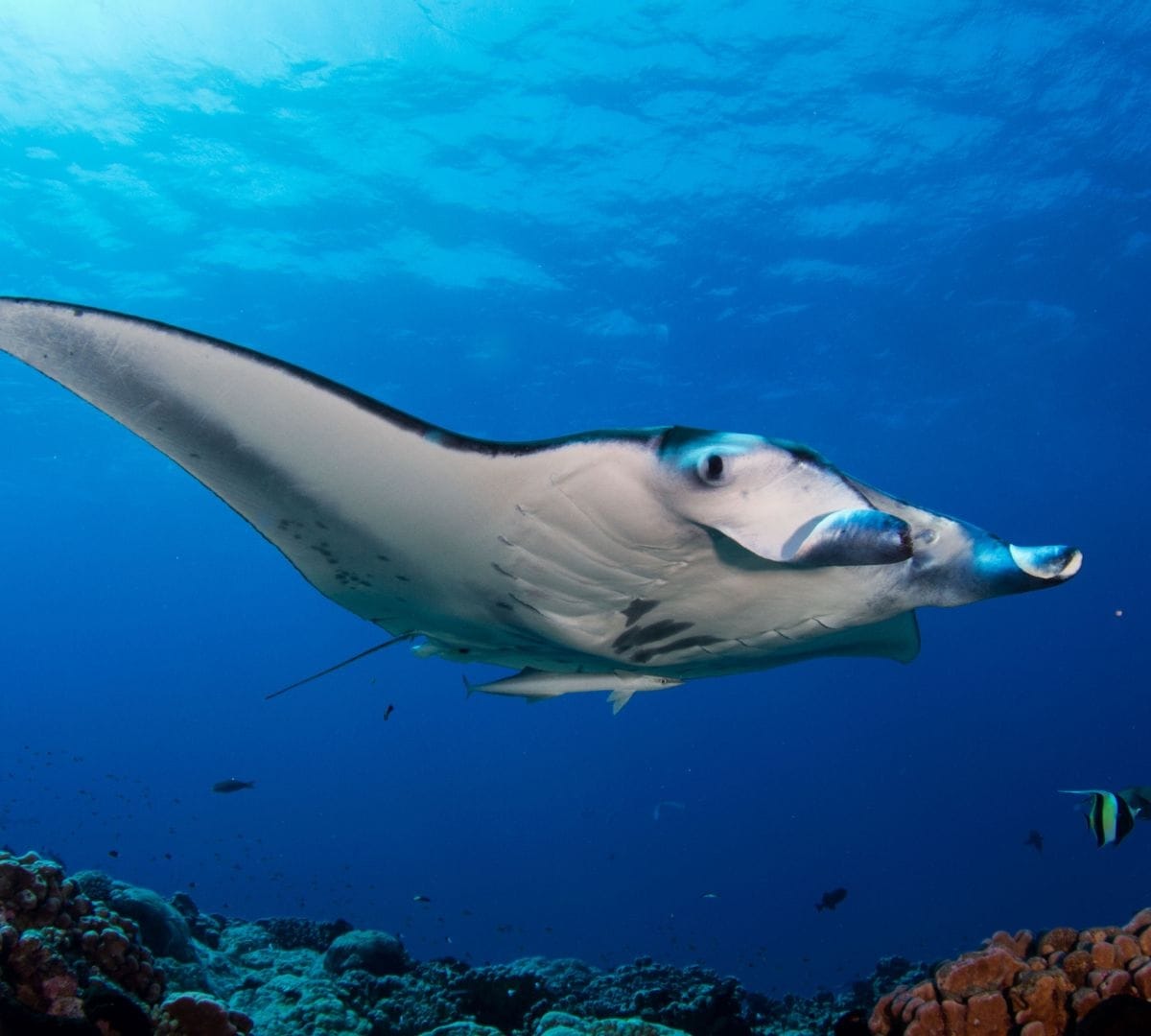
Manta rays and whale sharks in the Maldives. Coral wall dives off Mnemba in Zanzibar. Reef fish in Seychelles. The Indian Ocean is one of the best diving regions on the planet, and most safari travellers leave it off their itinerary entirely. We think that is a shame.
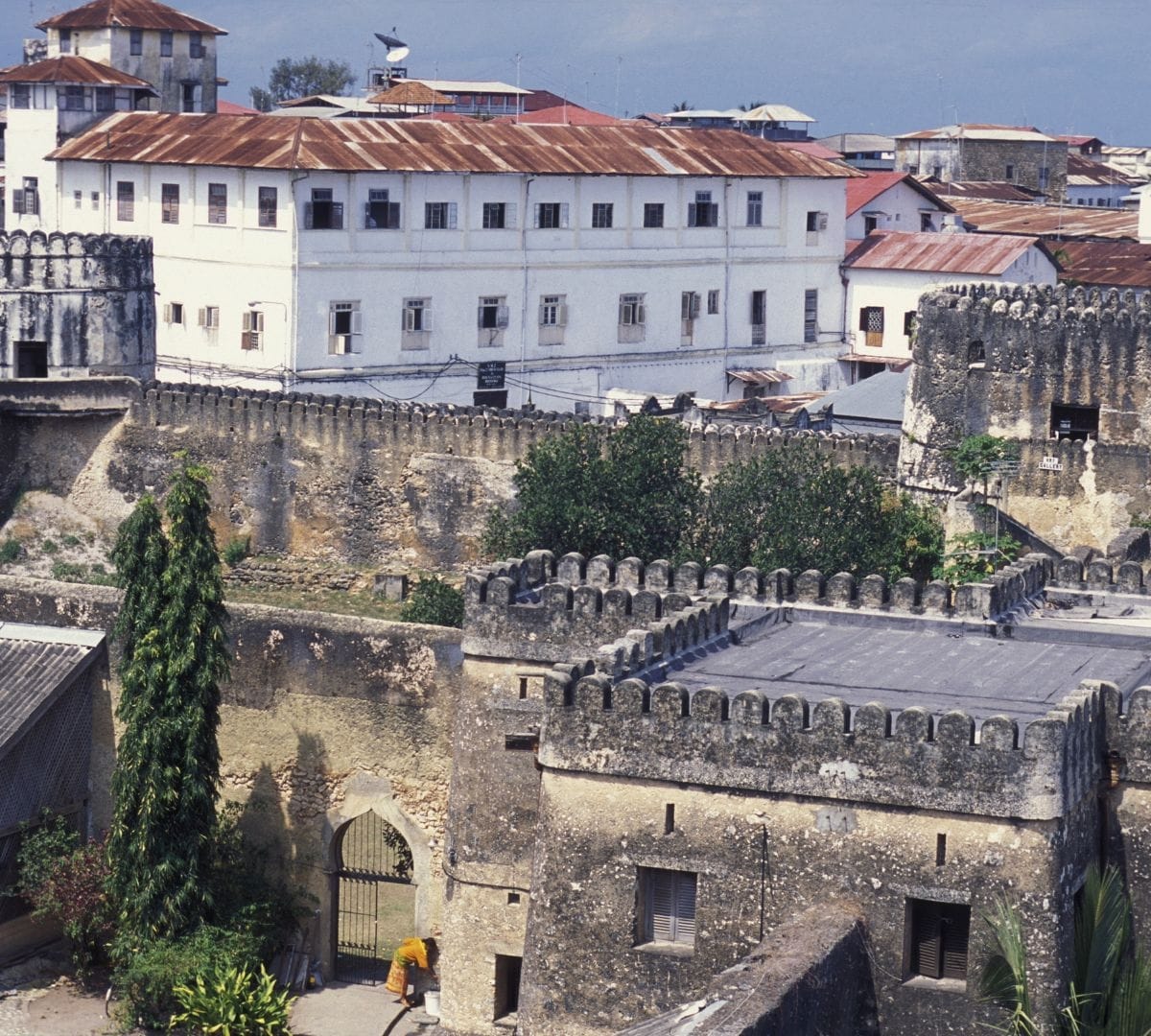
Stone Town in Zanzibar is a UNESCO site and one of the most layered urban places in east Africa. Mauritius has a sega music tradition that goes back centuries. Madagascar is roughly four hundred ethnic groups in one place. The islands are not just beach. We build in time for it.
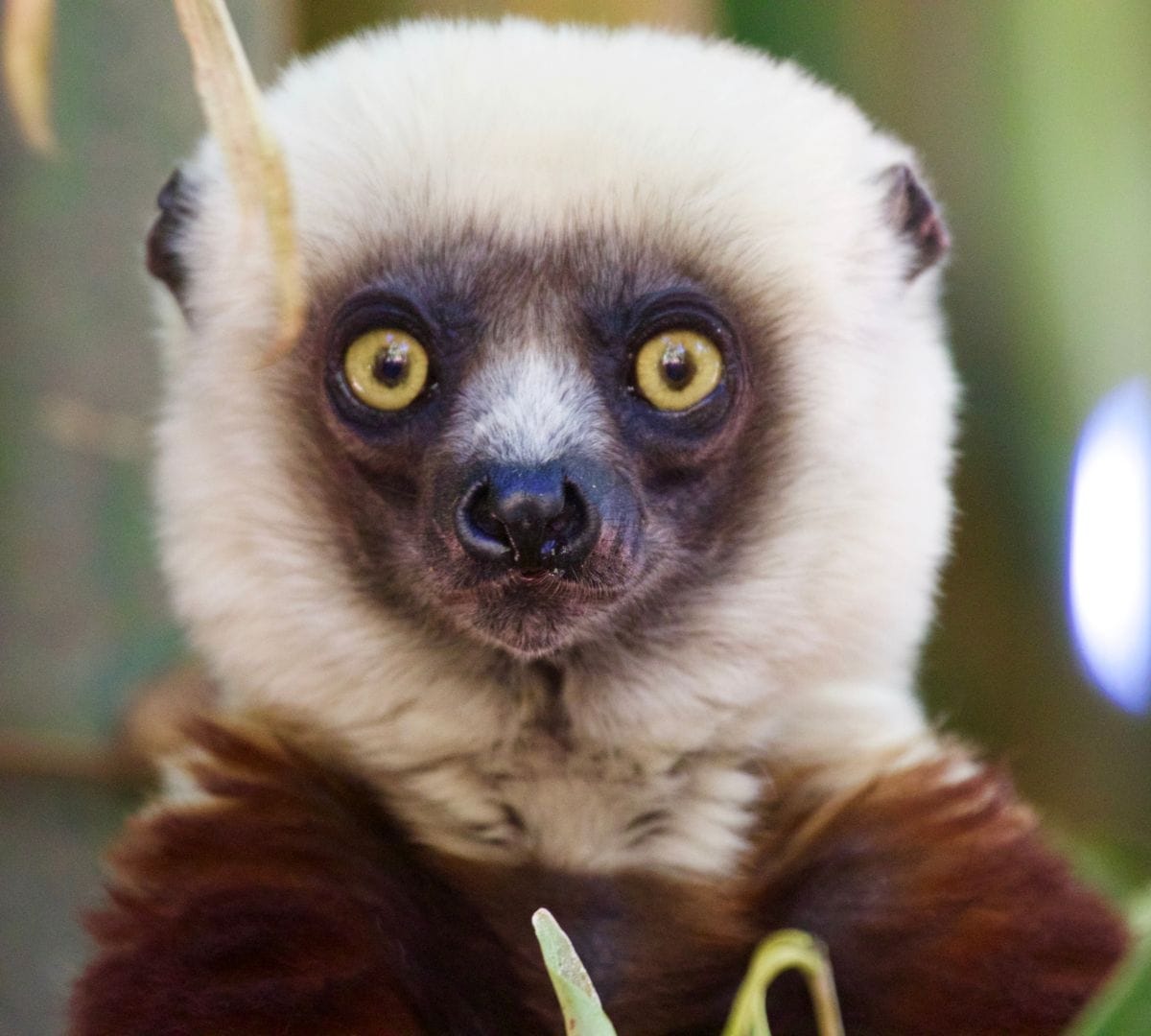
There are about a hundred and ten species of lemur and they live nowhere else. Andasibe-Mantadia, Anjajavy and Berenty are the three places we send people for them. The wildlife is good enough that the island can be the trip rather than the finish.
Where, specifically
01 · The classic SA finish
The classic finish for SA and Botswana safaris. Reached from Johannesburg. Comfort, cuisine, beach, without the remoteness of the Maldives. Five to seven nights.
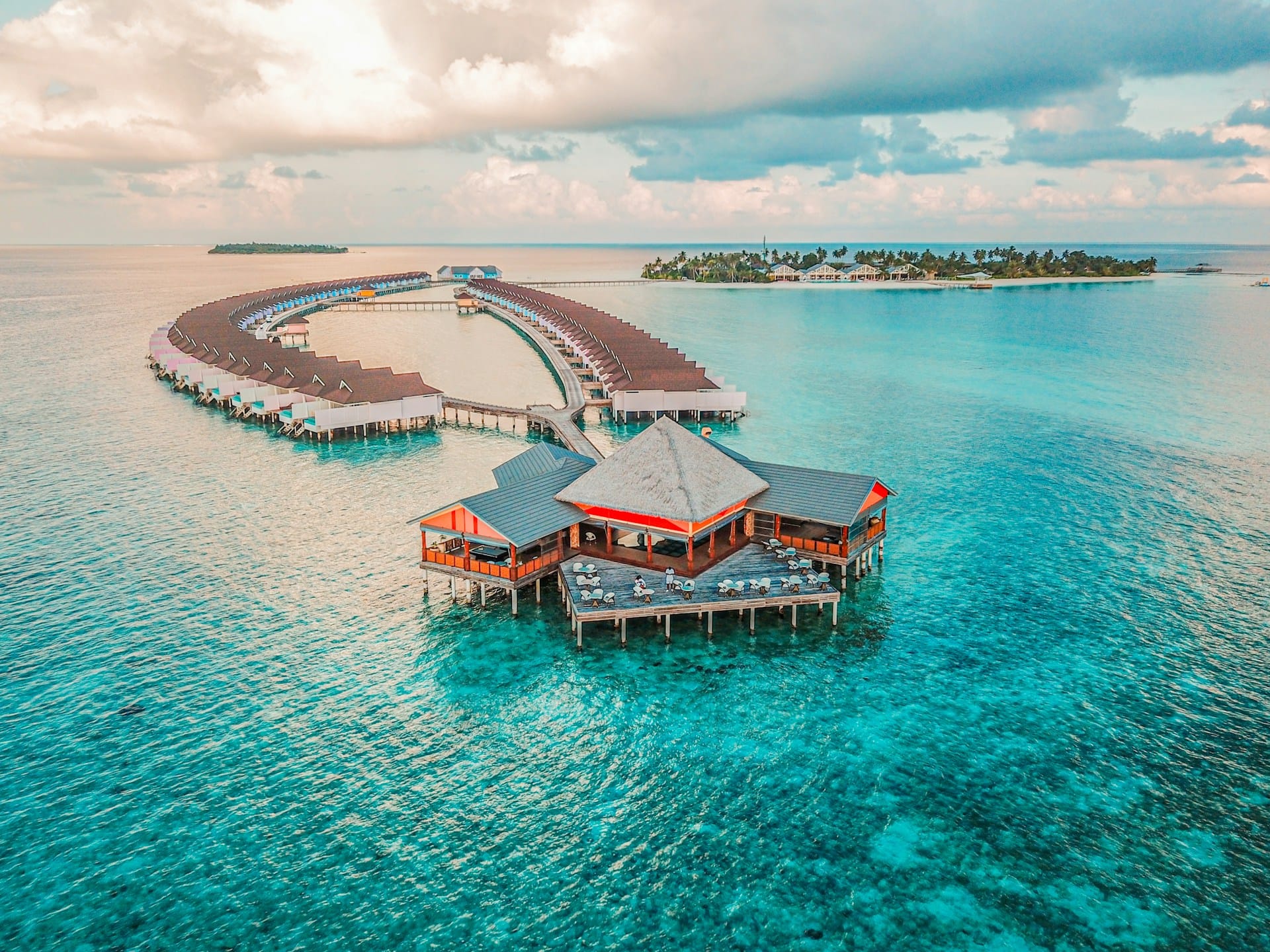
02 · The East African pairing
Nearly twelve hundred low coral islands. The natural finish for Kenya and Tanzania safaris, with connections through Nairobi or the Gulf. Masai Mara dust to overwater villa in two flights.
03 · The granite archipelago
One hundred and fifteen islands, granite at the inner circle and coral beyond, covered in dense jungle. Strict planning controls keep it quiet. North Island, Frégate and Denis are the private flagships.
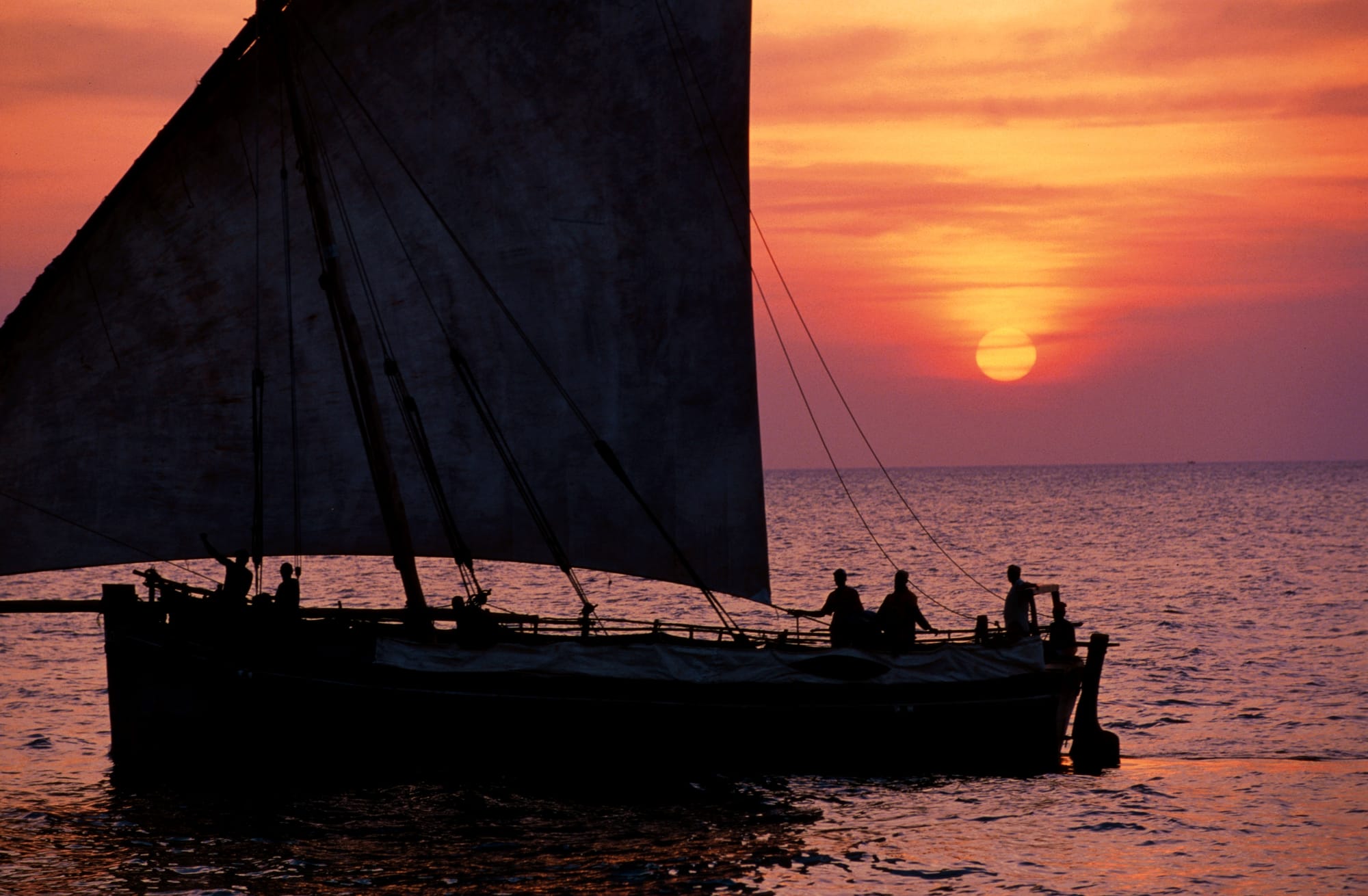
04 · The Tanzania finish
The natural finish for a Tanzania safari. Twenty minutes by air from Arusha or Dar es Salaam. Stone Town first, then four or five nights on the coast. Mnemba Atoll at the top end.
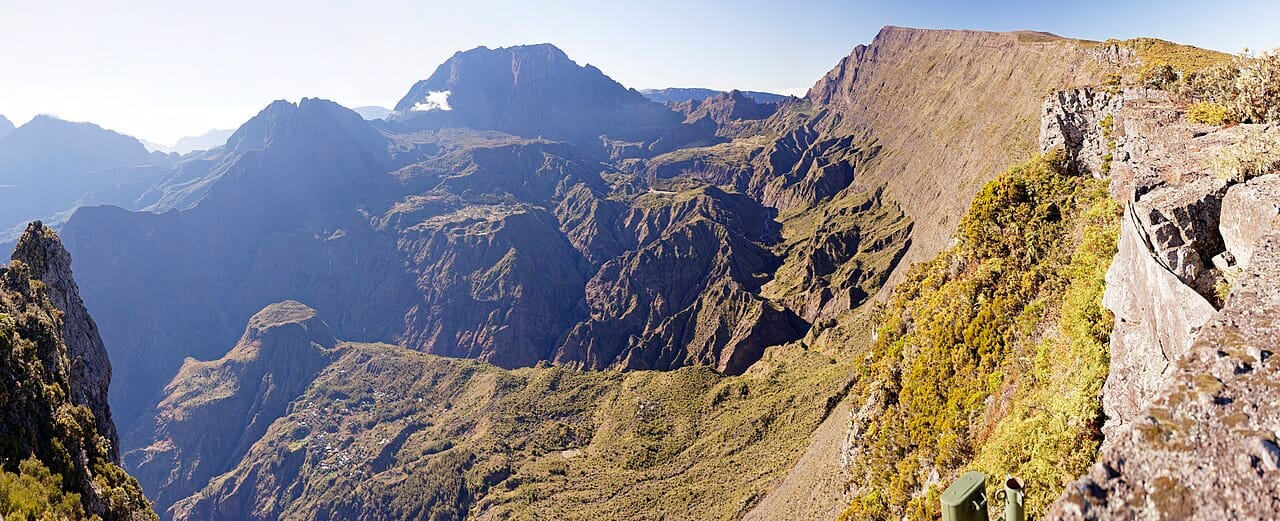
05 · The volcanic outlier
The volcanic French outlier, one hour east of Mauritius. Mountains and craters, not beach. People walk. Best paired with Mauritius for travellers who want both polish and proper hiking.
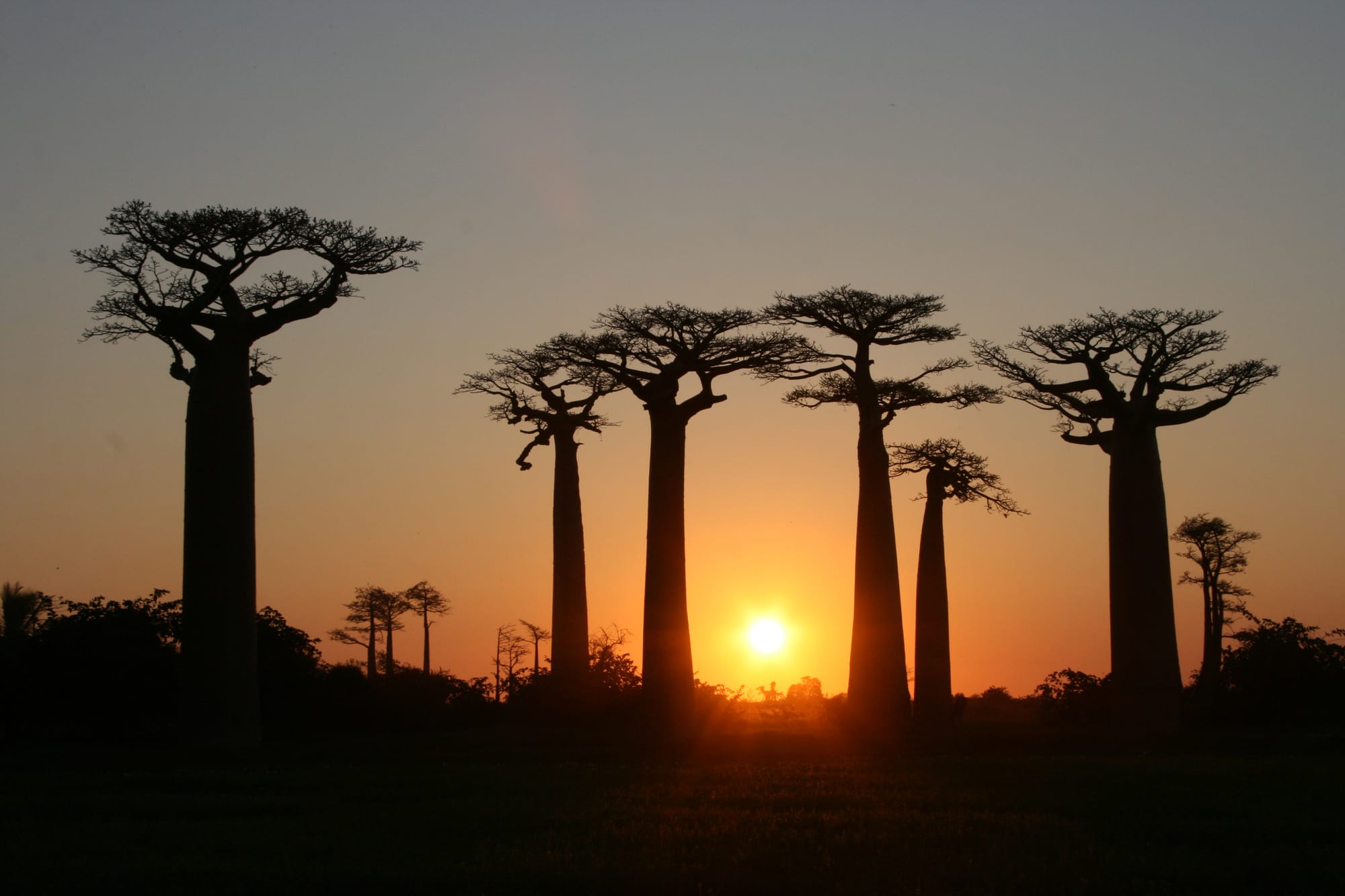
06 · The wildlife island
The fourth-largest island in the world, a wildlife destination on its own. Lemurs that live nowhere else. Often a week or two, sometimes paired with a few calmer Mauritius nights for beach.
01 · The classic SA finish
The classic finish for South African and Botswana safaris. Reached from Johannesburg. A culturally layered country where Indian, French, Creole and Chinese influences run through every meal. The west and north coasts hold the calmest lagoons. Le Morne in the south-west is the most photographed corner. For travellers who want comfort, cuisine and beach without the remoteness of the Maldives or the granite isolation of Seychelles. Five to seven nights is the right length, on a single resort.
02 · The East African pairing
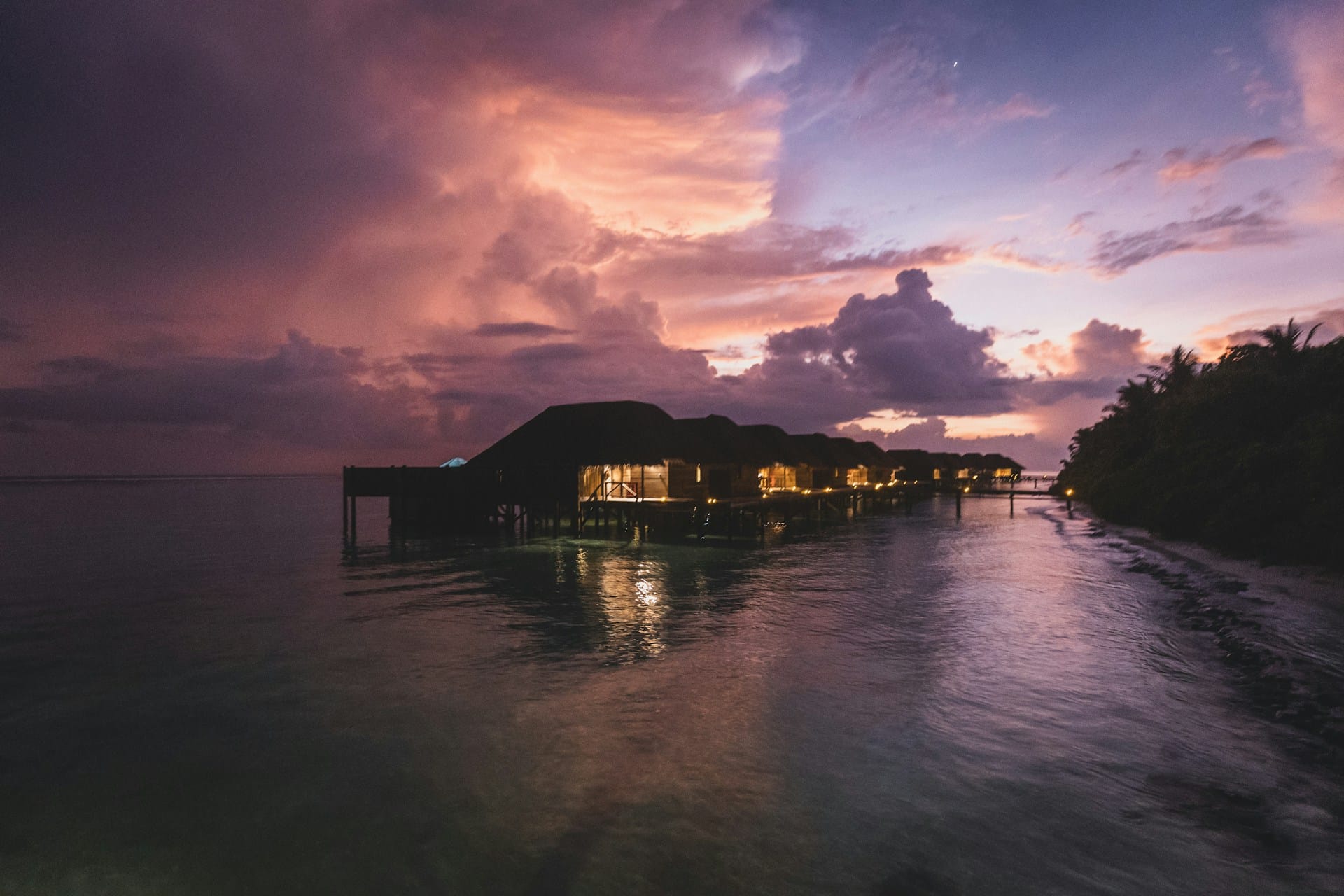
Nearly twelve hundred low coral islands engineered for stillness on water. The natural finish for Kenya and Tanzania safaris, with connections through Nairobi or the Gulf. Fly into Malé, then a seaplane or speedboat to the resort. North and South Ari Atoll for whale sharks. Baa Atoll for manta rays at Hanifaru reef. The peak diving window runs December to April, an inversion of the rest of the region. The most extreme contrast you can build into a trip: Masai Mara dust to overwater villa in two flights.
03 · The granite archipelago
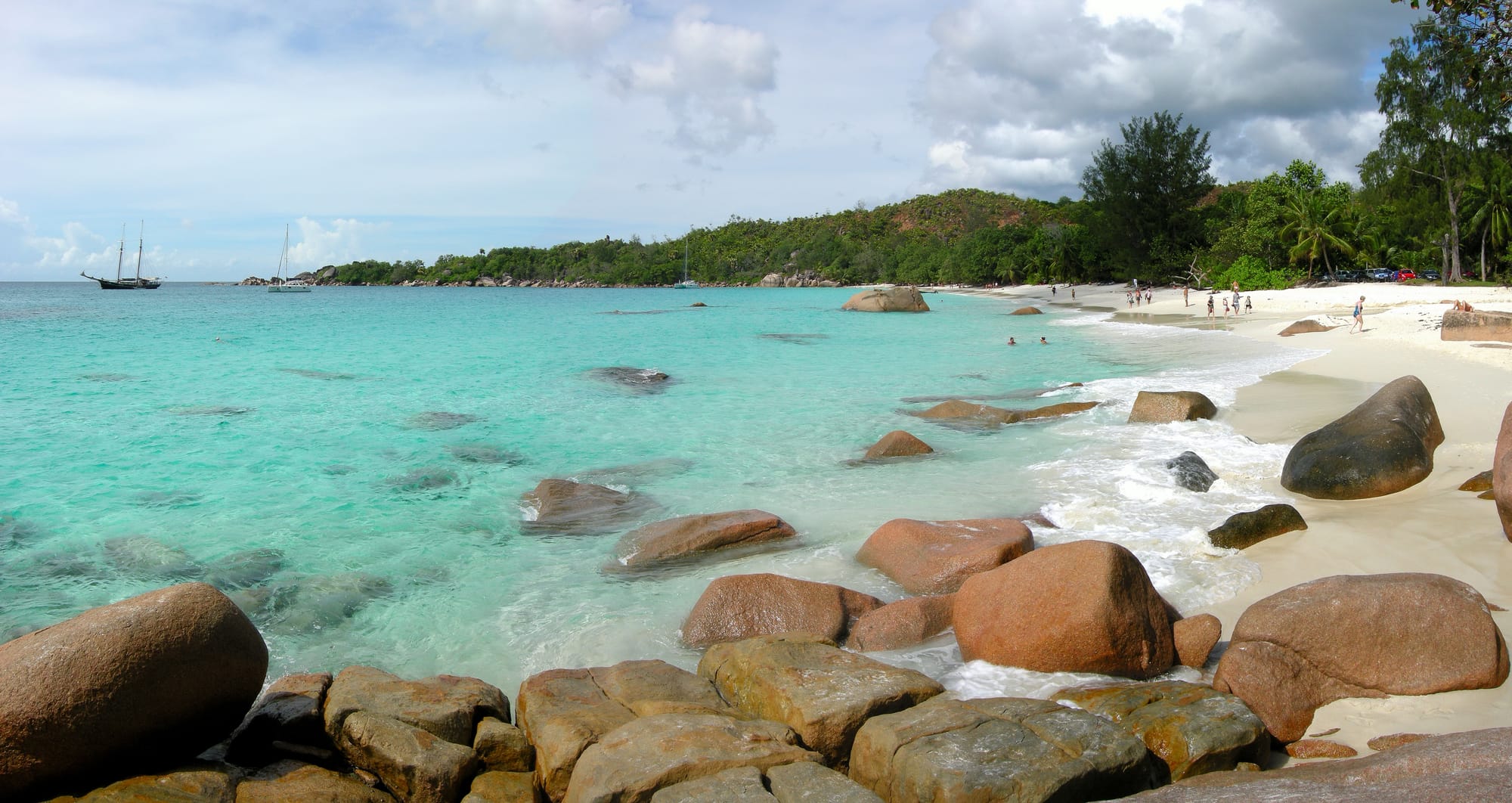
One hundred and fifteen islands, granite at the inner circle and coral beyond, covered in dense jungle. Strict planning controls keep visitor numbers low and the country quieter than its reputation. Mahé is the hub. Praslin and La Digue are close. The Inner Islands sit within easy reach of Mahé, the Outer Islands (Aldabra, Desroches, Alphonse) are properly remote and reached by light aircraft. North Island, Frégate and Denis are the private flagships. For travellers who want jungle, beach and privacy at once.
04 · The Tanzania finish
The natural finish for a Tanzania safari. Twenty minutes by air from Arusha or Dar es Salaam. Stone Town is a UNESCO site and one of the most layered urban places in east Africa. The east coast (Matemwe, Pongwe, Michamvi) has the best snorkelling. The north (Nungwi, Kendwa) has the calmest lagoons. Mnemba Atoll is the private island at the top end. We almost always pair Zanzibar with at least one night in Stone Town first, then four or five on the coast. Cultural finish first, beach second.
05 · The volcanic outlier
The volcanic French outlier, one hour east of Mauritius. Mountains and craters, not beach. Three cirques (Mafate, Cilaos, Salazie) and the active Piton de la Fournaise. People walk. French food, French roads. Best paired with Mauritius for travellers who want both polish and proper hiking. Not the right first Indian Ocean island for someone expecting white sand. The trade-off is dramatic landscape and a country that feels nothing like the others.
06 · The wildlife island
The fourth-largest island in the world and a wildlife destination on its own. Lemurs, chameleons and baobabs that live nowhere else. Antananarivo is the entry point. Andasibe-Mantadia is the easiest reserve, three hours by road, with the indri lemur. Anjajavy on the north-west coast is the flagship lodge. Berenty in the south is the classic ringtail reserve. Infrastructure outside the reserves is challenging and we plan it carefully with private guides and drivers. Often a week, sometimes two. Sometimes paired with a few calmer Mauritius nights for beach.
When to be here
All six islands sit in or near the tropics, but their seasons are not identical. The Maldives runs an inverted calendar to most of the region. Four ways to think about it.
For the calm and the dry
May – October
The reliable months. Trade winds settle, humidity drops, the rain holds off. Best for Mauritius, Seychelles, Zanzibar and Madagascar. Réunion is at its best for hiking July to October. The Maldives is the exception: its peak diving visibility runs December to April.
For the warm sea
November – April
Water at its warmest. The Maldives is at peak season here. Seychelles and Zanzibar see afternoon storms, often short and dramatic, with the sea calmer than the windier dry months. Mauritius can get cyclones in February and early March, so we steer clients away from those weeks.
For diving
August – November
South Ari Atoll in the Maldives is one of a small number of places in the world with whale sharks present year-round. Manta rays cluster on Hanifaru reef in Baa Atoll between June and November. We plan dive trips around these windows.
For lemurs
September – November
The dry season ending and the lemurs giving birth. Most reserves are accessible, the heat has not peaked, and the babies on backs make for the strongest primate viewing of the year. December and January get hot and wet. We avoid February cyclones.
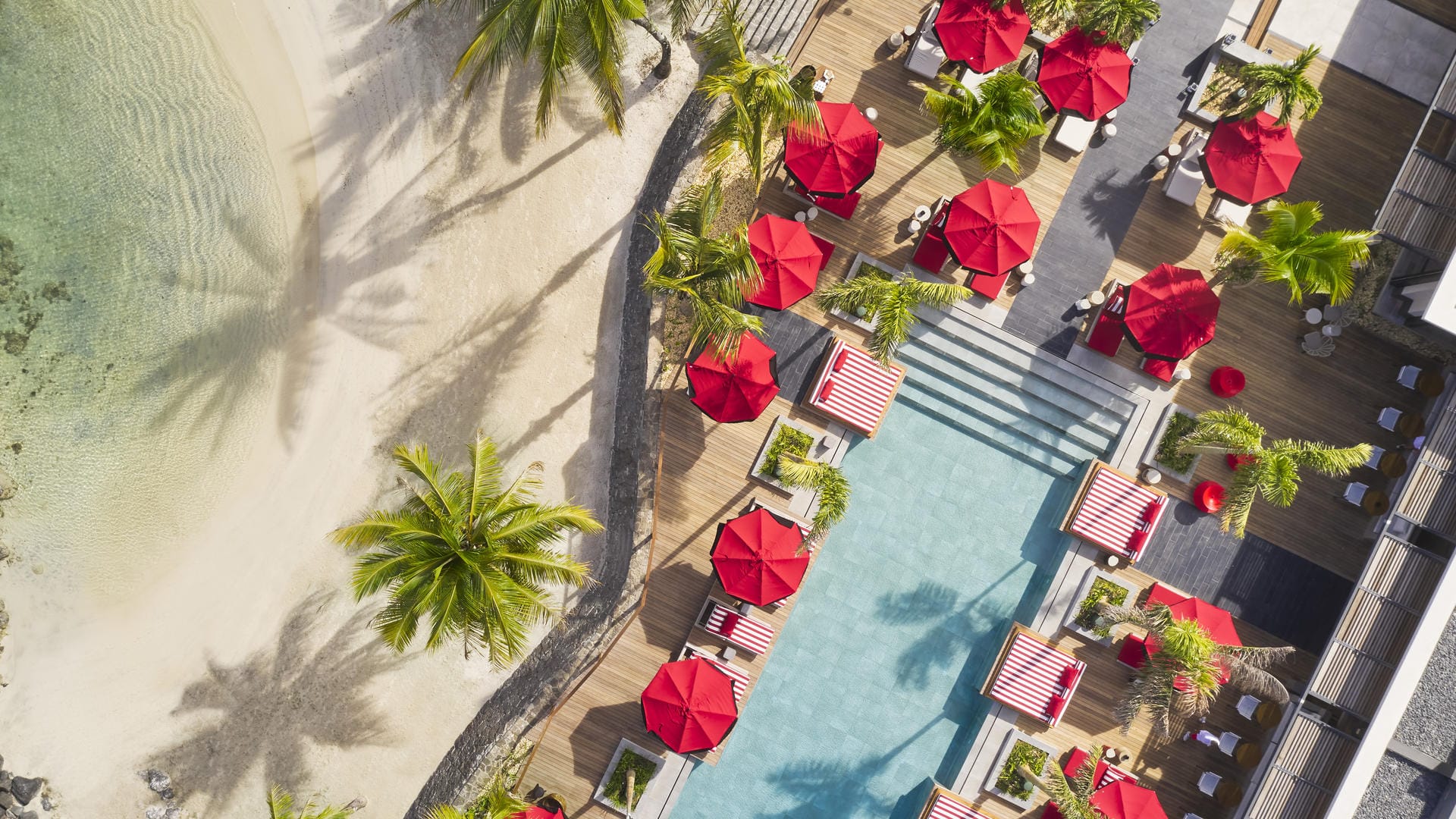
A signature island finish
Ten nights on the north coast of Mauritius at one of the island's most quietly stylish hotels. Suites, villas and residences by British designer Kelly Hoppen, days that fold into lagoon swims, Creole and Indian food, vegetable-forward menus, and slow afternoons. The right way to end a long African trip.
View sample itinerary →A starting point, not a fixed package. We rebuild every island stay around the safari that precedes it and the traveller it belongs to.
What it costs
Per person, per night, sharing. Island pricing varies more than safari pricing because the resort tier matters more than the country. Most international flights are not included. We always price the safari and the island as one continuous trip, with regional connections built into the routing.
4-star
From $400 to $900
per person, per night, sharing
5-star
From $900 to $2,200
per person, per night, sharing
5-star premium
From $2,200 to $6,500
per person, per night, sharing
Peak rates run mid-July to late August (European summer) and over Christmas. Shoulder months (May, June, September, October, early November) give the same weather at twenty to forty percent less. Most of these islands also have a green season with proper rain, where rates drop again. We will tell you which months work for which island. A typical five-night Mauritius finish at the 5-star tier runs $5,500 to $10,000 per person all-in, before flights.
Are the islands right for you
Typical length: 5 to 7 nights, on one island, at the end of a longer safari.
Most trips are not one country
Most clients pair one island with one safari country. Mauritius with South Africa is the most popular combination, often with a few nights in Cape Town in between. Zanzibar with Tanzania is the second most common, almost always with at least one night in Stone Town first. The Maldives with Kenya works because of the easy connections through Nairobi or the Gulf, and gives you the most extreme contrast: Masai Mara dust to overwater villa in two flights.
For longer trips, we sometimes pair two islands. Mauritius and Réunion together, three nights apiece. Mauritius and Seychelles for clients who want both polish and quiet. We do not recommend stacking three islands in one trip. The flying eats into the time and the variety stops being valuable. Madagascar with a few Mauritius nights for beach is the one exception we plan often.
Questions we hear most
Mauritius pairs with South Africa and Botswana, on direct flights from Johannesburg. The Maldives pairs with Kenya and Tanzania, with connections through Nairobi or the Gulf. Zanzibar is the natural extension of any Tanzania safari. Seychelles works from any East African route, usually via Nairobi. Réunion pairs with Madagascar or Mauritius. Madagascar is a trip in its own right, sometimes with a Mauritius beach finish.
Five to seven nights is the right length for most clients. Anything less than four feels short after a long-haul flight in. Anything more than eight starts to feel slow if you have not paired the island with another destination. The Maldives is the exception, where five nights on a single resort tends to be enough, even at the top end.
Mauritius is a single, well-developed country with multiple cuisines, busy beaches, mountains and proper towns. The Maldives is a series of one-resort atolls, almost entirely focused on sea, sun and stillness. Mauritius is for clients who want activity, food and culture. The Maldives is for clients who want to do nothing for a week. Both are excellent, just at opposite ends of the spectrum.
Yes. All six are politically stable and travellers report very low rates of incident. Standard travel awareness applies. Madagascar has the most challenging infrastructure, so we plan it carefully and use private guides and drivers throughout. The others (Mauritius, Maldives, Seychelles, Zanzibar, Réunion) are well set up for international visitors.
Mauritius has the widest spread, from comfortable four-star at around four hundred dollars per person, per night, sharing, up to flagship hotels at two thousand or more. The Maldives starts higher, with most water-villa resorts opening at around eight hundred dollars and the top end going well past five thousand. Seychelles is consistently expensive because of strict capacity caps. Zanzibar has good value at all tiers. Madagascar is harder to compare because the cost structure is so different from the others.
From the journal
Plan it properly
Tell us roughly what you are thinking. We come back within a working day, often sooner.
One of us will write back.
