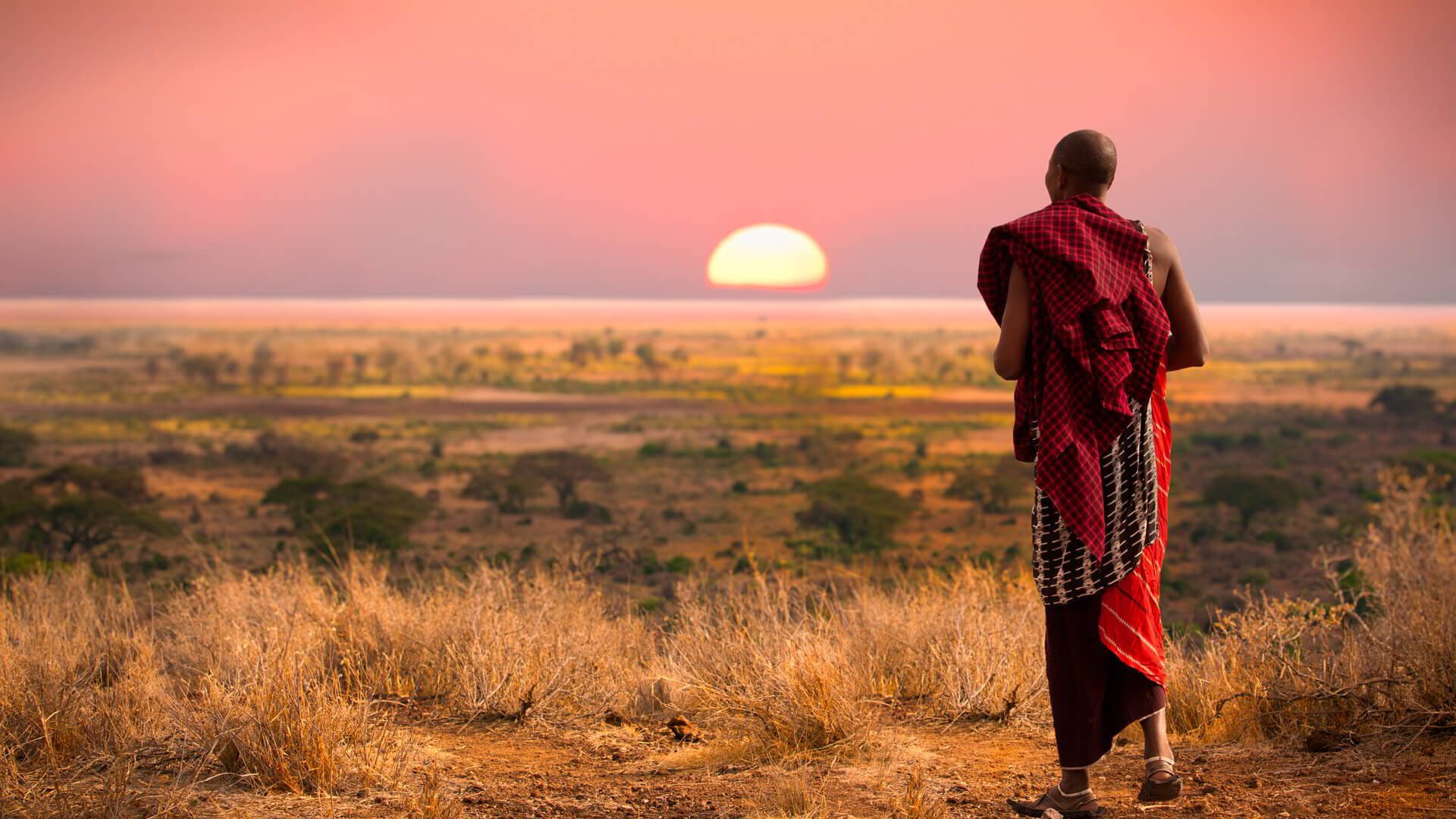
Maasai warrior in red shuka standing on the Kenyan savannah at sunset

Kenya Safari Guide

Kenya, the country that invented the photographic safari

The genre started here. So did the conservation movement. Both are still teaching the rest of us.

Why Kenya

The country that still teaches the rest of us

Kenya invented the photographic safari, and you can still feel it. The first commercial safari companies were Kenyan. The Mara was one of the earliest game reserves in Africa. The Adamsons raised Elsa in the Meru. Iain Douglas-Hamilton started Save the Elephants here. The country has a longer continuous conversation with wildlife than anywhere else we work, and it shows in the way the safari runs.

Most clients come for the Maasai Mara and the migration. We send them there, but we send them to the conservancies on the periphery rather than the National Reserve itself. The wildlife is the same, the vehicles are fewer, the off-road driving is permitted, and the income flows to the Maasai families who own the land. The reserve still has the river crossings. Almost everything else is better next door.

Beyond the Mara, the country opens out. Amboseli for elephants and Kilimanjaro views. Laikipia for the conservation work and the most consistent rhino sightings in the country. The Samburu and Shaba for arid-zone specialists like reticulated giraffe and Grevy's zebra that you will not see anywhere else. Lake Naivasha and the Rift Valley for a lower-tempo couple of nights. Most of the trips we plan combine three regions across nine or ten nights.

Where Kenya sits

A geography worth knowing

The five regions of Kenya we plan around, and how they sit in relation to each other.

What this country does best

What Kenya does best

01

The Mara conservancies

Mara North, Olare Motorogi, Naboisho, Lemek. Same migration, same big cats, same wildebeest river crossings, but with off-road driving, walking, night drives, and a fraction of the vehicle traffic. The conservancy model is the strongest example of community-led conservation on the continent.

02

Amboseli with Kilimanjaro behind it

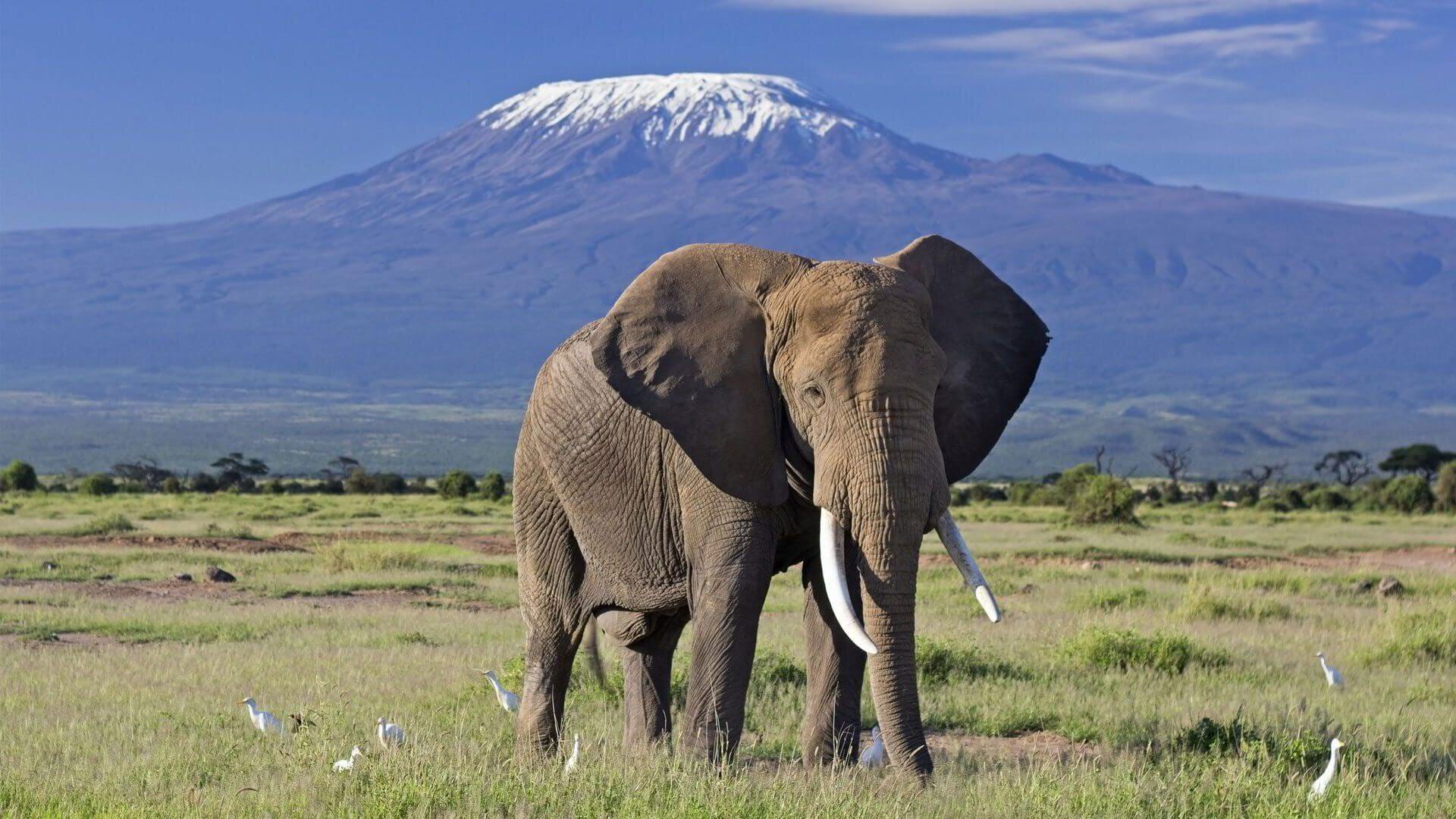
The most photographed elephants in Africa, often crossing the swamps with Mount Kilimanjaro snow-capped behind them in the dry season. A small handful of camps sit inside the park and on the Chyulu Hills concession to the north. Best paired with two or three nights, not more.

03

Laikipia conservation

Lewa, Borana, Ol Pejeta, Loisaba, Solio. The headquarters of African rhino conservation and a different kind of safari altogether: rolling hills, big skies, riding on horseback or by mountain bike, sundowners on rocky outcrops. We send most repeat clients here.

04

The Samburu and the north

North of the equator, drier, dustier, stranger. Reticulated giraffe, Grevy's zebra, gerenuk, Beisa oryx. The so-called Samburu special five, found nowhere else in Kenya. Smaller camps, fewer vehicles, exceptional Samburu guiding.

05

Nairobi and the Sheldrick day

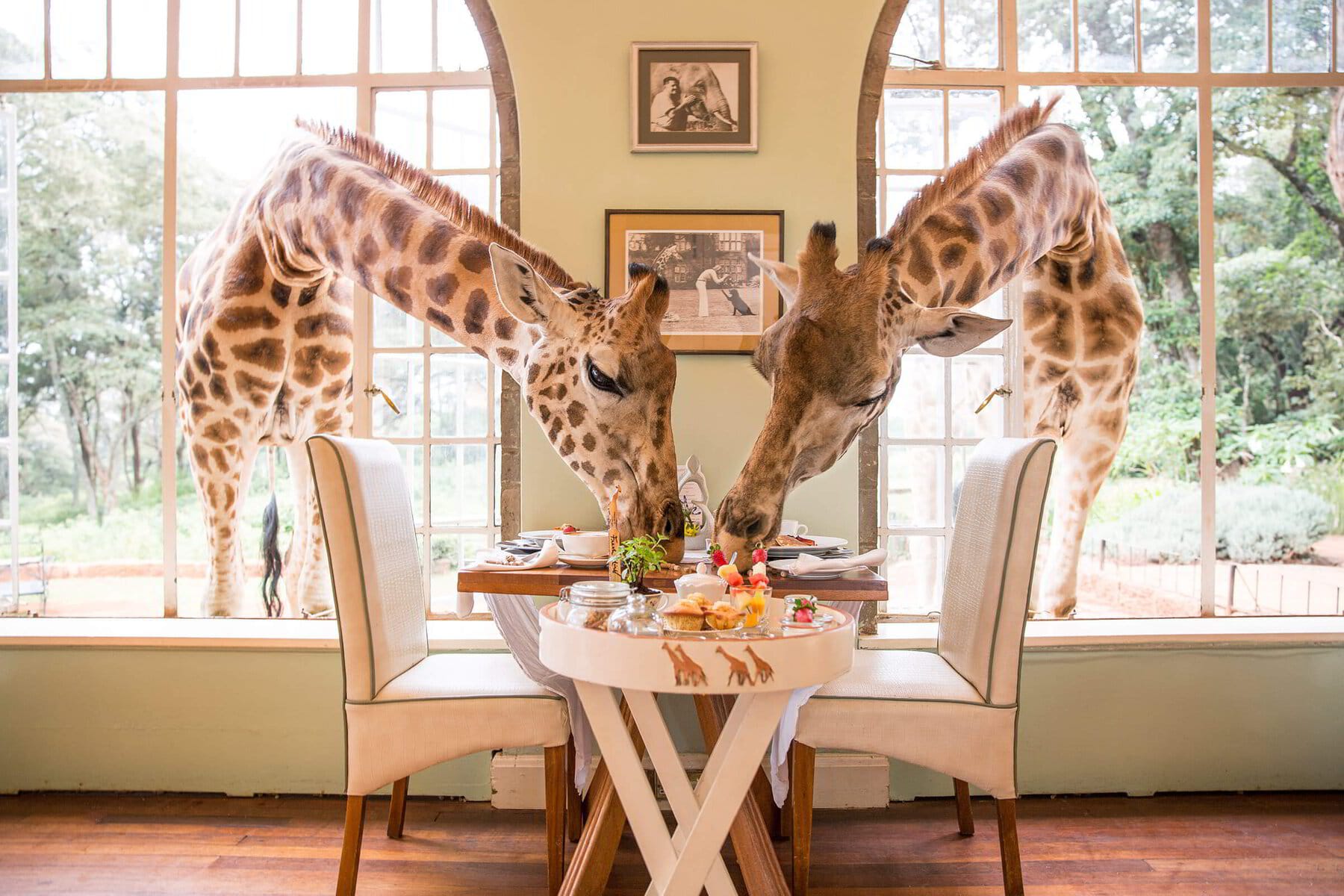
An overnight in Karen with a morning at the Sheldrick elephant orphanage, a stop at the resident Rothschild's giraffe sanctuary, and the Kazuri bead workshop. Strange, surprising, exactly the sort of city day a safari country should offer.

06

Hot-air balloons over the Mara

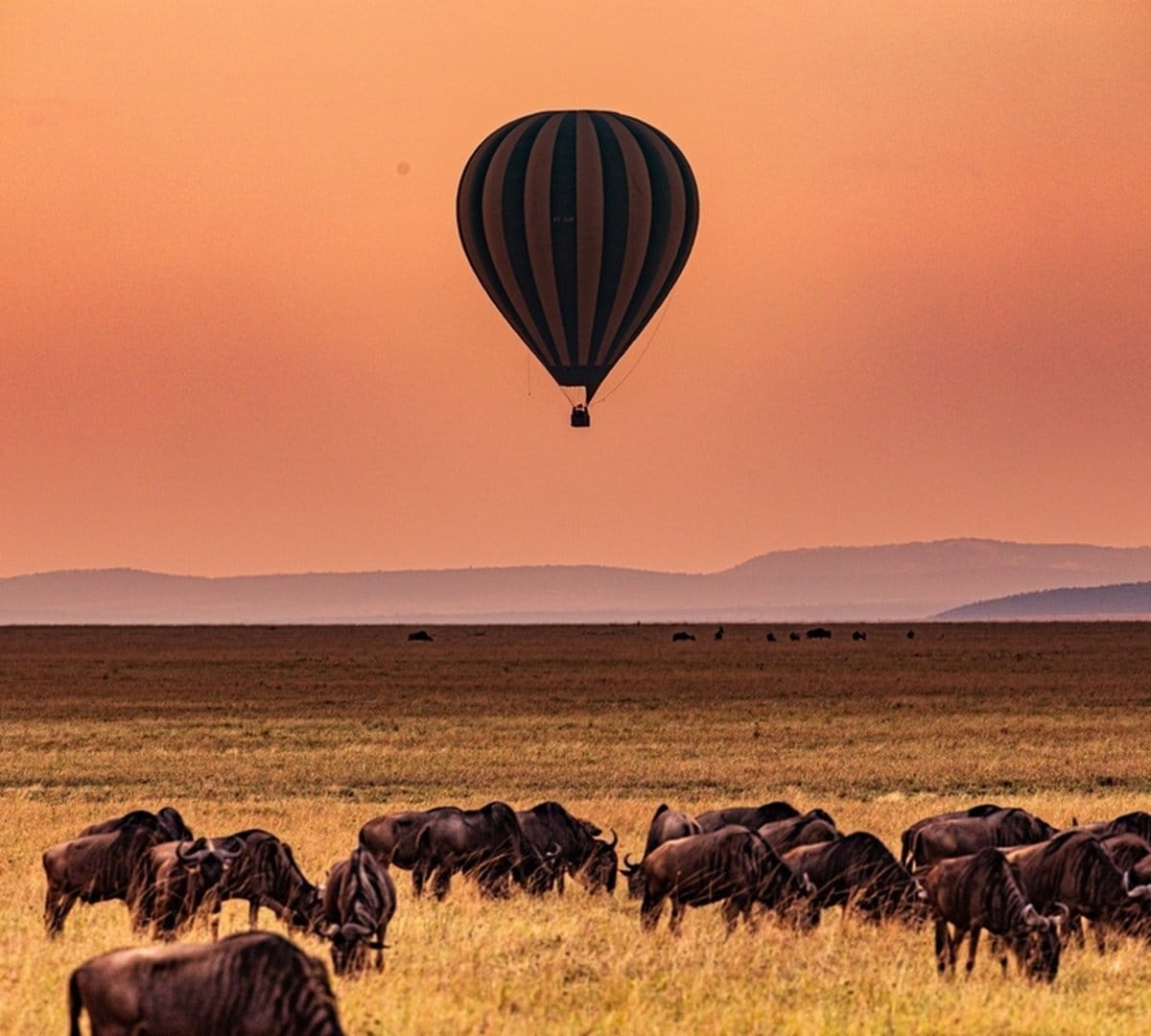
The morning balloon flight over the Mara at sunrise is one of the great safari experiences anywhere. We book it once per trip, on the right morning, and pair it with a champagne breakfast on the plains. Worth the early start.

Bull elephant in Amboseli National Park with Mount Kilimanjaro behind

When to be here

We don't ask when you want to go. We ask what you want from it

Kenya works almost year-round. The right month depends on which region matters most. Four ways to think about it:

For the migration

The Mara at peak

July to October

The wildebeest move north out of the Serengeti and cross the Mara River from late July. Crowds gather at the crossings in the National Reserve. The conservancies stay calmer. Cool mornings, warm dry days. Highest rates of the year. Book ten months ahead.

For the calm Mara

Predators in the open

January to February, June

Outside migration season the Mara is quieter, the resident lion prides and cheetah are still there, and the rates are lower. January and February in particular tend to over-deliver. Our preferred window for travellers who want the Mara without the crowds.

For the green country

Lush plains, fewer vehicles

March to May, November

The long rains in April and May and the short rains in November bring brief afternoon storms, lush plains, low rates and very few other travellers. Some camps close briefly. A specialist's window with strong photography light when the storms break.

For Laikipia and the north

Conservation country

All year

Laikipia and the Samburu run well year-round. June to October is the strongest dry-season window, but March to May offers the best value and a green northern landscape that rarely makes it into the brochures. Two to three nights at minimum.

Kenya month by month

JanuaryJan
FebruaryFeb
MarchMar
AprilApr
MayMay
JuneJun
JulyJul
AugustAug
SeptemberSep
OctoberOct
NovemberNov
DecemberDec

Hover or tap a month for details.

Peak dryDryMid

Where, specifically

Where, specifically

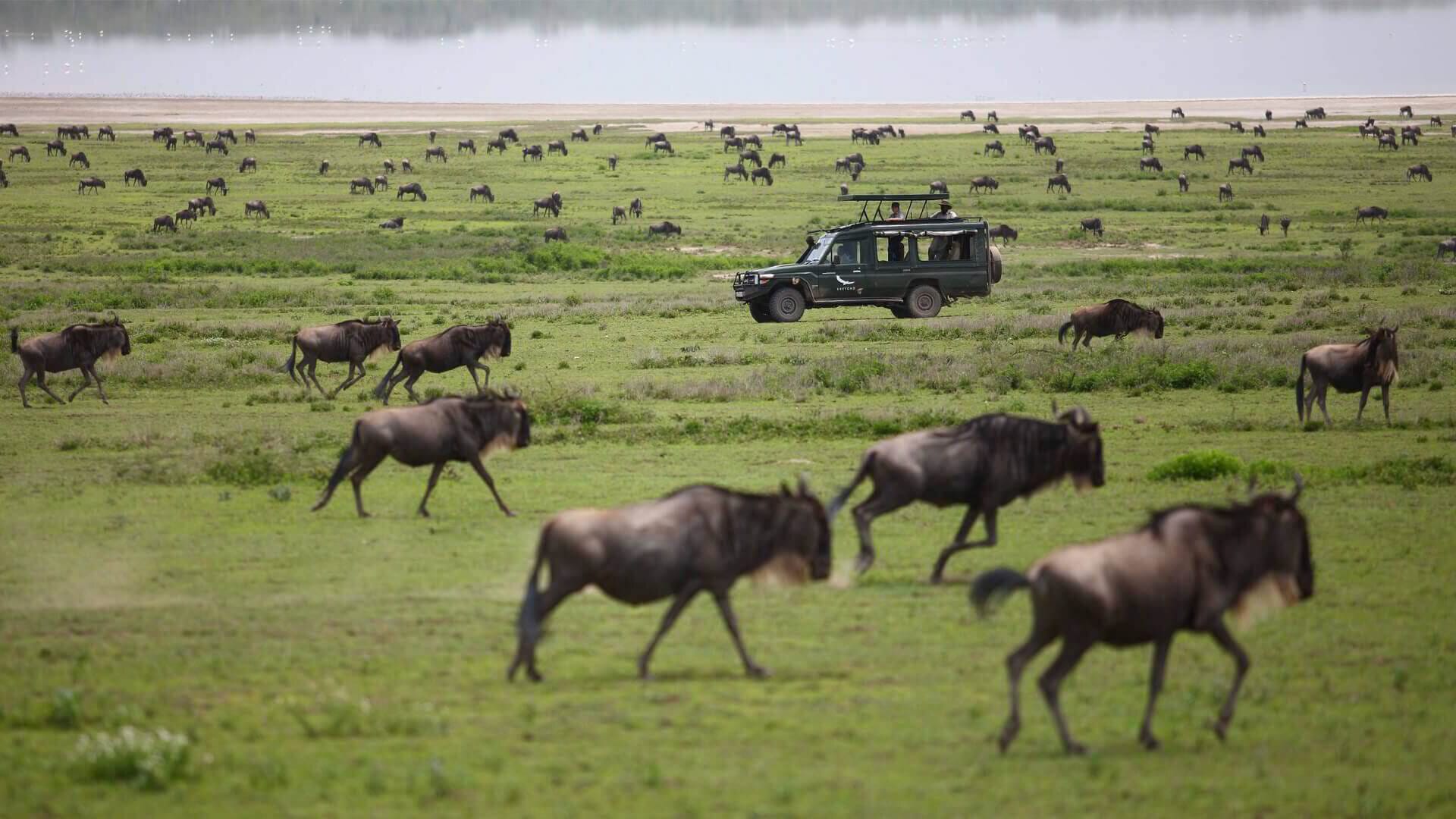
Safari vehicle surrounded by wildebeest of the Great Migration in the Maasai Mara

Maasai Mara & conservancies

The headline region. The Mara River sits at the northern end of the Serengeti-Mara ecosystem and hosts the river crossings between July and October. We send most clients to the Mara North, Olare Motorogi or Naboisho conservancies for the experience and to the National Reserve only for the crossings themselves. Three to four nights is the minimum.

Bull elephant in Amboseli National Park with Mount Kilimanjaro snow-capped in the distance

Amboseli

Famous for the elephants and the Kilimanjaro backdrop. Amboseli sits in southern Kenya, on the Tanzania border. Two nights is usually right: enough for early-morning Kili views and an afternoon among the elephants on the swamps. We pair it with the Mara or Laikipia.

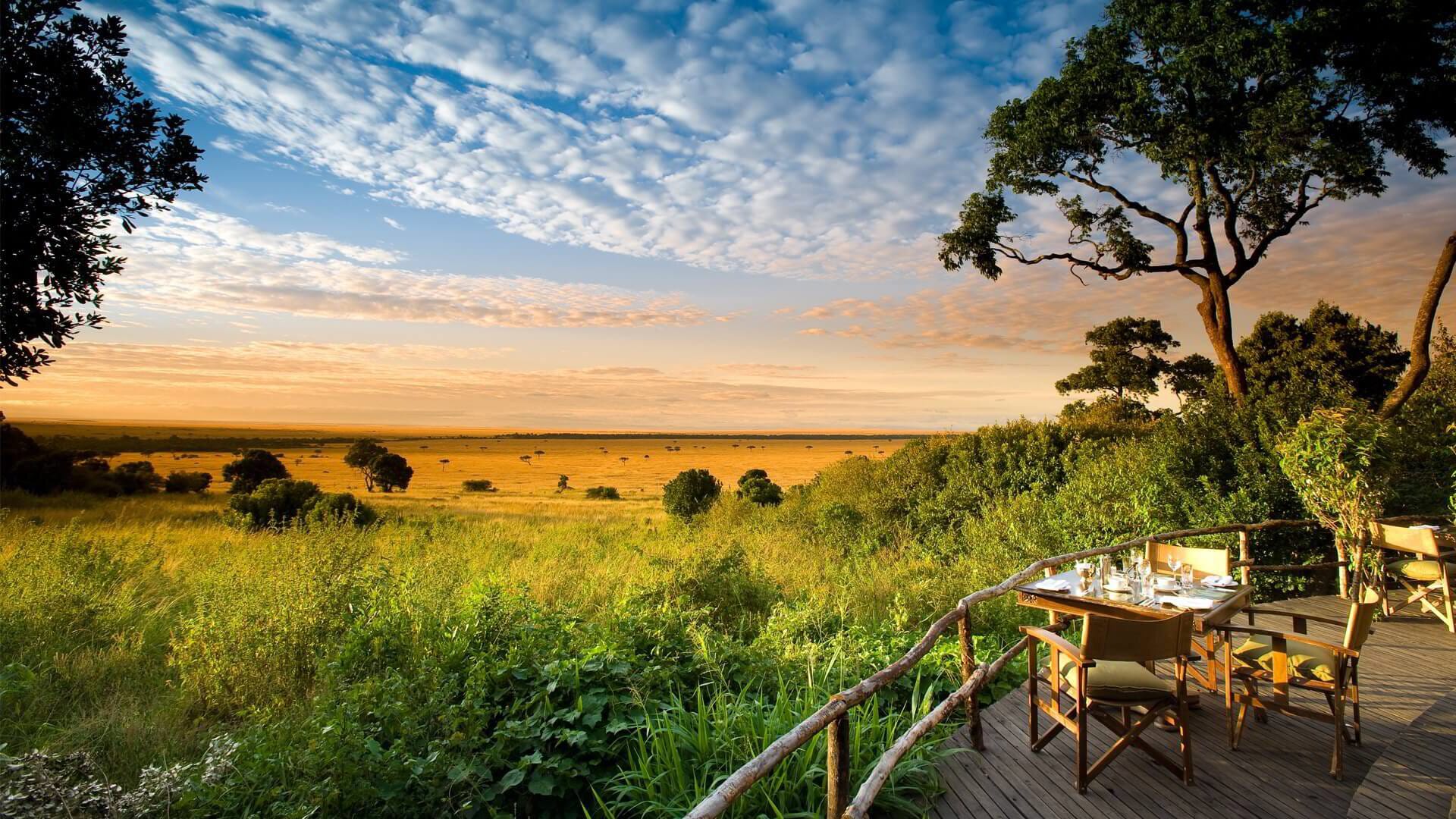
Open guest area at a luxury Laikipia camp at sunrise

Laikipia plateau

North of Mount Kenya. A network of private and community conservancies (Lewa, Borana, Loisaba, Ol Pejeta, Solio) running rhino conservation, anti-poaching, and a quieter, more active style of safari with horseback riding, mountain biking and walking. The country's best conservation story and our most-recommended Mara pairing.

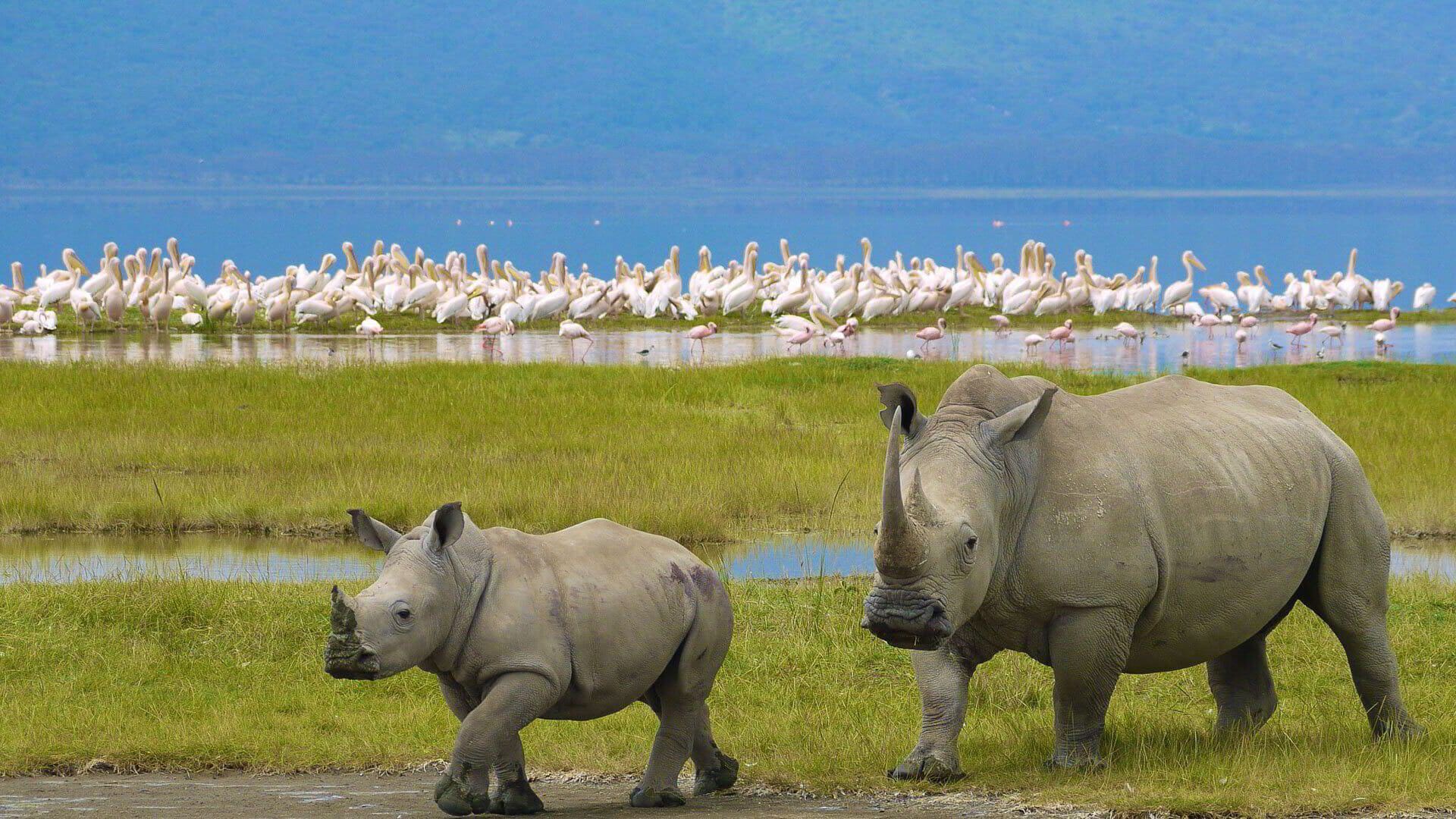
Flamingos at Lake Nakuru in the Great Rift Valley

Samburu & northern Kenya

Drier, dustier, stranger. The Samburu, Buffalo Springs and Shaba reserves on the Ewaso Ng'iro River, plus the Mathews Range further north. Reticulated giraffe, Grevy's zebra, gerenuk and Beisa oryx, species you will not find south of here. Strong Samburu guiding and small camps. Two nights is right.

Resident Rothschild's giraffes in Nairobi

Nairobi & the Rift Valley

The starting and ending point of most Kenya trips. One or two nights in the leafy suburb of Karen, paired with the Sheldrick elephant orphanage and the Kazuri bead workshop, gives you a strong city day before flying to the bush. Naivasha and Lake Nakuru in the Rift Valley sit ninety minutes north and add a slower pair of nights for clients who want them.

Wide editorial photograph of a safari vehicle surrounded by the Great Migration herds in the Maasai Mara
Wide Kenyan savannah landscape, the route for our ten-night Kenya itinerary

A signature Kenya journey

Ten nights across the Mara, Laikipia and Amboseli

Three regions, three styles of safari. Conservancy game drives in the Mara, conservation in Laikipia, elephants under Kilimanjaro in Amboseli.

  • Nights10
  • RouteNairobi → Mara conservancies → Laikipia → Amboseli
View the full itinerary →

A starting point, not a fixed package. We rebuild every itinerary around the traveller.

What it costs

What a Kenya safari costs

The pricing is per person per night sharing. All-inclusive of accommodation, meals, drinks, twice-daily activities, conservancy fees and lodge transfers. Light-aircraft transfers between regions add $250 to $500 per person, per leg.

4-star plus

From $700 to $1,200

per person, per night, sharing

Mid-tier conservancy camps and the better lodges of Amboseli, Laikipia and Tsavo. Strong guiding, simpler finishes.

5-star

From $1,200 to $2,500

per person, per night, sharing

The mid-tier of the Mara conservancies, Laikipia and Amboseli. Polished tented camps, private vehicles on request, walking and night drives included.

5-star premium

From $2,500 to $4,500

per person, per night, sharing

The flagships. Highest game densities, private vehicles standard, the most experienced Maasai and Samburu guides on the continent.

Kenya safari pricing per person, per night, sharing (USD, all-inclusive)
TierPrice (USD per person per night sharing)What this gets you
4-star plusFrom $700 to $1,200Mid-tier conservancy camps and the better lodges of Amboseli, Laikipia and Tsavo. Strong guiding, simpler finishes.
5-starFrom $1,200 to $2,500The mid-tier of the Mara conservancies, Laikipia and Amboseli. Polished tented camps, private vehicles on request, walking and night drives included.
5-star premiumFrom $2,500 to $4,500The flagships. Highest game densities, private vehicles standard, the most experienced Maasai and Samburu guides on the continent.

Kenya peak season runs late June to October (the migration window) and the December-January Christmas period. Conservancy fees ($100 to $200 per person per day) are higher than national parks and add meaningfully to the total. Green season (March to May, November) brings the lowest rates and a quieter, lusher Mara.

Most journeys are not one country

What Kenya pairs with

Kenya pairs naturally with Tanzania for clients who want both halves of the migration ecosystem in one trip, with Rwanda or Uganda for travellers adding gorilla or chimp tracking, and with the Indian Ocean (Lamu, Mnemba on Zanzibar, the Seychelles) for a beach finish. Most of the journeys we plan run twelve to sixteen nights when paired this way.

For a southern pivot, Kenya works well alongside Botswana or South Africa as part of a longer cross-continental trip. The internal flight schedules are straightforward, and the safari styles complement each other: East Africa for plains and migration, southern Africa for predators and water.

Questions we hear most

A few things worth knowing

When is the best time to visit Kenya?

The country works almost year-round. July to October is the migration window in the Maasai Mara, with the river crossings drawing the largest crowds. January and February are quieter and offer strong resident wildlife at lower rates. March to May is the green season: lower rates, lush landscapes, some camps closed briefly. Laikipia and the Samburu run well throughout the year.

Should I stay in the Maasai Mara reserve or a conservancy?

We almost always recommend the conservancies. Mara North, Olare Motorogi and Naboisho border the National Reserve and share the same wildlife, but allow off-road driving, walking and night drives that the reserve does not. Vehicle numbers are capped, so sightings are rarely shared with more than two or three vehicles. The reserve still has the Mara River crossings, which the conservancies do not, so we sometimes book one night in the reserve and three in a conservancy to get both.

How many days do you need for a Kenya safari?

Seven nights is the practical minimum. A typical first trip runs nine to twelve nights and combines three regions: the Mara conservancies, Laikipia or the Samburu, and Amboseli. Add Lake Naivasha or the Rift Valley if you want a lower-tempo couple of nights, or pair with Tanzania for the southern part of the migration.

Do you need malaria tablets for Kenya?

Yes for most of Kenya, including the Maasai Mara, Amboseli and Samburu. Nairobi and the central highlands above 2,500 metres are considered low-risk. Standard prophylactics are recommended, along with long sleeves at dusk and the screened tents most camps now provide. Your travel doctor will advise on the right tablets for you.

Can children go on a Kenya safari?

Yes, and Kenya is one of the better countries on the continent for family safaris. Most conservancy camps welcome children from age six and run dedicated family programmes with private vehicles, child-friendly activities and flexible mealtimes. Laikipia in particular is set up for families with horseback riding, swimming pools and mountain bikes.

Plan it properly

Tell us what you are imagining

Three ways to begin. Pick whichever feels easiest.

By note

Start with a note

Tell us roughly what you are thinking. We come back within a working day, often sooner.

Send a note

By email

Send us an email

Write to Sian directly, with Vikki copied. Same working-day response, no forms in between.

Email us

By WhatsApp

Send a WhatsApp

Quickest if you have a short question. We answer between game drives and meetings, usually within the hour.

Open WhatsApp

Write to us

One of us will write back.

Replies come from Vikki or Sian. No obligation, just a conversation.

Prefer to write to us directly? sian@marulahill.com · WhatsApp +27 82 459 0648