Trekkers approaching Bwindi Impenetrable Forest at dawn, Uganda

Uganda Safari Guide

Uganda, where the forest still feels impenetrable

The country Churchill called the Pearl of Africa. He was paying attention.

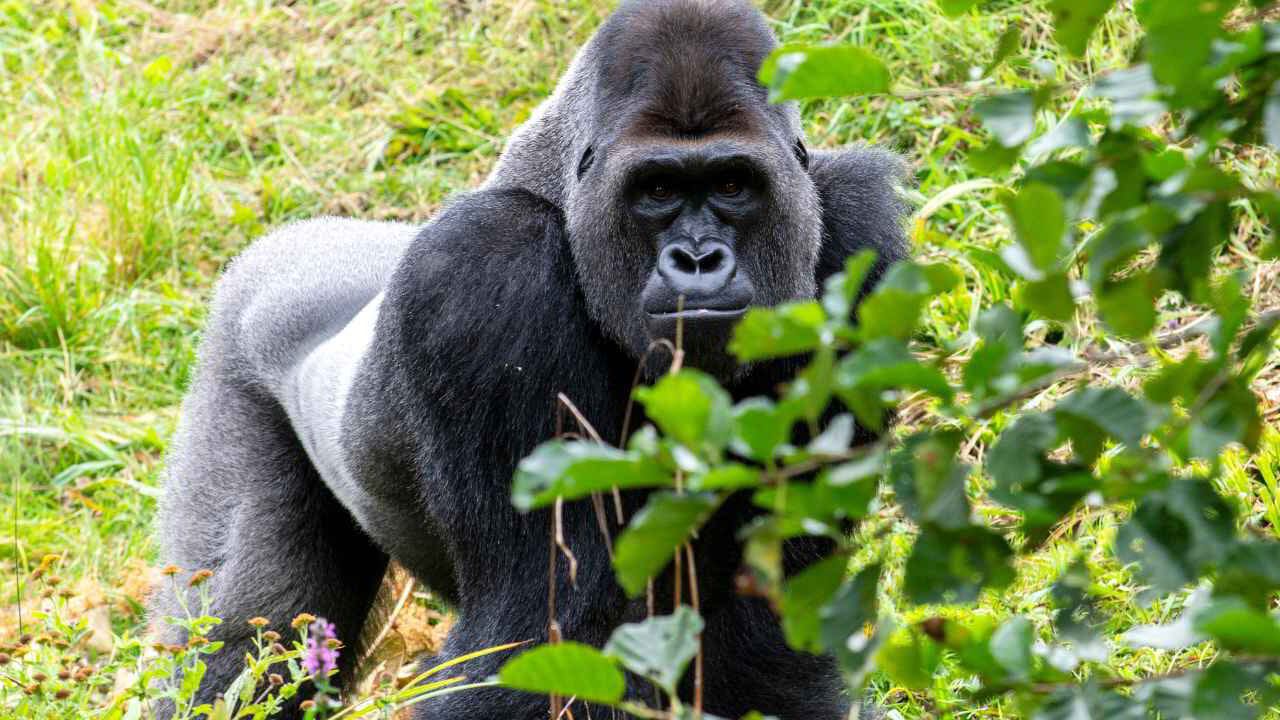
Silverback gorilla in Bwindi Impenetrable Forest, Uganda

Why Uganda

A country where the primates outnumber the elephants

Uganda holds roughly half the world's mountain gorillas. It also holds chimpanzees, golden monkeys, baboons, mangabeys, colobus, blue monkeys, vervets, and a dozen species of lesser-known primates we will not bother listing here. The country holds more primate species for its size than anywhere else on the continent, which is to say that a Uganda trip starts with the assumption that you will spend most of it in a forest.

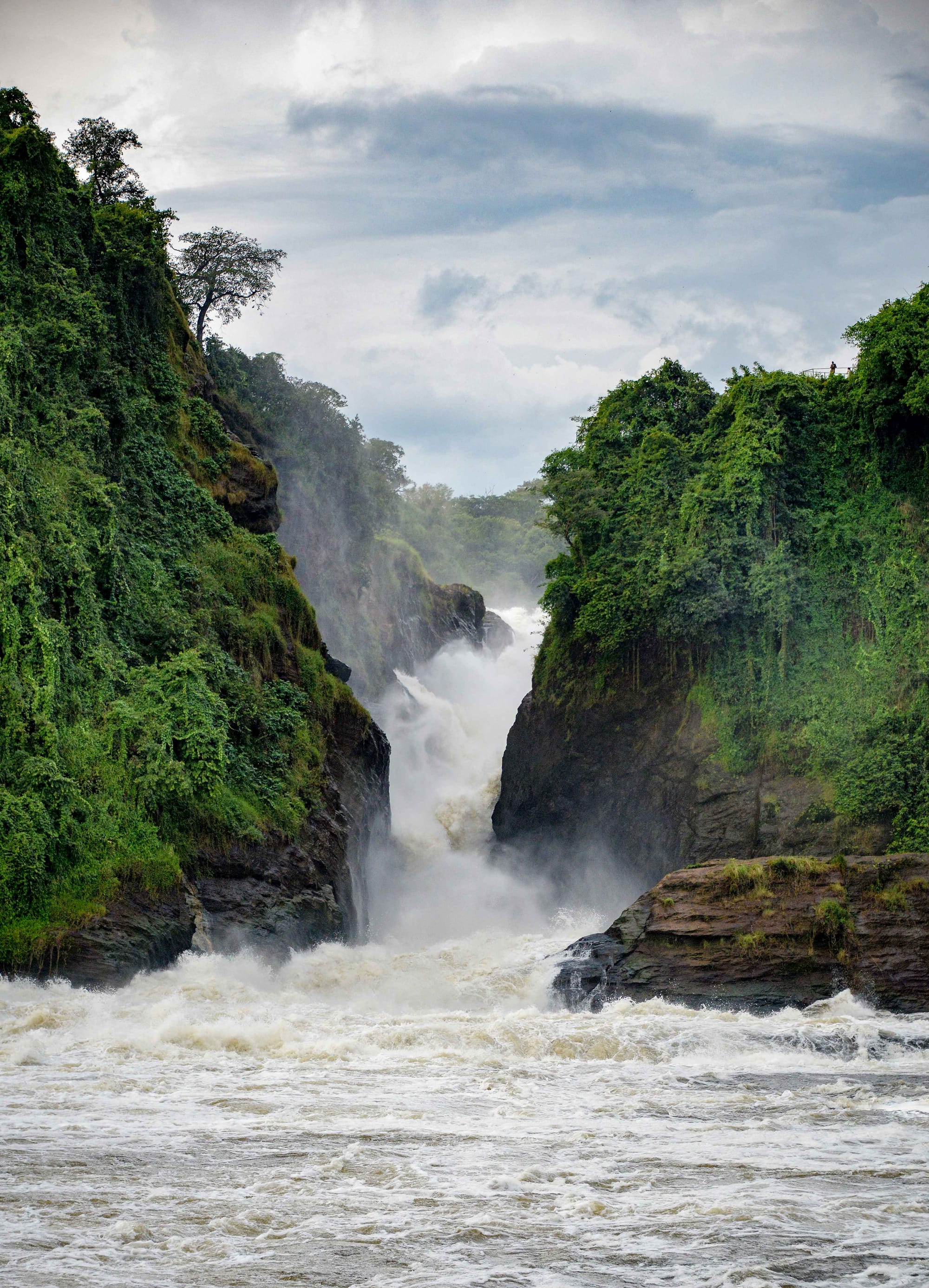
The forests are the headline. Bwindi for gorillas, Kibale for chimps, the Rwenzori range for the harder trekking. But Uganda also has plains. Queen Elizabeth National Park sits in the country's southwest with the Ishasha sector and its tree-climbing lions, one of only a couple of places in East Africa where lions routinely lie up in fig trees. Murchison Falls in the north has the Nile squeezing through a seven-metre gap in the rocks and a boat trip that produces hippos, crocodiles, and elephants drinking on the bank, in that order, every afternoon. Kidepo in the far northeast is the most remote park in the country and one of the most beautiful in Africa.

The trade-off, and there is one, is that Uganda is rougher than Rwanda. Roads are longer. Lodges are fewer. The trekking is harder. We do not send everyone here. We send travellers who want the bush a little wilder and do not mind paying for it with a few extra hours in a vehicle. Most of those travellers come back saying it was the better trip.

Uganda also pairs naturally outward. With Rwanda for travellers who want the polished and the rough versions of gorilla trekking on the same trip. With Tanzania for the Serengeti and the Migration, a short flight from Entebbe. With Kenya for plains game on a bigger scale. Most of the Uganda trips we plan run ten to fourteen nights, longer when paired.

What this country does best

What Uganda does best

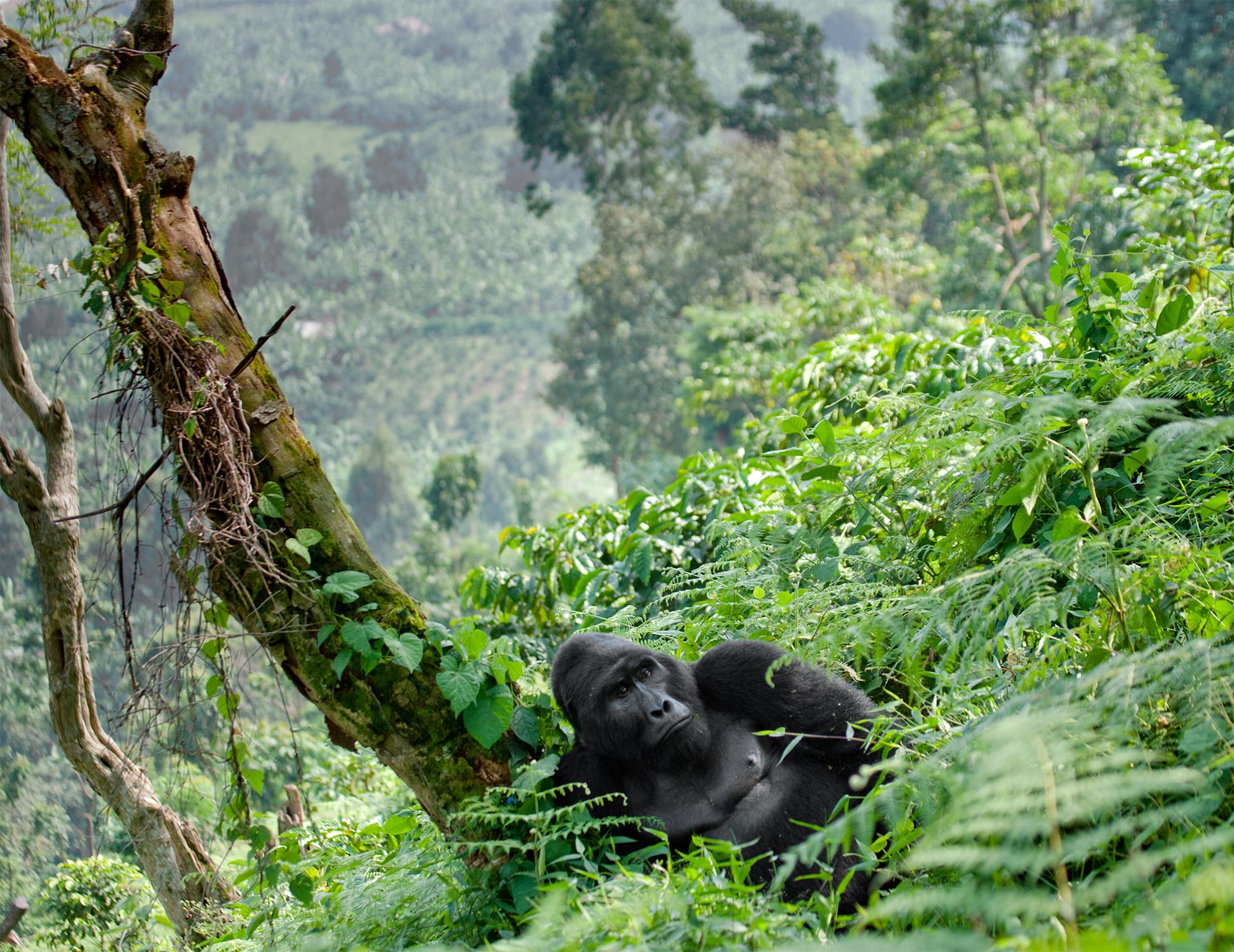
Silverback gorilla in Bwindi Impenetrable Forest, Uganda
01

Mountain gorillas in Bwindi

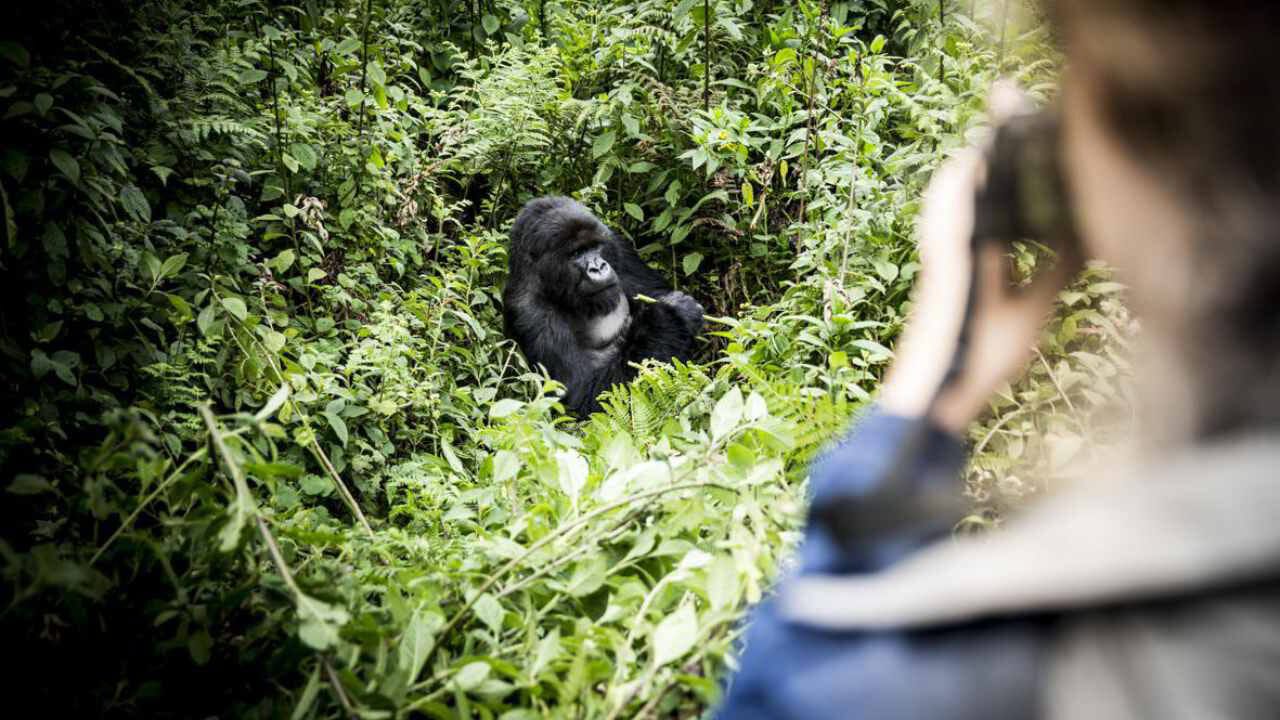
Roughly half the world's mountain gorillas live in this 331 square kilometre forest. Treks last two to eight hours through dense undergrowth. Permits are $800. There is also a four-hour habituation experience, available here and not in Rwanda.

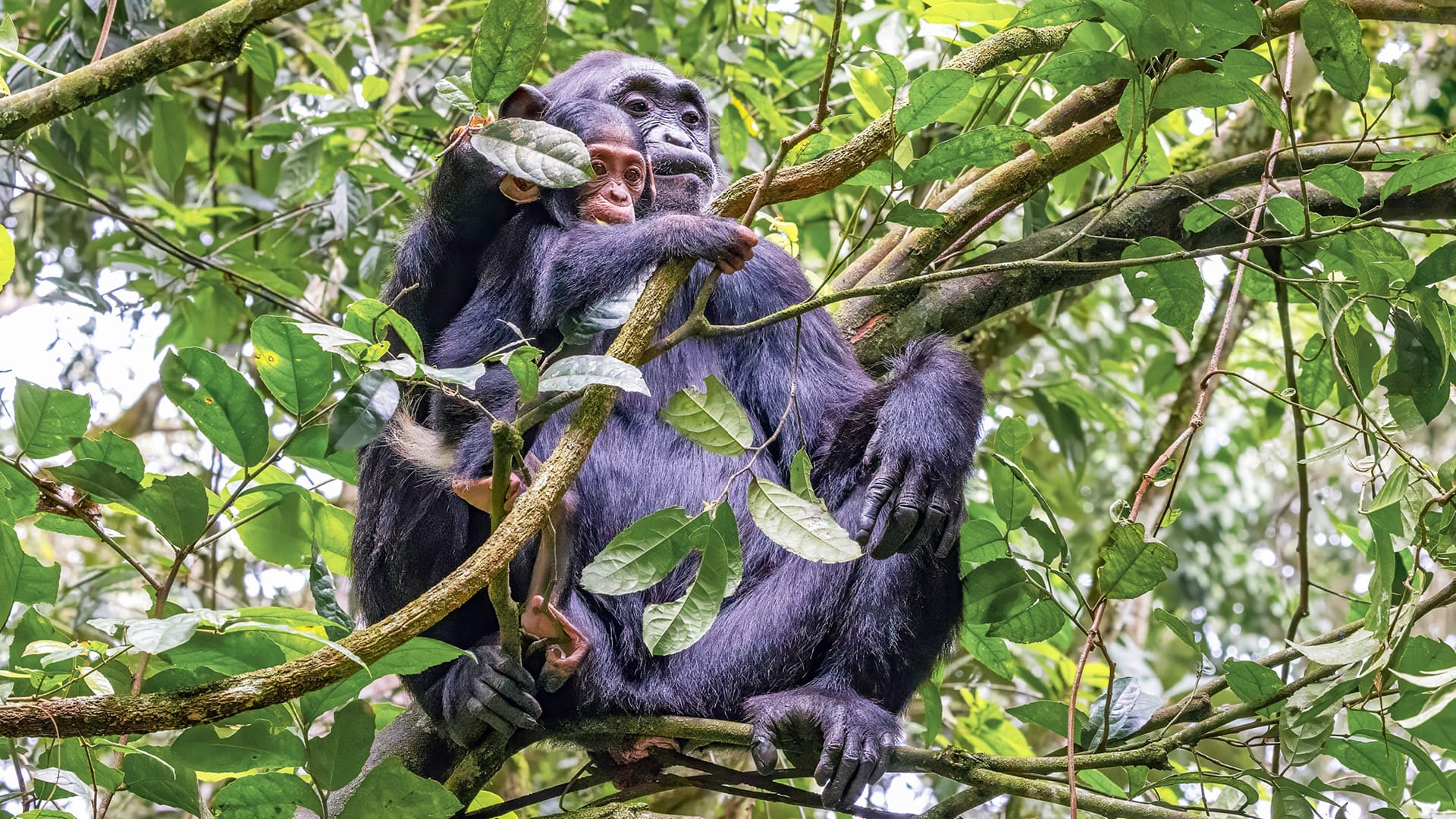
Mother and baby chimpanzee in Kibale National Park, Uganda
02

Chimpanzees in Kibale

1,500 chimpanzees in 766 square kilometres of forest. The highest density of any tracked group in Africa. Standard treks find a habituated family in two to four hours. The full-day habituation experience puts you with researchers from dawn to dusk.

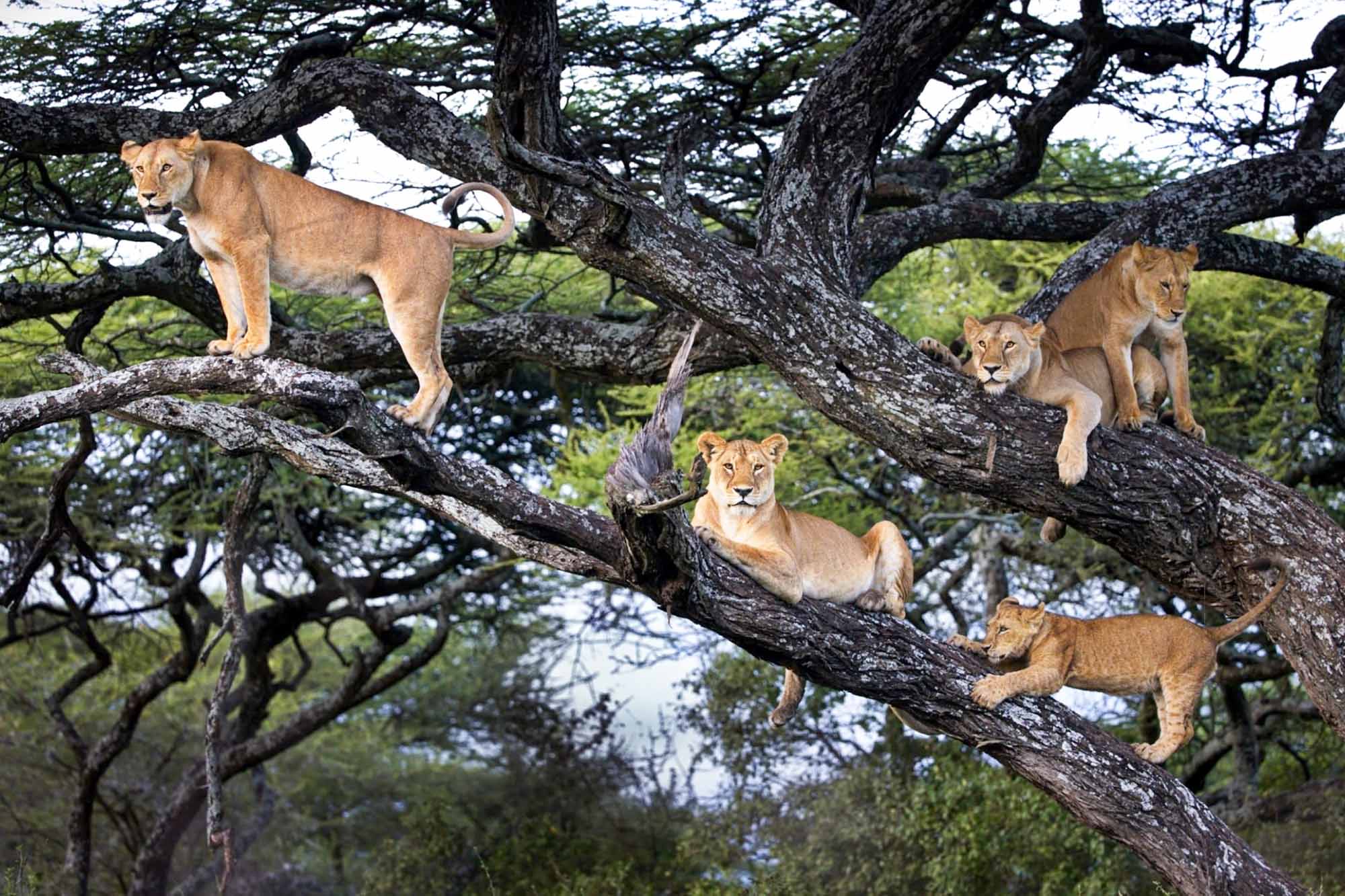
Tree-climbing lion pride in fig trees, Ishasha sector of Queen Elizabeth National Park, Uganda
03

Tree-climbing lions of Ishasha

The southern sector of Queen Elizabeth National Park. Lions lie up in the lower branches of fig trees through the heat of the day. Why is still debated. The viewing is rare and worth the drive when you find them.

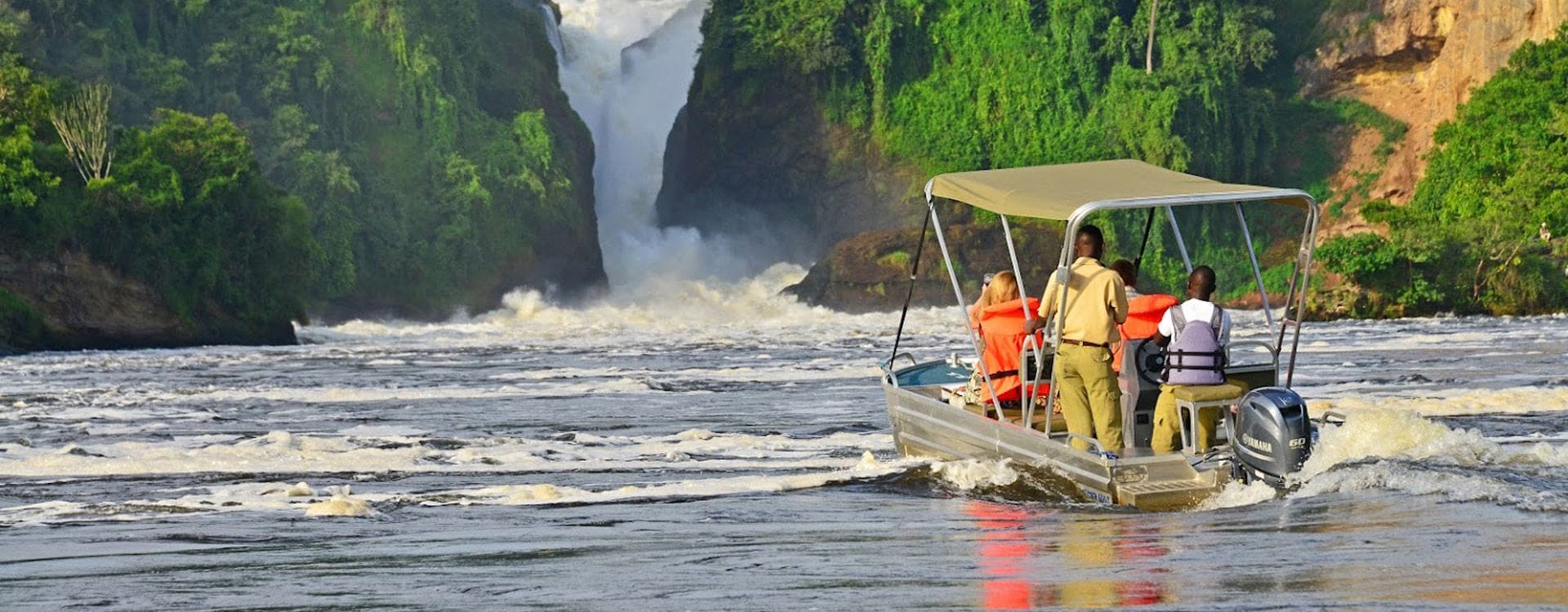
Murchison Falls National Park at sunset, Nile River boat safari, Uganda
04

Murchison Falls and the Nile

The Victoria Nile squeezed through a seven-metre rock gap and dropped 43 metres into a churning pool below. Boat safaris approach the base of the falls. Hippos and crocodiles in numbers, elephants drinking, fish eagles overhead. The afternoon Nile cruise is the headline activity.

Remote plains landscape in Kidepo Valley National Park, northern Uganda
05

Kidepo in the far northeast

The most remote park in the country. Kanyangereng valley, Karamojong communities, lion prides, cheetahs, the kind of empty plains the rest of East Africa lost twenty years ago. Hard to get to. Worth it. Only one lodge operates inside the park.

Gorilla trekking group encounter in Bwindi Impenetrable Forest, Uganda
06

Lower permit costs across the board

Gorilla permits are $800 here, against $1,500 in Rwanda. Chimp permits are $250. Park fees are lower. Lodge rates are lower. The wildlife is the same. The country is the more affordable gorilla trip and noticeably so.

Wide editorial photograph of tree-climbing lions in fig trees, the Ishasha sector of Queen Elizabeth National Park

Where, specifically

Where, specifically

Silverback gorilla in Bwindi Impenetrable Forest, Uganda

01 · The gorilla forest

Bwindi Impenetrable Forest

The headline park in the far southwest. Four sectors, more than twenty habituated families, and the four-hour habituation experience available in Rushaga. Trek lengths vary widely. Three nights is right.

Mother and baby chimpanzee in Kibale National Park, Uganda

02 · The chimp forest

Kibale Forest

Central western Uganda. A 766 square kilometre rainforest holding 1,500 chimpanzees and twelve other primate species. Standard treks last two to four hours. Two nights pairs well with Queen Elizabeth.

Tree-climbing lion pride in Ishasha, Queen Elizabeth National Park, Uganda

03 · The plains park

Queen Elizabeth National Park

Southwest Uganda, between Bwindi and Kibale. The Ishasha sector for the tree-climbing lions, the Kazinga Channel for the boat safari, and a strong supporting cast of plains game. Two nights does it well.

Murchison Falls National Park at sunset, Nile River boat safari, Uganda

04 · The Nile

Murchison Falls

Northern Uganda, the country's largest park. The Victoria Nile drops 43 metres through a seven-metre rock gap. The afternoon Nile cruise is the standout activity. Two to three nights.

Remote plains landscape in Kidepo Valley National Park, northern Uganda

05 · The remote one

Kidepo Valley

The far northeast, on the South Sudan border. The most remote park in the country, the most empty plains. Apoka is the only lodge inside the park. Three nights for travellers with two weeks who want the wilder version of Uganda.

Silverback gorilla in Bwindi Impenetrable Forest, Uganda
Mother and baby chimpanzee in Kibale National Park, Uganda
Tree-climbing lion pride in Ishasha, Queen Elizabeth National Park, Uganda
Murchison Falls National Park at sunset, Nile River boat safari, Uganda
Remote plains landscape in Kidepo Valley National Park, northern Uganda

01 · The gorilla forest

Bwindi Impenetrable Forest

The headline park, in the country's far southwest. Four sectors (Buhoma, Ruhija, Rushaga, Nkuringo), more than twenty habituated families across them, and the four-hour habituation experience available in Rushaga. Trek lengths vary widely depending on which family and which sector you trek from. Three nights is right, and the lodges sit close enough to the park edge that the morning starts feel civilised even when the trek does not.

02 · The chimp forest

Kibale Forest

Central western Uganda, a 766 square kilometre rainforest holding 1,500 chimpanzees and twelve other primate species. Standard treks last two to four hours. The habituation experience runs dawn to dusk with researchers and is the version we recommend for anyone serious about the primates. Two nights pairs well with Queen Elizabeth to the south.

03 · The plains park

Queen Elizabeth National Park

Southwest Uganda, between Bwindi and Kibale. The Ishasha sector for the tree-climbing lions, the Kazinga Channel for the boat safari, and a strong supporting cast of buffalo, elephants and Ugandan kob. Two nights does it well, and the park is often the connector between the two forests rather than a destination in its own right.

04 · The Nile

Murchison Falls

Northern Uganda, the country's largest park. The Victoria Nile drops 43 metres through a seven-metre rock gap. The afternoon Nile cruise is the standout activity, with hippos, crocs and elephants on the banks. Two to three nights, often after the southwest forests as the broader country contrast.

05 · The remote one

Kidepo Valley

The far northeast, on the South Sudan border. The most remote park in the country, the most empty plains, and the only lodge inside the park is Apoka. We add this for travellers with two weeks who want the wilder, harder version of Uganda. Three nights is right, and the flight in is part of the experience.

When to be here

We don't ask when you want to go. We ask what you want from it

Uganda sits on the equator and runs two dry seasons and two wet ones. Four ways to think about it.

For the easiest trekking

Long dry season

June – September

Driest, firmest underfoot, easiest in the forest. Peak window for gorilla and chimp trekking. The plains parks are also at their best as wildlife concentrates around the remaining water. Book permits a year ahead.

For the second dry

Short dry season

December – February

Hotter than the long dry, drier than the rains. Often quieter on permits because the season is shorter. Strong gorilla viewing and the best birding window in Murchison and Queen Elizabeth.

For the green and quiet

Long rains

March – May

Wet, muddy, lush, beautiful. Gorillas often feed lower down the slopes which can mean shorter treks. Forest at its most cinematic. Lower rates, fewer trekkers. Bring proper waterproofs.

For the shoulder

Short rains

October – November

Brief afternoon storms, mornings usually clear. The bush at its greenest before the December peak. Strong value and our most-recommended shoulder window.

Uganda month by month

JanuaryJan
FebruaryFeb
MarchMar
AprilApr
MayMay
JuneJun
JulyJul
AugustAug
SeptemberSep
OctoberOct
NovemberNov
DecemberDec
  • Long dry · Jun, Jul, Aug, Sep · firmest trails, easiest trekking, peak permits
  • Short dry · Dec, Jan, Feb · warmer, drier, less crowded than the long dry
  • Short rains · Oct, Nov · brief storms, lush forest, strong value
  • Long rains · Mar, Apr, May · daily showers, greenest forest, lowest rates
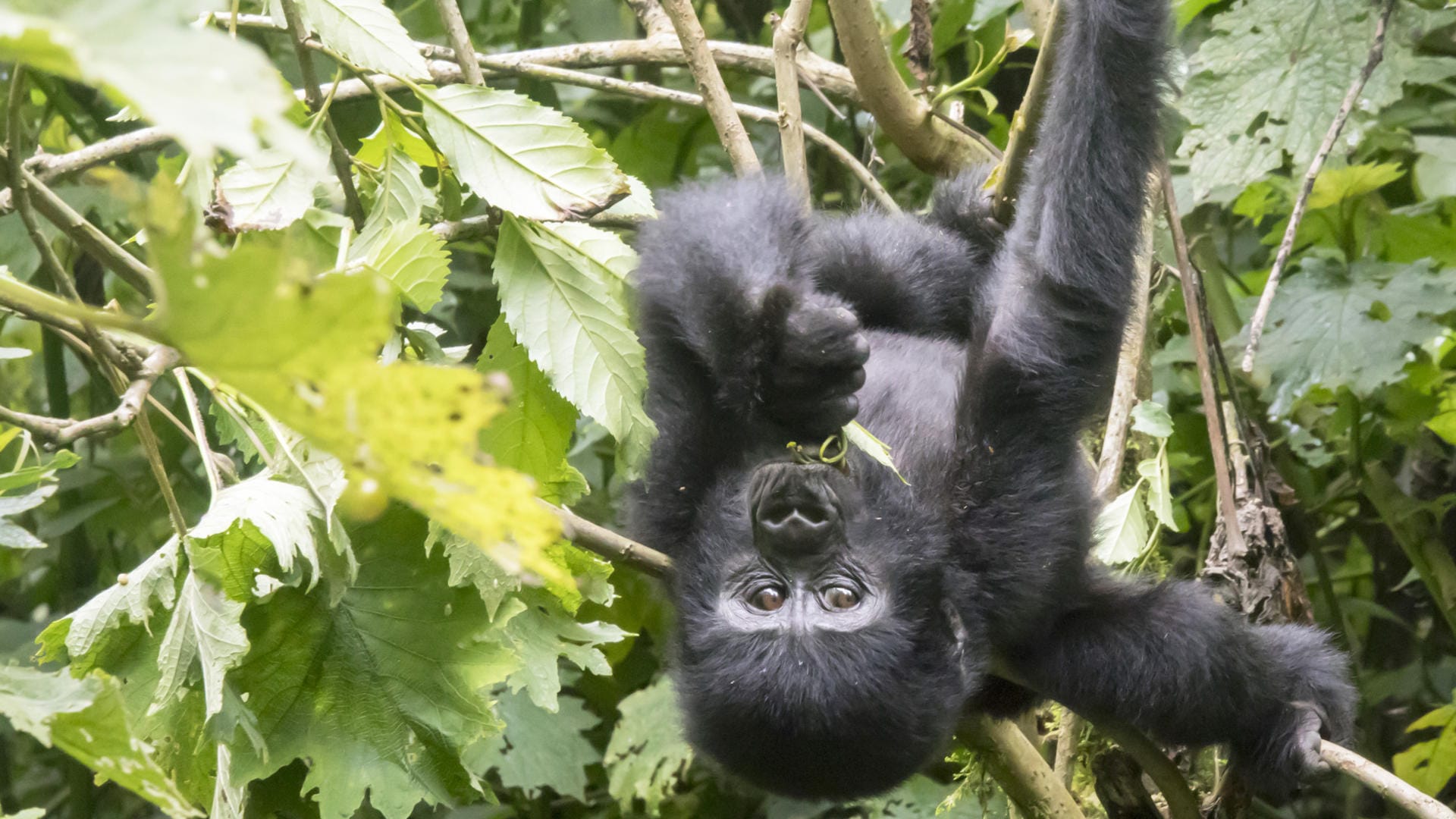
A young mountain gorilla in Bwindi Impenetrable Forest, the heart of our six-night Uganda itinerary

A signature Uganda itinerary

Six nights with chimpanzees and gorillas

A night at Entebbe to settle, two at Kibale for chimp tracking in the rainforest, one in northern Queen Elizabeth for the plains, and two at Bwindi for the gorilla trek. The two great primate encounters in one tight, well-paced trip.

  • Nights6
  • RouteEntebbe · Kibale · Queen Elizabeth · Bwindi
View sample itinerary →

A starting point, not a fixed package. We rebuild every Uganda itinerary around the traveller and the season.

What it costs

What a Uganda safari costs

Per person, per night, sharing. All-inclusive of accommodation, meals, drinks, twice-daily activities and transfers. Gorilla permits are an additional $800 per person per trek. Chimpanzee permits in Kibale are $250. Most travellers do one of each.

4-star plus

From $600 to $1,000

per person, per night, sharing

5-star

From $1,000 to $2,000

per person, per night, sharing

5-star premium

From $2,000 to $3,800

per person, per night, sharing

Uganda is meaningfully cheaper than Rwanda for the same gorilla experience and far cheaper than Botswana for plains game. Park fees are lower, lodge rates are lower, and permits are roughly half the Rwandan price. Peak (June to September, December to February) runs above the long-rains months. A ten-night Uganda trip with one gorilla and one chimp permit works out at roughly $9,000 to $16,000 per person all-in at the 5-star tier.

Is Uganda right for you

Best for, and not ideal for

Repeat African travellers wanting an adventure Most of our Uganda bookings are second or third African trips. Clients who have already done the polished version somewhere, who want longer drives, harder trekking, and a wilder feel to the country. Uganda rewards that mindset.
First-timers who want polished and easy Uganda is not the polished version of gorilla trekking. Roads are long, lodges are fewer, and the Bwindi trekking is harder than Rwanda's Volcanoes. First-time gorilla travellers who want shorter drives and higher-end lodges are usually better served by Rwanda, even at the higher permit price.
Primate-focused travellers Gorillas, chimpanzees, golden monkeys, colobus and a dozen other primates on the same trip. Uganda is the strongest primate destination on the continent. The Kibale habituation experience and the Bwindi sectors give the country a depth that Rwanda cannot match on primates alone.
Travellers wanting Big Five every day Uganda has lions, elephants and buffalo, with rhino at Ziwa Rhino Sanctuary outside the parks. But the Big Five experience is not the country's strength. For travellers prioritising classical Big Five safari, Botswana, Kenya or South Africa are stronger starts.
Budget-aware travellers wanting gorillas Permit costs are roughly half of Rwanda's. Park fees are lower. Lodge rates are lower across all tiers. For travellers who want the gorilla experience at a meaningful saving over Rwanda, Uganda is the country we recommend. The wildlife is the same. The polish is less.
Travellers on a tight schedule Uganda takes time. Bwindi alone needs three nights, Murchison adds a day of driving, Kidepo requires flights. Six nights is the practical minimum, ten to fourteen is more typical. For shorter African breaks, Rwanda or South Africa's Sabi Sand is a better fit.
Birders and naturalists Uganda has over a thousand recorded bird species, a remarkable total for a country of its size. The shoebill in Mabamba swamp, the African green broadbill in Bwindi, the great blue turaco everywhere. The country's guides are exceptional naturalists, and the birding is built into every itinerary rather than added as a side activity.
Travellers wanting a beach finish in the same country Uganda is landlocked. The classical bush-and-beach pairing requires a connecting flight to Zanzibar, Mozambique, the <a href="/indian-ocean-islands/">Indian Ocean islands</a>, or the Kenyan coast. We plan this regularly, and the routings work, but it adds a day at each end and a separate set of malaria considerations.

Typical length: 10 to 14 nights, across three or four regions.

Most trips are not one country

What Uganda pairs with

Rwanda is the obvious pairing for travellers who want to do both versions of gorilla trekking on the same trip. We tend to start in Rwanda (polished, easier, $1,500 permit) and finish in Uganda (rougher, harder, $800 permit). The contrast tells you something about both countries that neither tells you alone. Twelve to fifteen nights covers both well.

Tanzania is the second pairing. The northern circuit (Serengeti, Ngorongoro) flies easily from Entebbe, and gorillas with the Migration is one of the strongest East African trips we plan. Kenya works for plains game on a bigger scale. South Africa makes sense as a long-haul bookend with Cape Town and the Winelands. Twelve to sixteen nights covers most pairings comfortably.

Murchison Falls on the River Nile, the centrepiece of a Uganda trip

Questions we hear most

A few things worth knowing

Is Uganda or Rwanda better for gorilla trekking?

Both are excellent. Rwanda is more polished: shorter drives, easier trekking, higher-end lodges, $1,500 permits. Uganda is rougher: longer drives, harder trekking, fewer luxury lodges, $800 permits. The wildlife is the same and the gorilla experience is comparable. We send first-time gorilla travellers to Rwanda when budget allows. We send second-time gorilla travellers, and travellers who want a more adventurous trip, to Uganda.

How much does a Uganda gorilla permit cost?

$800 per person, per trek. The four-hour habituation experience in Rushaga is $1,500 per person and is only available in Bwindi, not Rwanda. Permits are sold by the Uganda Wildlife Authority and should be booked a year ahead for the dry seasons.

How many days do you need for a Uganda safari?

Six nights is the minimum if you want gorillas plus chimps. A full Uganda trip runs ten to fourteen nights and combines Bwindi, Kibale, Queen Elizabeth and either Murchison Falls or Kidepo. Adding Rwanda or Tanzania on the same trip is straightforward and we plan combined trips often.

How fit do you need to be for Bwindi trekking?

Bwindi treks are harder than Rwanda's. Expect two to eight hours of walking on steep, muddy, root-tangled terrain at altitudes between 1,200 and 2,600 metres. The park rangers match trekkers to families based on fitness on the morning of the trek. Porters are available and recommended, and a meaningful contribution to the local economy. Most travellers in good walking shape manage well.

Is Uganda safe to visit?

Yes. The safari areas of Uganda are well-managed and well-served by experienced operators. Internal border regions and some northern districts have advisories. We follow current guidance from SATSA, the British and US embassies, and our on-the-ground partners, and we plan around any flagged areas. We have not had a safety concern with any client trip.

Do you need malaria tablets for Uganda?

Yes. Most of Uganda is a malaria area, including Bwindi, Kibale, Queen Elizabeth, Murchison and Kidepo. Standard prophylactics are recommended, along with long sleeves at dusk and the screened tents most camps provide. Your travel doctor will advise on the right tablets for you, and we confirm the conversation in the pre-departure briefing six to eight weeks before the trip.

Plan your Uganda safariPlan your safari

Plan it properly

Tell us what you are imagining

Tell us roughly what you are thinking. We come back within a working day, often sooner.

Write to us

One of us will write back.

Replies come from Vikki or Sian. No obligation, just a conversation.

Prefer to write to us directly? sian@marulahill.com · WhatsApp +27 82 459 0648