Trips that do work

Safaris where the lodge is the conservation

Most safari lodges plant a tree on Earth Day and call themselves conservation. The lodges we use here run anti-poaching units, fund community schools, employ the surrounding villages at scale, or hold the title deed to the reserve they sit on. We will tell you which is which.

Where this trip starts

Where the lodge is doing the work

Conservation safaris are not a single shape. They are a filter. We layer it over every other category. A romantic safari in Botswana can be a conservation safari if the lodge sits on a reserve owned and managed by an active conservancy. A family safari in Kenya can be one if the lodge is owned by the Maasai community whose land it is. A solo wellness trip in South Africa can be one if the spend stays inside a model funding habitat restoration.

The lodges that get this right include several private conservancies in Kenya, the Singita ecosystem in South Africa and Tanzania, the Wilderness lodges in Botswana, the Time and Tide operation in Zambia, and a small number of community-run lodges in Namibia. We will name them, walk you through the model, and tell you the percentage of the rate that goes to the conservation work.

Why this kind of trip

What conservation access actually gives you

01

Time with the people doing the work

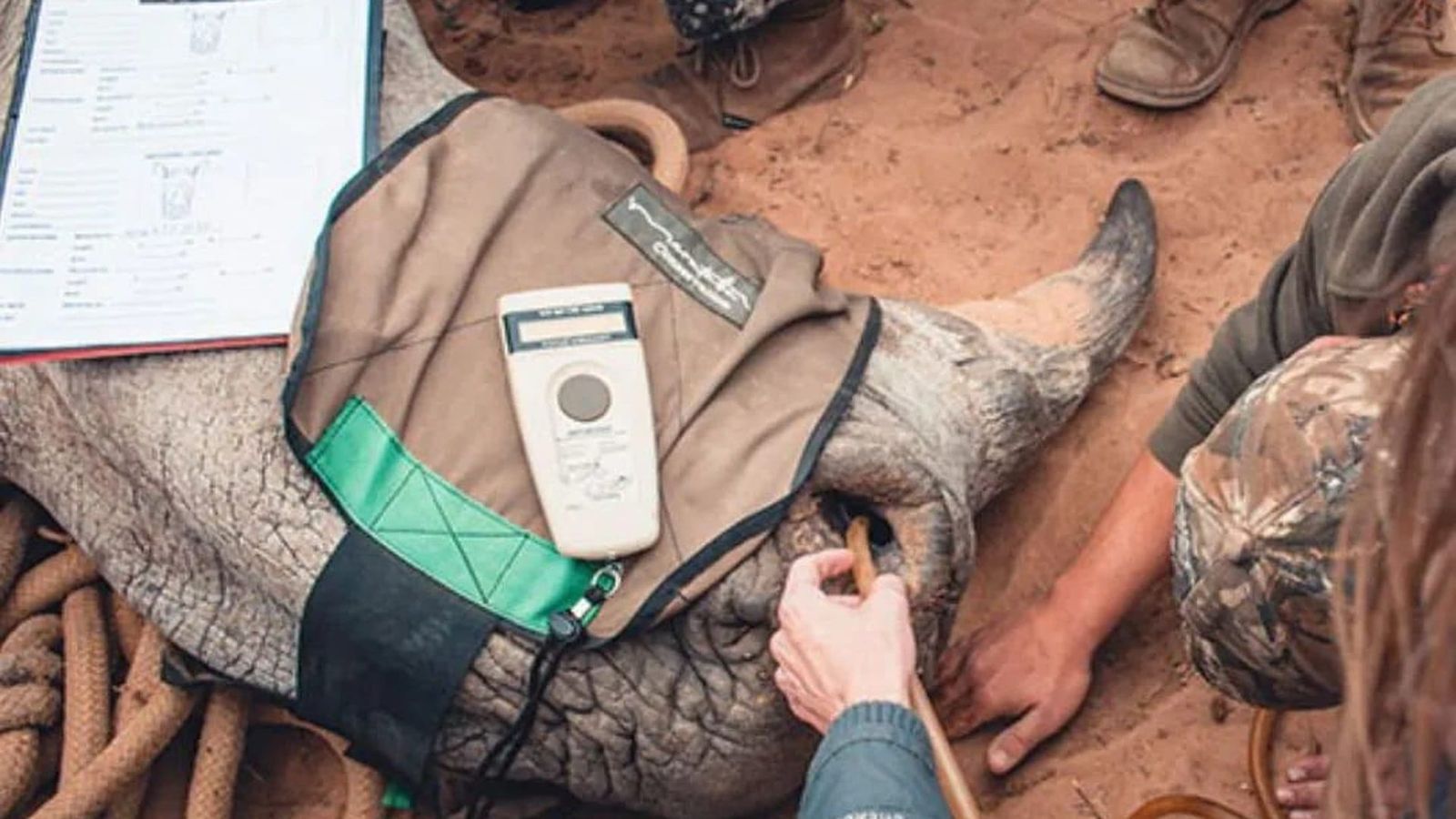
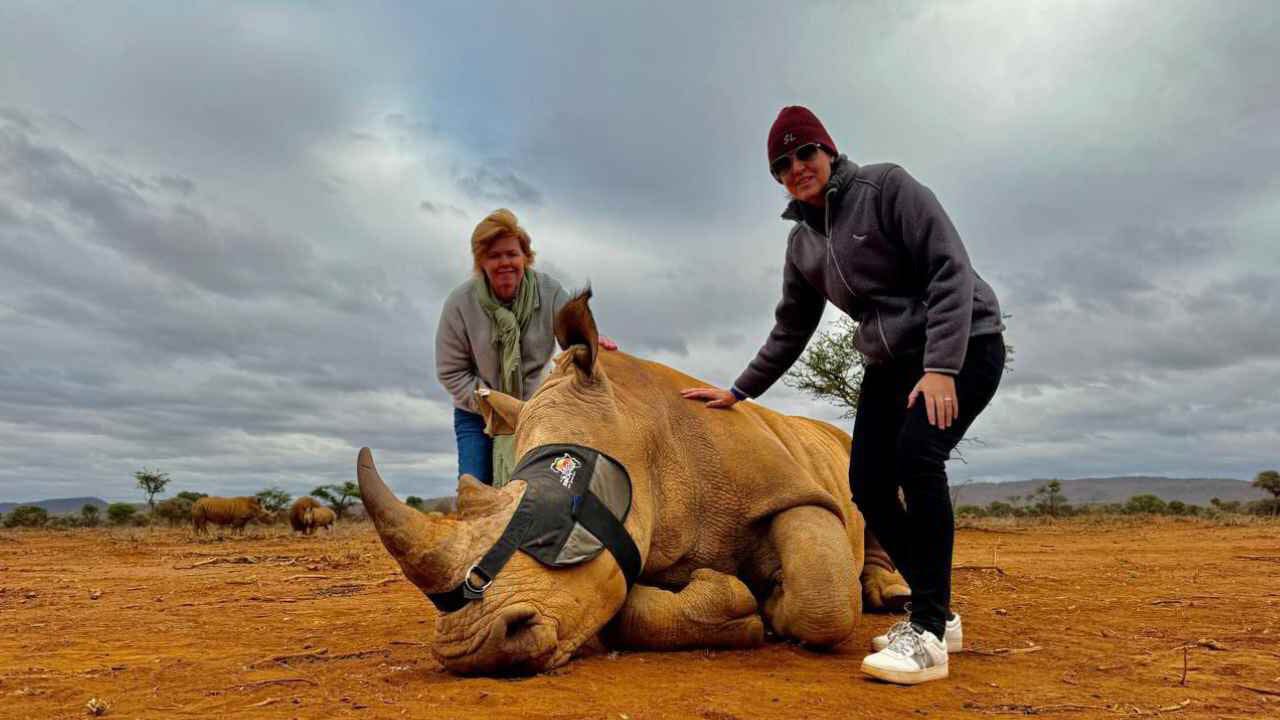
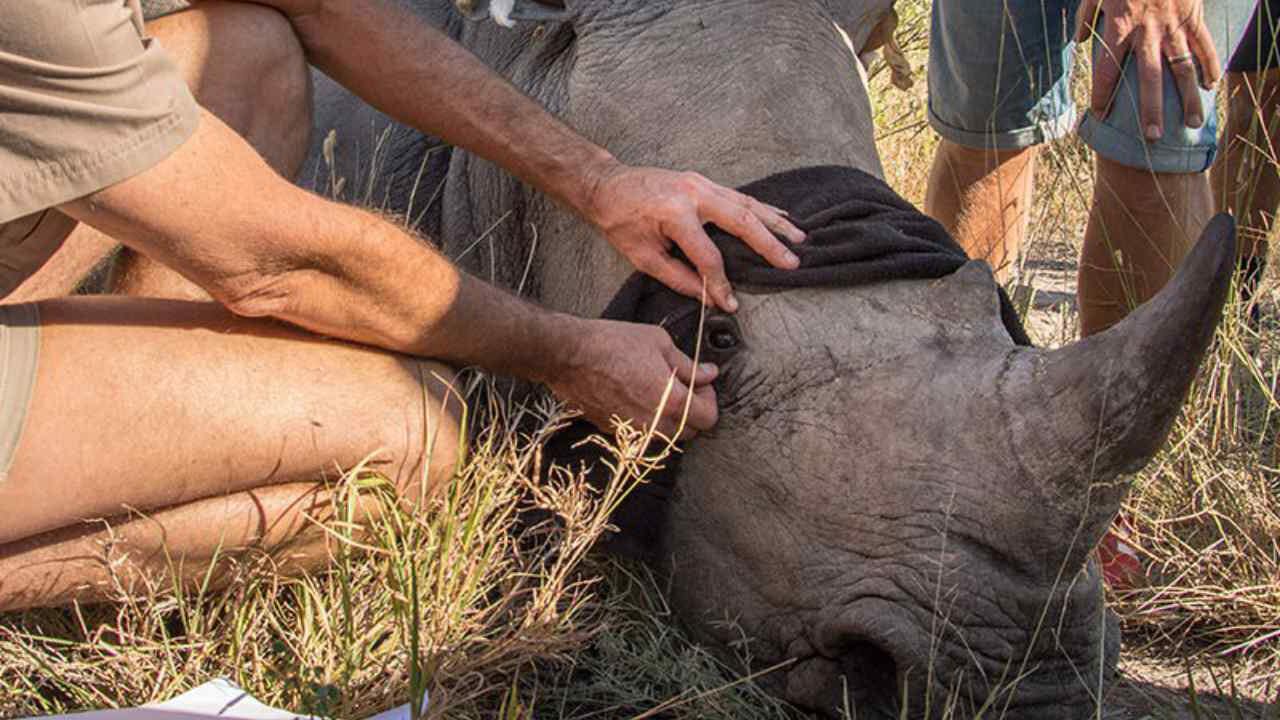
Anti-poaching rangers, rhino monitors, pangolin researchers. The reserves we use for this type of itinerary allow guests to go out with the field teams, ask direct questions and see how the operation runs. It is not a presentation. It is a working day.

02

Rhino tracking on foot

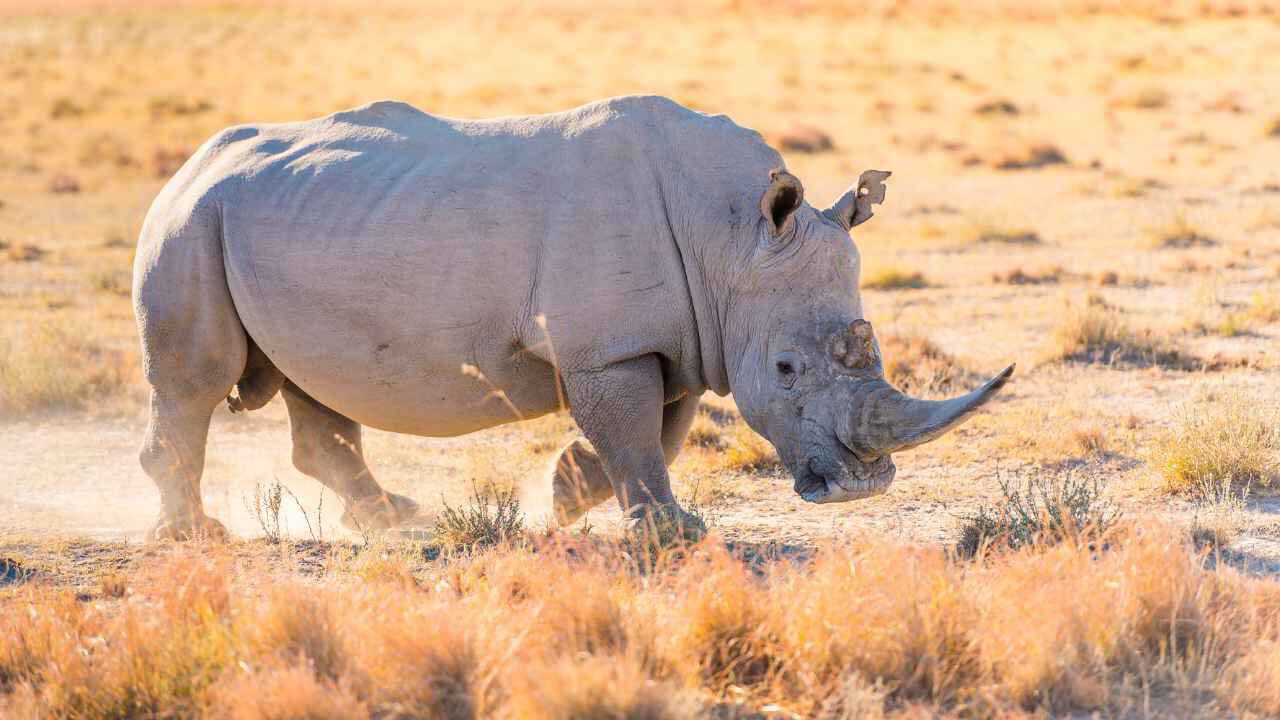
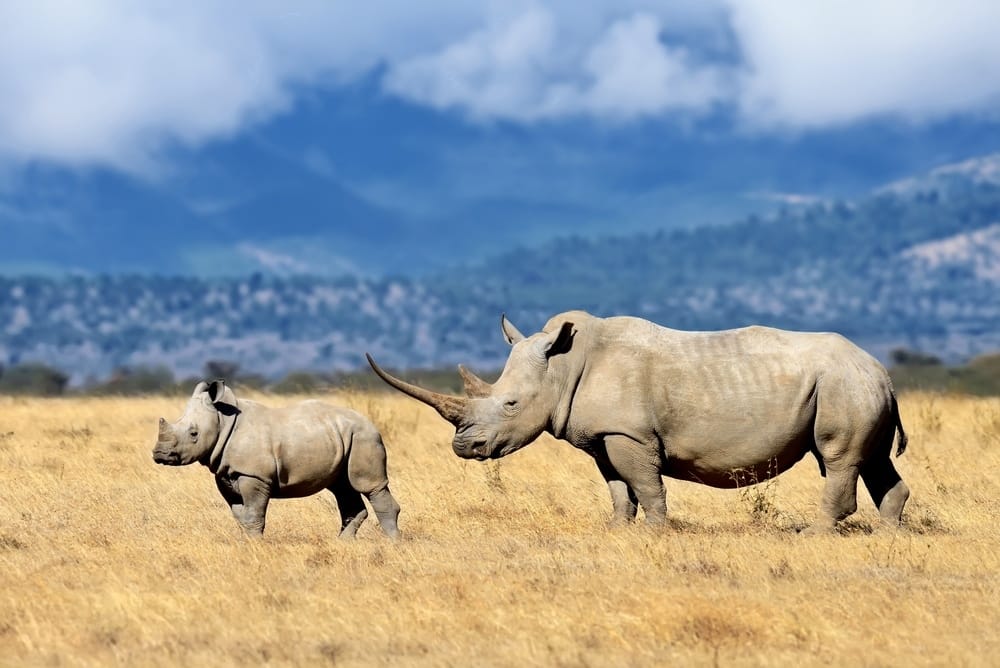
Phinda and several KwaZulu-Natal reserves run foot-based rhino monitoring programmes. Guests go out with the monitoring team, cover ground on foot and find the animals through tracks and radio telemetry. It is slow, physical and more interesting than a standard vehicle sighting.

03

Pangolin and nocturnal species research

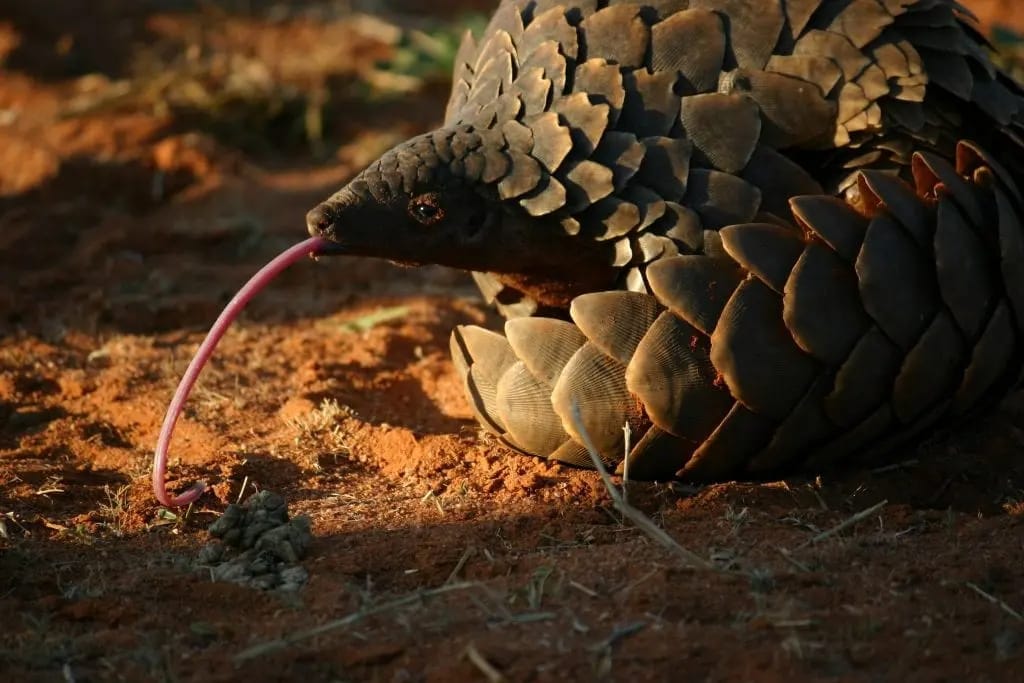
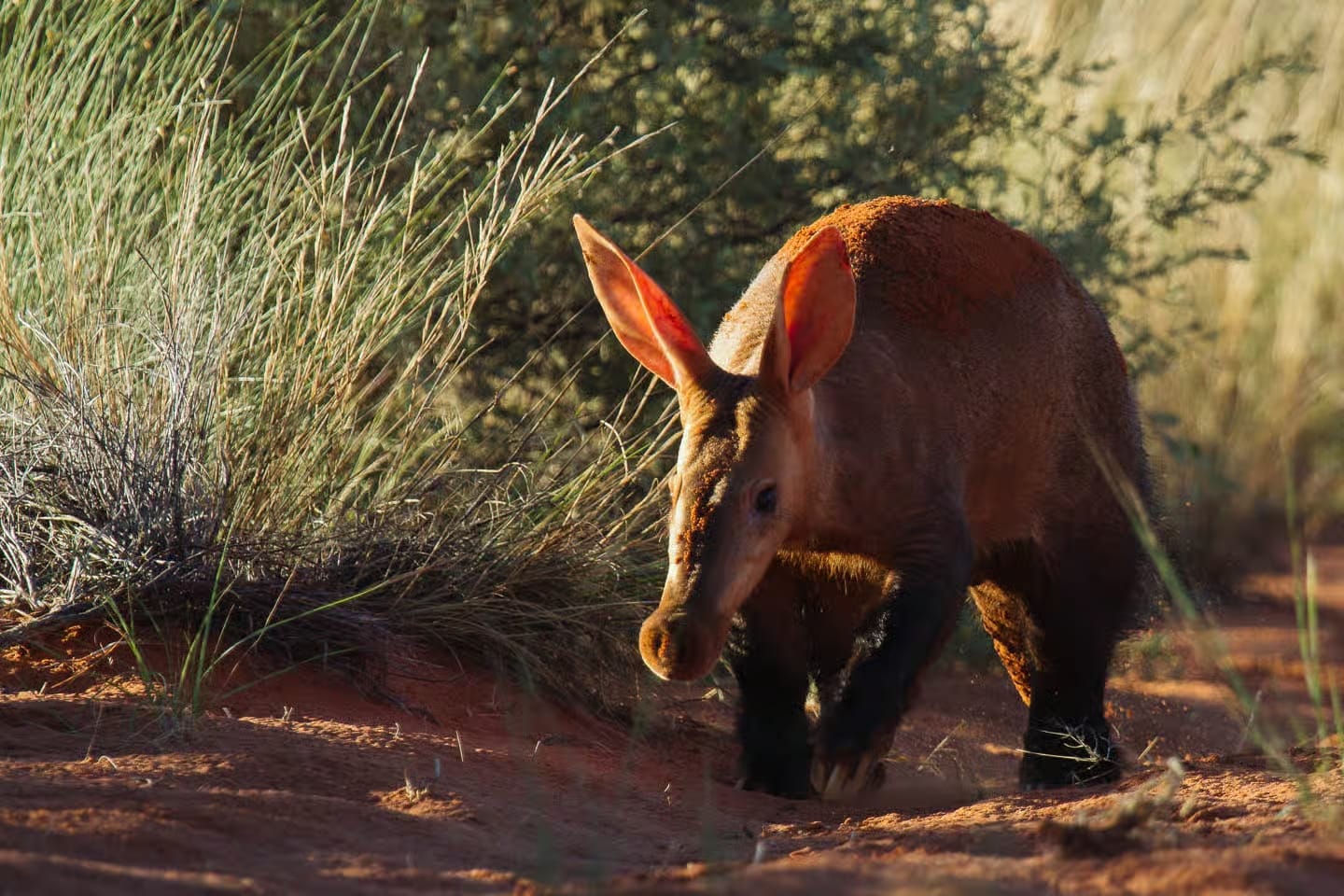
Tswalu in the Northern Cape runs a dedicated pangolin monitoring programme alongside aardvark and brown hyena research. Guests join the researchers on night drives that are structured around the study, not around what looks good from a vehicle. The pangolin is the rarest of the large mammals and Tswalu gives you a realistic chance of seeing one.

04

Predator research drives

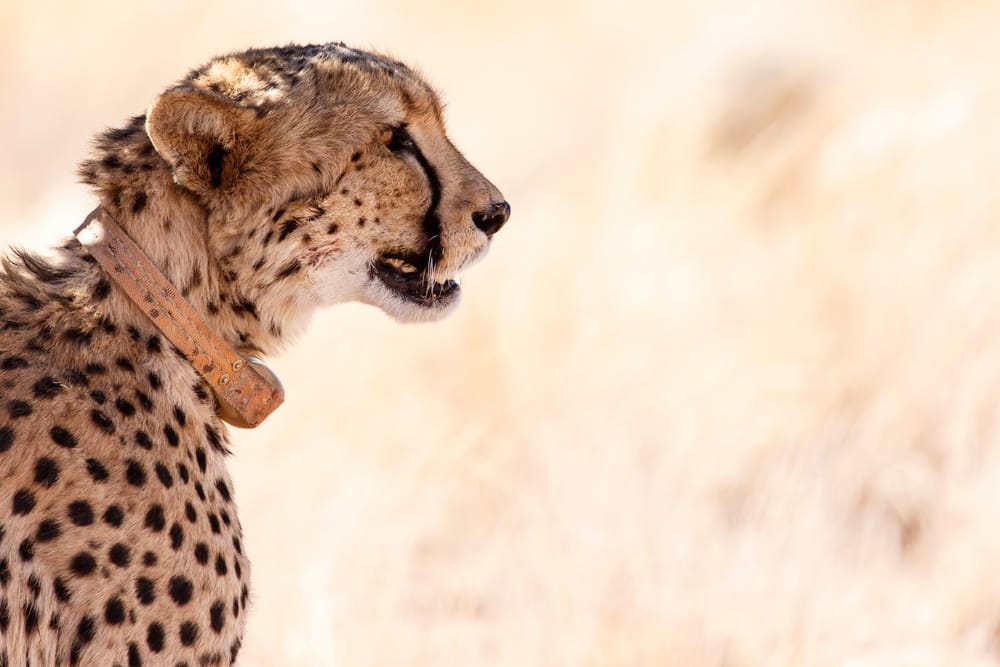
Singita Grumeti and the Mara conservancies in Kenya both run predator monitoring alongside standard game drives. Guests can join sessions where the research team is tracking lions or cheetah with collared individuals. The drives cover ground with a specific aim, which changes the quality of the time in the vehicle.

Sample journeys

Three conservation trips we plan most often

Programme availability varies by season. We confirm field team access before confirming bookings.

01

Phinda and KwaZulu-Natal, eight nights

Rhino monitoring and the iSimangaliso Wetland Park.

Four nights in Phinda with two sessions on the rhino monitoring programme. The remaining days are standard game drives at a reserve with all five of the large species. Then three nights at iSimangaliso, the coastal wetland adjacent to the reserve, with boat-based game viewing and shore walks. A complete KwaZulu-Natal itinerary that covers the conservation access and a different ecosystem.
02

Tswalu, six nights

The Kalahari, pangolin research and nocturnal species.

Six nights in Tswalu in the Northern Cape. Malaria-free, private and built around a research programme that gives guests two to three dedicated nights with the pangolin and aardvark monitoring team. The standard game driving is very good. The nocturnal sessions are what people talk about afterwards. One of the more specific conservation experiences available anywhere on the continent.

03

Lewa and Ol Pejeta, nine nights

Kenya's northern conservancies.

Four nights at Lewa, which runs one of the largest private rhino security operations in East Africa, with optional time alongside the rangers on patrol. Then five nights at Ol Pejeta, home to the world's last two northern white rhinos and an active black rhino programme. The Kenya trip for travellers who want the conservation work to be the centre of the itinerary, not the backdrop.

From a recent journey

★★★★★

There are so many choices, but the team met with us, helped narrow down our options, and did a superb job at selecting accommodations for us. Each one was beyond our expectations and we loved every minute of it.

Sue W., eight-night South African safari, June 2025

176 five-star Google Reviews read them →

The process

Safari planning, done properly

There is no algorithm picking your lodges. From the first message to the day you fly home, you deal with real people who care about this as deeply as you do.

01

A real conversation first

We start with a call or a long message. No commitment, no quote forms. We want to understand the trip you are imagining, your travel history, your budget, and what you have always quietly wanted Africa to give you.

02

A proposal that surprises you

We do not just suggest the obvious. We bring options you would not have found on your own: the newly reopened concession, the off-peak rate at the lodge that is usually full, the combination of regions that works for your dates.

03

We refine until it is right

We iterate together. There is no pressure. Some clients take three conversations to land a trip, others take two weeks. We only confirm the booking when you are completely certain.

04

We are with you the whole way

Pre-trip prep, packing notes, what to expect on the ground. A direct line to us while you are travelling. If anything changes on the trip, we handle it before you have to think about it.

Ready to start?

The safari you have quietly been thinking about

No commitment. No quote forms. Just a conversation with people who know the continent and know how to get you there in style.

Send a quick WhatsApp

Common questions

Common questions

Do all reserves offer this kind of access?

No. Conservation programme access is offered by a small number of reserves with active research or monitoring operations. We have direct relationships with the field teams at these reserves and confirm what is running before we include them in an itinerary.

What is the physical requirement for rhino tracking on foot?

Rhino monitoring on foot involves two to four hours of walking over uneven ground, sometimes in heat. A reasonable level of fitness is required. It is not technical but it is not a stroll. We brief clients on what to expect before they arrive so there are no surprises.

Can children join conservation programme activities?

Age restrictions vary by reserve and activity. Foot-based rhino monitoring typically requires guests to be fourteen or older. Predator research drives and nocturnal sessions are often open to younger guests. We check restrictions for each specific programme before recommending it for a family itinerary.

Does staying at a conservation reserve mean I am supporting the work financially?

At the reserves we use, yes. A portion of the rate at Lewa, Ol Pejeta and Tswalu goes directly to the conservation programme operating on the property. We can tell you specifically where the funds go at each reserve if that matters to how you choose between them.

Which reserve has the best pangolin experience?

Tswalu is the standout for pangolin. The Kalahari Meerkat Project and the Tswalu Foundation both run active monitoring on the property. Sightings are not guaranteed, but the programme has a high success rate and the researchers know the animals individually. It is currently one of the only places in Africa where guests can reliably see a pangolin in the wild.

From the field

Some moments from recent conservation journeys

Real trips, real travellers, photographed by us in the field.

SATSA Member, Bonded
Owner-led A planner, not a call centre
On the ground Twenty years on the continent

Plan it properly

Tell us what you are imagining

Three ways to begin. Pick whichever feels easiest.

By note

Start with a note

Tell us roughly what you are thinking. We come back within a working day, often sooner.

Send a note

By email

Send us an email

Write to Sian directly, with Vikki copied. Same working-day response, no forms in between.

Email us

By WhatsApp

Send a WhatsApp

Quickest if you have a short question. We answer between game drives and meetings, usually within the hour.

Open WhatsApp

Write to us

One of us will write back.

Replies come from Vikki or Sian. No obligation, just a conversation.

Prefer to write to us directly? sian@marulahill.com · WhatsApp +27 82 459 0648