
Safari lodges are not hotels
Why the comparison falls away the moment you understand how a safari lodge actually operates

Most safari pricing confusion comes down to one mistake. Comparing safari lodges to hotels. Safari lodges are not hotels, and that misunderstanding shapes everything that follows.
Safari lodges cost more than hotels because they operate in remote wilderness areas with complex logistics, high staff-to-guest ratios, expert guiding teams, and conservation costs built into the price. You are not paying for a room. You are paying for access, expertise, and a fully designed experience.
We see it often. Travellers arrive at the early planning stage trying to benchmark safari costs against familiar travel experiences. It makes sense, until you look a little closer.
Once you understand how a safari lodge actually operates, the comparison starts to fall away.
Safari lodge vs hotel: the real difference
A hotel is designed for convenience, efficiency, and scale.
A safari lodge is designed for access. Access to wildlife, to wilderness, and to experiences that cannot exist in built environments. It brings together accommodation, guiding, dining, and conservation into one integrated offering.
This is not a variation of a hotel. It is a fundamentally different model.
If you are still early in the planning process, understanding how to choose the right safari lodge becomes an important next step. Not all lodges offer the same experience.
Why safari lodges are not like hotels
Safari lodges are intentionally small and deliberately remote. That is not a compromise, it is the reason they exist.
In our work at Marula Hill, this is where understanding begins to shift. Lodges are chosen for location, not convenience. Wildlife density, landscape, and ecosystem take priority.
That decision creates a different kind of operation:
- No nearby suppliers or infrastructure
- Power generated on-site
- Independent water and waste systems
- Supplies transported over long distances
This is hospitality operating with precision, not scale.
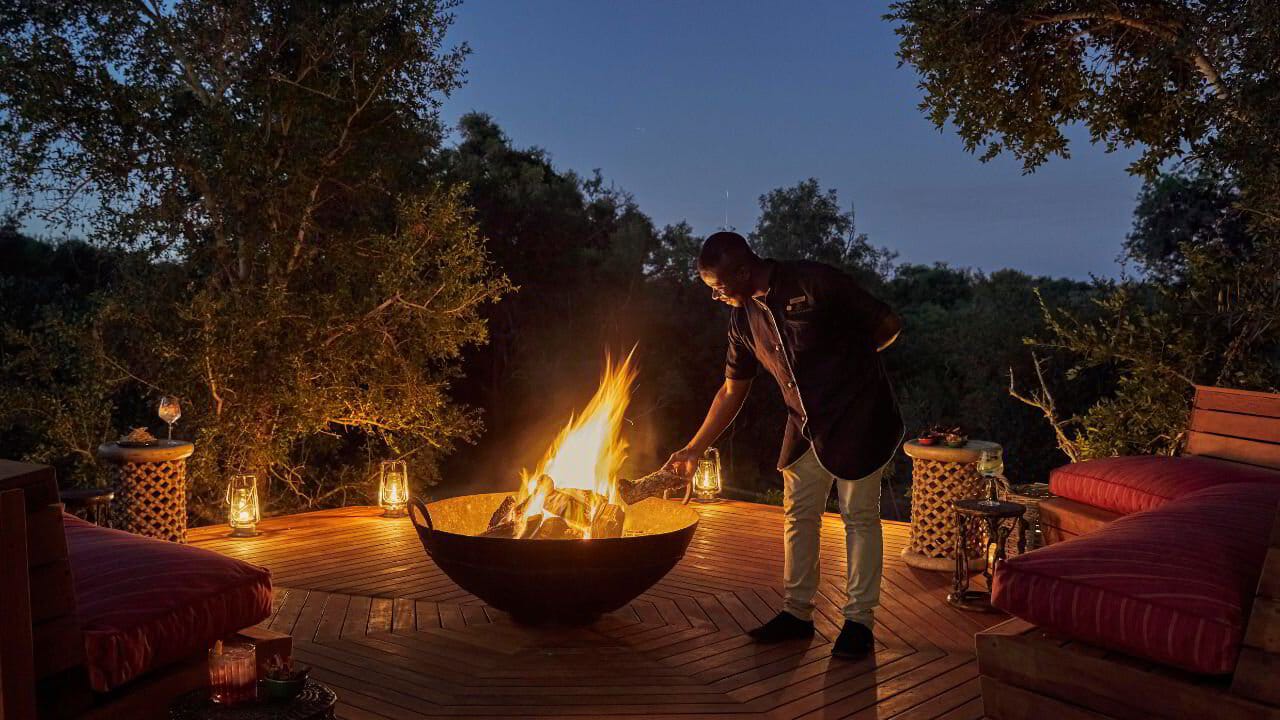
Why safari lodges cost more than hotels
Safari lodges are expensive because they are complex to run well.
With a limited number of rooms, costs are shared across fewer guests. At the same time, the experience is built around people and expertise. For a broader breakdown of pricing across destinations and styles, our guide on why African safaris are so expensive explores this in more detail.
What sits behind every stay includes:
- High staff-to-guest ratios for personalised service
- Skilled guides and trackers leading every activity
- Dedicated teams coordinating daily operations
- Flexible schedules shaped by wildlife, not convenience
Guiding, in particular, is central. It transforms a game drive into something meaningful. It cannot be replicated without experience.
The moment travellers understand what sits behind a safari, the people, the logistics, the conservation, the conversation shifts completely. It is no longer about price. It is about value.Vikki Jackson, Co-founder of Marula Hill
What is included in a safari lodge stay?
A safari lodge stay is typically all-inclusive, which is one of the biggest differences from a hotel.
Most stays include:
- Accommodation
- All meals
- Drinks (often including premium options)
- Daily game drives
- Guided bush walks
Guests are not paying for a room. They are stepping into a fully designed experience where everything has already been considered.
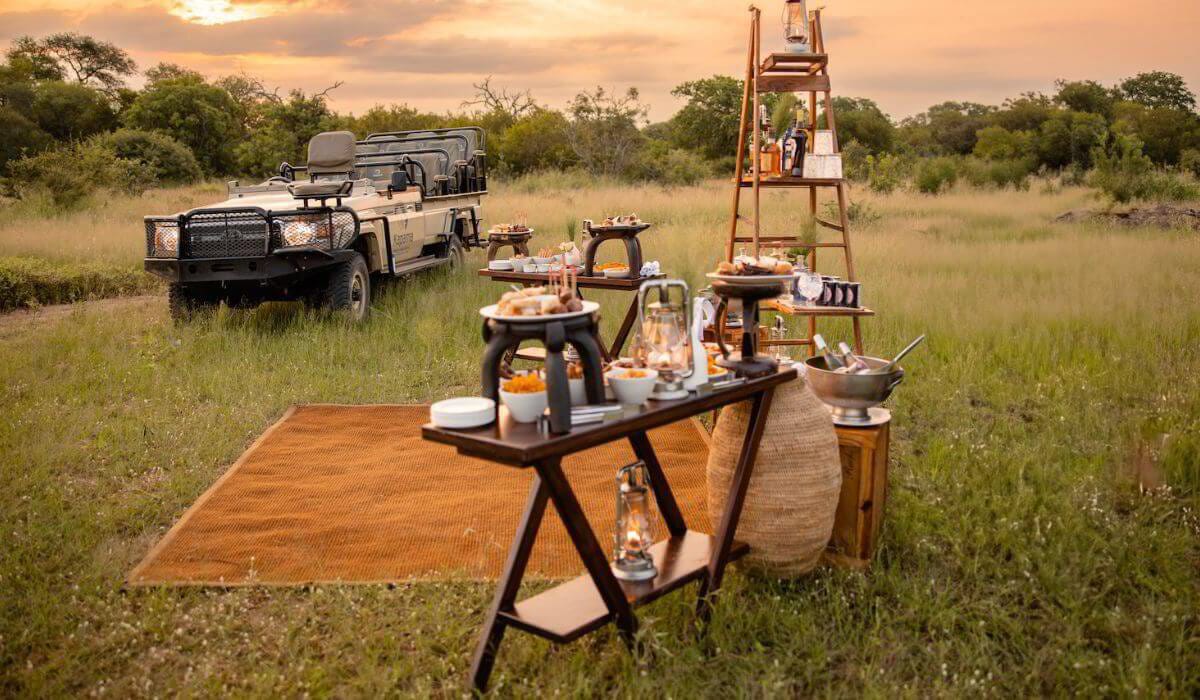
Why remote safari logistics increase costs
Operating in remote wilderness areas requires constant coordination.
Behind the scenes, lodges manage:
- Transporting food, beverages, and supplies over long distances
- Maintaining vehicles for rugged terrain
- Bringing in fuel where no infrastructure exists
- Supporting staff living on-site
From experience, this is one of the least visible but most defining aspects of a safari. Guests experience ease, but that ease is carefully built.
Conservation fees and private reserves
Many safari lodges operate within private reserves or conservation areas.
Part of the cost contributes directly to:
- Anti-poaching initiatives
- Habitat and wildlife management
- Community partnerships
- Long-term conservation efforts
This is not an optional extra. It is built into the structure of the safari experience.
This becomes clearer when you understand the difference between private reserves and national parks, and how each shapes the safari experience. In South Africa, the Sabi Sand is a private reserve. The Kruger National Park is a national park open to the public.
Why safari lodges have high staff-to-guest ratios
Safari lodges are built around people.
A typical stay is supported by a team that may include:
- Guides and trackers
- Chefs and kitchen teams
- Housekeeping staff
- Camp managers and operational teams
This allows for a level of attentiveness and flexibility that feels personal, and it is a key part of the overall cost.
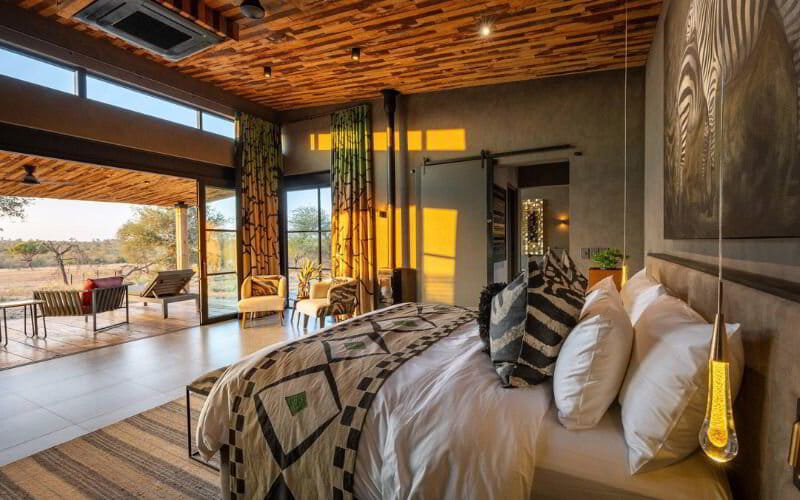
Why the hotel comparison falls short
Comparing a safari lodge to a hotel simplifies something far more complex.
A hotel provides accommodation in a convenient location.
A safari lodge provides:
- Access to remote wilderness
- Guided wildlife experiences
- Integrated logistics and operations
- A fully designed trip
They are built for entirely different purposes, which is why the comparison does not hold.
Are safari lodges worth the cost?
Safari lodges are worth the cost for travellers seeking depth, not just comfort.
The value lies in:
- Access to wildlife in natural environments
- The expertise of guiding teams
- The integration of every part of the experience
- The connection to conservation and place
For many travellers, this is where the shift happens. From questioning the cost to recognising the value.
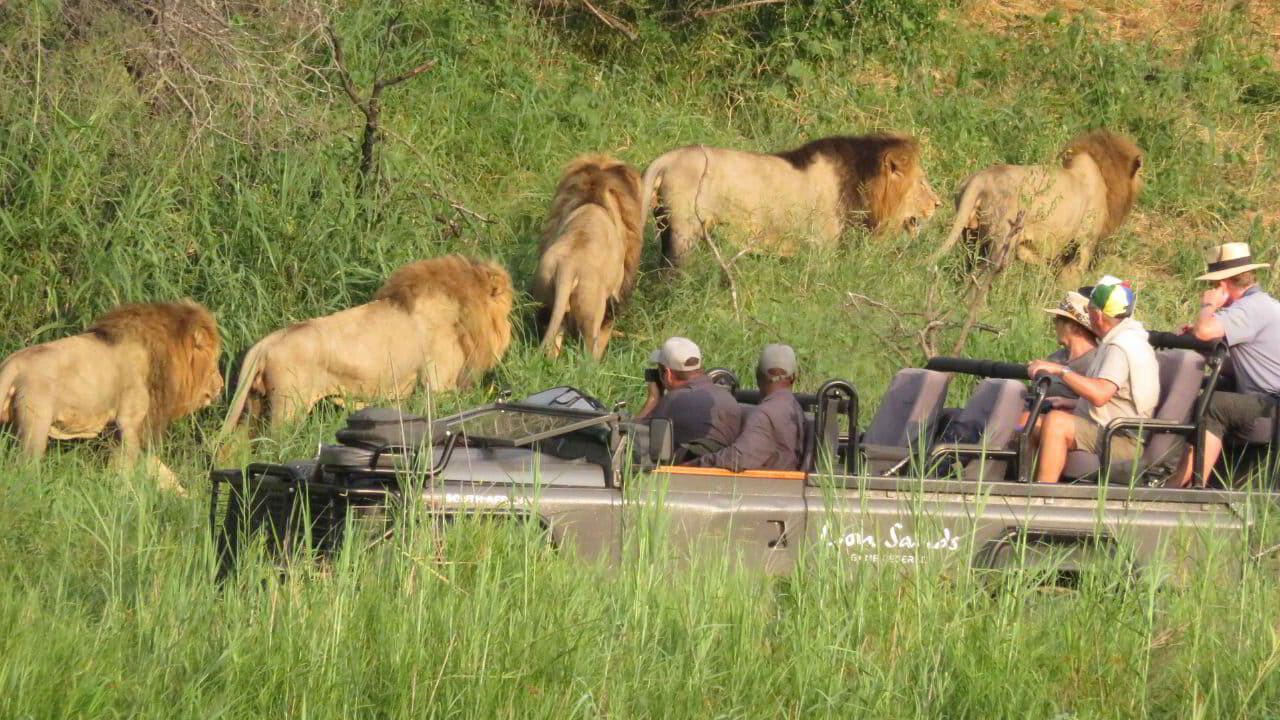
A shift in how travellers understand value
We are seeing a clear shift in how travellers approach safari pricing.
Timing also plays a role in how value is experienced, which is why understanding the best time to go on safari in Africa is an important part of planning.
Instead of focusing only on nightly rates, more travellers are considering:
- What is included
- Who is guiding them
- Where the lodge is located
- How the experience is structured
This shift moves the conversation from cost to value.
Final thought
At Marula Hill, pricing conversations often begin with comparison.
But they do not stay there.
Once you understand what goes into a safari lodge experience, it becomes clear that this is not simply a different price point. It is a fundamentally different way of travelling.
And that is why safari lodges are not hotels.
Sian Loehrer
Frequently asked questions
Why are safari lodges so expensive?
Safari lodges are expensive because they operate in remote locations with high logistics costs, expert guiding teams, high staff-to-guest ratios, and conservation fees. The price typically includes accommodation, meals, drinks, and daily activities.
What is the difference between a safari lodge and a hotel?
A safari lodge offers a fully designed, all-inclusive experience in a remote wilderness setting. A hotel provides accommodation in an accessible location with established infrastructure.
What is included in a safari lodge stay?
Most safari lodge stays include accommodation, meals, drinks, daily game drives, and guided activities, creating a fully hosted experience.
Why do safari lodges have so few rooms?
Safari lodges are intentionally small to protect the environment, maintain exclusivity, and improve wildlife experiences.
Are safari lodges all-inclusive?
Yes, most safari lodges are all-inclusive, covering accommodation, meals, drinks, and guided safari activities.
If this resonated
The bush has been expecting you
Start with a conversation. We will ask what makes you want to wake up at four-thirty, and build from there.
Begin a conversation
Royal Malewane reopens: what we remember, and what the fact sheet confirms
The original Royal Portfolio property is back after months behind scaffolding. We haven't seen it yet. Here is what we know anyway.

We run on solar and we have not printed since 2019
Vikki and Sian on solar power, paper, and what a small safari company can honestly claim.

Sandringham Private Game Reserve: should you go early, or wait?
Greater Kruger's newest reserve opens in August 2026. Our honest take on who should book Sandringham early, and who should give it a few seasons.

The packing guide
What to bring on safari, what to leave at home, and the one thing no lodge can lend you. An honest packing list from the team in Hoedspruit.

How do you want to feel when you get home?
Why we plan safaris around how you want to feel when you get home, not around a pin on the map.

South Africa's online traveller declaration: what it means for your safari (and what it doesn't)
A five-minute customs form now stands between you and the arrivals hall. Here's what it is, who needs it, and what nothing to declare actually means for a normal safari guest.

Safari After Dark
Night drives reveal a different Africa. Quieter, older, more deliberate. Here's what we love about the bush after the sun goes down.

How we tailor every Marula Hill safari
We don't start with destinations. We start with you: your pace, your family, your idea of a good day in the bush.

When space teaches: what Saseka's refresh tells us about gathering in the bush
What a thoughtful safari lodge refresh tells us about gathering in the bush.

Inside FedAir's new Baobab lounge at Hoedspruit
The new Baobab lounge at Hoedspruit airport changes how a safari begins. Vikki Jackson on the room that holds you before the bush does.

How safari pricing actually works
From the people who build the quotes. What you are really paying for, where the money goes, and how to spend it well.

Monwana, and what coming home actually means
By Vikki Jackson and Sian Loehrer. A week at the Thornybush lodge that has built its whole identity around the word home, and what we found when we tested it against the room, the drives, the afternoons and the bill.

The Mozambique dhow: a slow boat at the end of a fast trip
Why we put a dhow afternoon into almost every Mozambique trip. Sail, salt water and the long breath out after safari.

Why we built the Antarctica page
A short note from Sian on why an African safari business added Antarctica to its destination map, and how we handle a trip neither founder has yet made.

Lion Sands Ivory Lodge. What their redesign gets right
I visited Lion Sands Ivory Lodge in the Sabi Sand. The redesigned spaces are quiet, bold, and rare. Here is what they got right.

Where the money actually goes on a luxury safari
A line-by-line look at what you're actually paying for on a luxury African safari — and what a quote that looks light is usually hiding.

Bazaruto vs Quirimbas: which Mozambique archipelago is right for you?
How to choose between Mozambique's two great archipelagos for a bush-and-beach trip. Geography, lodge feel, when to go.

Sabi Sand or Kruger
Two reserves, one fence line, very different mornings

What is the best month to visit Cape Town?
Cape Town rewards you differently in every season, but March to May is the window most of our clients come back to.

What Singita Lebombo's 2026 redesign tells us
Lebombo reopened March 2026 warmer, quieter, more art-led

Gorilla trekking, Uganda or Rwanda
Two countries, the same forest, two very different days

Do you need travel insurance for a safari
What safari travel insurance must cover, and why standard policies fall short

How two women from outside the travel industry built a luxury safari brand from Africa
We are the two women behind Marula Hill. One of us came from IBM, the other from MARS Southern Africa. Here is the long version of how a private safari business gets built from outside the travel industry.

Sole-use villa safaris in Africa
What sole-use villa safaris mean in practice, who they suit, and what to ask

Why Rwanda is the cleanest country in Africa
A plastic-bag ban from 2008. A mandatory community work morning on the last Saturday of every month. The system behind Rwanda's cleanliness, explained.