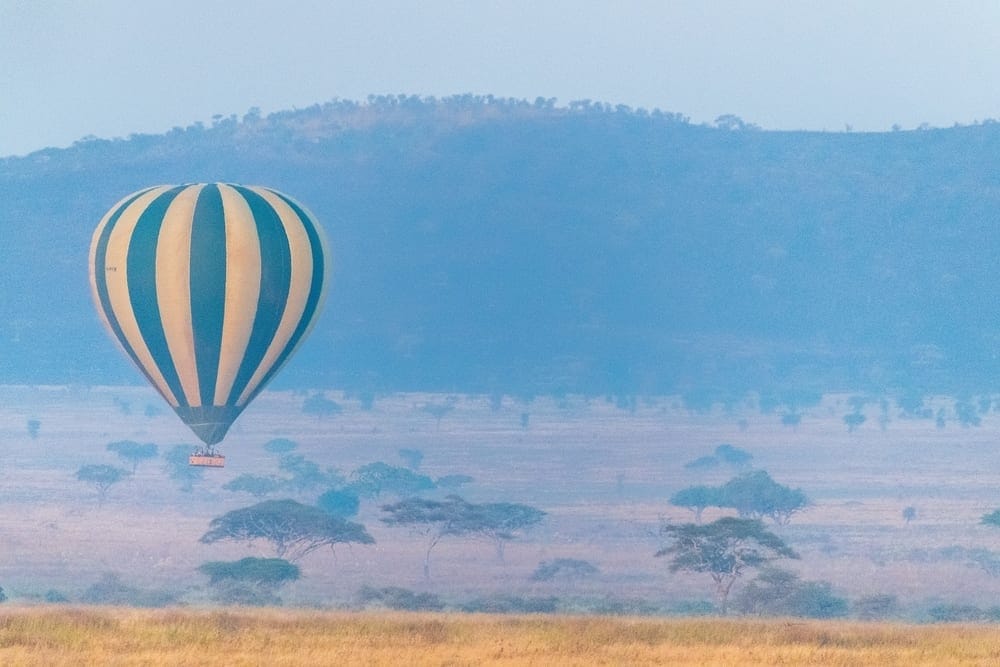
Hot air balloon drifting over the Serengeti plains at sunrise

Tanzania Safari Guide

Tanzania, the country that still feels classical

Some safaris are quiet and modern. This one is operatic.

Why Tanzania

The country that gave us the word safari

If Botswana is the modern safari and Namibia is the strange one, Tanzania is the original. The first commercial safari companies were Tanzanian. The first photographic camps. The first national parks of any real scale on the continent. And the wildlife concentrations that built the genre, the Serengeti's plains and the herds that move across them, are still here, still in numbers that make every other ecosystem feel small.

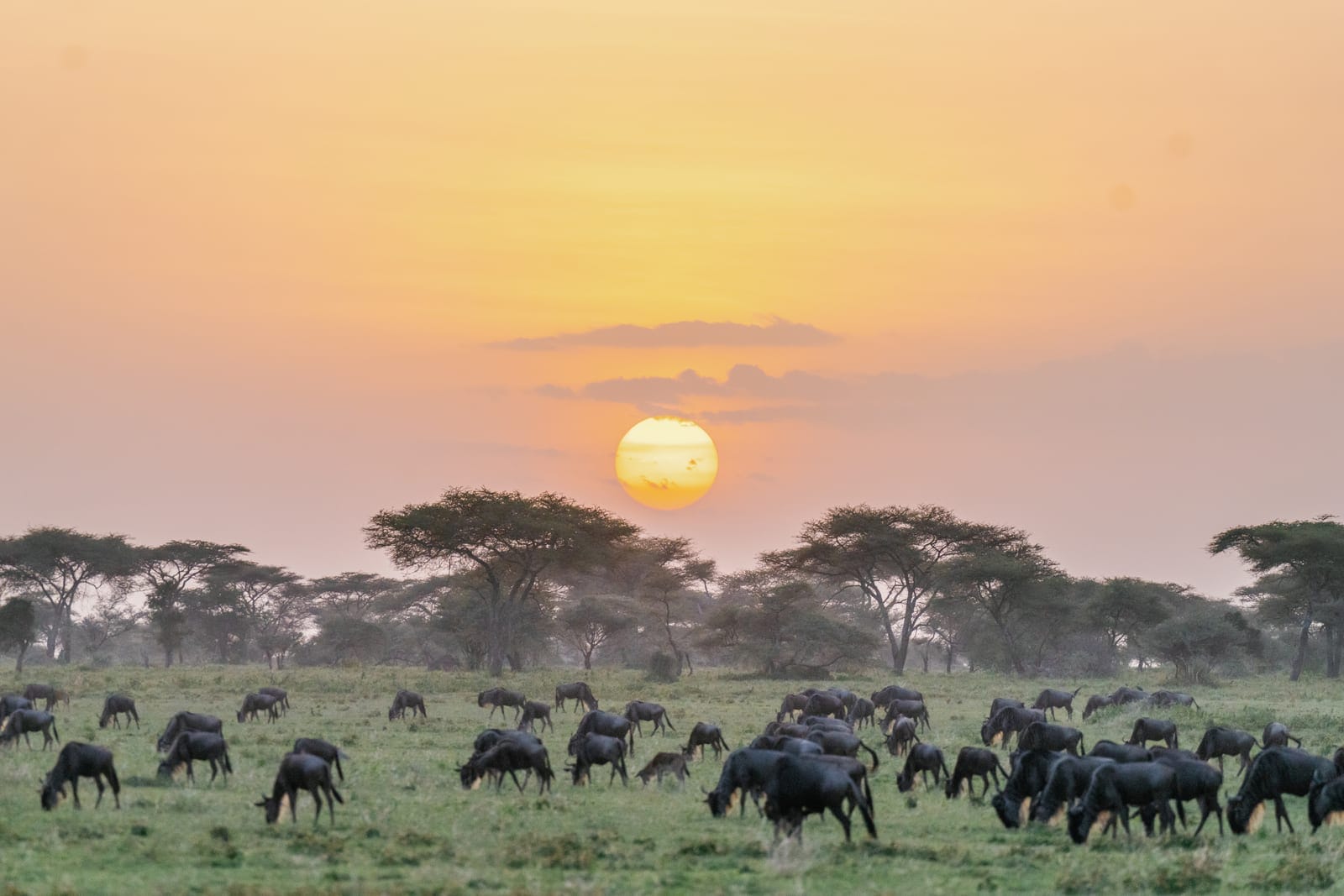
The northern circuit (Serengeti, Ngorongoro, Tarangire, Manyara) is what most clients picture when they imagine East Africa. Wide grass plains under enormous skies. Acacia trees in classic silhouette. Lions on the rocks. Wildebeest in numbers that defy the eye. The crater itself is a natural amphitheatre, a 260-square-kilometre caldera that holds the highest density of large mammals in Africa.

The southern circuit, Nyerere (the former Selous) and Ruaha, is the country's quieter half. Walking safaris, boat-based game viewing, far fewer vehicles. We send experienced safari clients here when they want to follow up the north with something more remote. And we end most Tanzania trips on Zanzibar's Mnemba or Pemba, where the Indian Ocean does what it does to a long bush trip: it slows everything down to nothing.

Where Tanzania sits

A geography worth knowing

The five regions of Tanzania we plan around, and how they sit in relation to each other.

What this country does best

What Tanzania does best

01

The migration on the southern plains

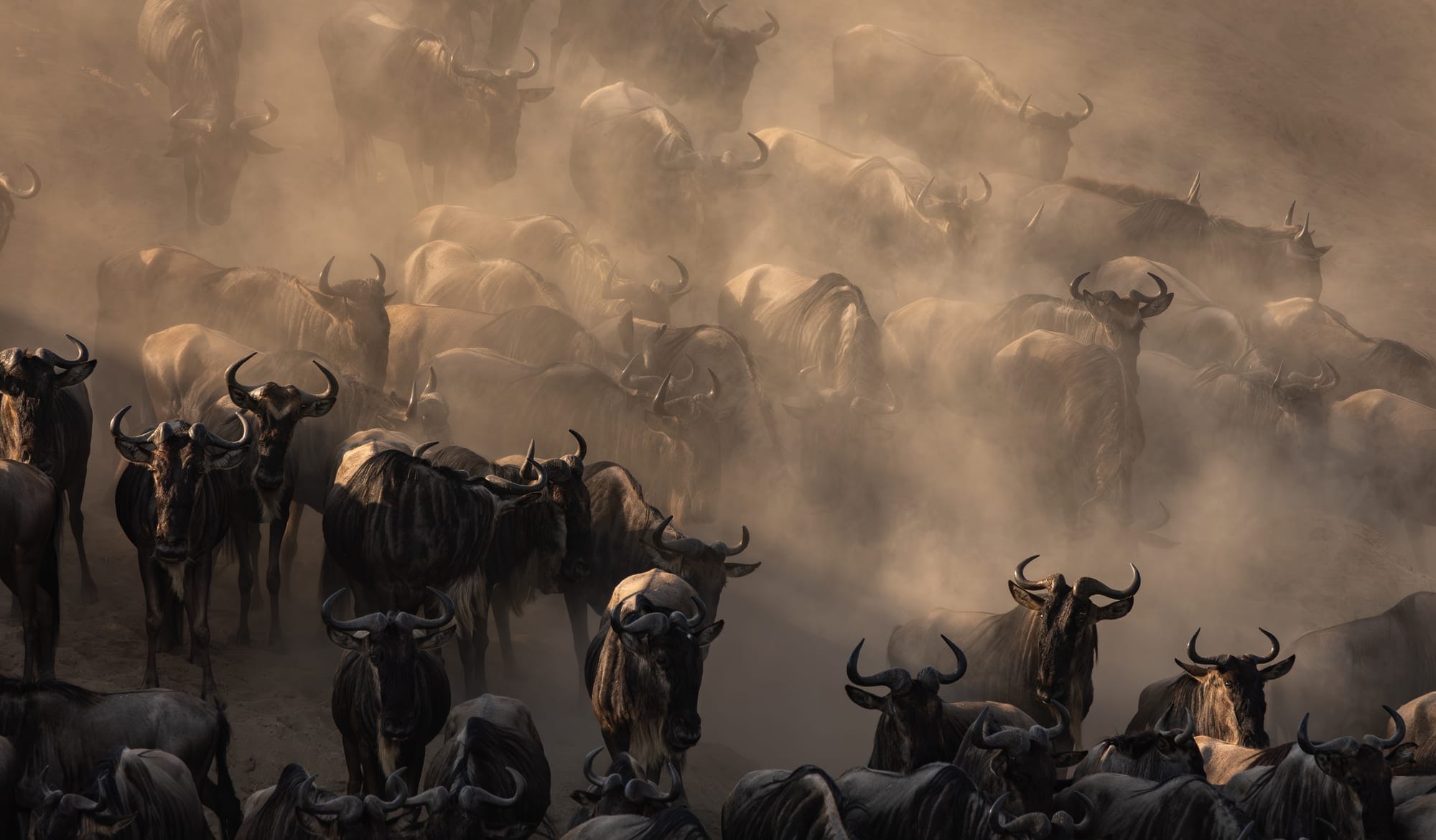
January to March, when the wildebeest calve on the short-grass plains of the southern Serengeti and the Ndutu region. Up to 8,000 calves born a day. Predator action is at its peak. Less crowded than the river crossings and, for our money, the more rewarding window.

02

The Ngorongoro Crater at dawn

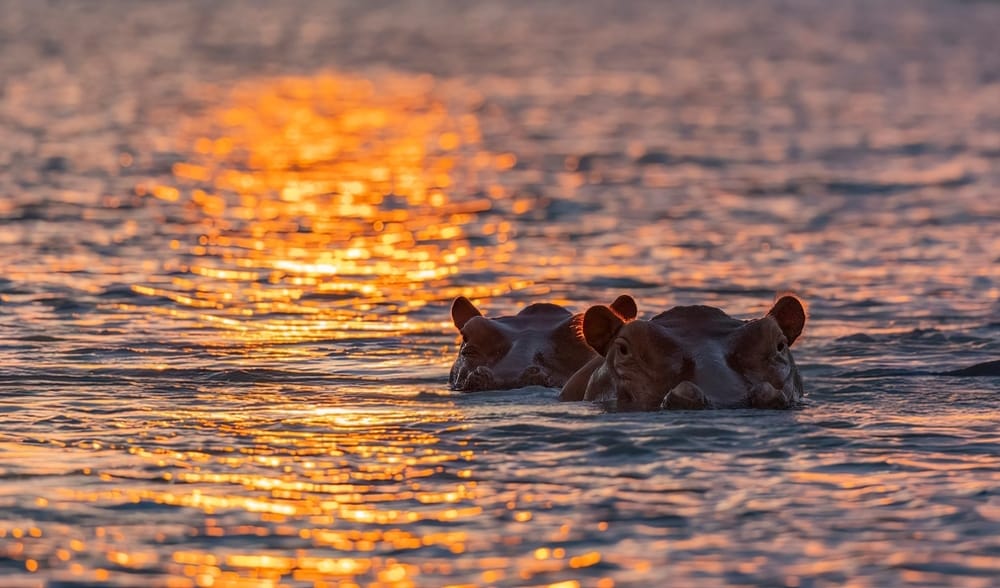
Dropping into the crater at first light before the day visitors arrive. Lions on the open floor. Black rhino in the scrub. Hippos in the soda lake. The highest density of large mammals on the continent in a single bowl of grass.

03

Walking in the south

Nyerere and Ruaha allow walking safaris that the northern parks do not. Mornings on foot with armed guides, tracking buffalo, elephant and lion. Cold beers at the boat by 11. The bush at the pace it should be experienced.

04

Tarangire's elephants and baobabs

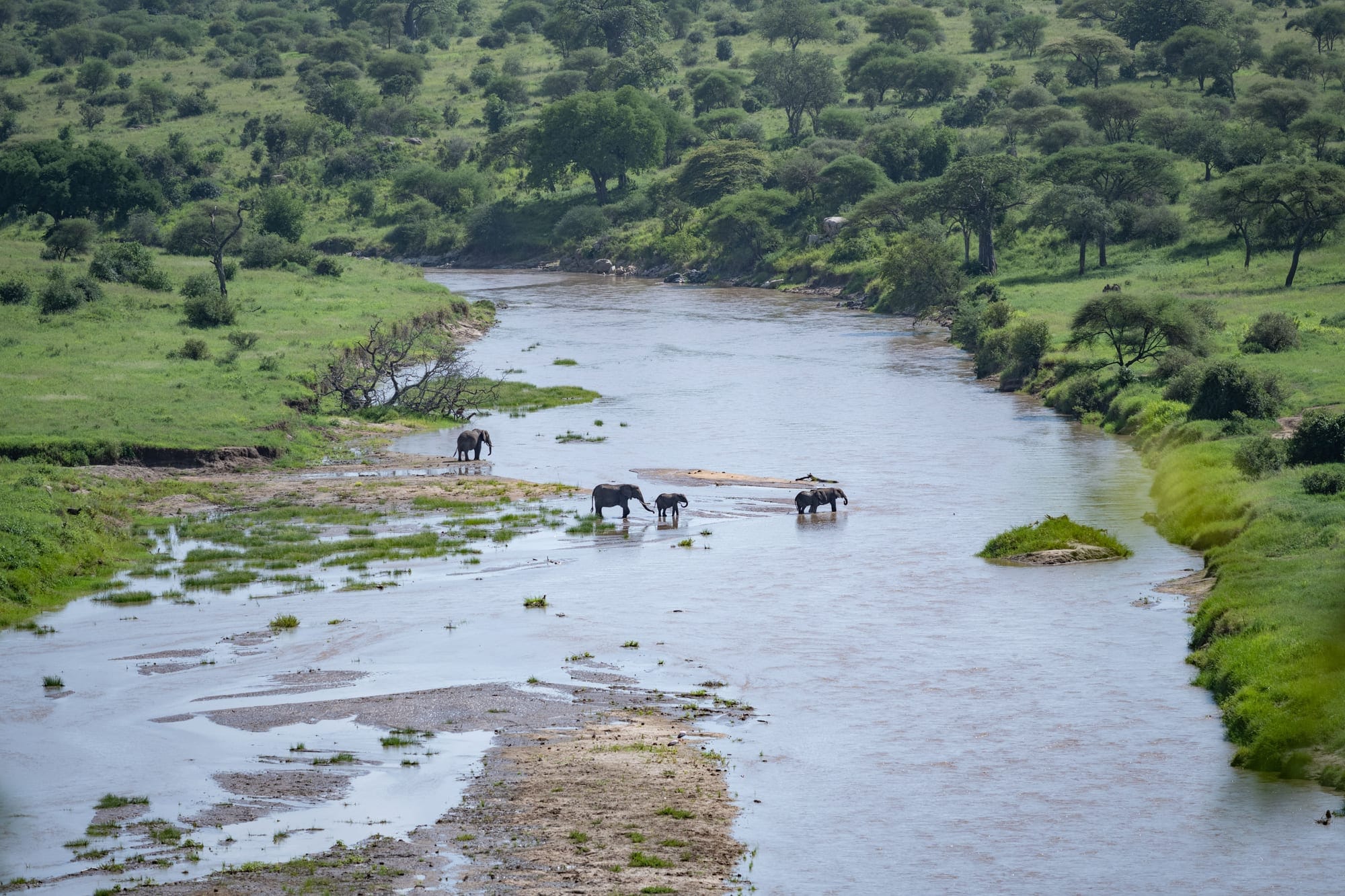
Tarangire holds the highest concentration of elephants in northern Tanzania, and the photogenic baobab trees that go with them. Often skipped in favour of the Serengeti. We rarely skip it. Two nights here is one of the best uses of your time on a northern circuit trip.

05

Mnemba Island and the Indian Ocean

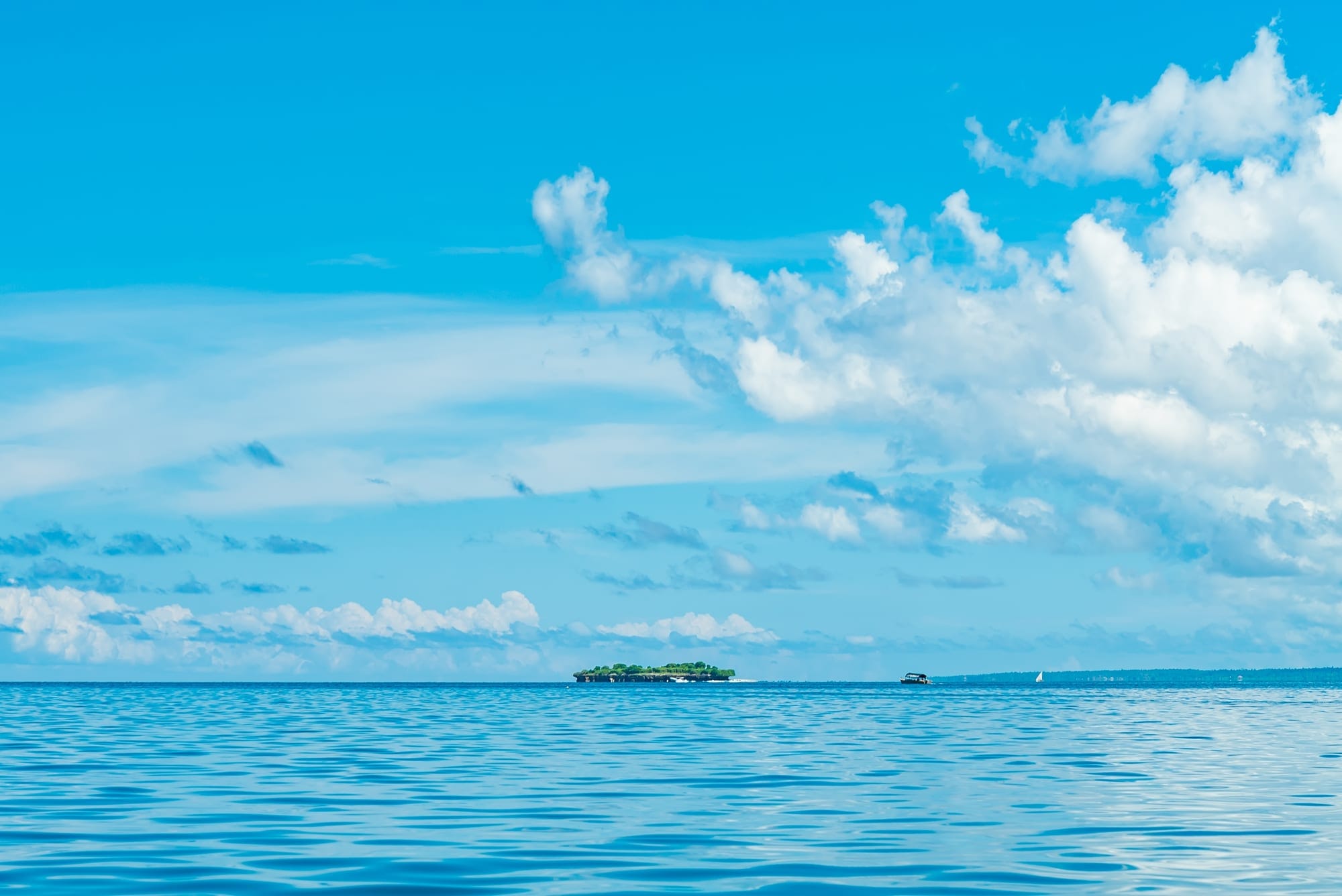
A 1.5-kilometre coral atoll off the north-east coast of Zanzibar. Twelve bandas, no more. Dolphins, turtles, the kind of beach the brochures over-promise everywhere else. The right ending for a long Tanzania safari.

06

The balloon at Tarangire and the Serengeti

The morning balloon flights over the migration plains and the Tarangire river system are some of the strongest single-experience moments in African travel. We book them. We do not over-book them. One flight per trip is enough.

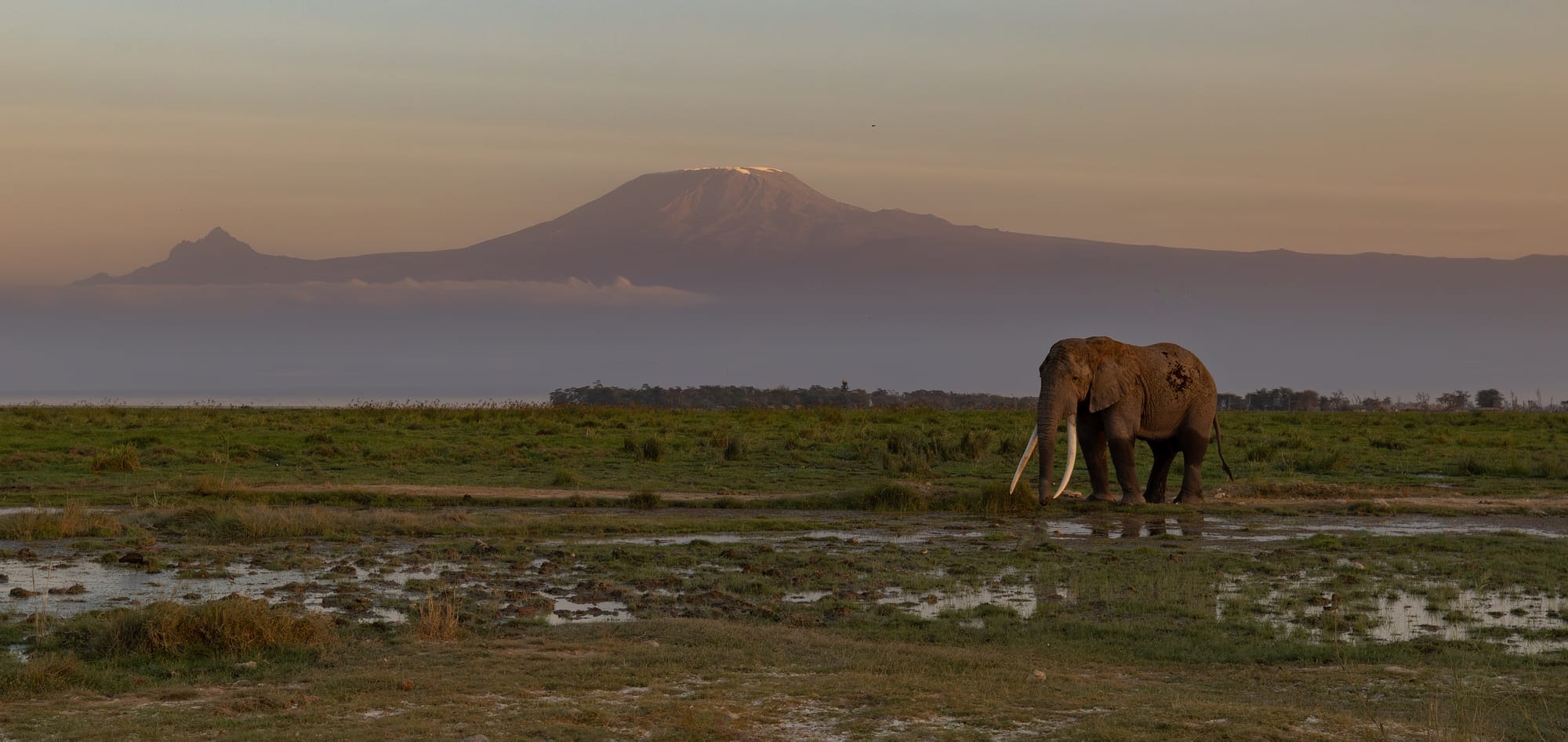
Elephant bull walking in front of the snow cap of Mount Kilimanjaro

When to be here

We don't ask when you want to go. We ask what you want from it

Tanzania works almost year-round, but where you go shifts dramatically with the seasons. Four ways to think about it:

For the calving

The southern Serengeti at full pulse

January to March

The wildebeest calve on the short-grass plains of the south. Up to 8,000 calves a day at peak. Predator action is intense. Cool mornings, hot middays, occasional short rains. Our preferred window for a first-time migration trip.

For the river crossings

The Mara River in spate

August to October

The headline event. Wildebeest cross the Mara River between the northern Serengeti and the Masai Mara. Crocodiles in the water, big cats waiting on the banks. Crowded at the obvious crossing points. We use the western corridor and northern Serengeti for quieter access.

For the south

Walking and boats in Nyerere and Ruaha

June to October

The dry season concentrates wildlife on the Rufiji and Great Ruaha rivers. Walking and boating activities are at their best. Far fewer vehicles than the north. The country's quieter, more atmospheric half.

For the green Serengeti

The plains at their most beautiful

March to May

The long rains bring fewer travellers, lush plains, and a Serengeti that photographs in a way the dry season cannot reproduce. Some southern circuit camps close briefly. Rates are at their lowest. A specialist's window, but a strong one.

Tanzania month by month

JanuaryJan
FebruaryFeb
MarchMar
AprilApr
MayMay
JuneJun
JulyJul
AugustAug
SeptemberSep
OctoberOct
NovemberNov
DecemberDec

Hover or tap a month for details.

Peak dryGreen / summerDryMid

Where, specifically

Where, specifically

Hot air balloon drifting low over the wildebeest herds and acacia trees of the Serengeti at sunrise

Serengeti National Park

14,750 square kilometres of grass plains, kopjes and acacia woodland. The headline park of East Africa. We move clients between the south (calving), west (Grumeti), north (Mara crossings) and central regions according to the season. Mobile camps that move with the migration give the strongest experience.

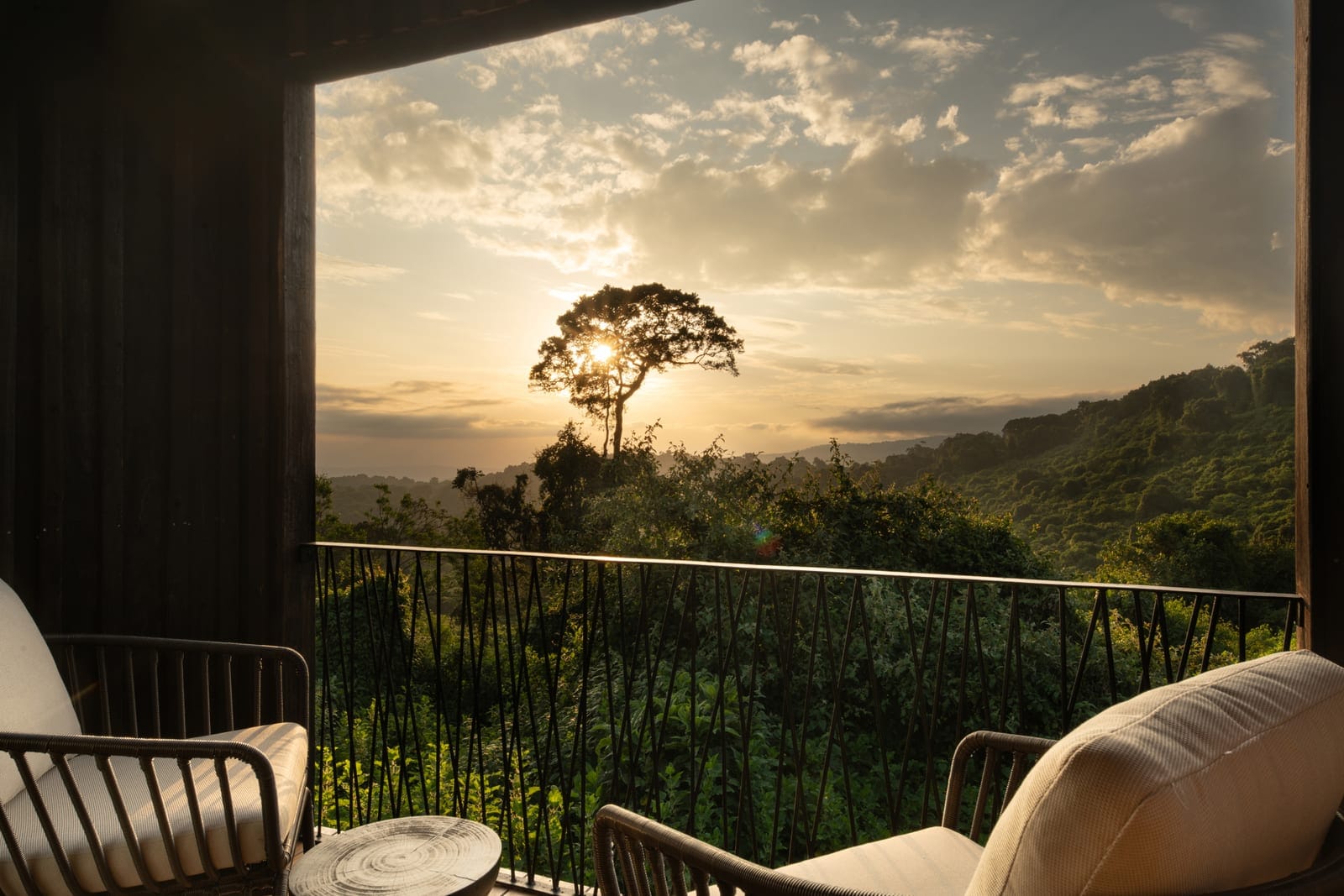
Stone-built lodge built into the rim of the Ngorongoro Crater at golden hour

Ngorongoro Crater

A 260-square-kilometre caldera with the highest density of large mammals in Africa. We stay on the rim, descend at first light, and ascend before the day-visitors arrive. Two nights is plenty. Most clients combine it with two or three nights in the Serengeti and a night in Tarangire.

Hot air balloon over the Tarangire river system with elephants below

Tarangire & Lake Manyara

The northern circuit's quieter parks. Tarangire for elephants and baobabs in the dry season. Manyara for tree-climbing lions and the soda lake escarpment. Often used as the first or last stop on a northern circuit trip. Worth more time than most travellers give them.

Herd of elephants at the water in Nyerere National Park, formerly the Selous Game Reserve

Nyerere (Selous) & Ruaha

The southern circuit. Nyerere is the country's largest park, with the Rufiji River running through it. Walking, boating and fly-camping are all permitted. Ruaha sits to the west: drier, quieter, exceptional for big cats. Both pair well with the northern circuit for clients on a longer trip.

Aerial view of Mnemba Island, a small coral atoll off Zanzibar's north-east coast

Zanzibar & the islands

The Indian Ocean ending. Mnemba is the headline island, a 1.5-kilometre atoll with twelve bandas and exceptional snorkelling. Pemba sits north of Zanzibar and is quieter still. Zanzibar Stone Town offers a few nights of cultural contrast at the start or end of a beach stay.

Wide editorial photograph of safari vehicles surrounded by wildebeest of the Great Migration on the Serengeti plains
Safari vehicle surrounded by wildebeest of the Great Migration, the route for our eleven-night Tanzania itinerary

A signature Tanzania journey

Eleven nights through northern Tanzania and Mnemba

Tarangire, the Ngorongoro Crater, the Serengeti following the migration, and a final five nights on Mnemba Island.

  • Nights11
  • RouteTarangire → Ngorongoro → Serengeti → Mnemba
View the full itinerary →

A starting point, not a fixed package. We rebuild every itinerary around the traveller.

What it costs

What a Tanzania safari costs

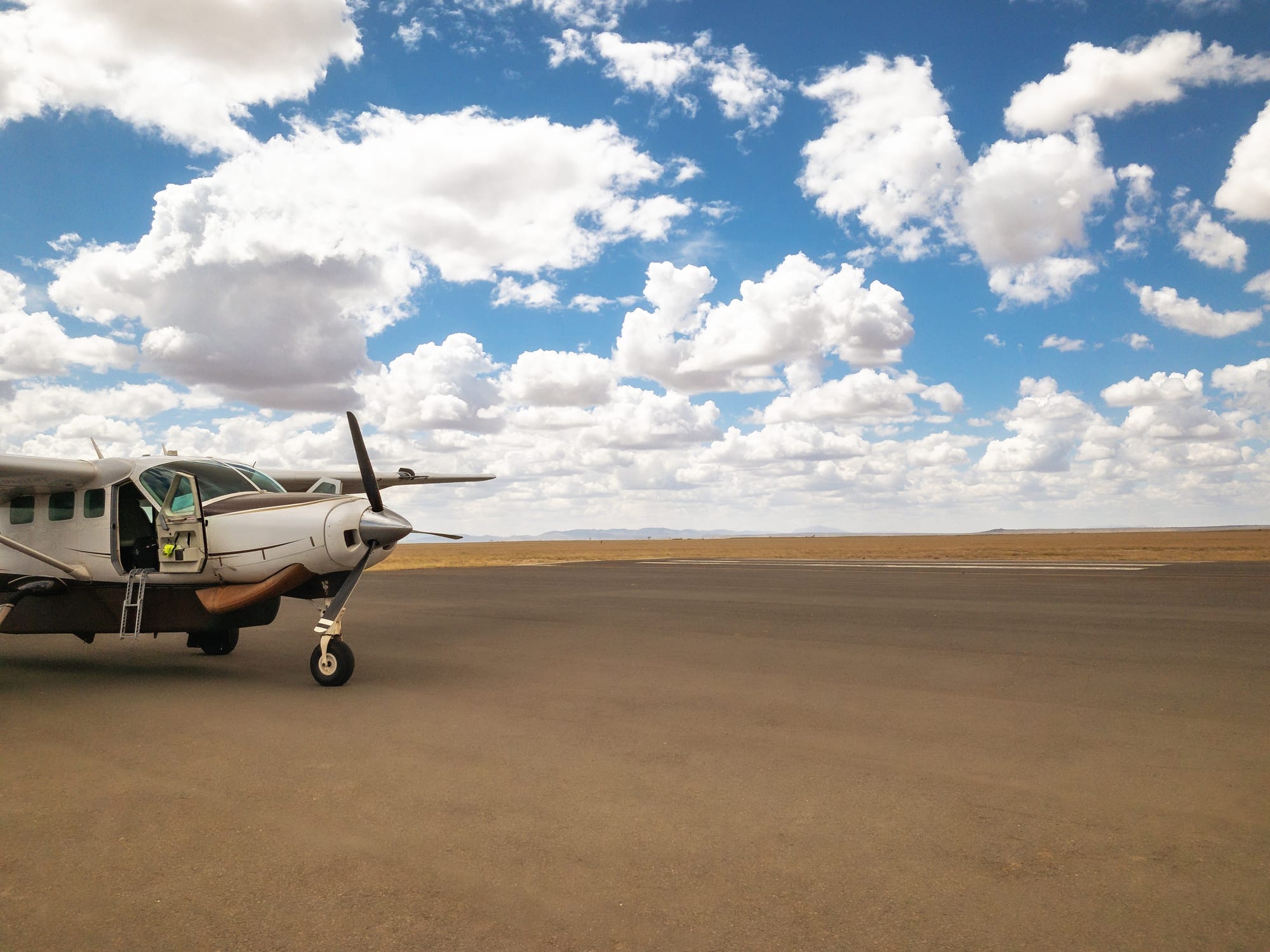
The pricing is per person per night sharing. All-inclusive of accommodation, meals, drinks, twice-daily game activities, park fees and lodge transfers. Light-aircraft fly-ins between regions add $300 to $700 per person, per leg. Park fees are high in Tanzania and add meaningfully to the total.

4-star plus

From $900 to $1,500

per person, per night, sharing

Quality mobile and semi-permanent camps in shoulder seasons, and the better lodges of Tarangire, Manyara and the southern circuit. Strong guiding, simpler finishes.

5-star

From $1,500 to $3,000

per person, per night, sharing

The mid-tier of the Serengeti, Nyerere and Ruaha. Polished tented camps on private concessions, balloon flights, walking and boating included.

5-star premium

From $3,000 to $5,500

per person, per night, sharing

The flagships. Highest game densities, private vehicles standard, the most experienced guides on the continent. Mobile camps that follow the migration.

Tanzania safari pricing per person, per night, sharing (USD, all-inclusive)
TierPrice (USD per person per night sharing)What this gets you
4-star plusFrom $900 to $1,500Quality mobile and semi-permanent camps in shoulder seasons, and the better lodges of Tarangire, Manyara and the southern circuit. Strong guiding, simpler finishes.
5-starFrom $1,500 to $3,000The mid-tier of the Serengeti, Nyerere and Ruaha. Polished tented camps on private concessions, balloon flights, walking and boating included.
5-star premiumFrom $3,000 to $5,500The flagships. Highest game densities, private vehicles standard, the most experienced guides on the continent. Mobile camps that follow the migration.

Tanzania peak season runs late June to October and again in February for the calving. Park fees ($80 per person per day in the Serengeti, $250 per vehicle per day in the Ngorongoro Crater) are higher than most countries on the continent. Green season (April to early May) brings the lowest rates and a quieter, lusher Serengeti.

Most journeys are not one country

What Tanzania pairs with

Tanzania pairs naturally with Kenya for clients who want a complete view of the migration ecosystem, and with Rwanda or Uganda for travellers adding gorilla or chimp tracking on the same trip. Mnemba and the broader Zanzibar archipelago are the standard Indian Ocean ending. For a longer East Africa journey, the southern circuit (Nyerere, Ruaha) sits well alongside the northern, with one internal flight separating them.

Some clients combine Tanzania with a Kilimanjaro climb at the start, or with a few nights on Lake Victoria or in the Mahale Mountains for the chimps. These are specialist add-ons but reward travellers who have been on safari before and want something less travelled.

Questions we hear most

A few things worth knowing

When is the best time to visit Tanzania?

The country works almost year-round. January to March is calving season on the southern Serengeti, our preferred window for first-time migration travellers. June to October is the dry season, with strong wildlife in the south and the Mara River crossings in the north from August. April-May is the green season: lower rates, lusher landscapes, some camps closed.

How many days do you need for a Tanzania safari?

For the northern circuit alone, seven nights is the minimum. A typical first trip runs ten to fourteen nights and combines the northern circuit with three to five nights on Mnemba or Pemba. Adding the southern circuit (Nyerere, Ruaha) takes the trip to fourteen to eighteen nights and is something we recommend on a return visit.

Is the Serengeti or the Masai Mara better for the migration?

Different parts of the same ecosystem and different windows. The Serengeti holds the herds for nine months of the year, including calving in the south (January to March) and the Mara River crossings on the Tanzania side from August. The Masai Mara holds them from late July to October. We tend to prefer the Tanzania side for the calving and the western corridor crossings, and the Mara for travellers who want a shorter, more focused migration trip.

Do you need malaria tablets for Tanzania?

Yes. All of Tanzania, including the Serengeti, Ngorongoro and southern circuit, is a malaria area. The Ngorongoro Crater rim sits at altitude and has lower risk, but most safari camps are at low elevation. Standard prophylactics are recommended, along with long sleeves at dusk and the screened tents most camps now provide.

Can you do Kilimanjaro and a safari in the same trip?

Yes, and we plan this regularly. A Kilimanjaro climb is six to nine days depending on the route. We typically follow it with three or four nights of recovery and game viewing in Tarangire and the Ngorongoro, and end on Zanzibar. The order matters: climb first, safari second, beach last. Doing it in reverse rarely works.

Plan it properly

Tell us what you are imagining

Three ways to begin. Pick whichever feels easiest.

By note

Start with a note

Tell us roughly what you are thinking. We come back within a working day, often sooner.

Send a note

By email

Send us an email

Write to Sian directly, with Vikki copied. Same working-day response, no forms in between.

Email us

By WhatsApp

Send a WhatsApp

Quickest if you have a short question. We answer between game drives and meetings, usually within the hour.

Open WhatsApp

Write to us

One of us will write back.

Replies come from Vikki or Sian. No obligation, just a conversation.

Prefer to write to us directly? sian@marulahill.com · WhatsApp +27 82 459 0648