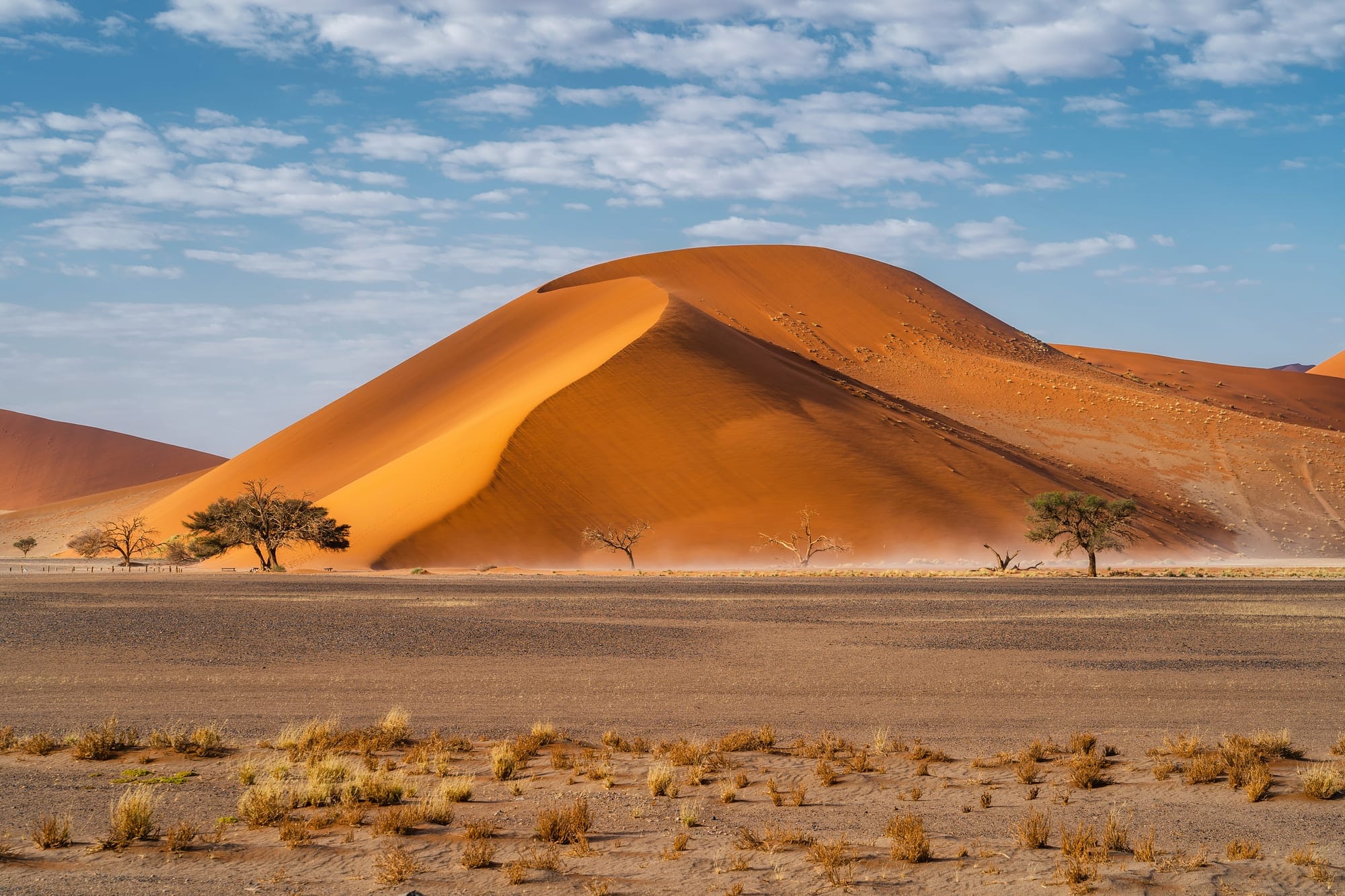
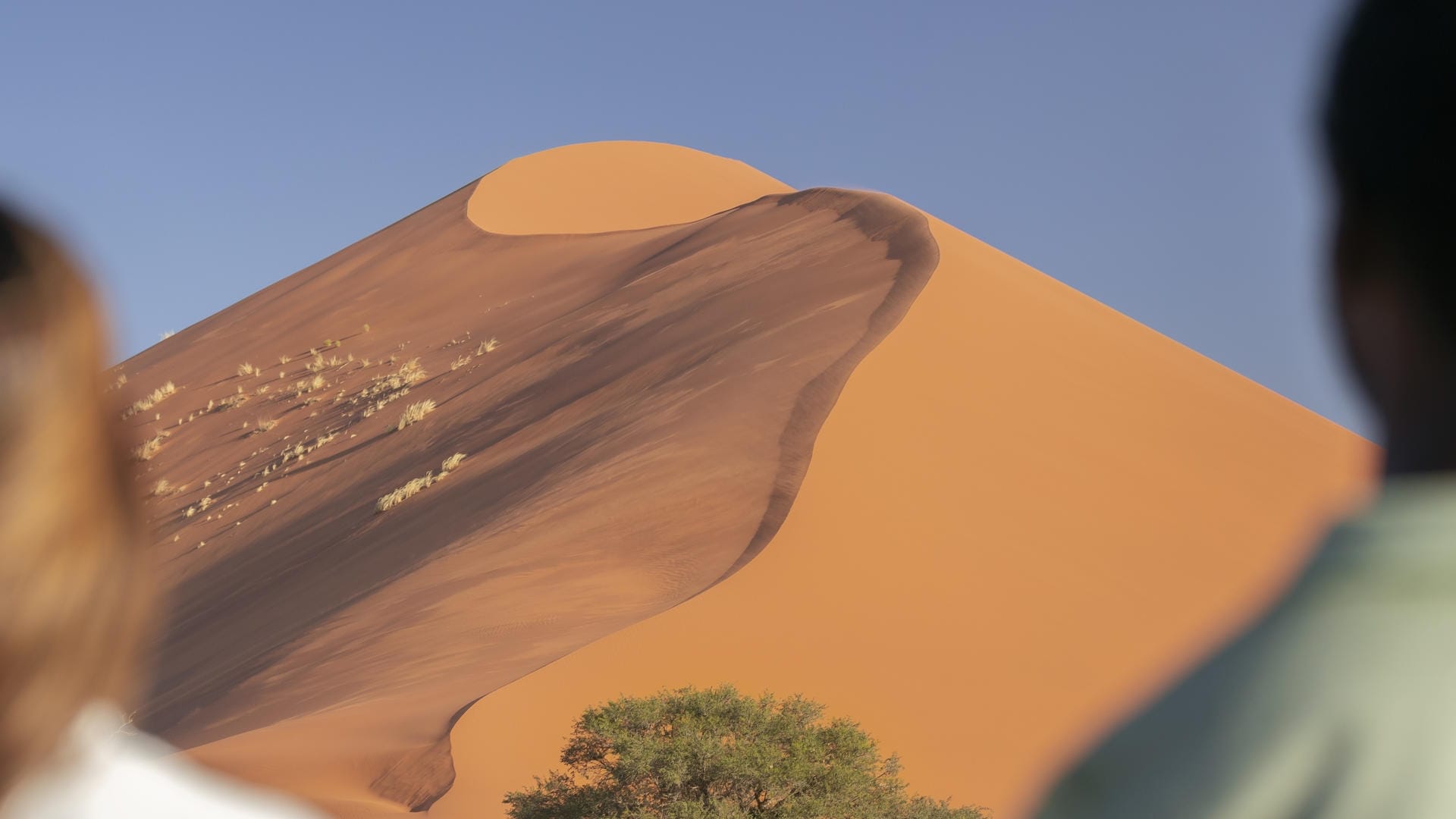
Walkers crossing the dune fields of Sossusvlei at sunrise

Namibia Safari Guide

Namibia, where the silence has weight

Most countries fill the frame. Namibia empties it.

Why Namibia

A country where the landscape is the wildlife

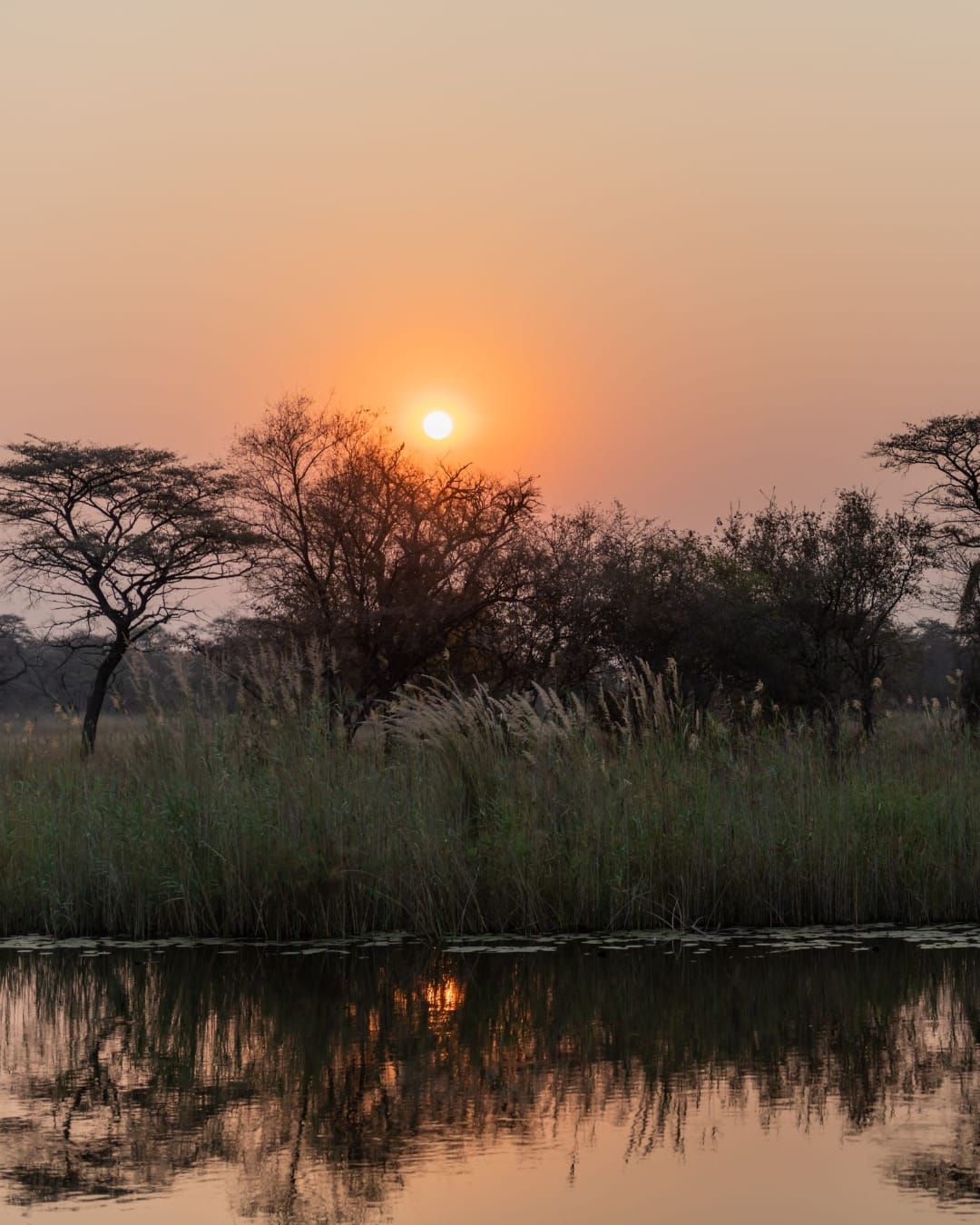
Namibia does not work like other safari countries. The animals are here, and in some places (Etosha in winter, the Hoanib in flood) they are extraordinary. But the headline act is the geography. The dunes at Sossusvlei. The fossil river valleys of Damaraland. The granite outcrops of the NamibRand. The silence of the Skeleton Coast, where Atlantic fog rolls in over rusted shipwrecks and elephants pad along dry riverbeds.

It is the country we send people to when they have done a classic east or southern African safari already, and want something stranger. Or the country we send first-timers to when they want a holiday that includes wildlife but is not built around it. Either way, the trip works because the spaces are vast and the lodges are small. Most camps hold ten guests or fewer. On a four-night stay you will sometimes drive for an hour without seeing another vehicle.

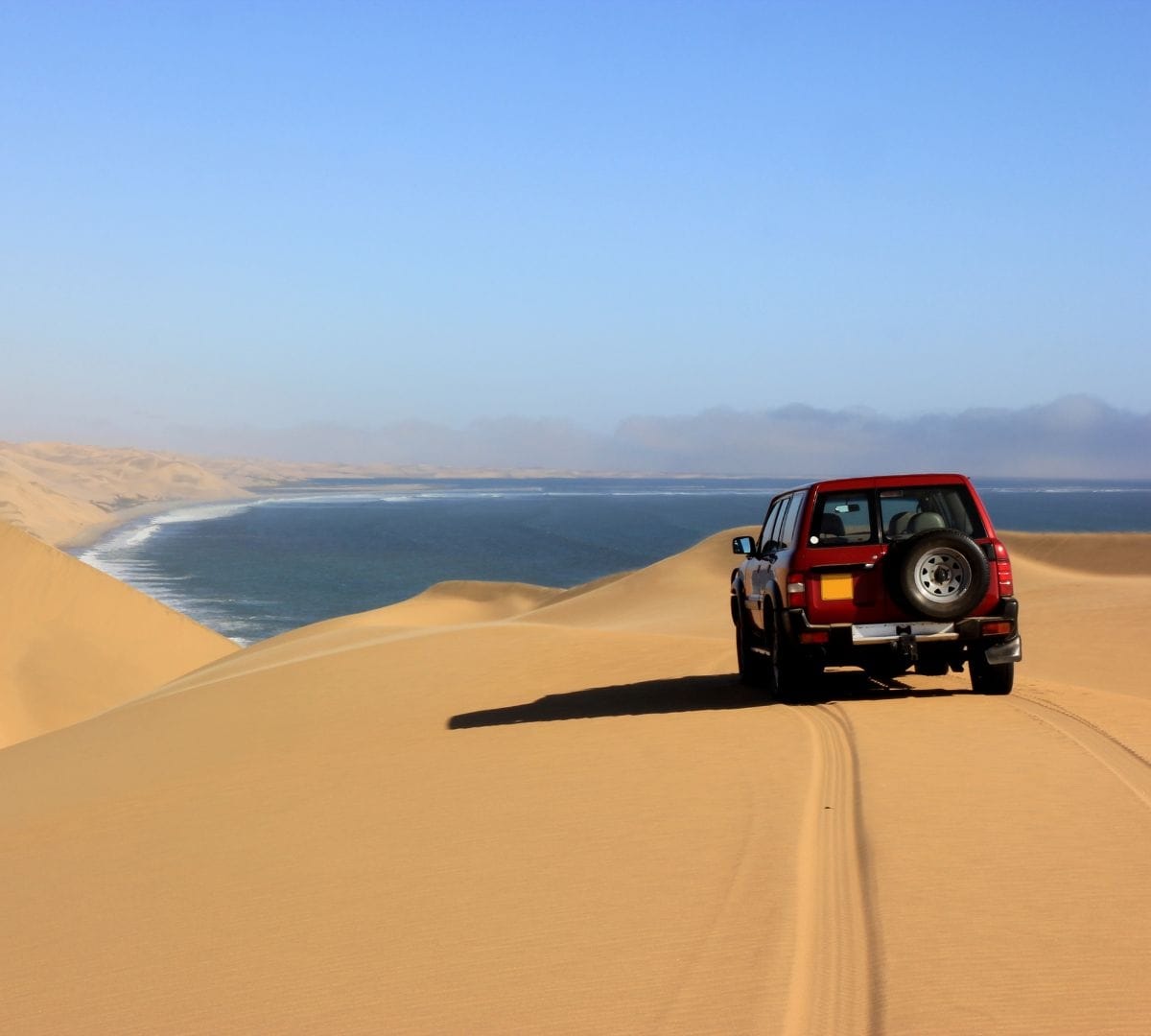
The country is also the easiest African destination to self-drive. Sealed and gravel roads are well-graded, signage is reliable, and the lodges are spaced for it. We do not do this for every client, but for the right kind of traveller a self-drive section adds something a fly-in trip cannot.

Where Namibia sits

A geography worth knowing

The four regions of Namibia we plan around, and how they sit in relation to each other.

What this country does best

What Namibia does best

01

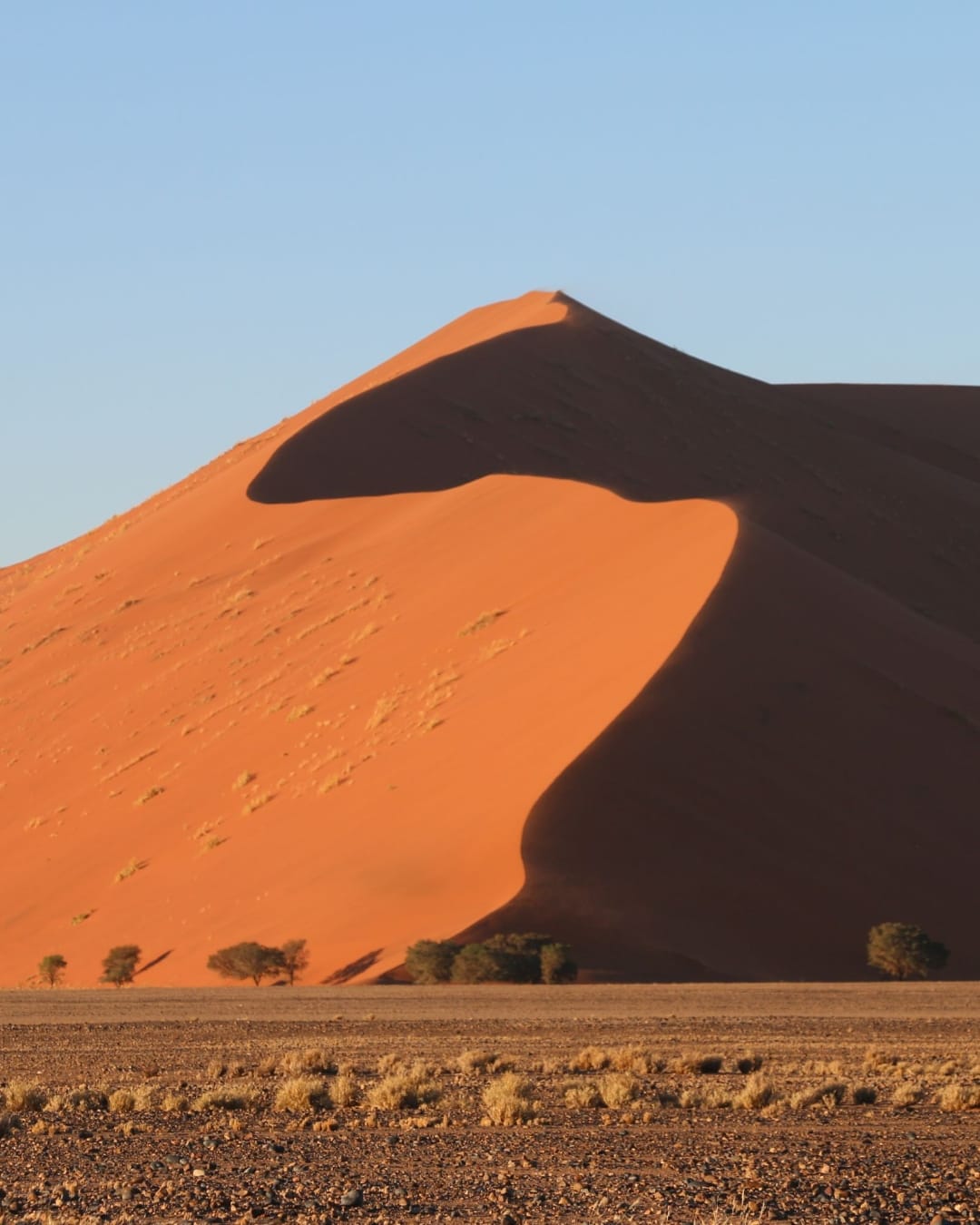
Sossusvlei at first light

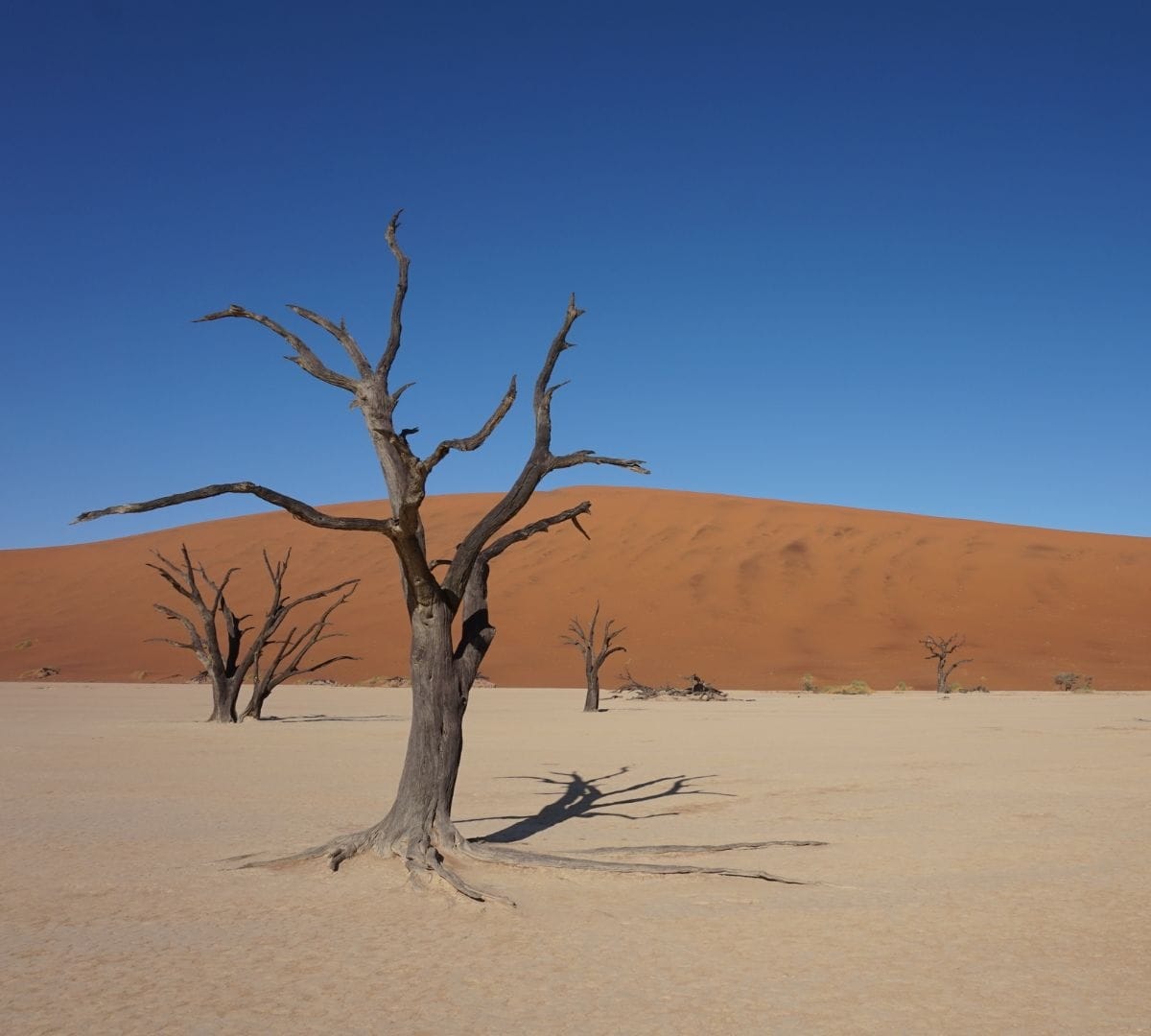
Climbing Big Daddy or Dune 45 before sunrise. Walking the white clay floor of Deadvlei as the light turns the dunes from rust to copper to gold. The most photographed landscape in Africa, and worth every superlative.

02

Desert-adapted elephants in Damaraland

A small population of elephants has learned to live in one of the driest places on earth. Tracking them on foot or by vehicle through the fossil riverbeds of the Hoanib and the Huab is one of the great walking experiences in Africa.

03

Etosha at the waterholes

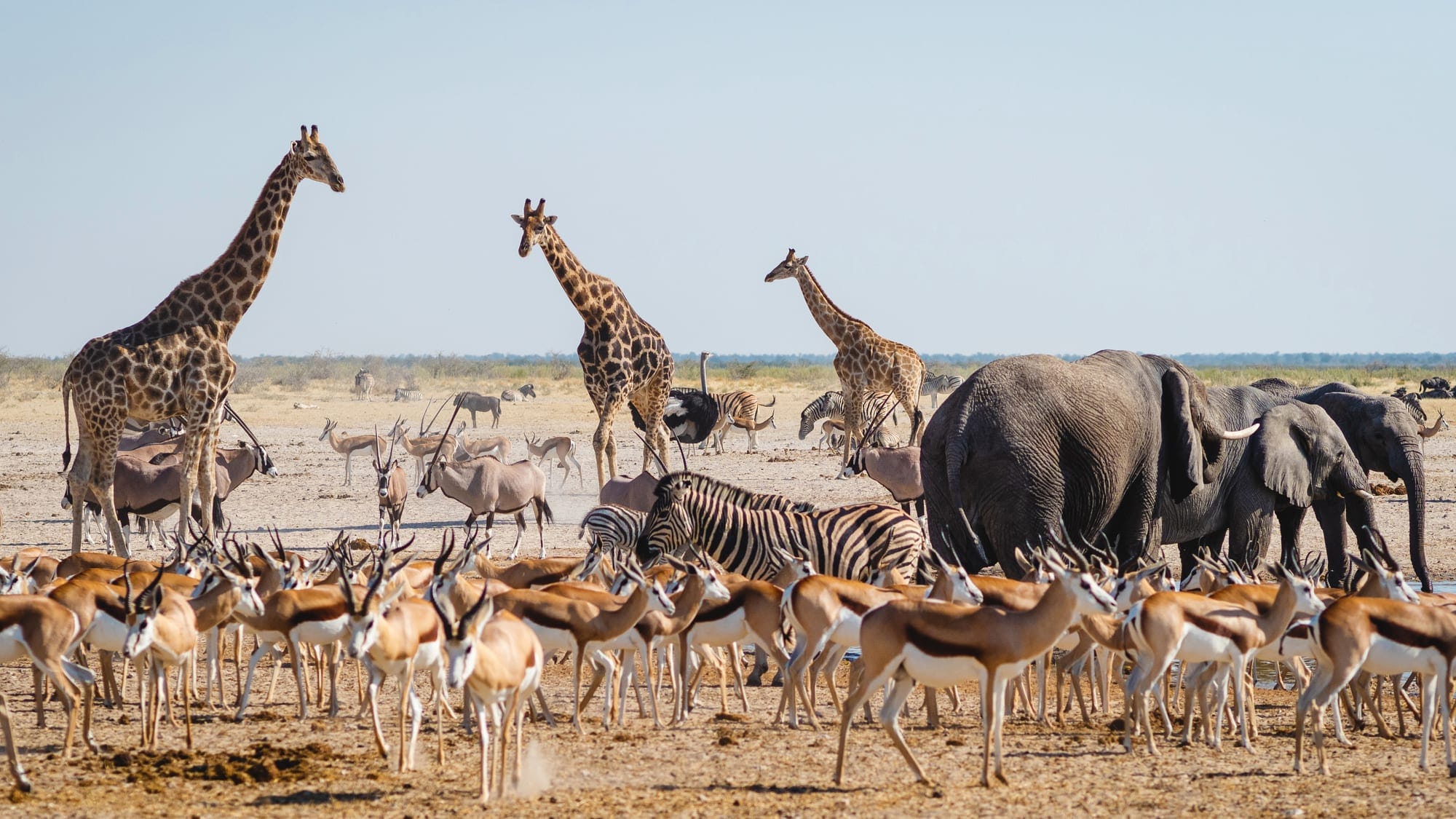
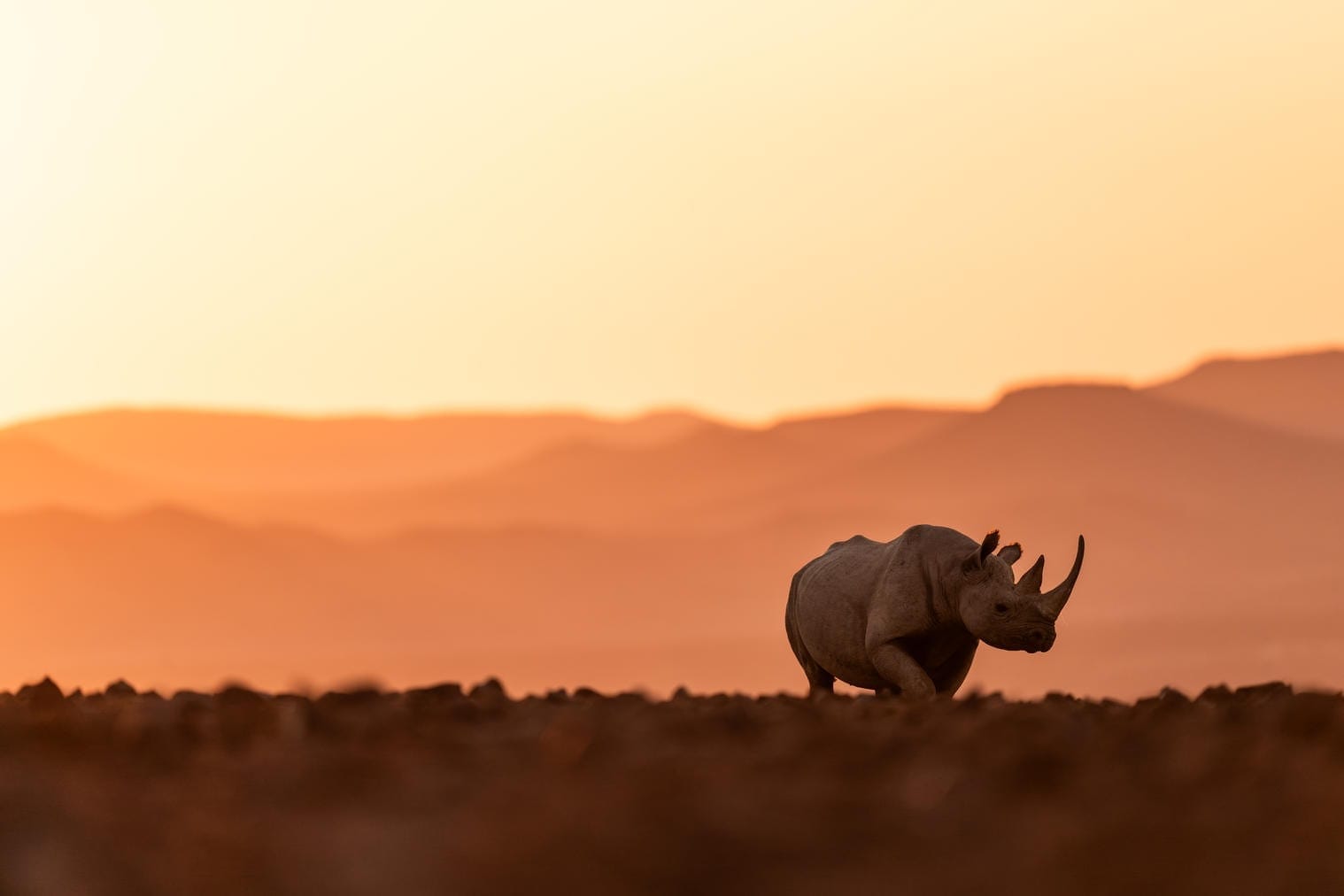
In the dry months of June to October, the wildlife of Etosha concentrates around a handful of natural and floodlit waterholes. You sit. You wait. The animals come to you. Elephants, lions, giraffe, black rhino, oryx, all in a single afternoon if the timing is right.

04

The NamibRand at night

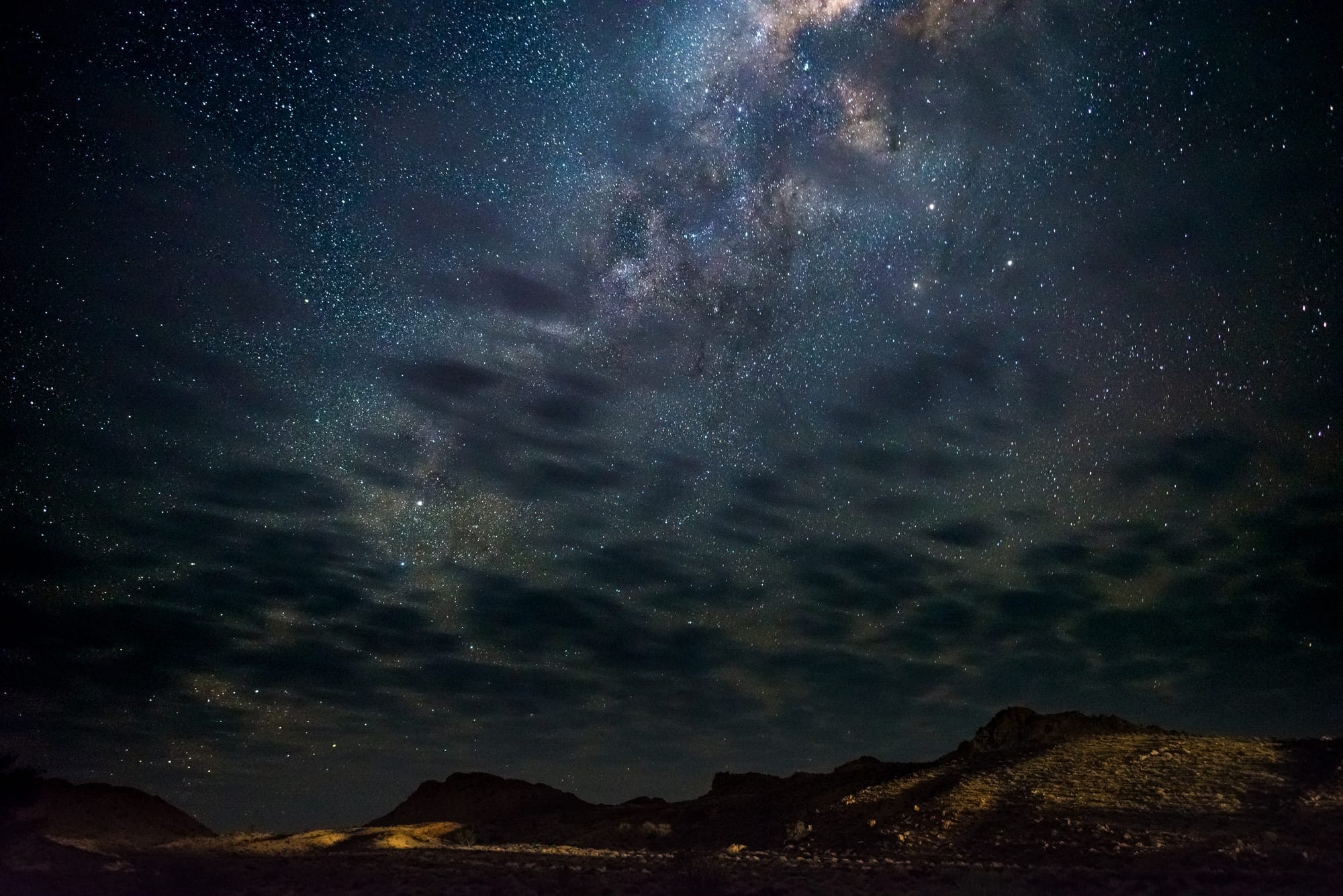
A private 215,000 hectare reserve in the southern Namib. International dark-sky reserve, one of three in Africa. The Milky Way is so dense you cannot pick out individual stars. Stargazing decks, sleep-out platforms, telescopes properly set up. Nothing else does this so well.

05

The Skeleton Coast

Where the desert meets the sea. Cape fur seal colonies, shipwrecks, brown hyena. Reachable only by light aircraft, and only by clients who want strangeness over comfort. We stay at one camp here. It is enough.

06

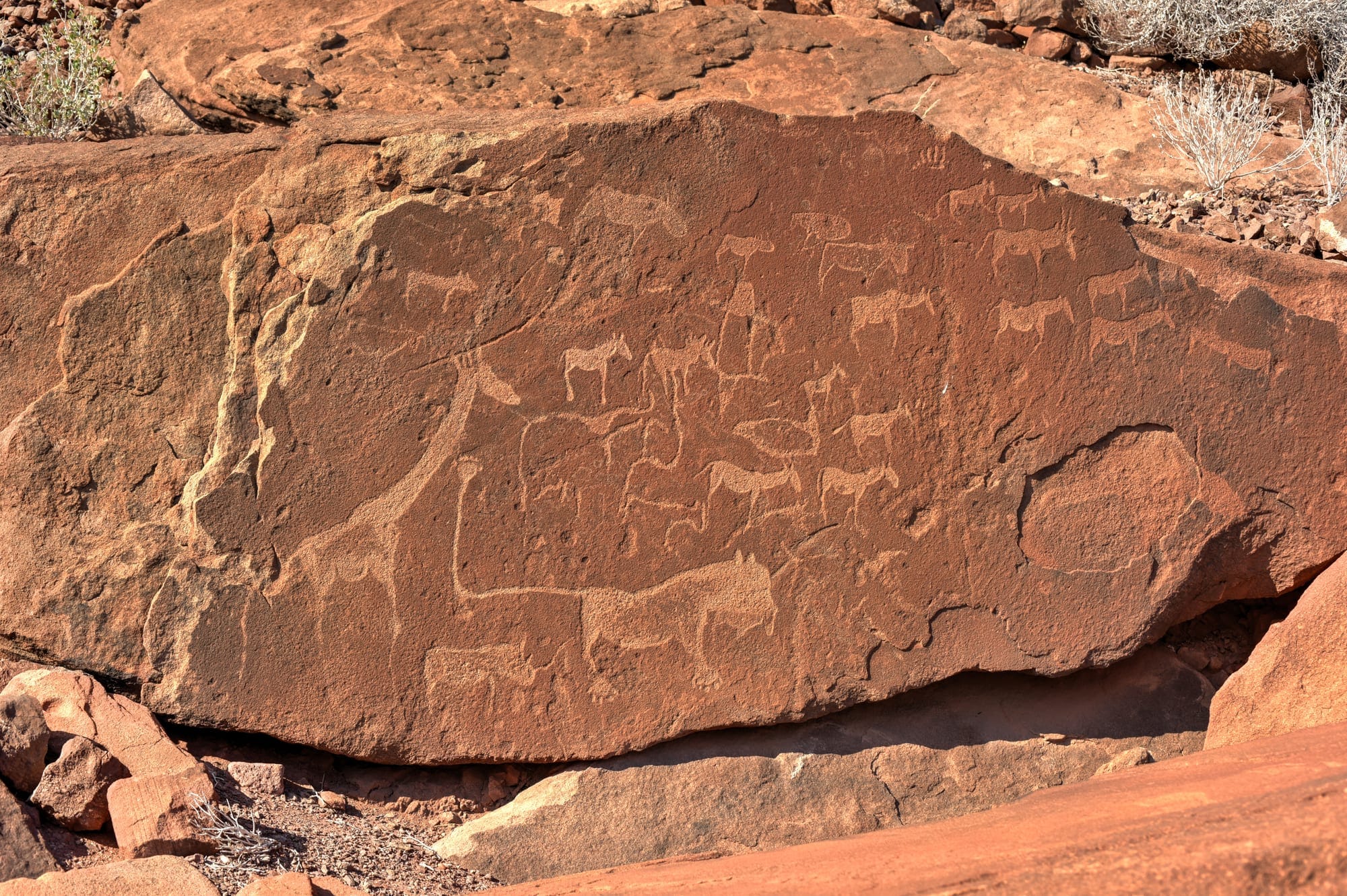
Twyfelfontein and the rock art

Some of the oldest rock engravings on the continent, carved into red sandstone twenty thousand years ago. A morning walk with a local guide who knows what each animal meant. Small detail, big effect on the trip.

Ancient rock engravings at Twyfelfontein in Damaraland, carved into red sandstone

When to be here

We don't ask when you want to go. We ask what you want from it

Namibia works year-round, but the country reads differently in each season. Four ways to think about it:

For the wildlife

Etosha at the waterholes

June to October

The dry season concentrates animals around the limited water of Etosha and the private conservancies. Cool nights, mild days, the light hard and clean. The Hoanib has its strongest desert-elephant sightings now. Peak rates, but worth it for the wildlife.

For the dunes

Sossusvlei at its sharpest

April to June, September to October

Cool mornings make the dunes climbable. Early light is at its strongest in autumn and spring, when the sun is lower and the shadows on the dunes longer. The clay pans of Deadvlei photograph best at sunrise on a windless day.

For the green desert

When the Namib flushes

January to March

Once or twice a decade the desert actually flowers. Even in normal years, the green season turns the dunes deep red against pale grass and brings tens of thousands of migrating zebra and oryx into the central plateau. Some camps close briefly. Rates are lowest.

For the stars

Astronomy season

May to August

The driest, clearest skies of the year. The Milky Way is at its most vertical in winter. The NamibRand sleep-outs and Sossusvlei rooftop decks are designed for this. Cold at night, clear at dawn.

Namibia month by month

JanuaryJan
FebruaryFeb
MarchMar
AprilApr
MayMay
JuneJun
JulyJul
AugustAug
SeptemberSep
OctoberOct
NovemberNov
DecemberDec

Hover or tap a month for details.

Peak dryShoulderGreen / summerDry

Where, specifically

Where, specifically

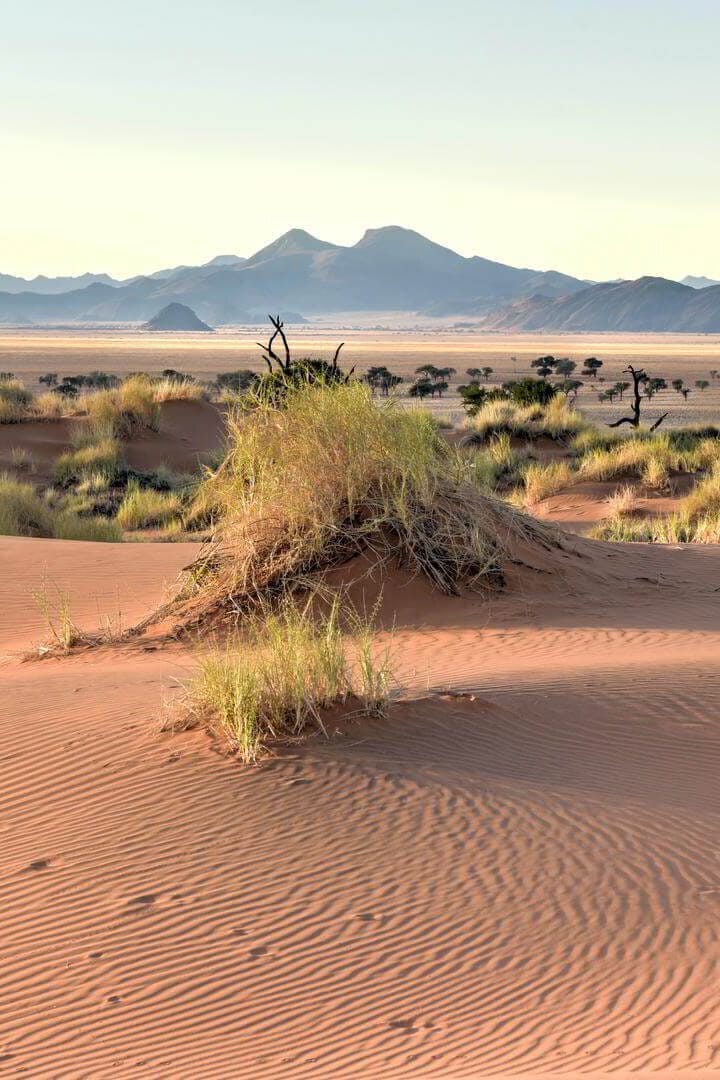
Granite outcrops and sweeping golden grasses of the NamibRand reserve in southern Namibia

Sossusvlei & NamibRand

The headline region. Sossusvlei sits in the Namib-Naukluft National Park, with the dune climbs and the salt pans of Deadvlei. The NamibRand reserve is the private alternative next door, and where we send most clients for two nights. Larger concessions, fewer vehicles, sleep-out decks, and the country's best dark-sky stargazing.

Volcanic plateaus and red rock formations of Damaraland in north-western Namibia

Damaraland

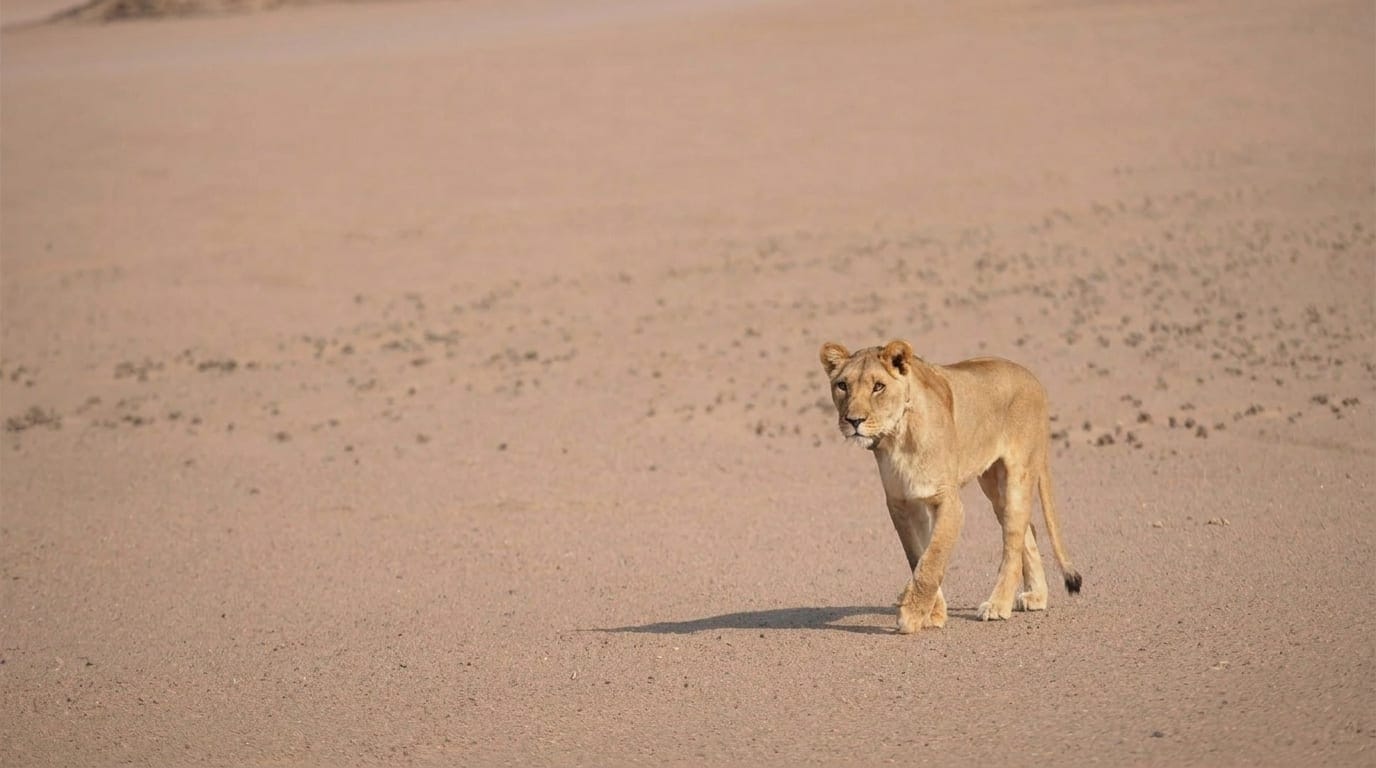
The volcanic heart of north-western Namibia. Tracking desert-adapted elephants by 4x4 along the Huab and Hoanib river valleys. Rock engravings at Twyfelfontein. The Doros Crater. A region that pairs well with Etosha and gives you the country's most surprising wildlife encounters.

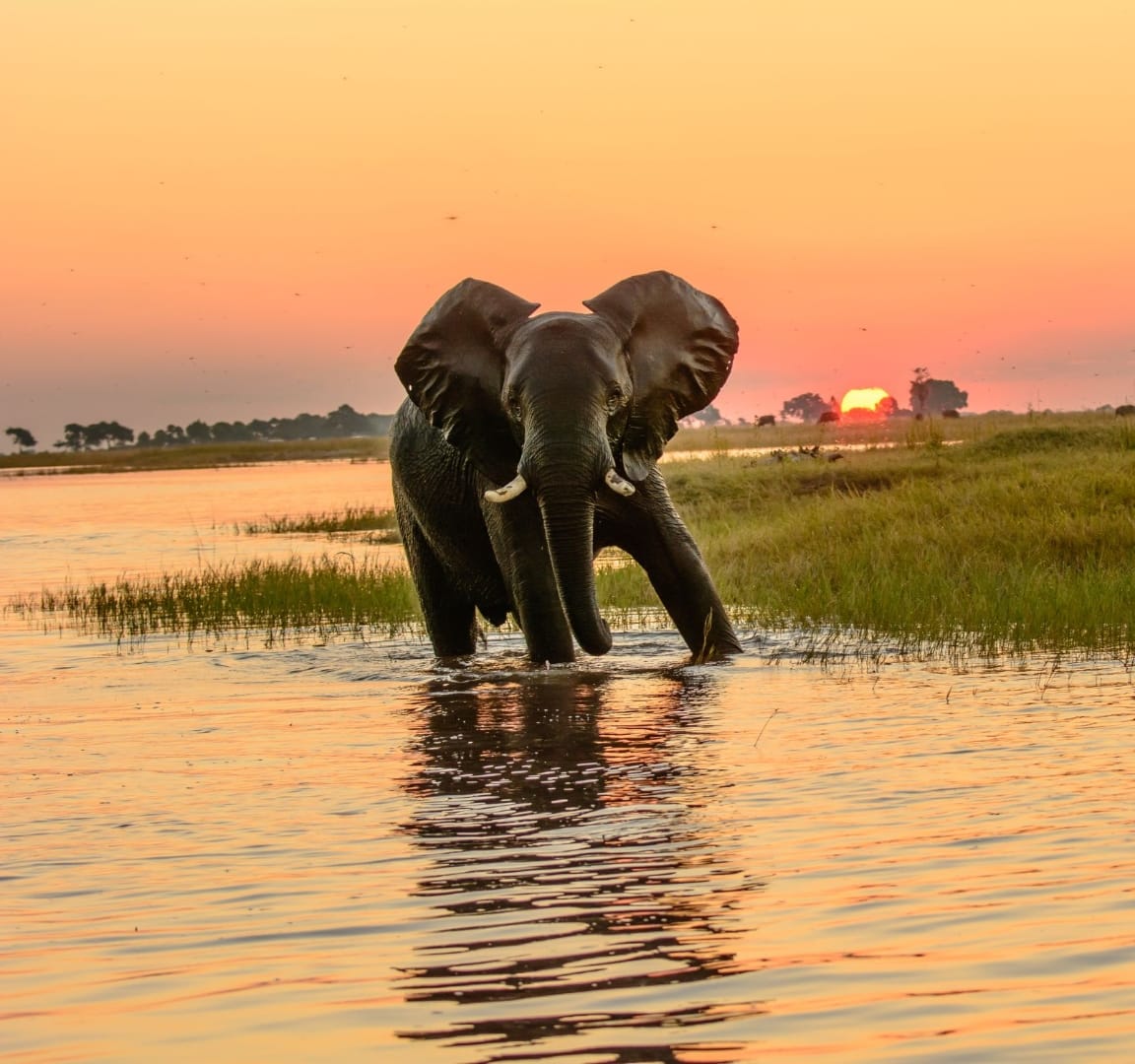
Elephant and giraffe at an Etosha National Park waterhole at golden hour

Etosha & the conservancies

The country's flagship wildlife park, and the private conservancies that border it. Wildlife concentrates around the waterholes in the dry season. The private reserves on Etosha's southern and eastern edges give you off-road driving and night drives that the public park does not.

Atlantic fog rolling over the dune fields and shipwrecks of the Skeleton Coast

Skeleton Coast

Where the desert meets the Atlantic. Reachable by fly-in only. Brown hyena, Cape fur seals, shipwrecks, the eerie cold-water fog known locally as the cassimbo. Wilderness Skeleton Coast Camp is the only proper option, and it is one of the most atmospheric places we book anywhere on the continent.

Wide editorial photograph of a red Namib dune at sunrise, the ridge line cleanly cut against a pale sky
Aerial photograph of the Namib dune sea, the route for our nine-night Namibia itinerary

A signature Namibia journey

Nine nights across the Namib and Damaraland

Sossusvlei, NamibRand, Damaraland, and the private edge of Etosha. Four camps, three light-aircraft transfers, one country at full scale.

  • Nights9
  • RouteSossusvlei → NamibRand → Damaraland → Etosha private
View the full itinerary →

A starting point, not a fixed package. We rebuild every itinerary around the traveller.

What it costs

What a Namibia safari costs

The pricing is per person per night sharing. All-inclusive of accommodation, meals, drinks, twice-daily activities, park fees and lodge transfers. Light-aircraft fly-ins between regions add $400 to $700 per person, per leg. Self-drive sections reduce the total but lengthen the trip.

4-star plus

From $700 to $1,200

per person, per night, sharing

Quality fly-in camps in shoulder seasons, and the better self-drive lodges in Damaraland and the Sossusvlei area. Strong guiding, simple finishes.

5-star

From $1,200 to $2,400

per person, per night, sharing

The mid-tier of NamibRand, Damaraland, and the private concessions around Etosha. Fly-in only, polished tented camps, private guides on request.

5-star premium

From $2,400 to $4,500

per person, per night, sharing

The flagships of the Skeleton Coast, NamibRand and the private conservancies. Helicopter transfers, suite accommodation, the most experienced guides in the country.

Namibia safari pricing per person, per night, sharing (USD, all-inclusive)
TierPrice (USD per person per night sharing)What this gets you
4-star plusFrom $700 to $1,200Quality fly-in camps in shoulder seasons, and the better self-drive lodges in Damaraland and the Sossusvlei area. Strong guiding, simple finishes.
5-starFrom $1,200 to $2,400The mid-tier of NamibRand, Damaraland, and the private concessions around Etosha. Fly-in only, polished tented camps, private guides on request.
5-star premiumFrom $2,400 to $4,500The flagships of the Skeleton Coast, NamibRand and the private conservancies. Helicopter transfers, suite accommodation, the most experienced guides in the country.

Namibia sits below Botswana on cost and slightly above South Africa. Peak season runs May to October, when rates rise 30 to 50 percent. The green season (January to March) is the cheapest, and in some regions the most beautiful, although a handful of camps close briefly for the rains.

Most journeys are not one country

What Namibia pairs with

Namibia sits well at the start or end of a longer southern African journey. Cape Town and the Winelands are an easy hop from Windhoek and give you a soft landing on either side of the desert. Botswana pairs naturally for clients who want to follow the geography of dryness with the geography of water (the Okavango Delta and the Linyanti). Victoria Falls and Zimbabwe sit further east and complete a classic three-country arc.

For travellers with more time, we pair the Namib with the South African Cape, Sabi Sand for big-five game viewing, or Botswana's Kalahari and Delta. Most of the Namibia journeys we plan run twelve to sixteen nights total when paired this way.

Questions we hear most

A few things worth knowing

When is the best time to visit Namibia?

May to October is the dry season and the strongest months for wildlife in Etosha and Damaraland. April-May and September-October are the cool, clear shoulder weeks we tend to recommend most often. November to March is the green season, with hotter days, dramatic skies, low rates, and a desert that occasionally flowers.

How many days do you need for a Namibia safari?

Nine nights is the practical minimum for a country this large. A typical first trip is two nights at Sossusvlei or NamibRand, two in Damaraland, two in Etosha or its private conservancies, and a final night in Windhoek or on the coast. Shorter trips work but feel rushed because the distances are long and the regions deserve time.

Is Namibia good for a first safari?

Yes, with caveats. The wildlife is strong but not as dense as Botswana, Kenya or Tanzania. What Namibia offers a first-timer is space, scale, and a country that does not feel like every other safari brochure. We often pair it with a few nights in Cape Town or with a short add-on in Botswana or Zambia for the classic predator viewing.

Do you need malaria tablets for Namibia?

Most of Namibia is malaria-free, including Sossusvlei, NamibRand and Damaraland. The Caprivi Strip in the far north-east is malarial year-round, and northern Etosha carries some risk in the wet season. For the routes we plan most often, prophylactics are not needed.

Can you self-drive in Namibia?

Yes, and for the right traveller we sometimes recommend a self-drive section between fly-in camps. Roads are well-maintained gravel, distances are honest, and the lodges are spaced for it. We arrange the vehicle, the route, the lodges, and the airline links. It is not for every client but it works well for confident drivers who want to slow the country down.

From the journal

Field notes from Namibia

Stories, guides and voices from the Namibia bush, written by the people who plan these trips.

Plan it properly

Tell us what you are imagining

Three ways to begin. Pick whichever feels easiest.

By note

Start with a note

Tell us roughly what you are thinking. We come back within a working day, often sooner.

Send a note

By email

Send us an email

Write to Sian directly, with Vikki copied. Same working-day response, no forms in between.

Email us

By WhatsApp

Send a WhatsApp

Quickest if you have a short question. We answer between game drives and meetings, usually within the hour.

Open WhatsApp

Write to us

One of us will write back.

Replies come from Vikki or Sian. No obligation, just a conversation.

Prefer to write to us directly? sian@marulahill.com · WhatsApp +27 82 459 0648