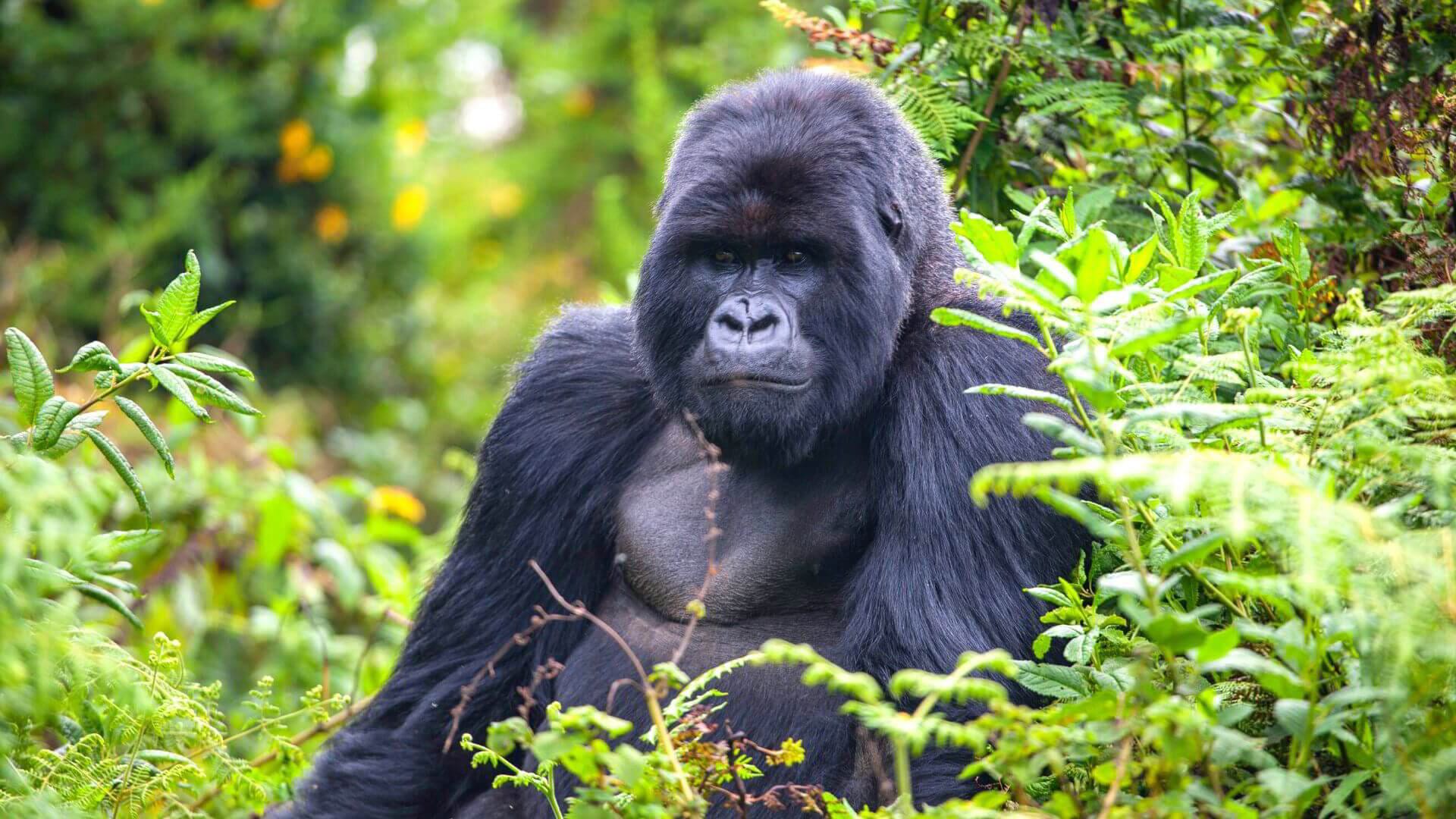
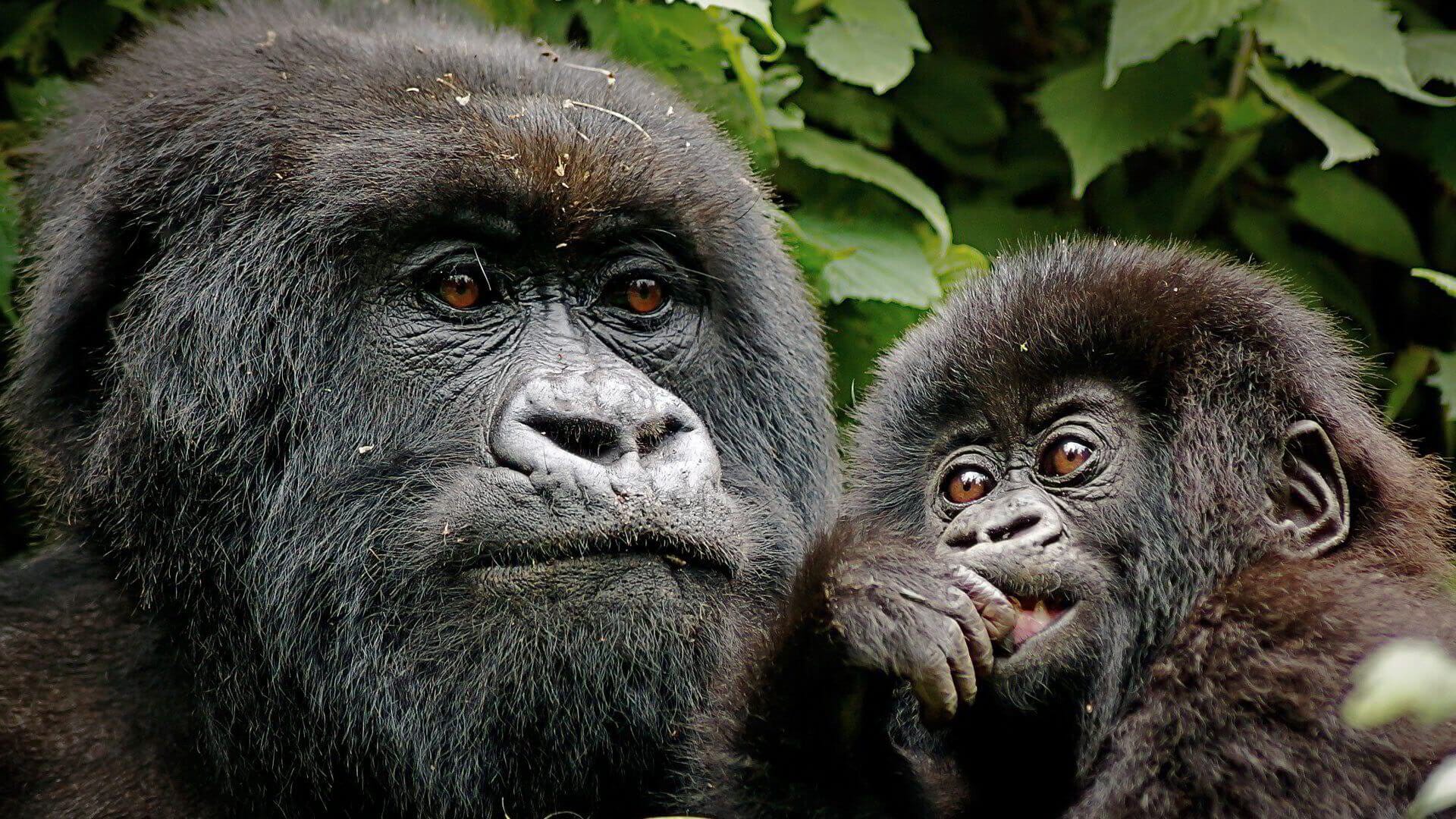
Mountain gorilla silverback in Volcanoes National Park, Rwanda,

Rwanda Safari Guide

Rwanda, the country that rebuilt itself around the bush

An hour with a gorilla family changes the way you think about Africa.

Why Rwanda

A country built around one extraordinary hour

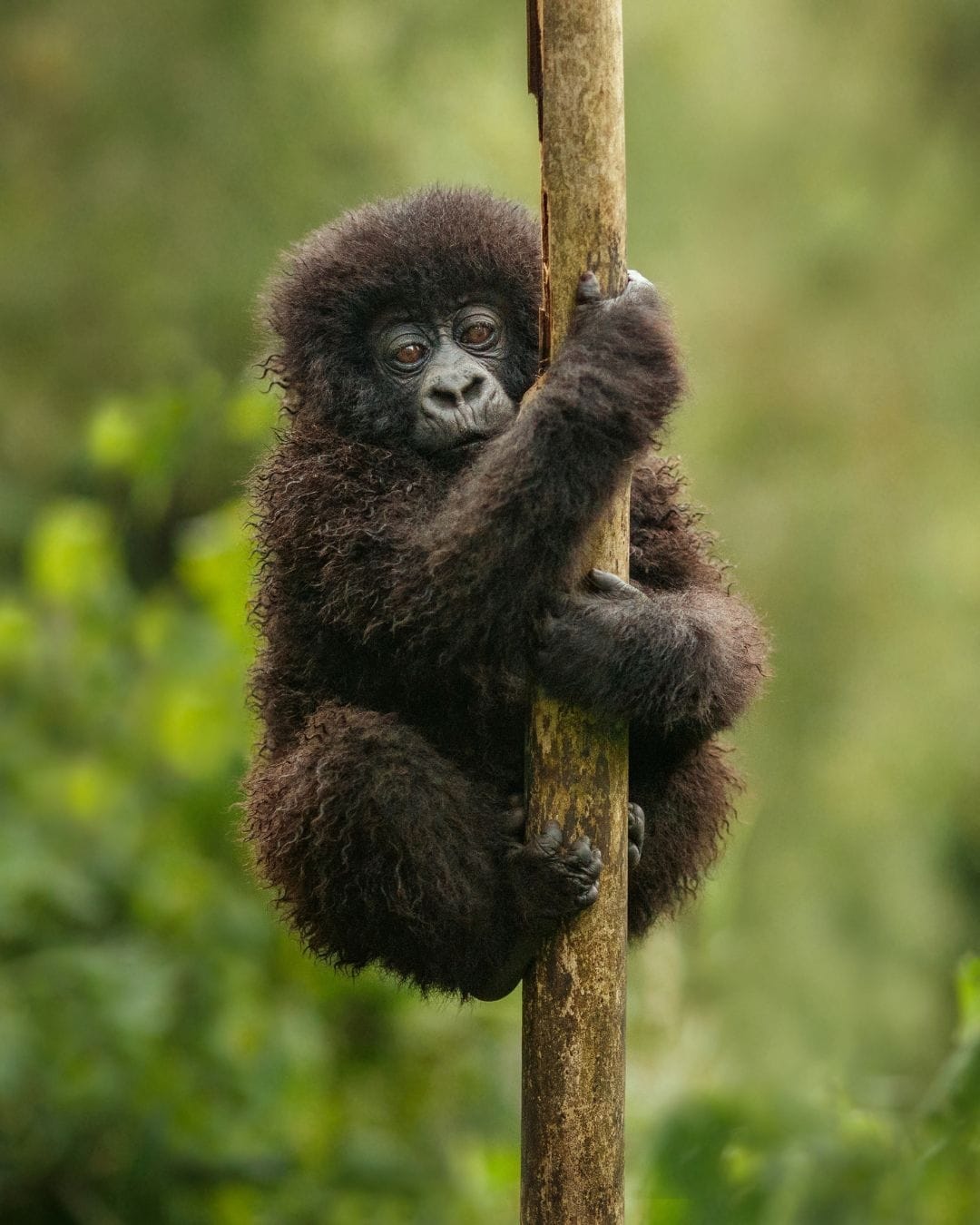
A Rwanda trip turns on a single hour. The hour you spend in the bamboo forest with a family of mountain gorillas, watching a silverback eat thistles two metres from your feet, watching the youngsters tumble off their mothers and into the leaves. There are roughly a thousand mountain gorillas left in the world. Half of them live on the slopes of the Virunga volcanoes that straddle Rwanda, Uganda and the DRC. The Rwandan side, Volcanoes National Park, is where Dian Fossey worked, where the modern science of gorilla conservation began, and where most of the world's gorilla trekking now happens.

What surprises most travellers is how organised it all is. Permits are capped, treks are guided by some of the best park rangers on the continent, and the funds raised flow directly back into the park and the surrounding communities. The mountain gorilla is the only great ape whose population is growing, and Rwanda is the reason.

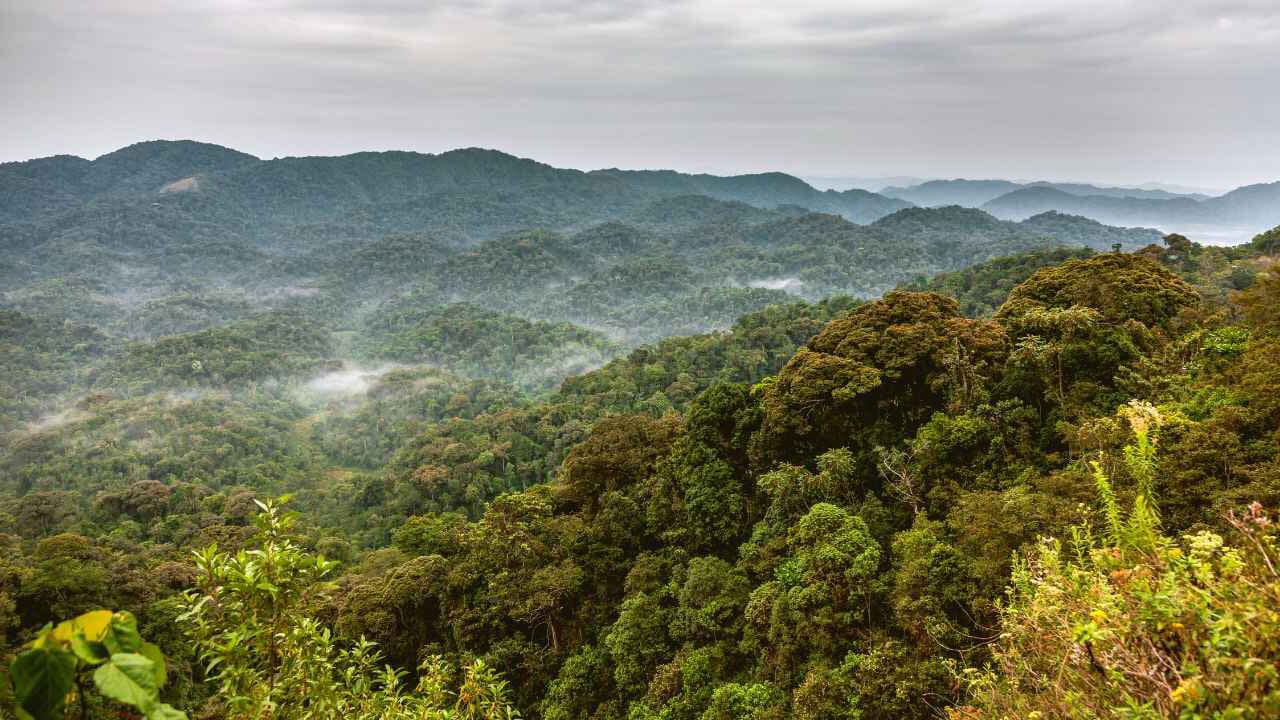
Beyond Volcanoes, the country has quietly built a proper safari country. Akagera in the east has been restored to a Big Five park, with rhino and lion both returned. Nyungwe Forest in the southwest holds chimpanzees, colobus monkeys, and a canopy walkway that runs sixty metres above the rainforest floor. Lake Kivu sits in between, a long, deep freshwater lake that feels more like the Italian lakes than the African Great Lakes. We rarely send anyone on a Rwanda trip that is only about gorillas. The country has more to offer than that.

Where Rwanda sits

A geography worth knowing

The five regions of Rwanda we plan around, and how they sit in relation to each other.

What this country does best

What Rwanda does best

01

Mountain gorillas in Volcanoes

The headline. Habituated families on the slopes of Bisoke, Karisimbi and Sabyinyo. Trek lengths vary from an hour to a full day depending on where the gorillas are feeding. The hour with them is fixed.

02

Chimpanzees and the canopy walk in Nyungwe

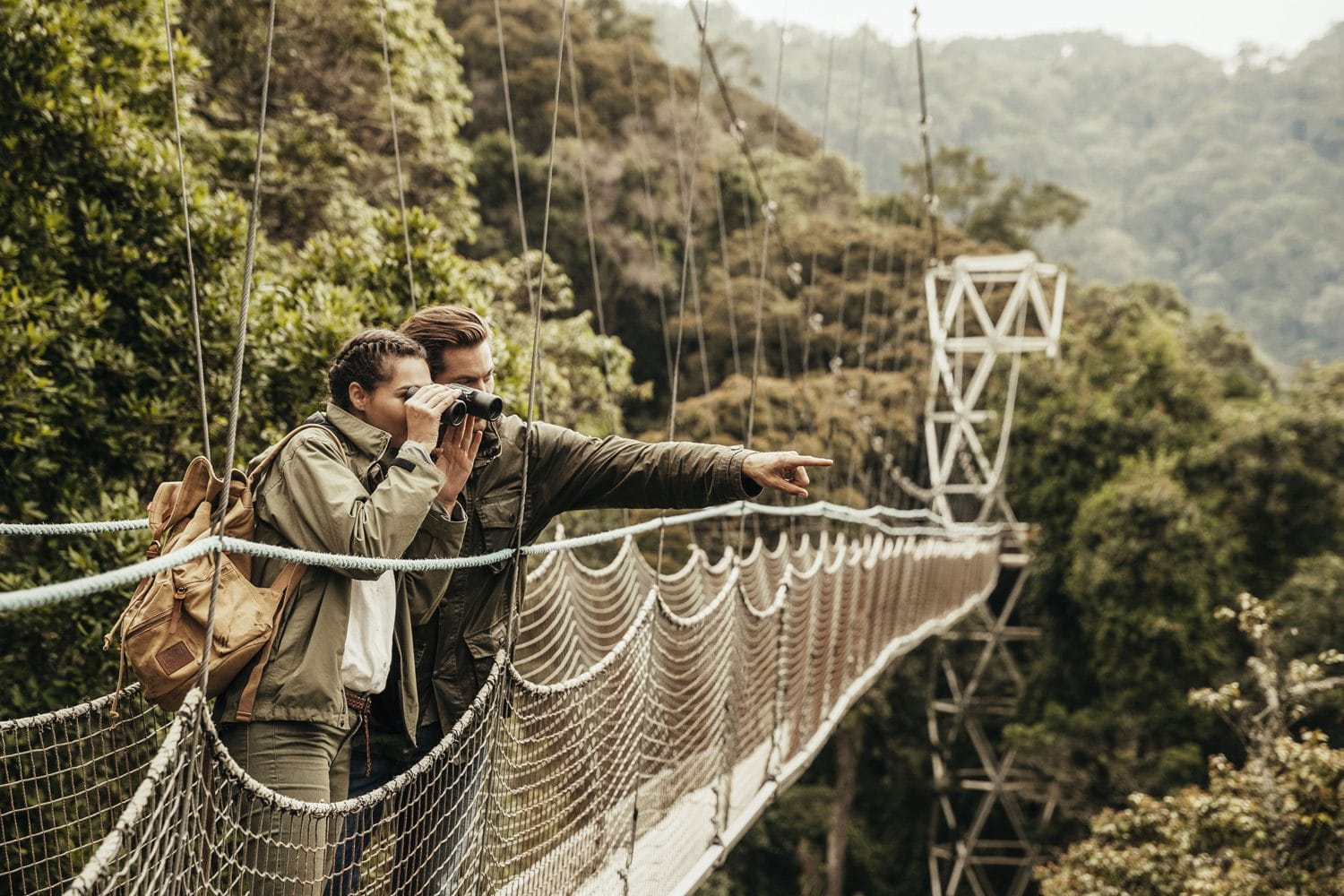
Africa's oldest rainforest, sixty kilometres of dense evergreen on the Burundi border. Tracked chimpanzee groups, troops of Rwenzori colobus, and a 160-metre suspension walkway that crosses the canopy at sixty metres up. Two nights does it justice.

03

The Big Five returned in Akagera

On the Tanzanian border, fully fenced, properly run by African Parks. Lions returned in 2015, rhino in 2017. The plains game is strong, the lake system is good for boat safaris, and you have it almost to yourself.

04

Lake Kivu between the bush

Rwanda's western edge, a long, deep, mountain-rimmed lake. We use it as the soft pause between Volcanoes and Nyungwe. Swimming, paddleboarding, slow lunches by the water. Two nights at the right lodge resets the trip.

05

Kigali on the way in or out

The cleanest, safest capital in Africa. The Genocide Memorial is essential and emotionally heavy. The food scene is excellent. We always build in a full day at the front or back of a Rwanda trip rather than treating Kigali as a transit.

06

Lodges that are quietly extraordinary

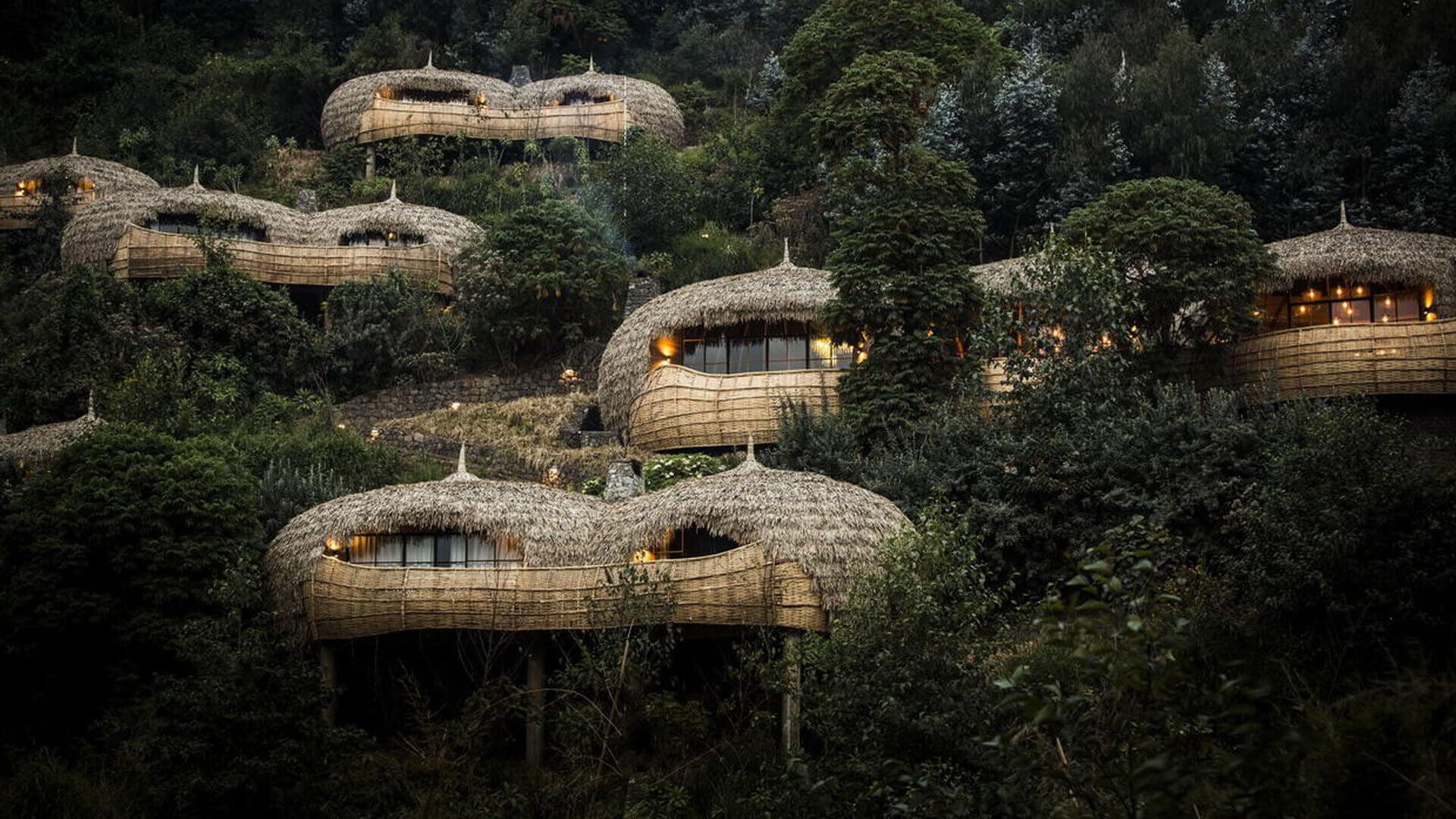
The new generation of Rwandan lodges, built in the last decade, are some of the most considered safari properties anywhere on the continent. A small group on the edge of Volcanoes, one inside Akagera on Lake Rwanyakazinga, and one carved into the Nyungwe rainforest. All run their own conservation and community programmes.

Misty rainforest canopy of Nyungwe Forest National Park, Rwanda

When to be here

We don't ask when you want to go. We ask what you want from it

Rwanda is on or near the equator, so the seasons are about rain rather than temperature. Four ways to think about it:

For the easiest trekking

Long dry season

June to September

The driest months. Trails firm underfoot, visibility good, mornings cool and clear. Peak season for gorilla trekking and the strongest window for photographers. Permits sell out twelve to eighteen months ahead.

For the green and quiet

Long rains

March to May

Daily afternoon showers, lush forest, wildflowers and birding at their richest. The trekking is wetter and slower but the gorillas tend to feed lower down the slopes, which often means shorter walks. Lower rates, fewer trekkers.

For the second dry

Short dry season

December to February

A second dry window between the two rainy seasons. Warmer, drier, less crowded than the long dry season because it is shorter and less well known. We often steer first-time visitors here.

For the shoulder

The quiet, intelligent months

October to November

The short rains. Brief afternoon storms, mornings usually clear, the bush at its greenest. Strong value, good gorilla viewing, and the country at its quietest before the December peak. Often our recommendation for repeat African travellers.

Rwanda month by month

JanuaryJan
FebruaryFeb
MarchMar
AprilApr
MayMay
JuneJun
JulyJul
AugustAug
SeptemberSep
OctoberOct
NovemberNov
DecemberDec

Hover or tap a month for details.

DryMid

Where, specifically

Where, specifically

Mountain gorilla silverback portrait in Volcanoes National Park, Rwanda

Volcanoes National Park

The headline park, on the slopes of the Virunga volcanoes in the country's northwest. Twelve habituated gorilla families, golden monkey trekking as a side activity, the Dian Fossey grave hike for those wanting more time on the mountain. A small group of conservation-led lodges sits directly on the park's edge, each within driving distance of the trekking start. Three nights is right.

Couple on the Nyungwe Forest canopy walkway, Rwanda

Nyungwe Forest

Africa's oldest rainforest, in the country's southwest. Chimpanzee tracking, colobus troops in the hundreds, the canopy walkway sixty metres above the forest floor. One&Only Nyungwe House is the headline lodge. Two nights gives you the canopy walk plus a chimp trek.

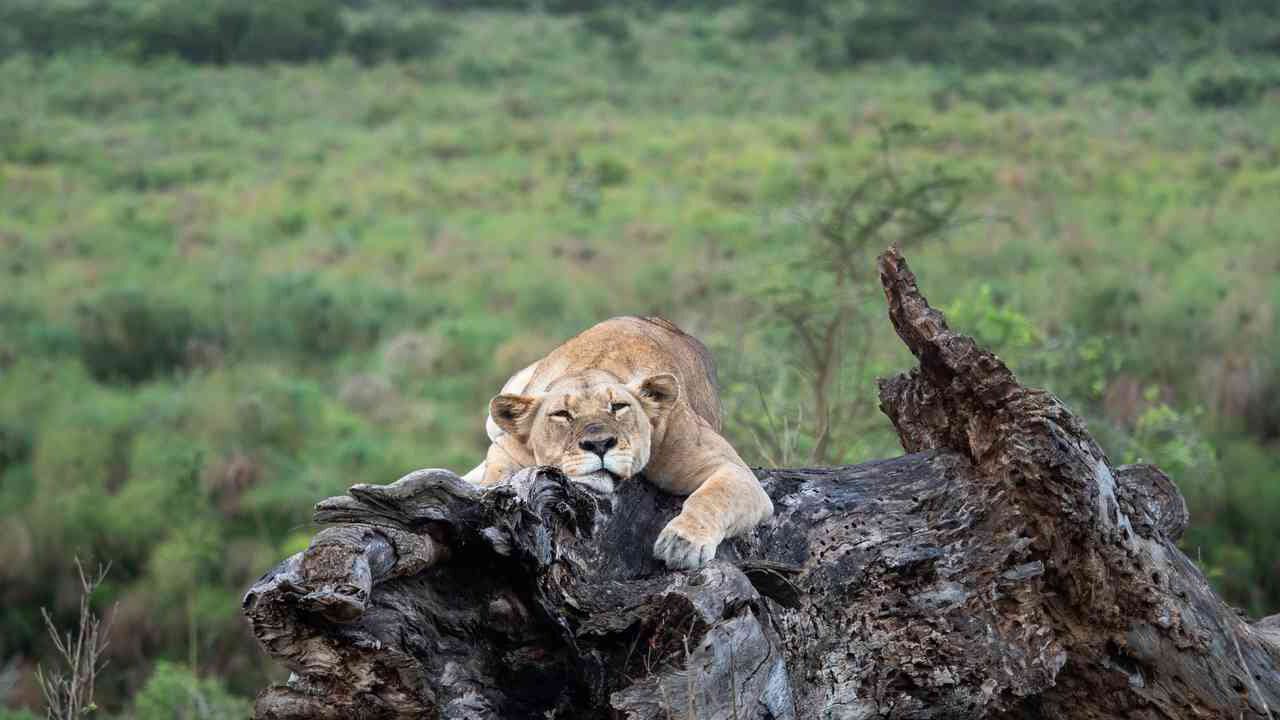
Lion resting on a fallen tree in Akagera National Park, Rwanda

Akagera National Park

The country's plains park on the Tanzanian border, restored by African Parks over the past fifteen years. Lions returned in 2015, eastern black rhino in 2017. A single private camp sits on Lake Rwanyakazinga inside the park. Boat safaris, walking, classic East African game viewing, and you will rarely see another vehicle. Two to three nights.

Forested hillside lodge near Lake Kivu, western Rwanda

Lake Kivu

The western edge of the country, a long mountain-rimmed freshwater lake on the DRC border. We use it as a soft pause between the bush and the rainforest. Swimming, kayaking, slow afternoons. Two nights at the right lodge resets the trip.

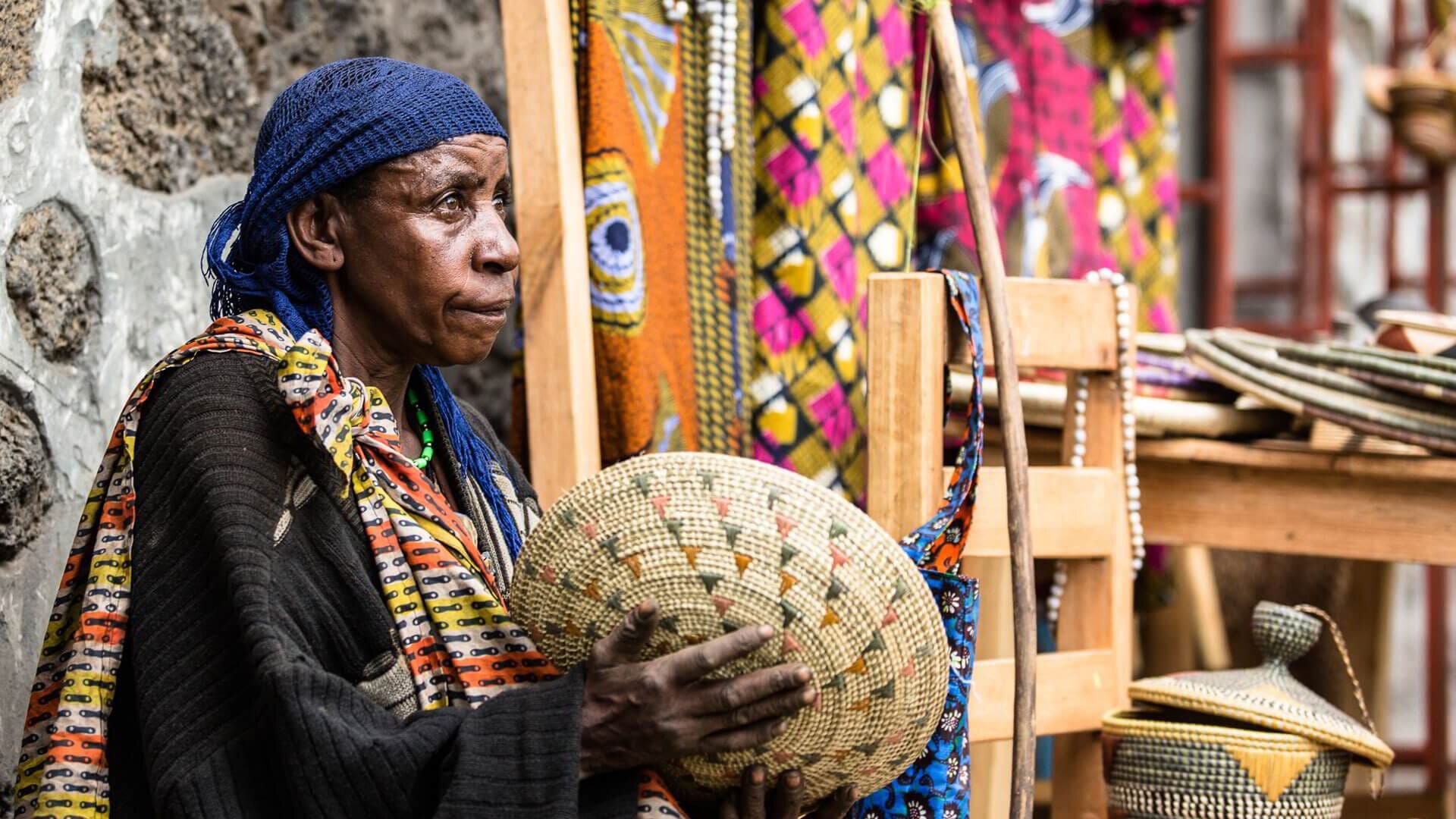
Woman selling traditional woven crafts at Kigali market, Rwanda

Kigali

The capital, where every Rwanda trip starts and ends. The Genocide Memorial is essential. The food scene is excellent. The streets are clean and safe in a way few African capitals are. We build in a full day rather than treating Kigali as a transit.

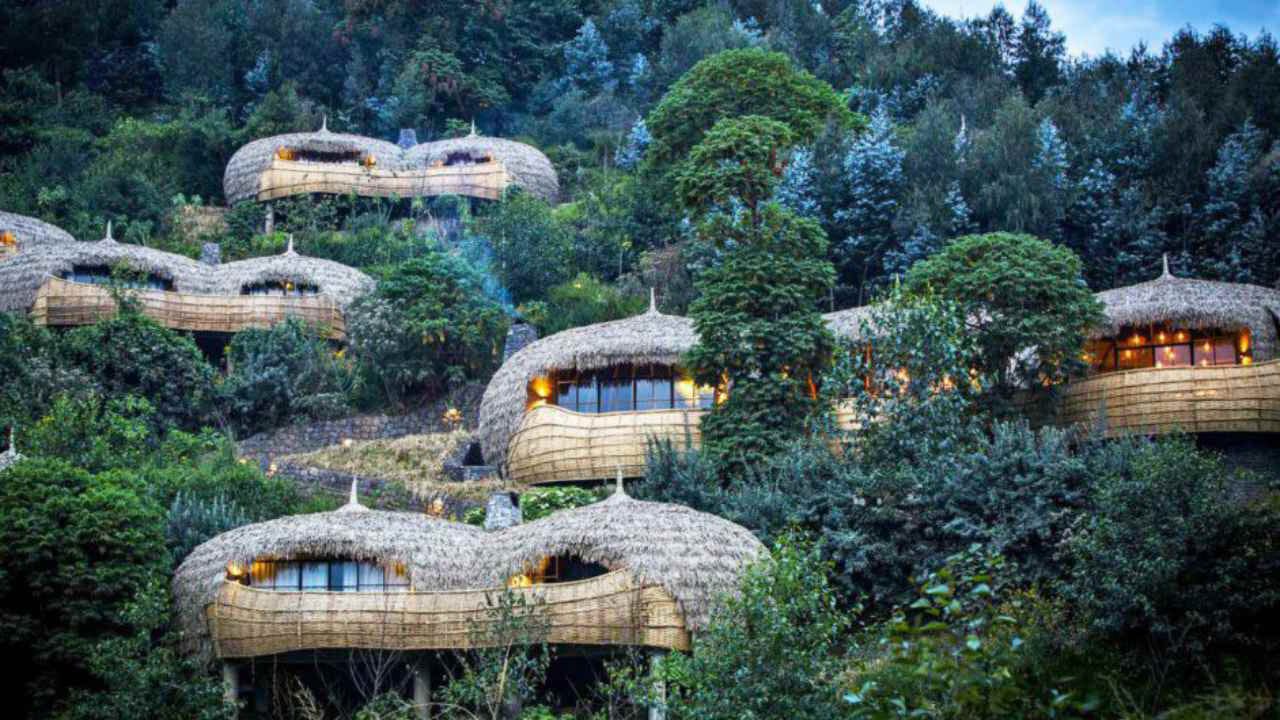
Circular thatched villas on a forested hillside at dusk on the edge of Volcanoes National Park, Rwanda
Aerial view of forested volcano slopes on the edge of Volcanoes National Park, the route for our eight-night Rwanda itinerary

A signature Rwanda journey

Eight nights from Kigali to the volcanoes

Kigali, Akagera for plains game, Nyungwe for the rainforest, Lake Kivu for the pause, Volcanoes for two gorilla treks. The full Rwanda arc in a week and a day.

  • Nights8
  • RouteKigali → Akagera → Nyungwe → Lake Kivu → Volcanoes
View the full itinerary →

A starting point, not a fixed package. We rebuild every itinerary around the traveller.

What it costs

What a Rwanda safari costs

Per person, per night, sharing. All-inclusive of accommodation, meals, drinks, twice-daily activities and park transfers. Gorilla permits are an additional $1,500 per person per trek. Most travellers do two treks; some do three. Light-aircraft and road transfers between regions add to the total.

4-star plus

From $850 to $1,400

per person, per night, sharing

Comfortable lodges within reach of the park. Strong guiding, simpler accommodation, the same gorilla experience as the flagships.

5-star

From $1,400 to $2,800

per person, per night, sharing

The well-known names near Volcanoes and in Nyungwe. Polished service, considered design, dedicated trackers.

5-star premium

From $2,800 to $5,500

per person, per night, sharing

The flagships. A small set of architectural lodges sitting directly on the edge of Volcanoes National Park, each with its own conservation programme, private vehicles as standard, and the most experienced trackers in the country.

Rwanda safari pricing per person, per night, sharing (USD, all-inclusive)
TierPrice (USD per person per night sharing)What this gets you
4-star plusFrom $850 to $1,400Comfortable lodges within reach of the park. Strong guiding, simpler accommodation, the same gorilla experience as the flagships.
5-starFrom $1,400 to $2,800The well-known names near Volcanoes and in Nyungwe. Polished service, considered design, dedicated trackers.
5-star premiumFrom $2,800 to $5,500The flagships. A small set of architectural lodges sitting directly on the edge of Volcanoes National Park, each with its own conservation programme, private vehicles as standard, and the most experienced trackers in the country.

Rwanda is the most expensive gorilla destination in Africa, and the country has chosen this on purpose. The high permit price funds the conservation that has brought mountain gorillas back from the edge. Costs spike around the dry seasons (June to September, December to February) and ease in the long rains (March to May).

Most journeys are not one country

What Rwanda pairs with

Rwanda is small enough that most clients pair it with at least one other country. Tanzania is the natural neighbour. The northern circuit (Serengeti, Ngorongoro) sits a short flight away, and the combination of gorillas with the Great Migration is one of the strongest East African trips you can plan.

Kenya is the other obvious pairing for travellers who want plains game alongside the rainforest. Uganda makes sense for repeat gorilla travellers (a different forest, a different feel, often a tougher trek). South Africa works as a long-haul bookend for travellers who want a soft city-and-winelands stop before or after the bush.

Questions we hear most

A few things worth knowing

When is the best time to go gorilla trekking in Rwanda?

June to September is the long dry season and the easiest trekking conditions. December to February is a shorter dry season and often quieter. The two rainy seasons (March to May, October to November) bring lush forest and lower rates. Gorilla viewing is good year-round because the gorillas do not migrate. Permits sell out twelve to eighteen months ahead for the dry seasons.

How much does a Rwanda gorilla permit cost?

$1,500 per person, per trek. Permits are sold by the Rwanda Development Board and are non-refundable inside thirty days of the trek date. Most travellers do two treks on the same trip, which we recommend, because the second one is usually the more relaxed.

How fit do you need to be for gorilla trekking?

Reasonably. Treks range from one to six hours of walking on uneven, often steep terrain at altitudes between 2,400 and 3,500 metres. The park rangers do their best to match trekkers to families based on fitness on the morning of the trek. Porters are available and recommended. Most travellers in normal walking shape manage well.

How many days do you need for a Rwanda safari?

Three nights is the minimum if you only want gorillas. A typical Rwanda trip runs six to nine nights and combines Volcanoes with Nyungwe and Akagera, with Lake Kivu as the pause. Adding the trip to Tanzania, Kenya or Uganda is straightforward. We plan combined trips often.

Is Rwanda safe to visit?

Yes. Rwanda is one of the safest countries in Africa for travellers. The capital is clean and orderly, the parks are well-managed and well-guided, and the country has invested heavily in tourism infrastructure. We follow current advice from SATSA, the British and US embassies, and our on-the-ground partners.

From the journal

Field notes from Rwanda

Stories, guides and voices from the Rwanda bush, written by the people who plan these trips.

Plan it properly

Tell us what you are imagining

Three ways to begin. Pick whichever feels easiest.

By note

Start with a note

Tell us roughly what you are thinking. We come back within a working day, often sooner.

Send a note

By email

Send us an email

Write to Sian directly, with Vikki copied. Same working-day response, no forms in between.

Email us

By WhatsApp

Send a WhatsApp

Quickest if you have a short question. We answer between game drives and meetings, usually within the hour.

Open WhatsApp

Write to us

One of us will write back.

Replies come from Vikki or Sian. No obligation, just a conversation.

Prefer to write to us directly? sian@marulahill.com · WhatsApp +27 82 459 0648