
Vegan safaris in Africa: an honest look at where plant-based travel actually works
Plant-based safari travel works well across Africa when the chef has a proper brief. A composite week, the questions guests actually ask, and where vegan still requires real planning.

Plant-based safari travel works well in South Africa, Botswana, Kenya, and Tanzania. The lodges that handle it best are the ones with a serious head chef, a working vegetable garden, and enough notice to plan around your dates. Cape Town has one of the strongest vegan restaurant scenes in the southern hemisphere. Beyond the cities, expect creative cooking from chefs who treat vegan as a brief rather than a problem. Brief them in advance, give them detail, and the food is excellent.
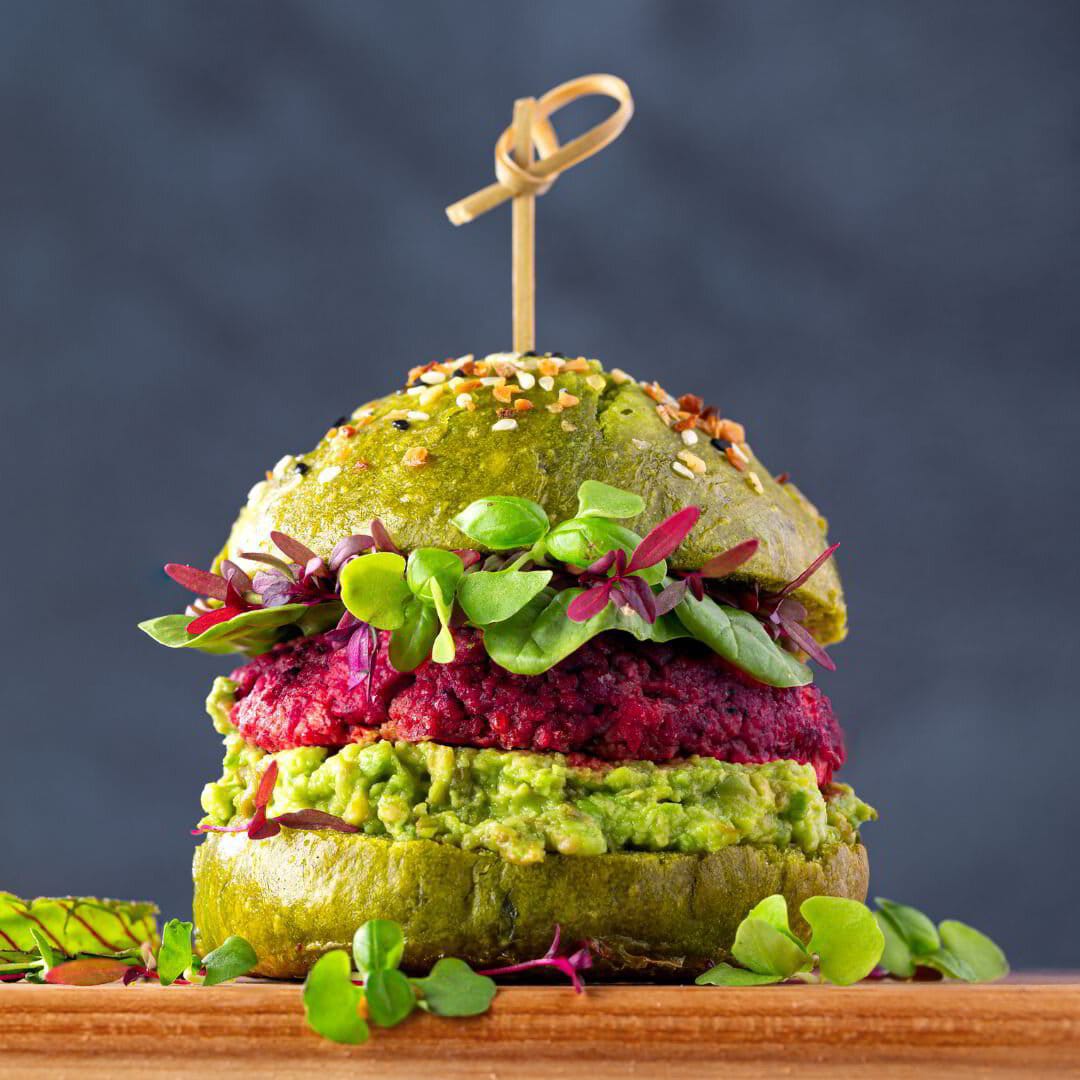
What "vegan-friendly" actually means out here
Most safari lodges are no longer surprised by a vegan booking. The good ones plan around it the way they plan around shellfish allergies or Halal preferences. The food gets better the more notice we give them.
There is a meaningful difference between a lodge that "can do vegan" and a lodge that does it well. The first means the kitchen will swap protein for grilled vegetables and call it a day. The second means the chef has thought about textures, fats, and seasoning across a full week of meals so the food is interesting at every sitting.
We pre-brief every lodge before your stay. The brief covers strict vegan versus flexitarian, dairy and honey tolerances, allergies, and any specific dishes you have loved on previous trips. The chef writes a draft week and we review it before you arrive. If something looks repetitive or thin, we send it back.
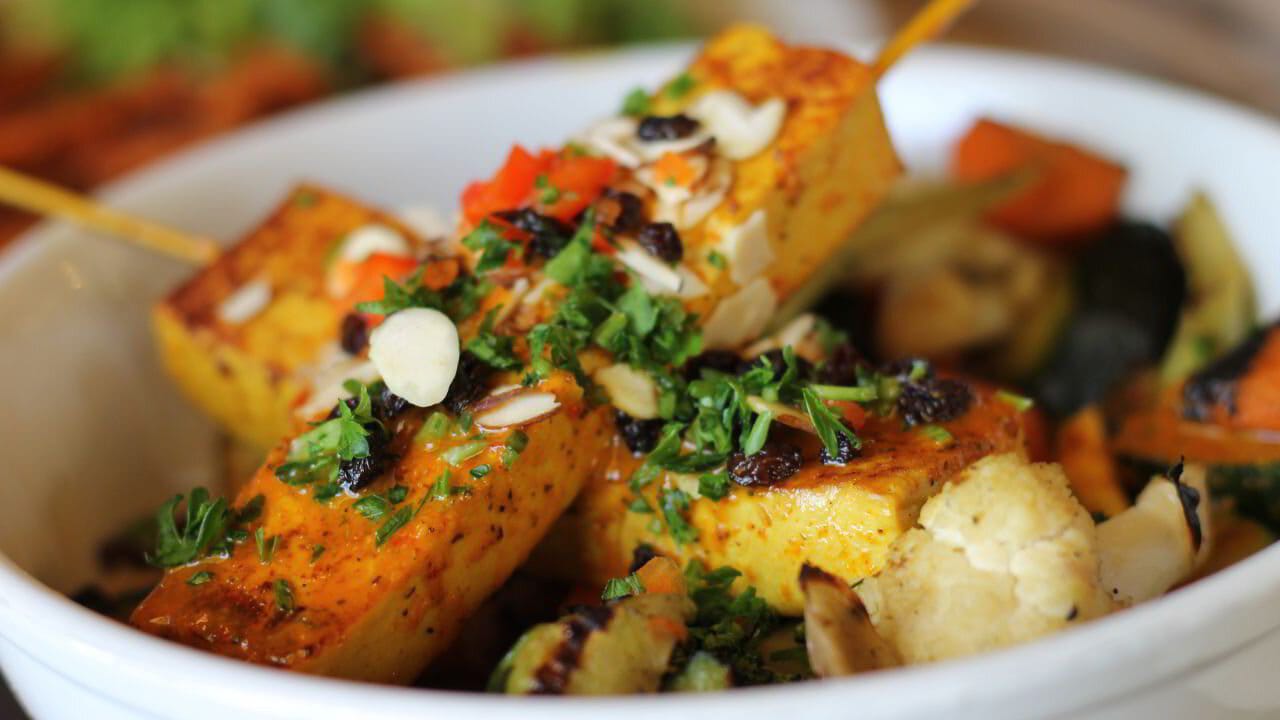
African food has been plant-led for centuries. Maize, beans, peanuts, sweet potato, greens. The continent has not just discovered vegetables.
Where the food actually shines
South Africa. The country produces a serious volume of high-quality vegetables, legumes, and grains, much of it organic. Cape Town's plant-based scene is one of the most developed on the continent. Out of the city, the better Sabi Sand and Timbavati lodges have head chefs who came up through Cape Town hotel kitchens, which means the vegan repertoire is broad. Expect proper cooking. Slow-roasted aubergine, chakalaka with sourdough, springbok-spice rubbed cauliflower, malva pudding made with aquafaba.
Botswana. Lodges in the Okavango and Linyanti grow a surprising amount of their own produce. The Wilderness, andBeyond, and Great Plains lodges have made meaningful progress on plant-based menus over the last three years. The constraint is supply: everything that does not grow on site has to fly in. We confirm what is in season for your dates before we promise the menu.
Kenya. Plant-based travel is well supported in the Mara and on the Laikipia plateau. The kitchens use a lot of Indian and East African pulse cooking, which makes a vegan week properly rich. Curries, sambusas, ugali, charred greens with peanut sauce. Nairobi has a solid vegan dining scene if you want a city night before flying north.
Tanzania. The Serengeti and Ngorongoro lodges handle vegan well, particularly the camps that cycle their own kitchen gardens with the herd movements. Expect more grain-and-stew cooking and less of the fine-dining angle you get in Sabi Sand. Arusha and Karatu both have decent restaurants if you build in a town night.
Mauritius and Zanzibar. Both islands cook well for vegan travellers because their everyday cuisines are already heavy with vegetable curries and lentil dishes. Useful add-ons after a safari leg.
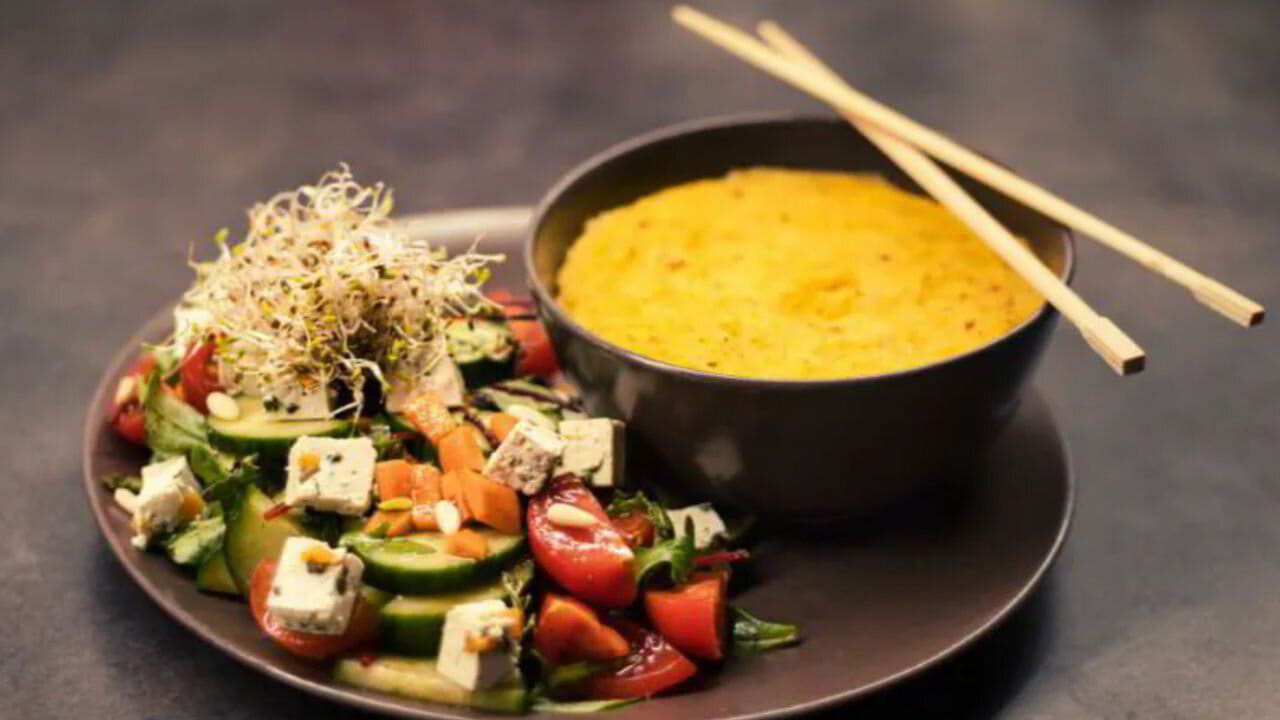
What a vegan safari week tastes like
A composite week from one of our recent Sabi Sand bookings. The guests were strict vegan, no dairy, no honey, no gelatin.
Breakfast. Coconut yoghurt with fynbos honey alternative, granola made on site, fresh fruit, sourdough toast, avocado, tomato. A daily hot option: shakshuka one day, tofu scramble the next, mushroom and spinach hash, savoury sweet potato pancakes. Filter coffee or rooibos.
Lunch. Lighter, after the morning drive. Grain bowls with grilled vegetables, hummus, harissa carrots, beetroot tahini. Cold soups in summer (gazpacho, watermelon and chilli), thicker soups in winter (butternut and ginger, lentil and tomato). Fresh bread baked that morning.
Sundowners. South African vegan-friendly wine (most South African wine is vegan-friendly without needing certification), olives, biltong-spiced nuts, charred padron peppers.
Dinner. Three courses, plated. Starter rotation: heirloom tomato with smoked almond ricotta, gem salad with miso dressing, sweet potato dumplings in sage oil. Mains: hummus-stuffed broccoli with red pepper pesto and butternut puree (a Hayley Cooper dish from Kings Camp, well known on the circuit), aubergine bobotie with yellow rice and chutney, tagliatelle with cashew cream and porcini, slow-roasted cauliflower with Cape Malay spice. Dessert: dark chocolate mousse made with aquafaba, malva pudding with coconut custard, poached pears with rooibos syrup.
The point is range. Vegan does not need to mean the same plate of grilled vegetables every night.
The questions guests actually ask
Will I be hungry? No. Lodge meals run to four or five generous courses across the day. The chefs cook to fill you up. If anything, the issue is the opposite.
What about the boma dinner? Most lodges run a fire-side boma dinner once or twice a stay. The vegan version is good. Whole roasted butternut, fire-baked flatbreads, grain salads, charred mushrooms over coals. We have eaten it. It works.
Are the staff respectful about it? Yes. The lodges we use have moved past the era where a vegan request was treated as an inconvenience. The chef will usually come to your table on the first night to confirm preferences and walk you through the week.
Can mixed groups be catered for? Most of our bookings are mixed. One vegan, two flexitarian, three meat-eaters is normal. The kitchens cook in parallel. It does not slow service.
Will my safari guide know? Yes. We brief the guide as well as the kitchen. That matters for sundowner stops and bush picnics, where the food comes from the lodge but the guide carries it.
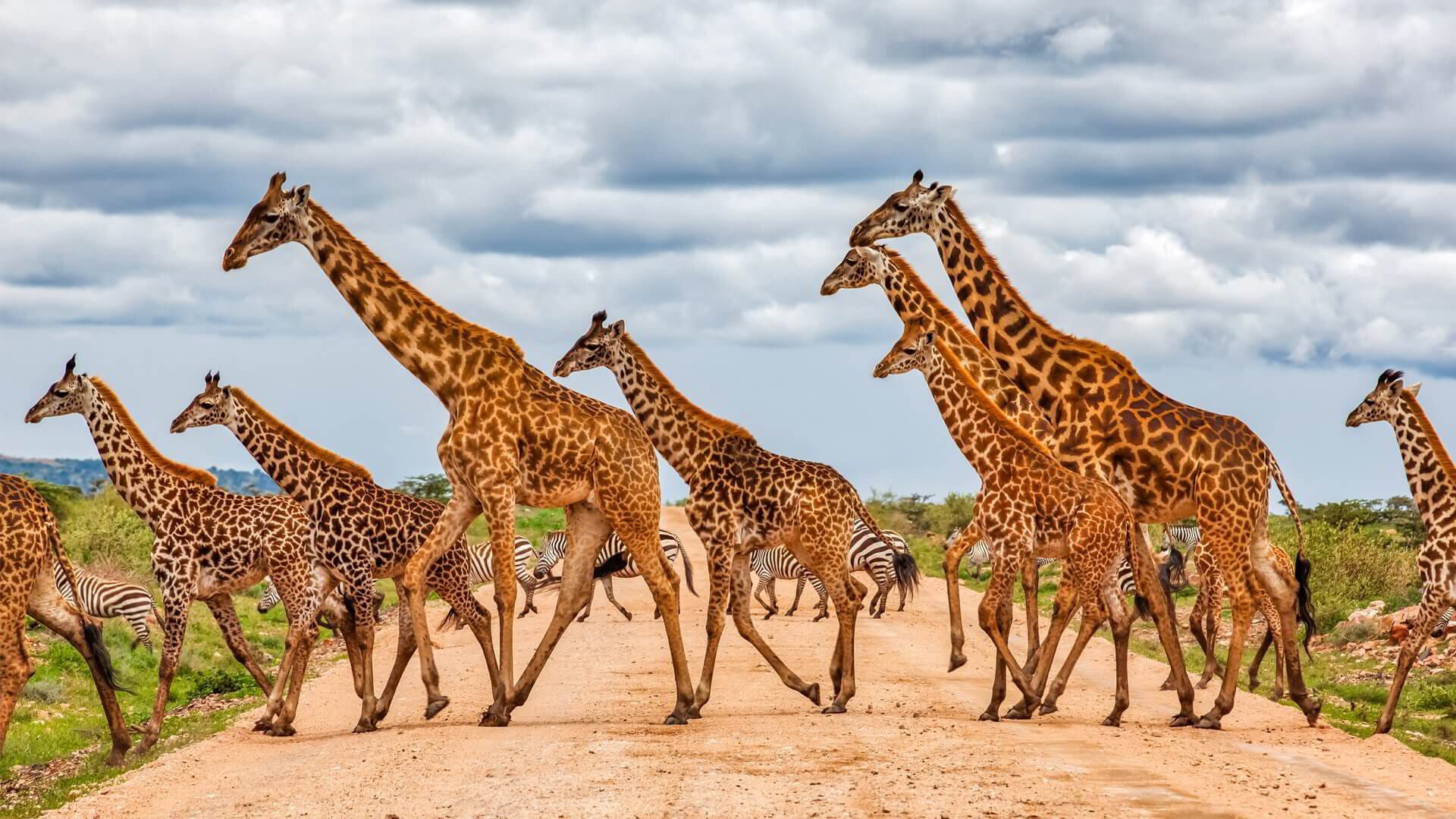
A great vegan safari week is not about substitution. It is about food that makes the meat-eaters jealous.
Where vegan travel still requires real planning
Bush walks and fly camps. The more remote the activity, the simpler the food gets. A two-night fly camp in the Selinda or a walking safari in Zambia cannot offer the same range as a main lodge. We make sure the menu is honest about this and we pack ahead.
Seasonal camps following the Migration. The Mara and Serengeti seasonal camps have smaller kitchens and a tighter supply chain. The food is good but the rotation is shorter. Five-night stays show the same dishes more than once.
Light aircraft transfers. Catering between flights is tea, biscuits, and sandwiches. Most airstrip operators do a vegan sandwich on request if we ask 24 hours ahead. Sometimes the answer is a banana and a packet of nuts. Worth knowing.
Frequently asked questions
Is it actually possible to eat well as a vegan on safari? Yes. The chefs at the lodges we use treat vegan as creative, not restrictive. With a proper brief in advance the food is excellent.
Do I need to bring my own snacks? Useful for transit days, not necessary at the lodges. Pack high-quality nut bars or biltong-style alternatives for airstrip transfers.
Are vegan wines available? Most South African wine is vegan by default. Specific kosher-vegan or biodynamic-vegan bottles can be sourced with notice.
Do lodges cater for raw food, gluten-free, or oil-free diets? Yes, with longer notice. Tell us in the first conversation. We brief the kitchen properly and confirm before you arrive.
Which countries are easiest for plant-based safari travel? South Africa (especially Sabi Sand and Cape Town), Kenya (Mara, Laikipia), and Botswana (Okavango). Tanzania and Mauritius work well as add-ons.
Start with a conversation
Tell us how strict, how many of you, and which countries you are interested in. We come back with a shortlist of lodges whose kitchens we trust with the brief, and a draft week of meals so you know what you are walking into.
If this resonated
The bush has been expecting you
Start with a conversation. We will ask what makes you want to wake up at four-thirty, and build from there.
Begin a conversation
Royal Malewane reopens: what we remember, and what the fact sheet confirms
The original Royal Portfolio property is back after months behind scaffolding. We haven't seen it yet. Here is what we know anyway.

We run on solar and we have not printed since 2019
Vikki and Sian on solar power, paper, and what a small safari company can honestly claim.

Sandringham Private Game Reserve: should you go early, or wait?
Greater Kruger's newest reserve opens in August 2026. Our honest take on who should book Sandringham early, and who should give it a few seasons.

The packing guide
What to bring on safari, what to leave at home, and the one thing no lodge can lend you. An honest packing list from the team in Hoedspruit.

How do you want to feel when you get home?
Why we plan safaris around how you want to feel when you get home, not around a pin on the map.

South Africa's online traveller declaration: what it means for your safari (and what it doesn't)
A five-minute customs form now stands between you and the arrivals hall. Here's what it is, who needs it, and what nothing to declare actually means for a normal safari guest.

Safari After Dark
Night drives reveal a different Africa. Quieter, older, more deliberate. Here's what we love about the bush after the sun goes down.

How we tailor every Marula Hill safari
We don't start with destinations. We start with you: your pace, your family, your idea of a good day in the bush.

When space teaches: what Saseka's refresh tells us about gathering in the bush
What a thoughtful safari lodge refresh tells us about gathering in the bush.

Inside FedAir's new Baobab lounge at Hoedspruit
The new Baobab lounge at Hoedspruit airport changes how a safari begins. Vikki Jackson on the room that holds you before the bush does.

How safari pricing actually works
From the people who build the quotes. What you are really paying for, where the money goes, and how to spend it well.

Monwana, and what coming home actually means
By Vikki Jackson and Sian Loehrer. A week at the Thornybush lodge that has built its whole identity around the word home, and what we found when we tested it against the room, the drives, the afternoons and the bill.

The Mozambique dhow: a slow boat at the end of a fast trip
Why we put a dhow afternoon into almost every Mozambique trip. Sail, salt water and the long breath out after safari.

Why we built the Antarctica page
A short note from Sian on why an African safari business added Antarctica to its destination map, and how we handle a trip neither founder has yet made.

Lion Sands Ivory Lodge. What their redesign gets right
I visited Lion Sands Ivory Lodge in the Sabi Sand. The redesigned spaces are quiet, bold, and rare. Here is what they got right.

Where the money actually goes on a luxury safari
A line-by-line look at what you're actually paying for on a luxury African safari — and what a quote that looks light is usually hiding.

Bazaruto vs Quirimbas: which Mozambique archipelago is right for you?
How to choose between Mozambique's two great archipelagos for a bush-and-beach trip. Geography, lodge feel, when to go.

Sabi Sand or Kruger
Two reserves, one fence line, very different mornings

What is the best month to visit Cape Town?
Cape Town rewards you differently in every season, but March to May is the window most of our clients come back to.

What Singita Lebombo's 2026 redesign tells us
Lebombo reopened March 2026 warmer, quieter, more art-led

Gorilla trekking, Uganda or Rwanda
Two countries, the same forest, two very different days

Do you need travel insurance for a safari
What safari travel insurance must cover, and why standard policies fall short

How two women from outside the travel industry built a luxury safari brand from Africa
We are the two women behind Marula Hill. One of us came from IBM, the other from MARS Southern Africa. Here is the long version of how a private safari business gets built from outside the travel industry.

Sole-use villa safaris in Africa
What sole-use villa safaris mean in practice, who they suit, and what to ask

Why Rwanda is the cleanest country in Africa
A plastic-bag ban from 2008. A mandatory community work morning on the last Saturday of every month. The system behind Rwanda's cleanliness, explained.