
Why Rwanda is the cleanest country in Africa
A plastic-bag ban from 2008. A mandatory community work morning on the last Saturday of every month. The system behind Rwanda's cleanliness, explained.

Rwanda is the cleanest country in Africa for one reason: it built cleanliness into the law, and then into the calendar. A national plastic-bag ban from 2008. A mandatory community work morning on the last Saturday of every month. A second law in 2019 that extended the ban to single-use plastics. A national green fund that pays for the watershed work behind the scenes. None of it is voluntary. All of it is enforced. What visitors notice when they land in Kigali is the visible result, but the system behind it is older and more deliberate than the headlines usually allow.
The plastic-bag ban that started everything
In September 2008, Rwanda passed Law N° 57/2008, which prohibited the manufacturing, importation, use, and sale of polyethene bags inside the country. The ban was strict from day one. Bags found at the airport are confiscated on arrival. Travellers are asked to repack toiletries and produce into paper or fabric before leaving the terminal. The official Visit Rwanda guidance is direct: do not bring plastic bags into the country, they will be taken at the border (Visit Rwanda).
Eleven years later, Rwanda went further. Law N° 17/2019 of August 2019 banned single-use plastic items as well, including most disposable plastic packaging and cutlery. The text of the law is published in the Official Gazette by the Rwanda Environment Management Authority (REMA). Exceptions exist for medical use and a small number of industrial applications, but the consumer-facing economy now runs on paper, cloth, woven sisal, and reusable containers.
Umuganda: the last Saturday of every month
The second pillar is older. Umuganda is a Kinyarwanda word that translates loosely as "coming together for a common purpose." The tradition pre-dates independence. The modern, country-wide version was written into law in 2007 as part of the post-genocide rebuild.
The rules are simple and the law. On the last Saturday of every month, between 8am and 11am, all Rwandan citizens aged 18 to 65 are required to participate in community work in their own neighbourhood. Roads close. Shops shut for the morning. Police monitor compliance and turnout. Citizens arrive with hoes, rakes, cloth sacks, and brooms to clean streets, dig drainage trenches, build classrooms, and repair public infrastructure. Failure to participate without a valid reason can draw a fine, set locally, of around RWF 5,000.
The most recent Rwanda Governance Scorecard, for 2022, recorded 97.3 per cent citizen participation in Umuganda (The Straits Times). That is not a marketing figure. It comes from the Ministry of Local Government's own monitoring.
The international recognition
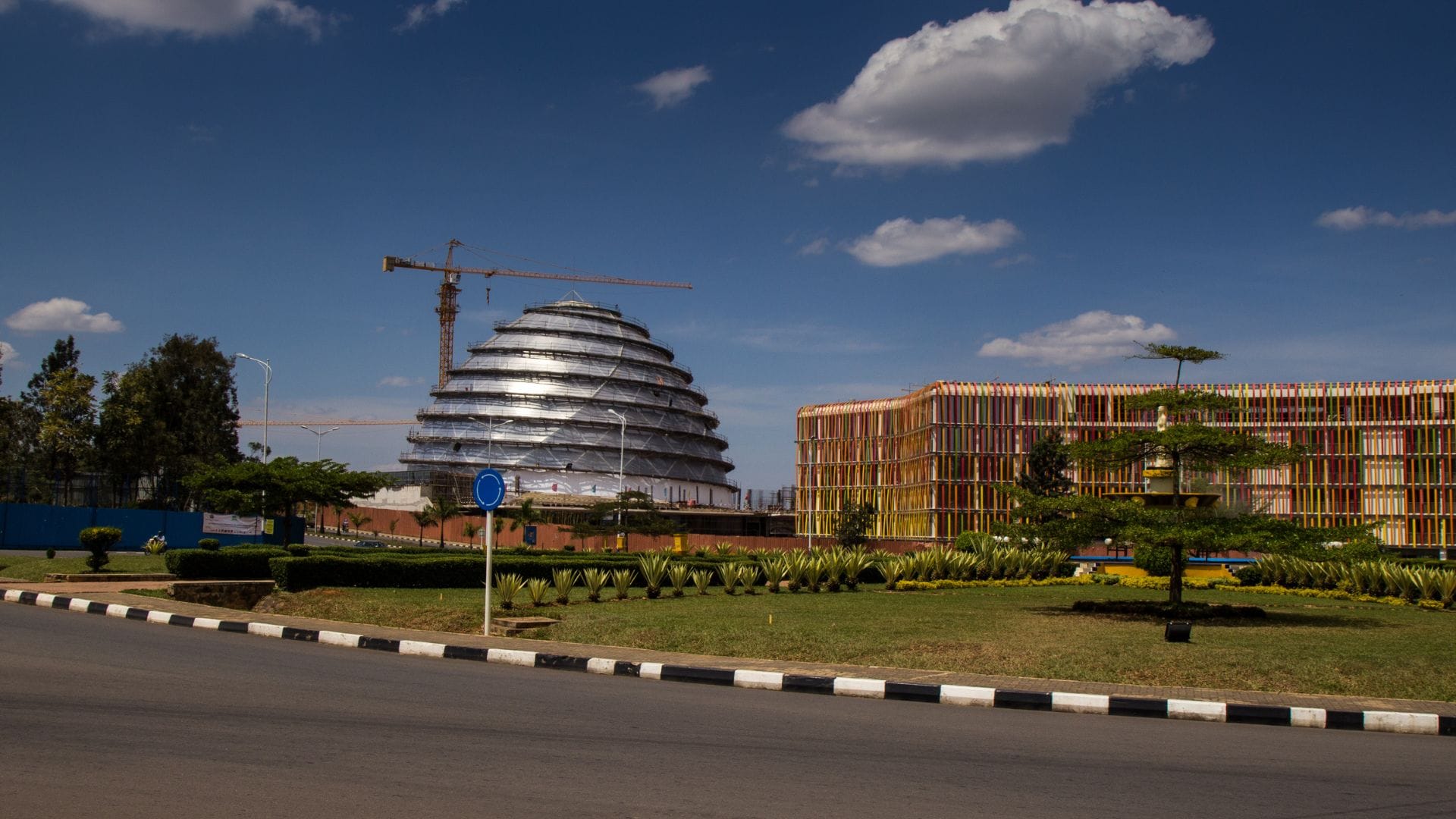
In 2008, the same year the plastic-bag ban was passed, UN-Habitat awarded Kigali the Scroll of Honour, its highest urban award, "in recognition of the capital's high levels of cleanliness, greenness and safety" (United Nations). The award put Kigali on a short global list of cities, including Nanjing and Ciudad Juárez, that UN-Habitat singled out that year.
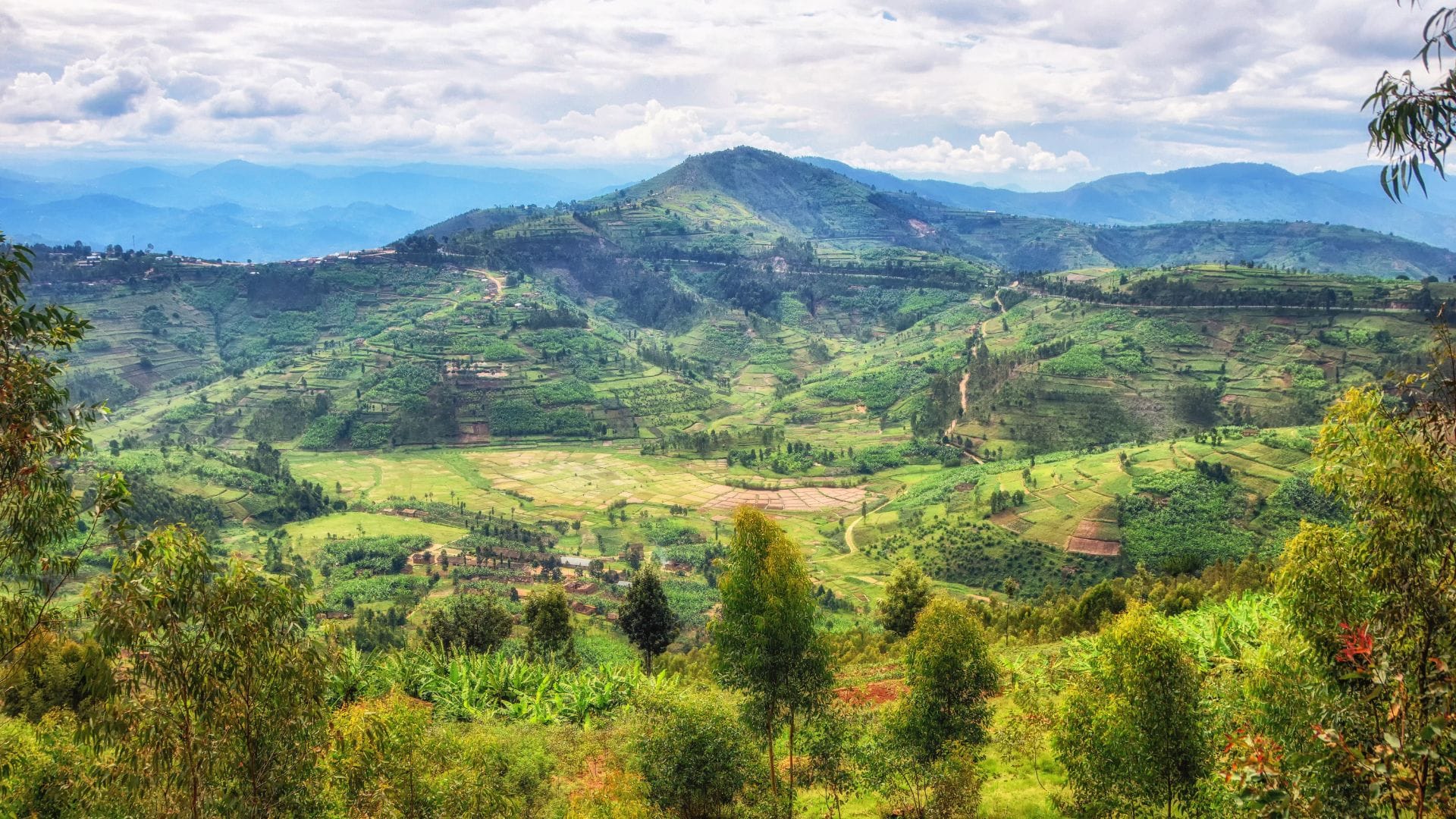
Since then the description "cleanest city in Africa" has shown up repeatedly in international coverage, from Deutsche Welle to ONE.org. The point we'd flag for travellers is that the cleanliness extends well beyond Kigali. Drive the road from Kigali to Volcanoes National Park, or south to Nyungwe, and the verges are picked, the villages are swept, the petrol stations have working bins, and the school grounds are raked.
The Rwanda Green Fund
The third pillar is financial. FONERWA, the Rwanda Green Fund, was established by the government to finance environmental and climate work across the country. It has funded reforestation, erosion control, urban drainage, and clean cooking programmes, and in 2018, it received a United Nations award for its work mitigating climate change (FONERWA). The fund matters because the cleanliness Rwanda is famous for is not only a sweeping job. It is a watershed-protection job, a soil-erosion job, an urban-drainage job, and a tree-replanting job, on a country the size of Wales, sitting at the headwaters of the Nile and the Congo.
What it looks like as a visitor
The first thing our clients tell us when they arrive in Kigali is that the gutters are clean. Roadsides that in other African capitals would be littered with bottles and bags are green, swept, picked, and lined with bougainvillaea. Cars stop at red lights. Motorbike taxi drivers wear helmets and reflective vests. The pavements are not perfect, but they are tended.
On a Saturday morning at the end of the month, the city goes quiet from eight until eleven. Shops close. Roads block. Hotels keep their restaurants open for guests but ask their own kitchen teams to leave for the morning. It is not a tourist performance. It is the country's monthly maintenance schedule, and the visitor is expected to step out of the way for three hours.
Common questions
Is Rwanda really the cleanest country in Africa?
Kigali holds the UN-Habitat Scroll of Honour (2008) and is consistently described as Africa's cleanest capital by international press and travel media. The country-wide picture is harder to rank formally because no league table exists, but anyone travelling in Rwanda from north to south will notice the consistency: the cleanliness is not a Kigali story alone.
Are plastic bags really confiscated at the airport?
Yes. The 2008 ban applies at every point of entry. Customs officers ask travellers to remove plastic bags from luggage. Bring a reusable shopping bag for souvenirs.
Do tourists have to participate in Umuganda?
Foreigners on tourist visas are not required to take part. The legal requirement applies to citizens and residents. Most visitors plan around Umuganda by booking a longer stay at a lodge on the last Saturday of the month, or by starting a city activity after 11am. If you are interested in joining, embassies and a number of community organisations welcome visitors who want to volunteer for the morning.
Has the plastic ban hurt the economy?
The opposite. Rwanda has built a small domestic industry around paper bags, woven sisal carriers, and reusable cloth packaging. The ban has been studied internationally as a model for low-income countries trying to reduce plastic pollution without disrupting trade (UNDP).
How does this affect a safari in Rwanda?
Two practical things. First, the lodges in Volcanoes and Nyungwe do not provide single-use water bottles. Refill stations are standard. Bring a reusable bottle. Second, if your trip falls on the last Saturday of the month, expect a quiet start to the day. Lodges will brief you. The gorilla trek itself runs as normal, because Umuganda activities are completed before park access opens.
What we plan around it
For Marula Hill clients heading to Rwanda for gorilla trekking, the cleanliness piece is rarely the headline reason for the trip. The headline is the gorillas. But it is part of why so many of our clients come back saying Rwanda surprised them. The country feels organised and safe. The road from Kigali to the lodges runs through villages that are swept and tidy. The contrast with what most people expect of a central African country is sharp, and clients' response is usually some version of "I'd come back."
The cleanliness is not an accident. It is a law, a calendar, a fund, and a national habit, applied with consistency since 2008. The result is the country we send people to today.
Vikki Jackson is co-founder of Marula Hill Travel. We plan boutique safaris across South Africa, Botswana, Zambia, Zimbabwe, Kenya, Tanzania, Rwanda, Uganda, Namibia, and Mozambique. We work only with lodges we know personally or through trusted partners.
If this resonated
The bush has been expecting you
Start with a conversation. We will ask what makes you want to wake up at four-thirty, and build from there.
Begin a conversation
Royal Malewane reopens: what we remember, and what the fact sheet confirms
The original Royal Portfolio property is back after months behind scaffolding. We haven't seen it yet. Here is what we know anyway.

We run on solar and we have not printed since 2019
Vikki and Sian on solar power, paper, and what a small safari company can honestly claim.

Sandringham Private Game Reserve: should you go early, or wait?
Greater Kruger's newest reserve opens in August 2026. Our honest take on who should book Sandringham early, and who should give it a few seasons.

The packing guide
What to bring on safari, what to leave at home, and the one thing no lodge can lend you. An honest packing list from the team in Hoedspruit.

How do you want to feel when you get home?
Why we plan safaris around how you want to feel when you get home, not around a pin on the map.

South Africa's online traveller declaration: what it means for your safari (and what it doesn't)
A five-minute customs form now stands between you and the arrivals hall. Here's what it is, who needs it, and what nothing to declare actually means for a normal safari guest.

Safari After Dark
Night drives reveal a different Africa. Quieter, older, more deliberate. Here's what we love about the bush after the sun goes down.

How we tailor every Marula Hill safari
We don't start with destinations. We start with you: your pace, your family, your idea of a good day in the bush.

When space teaches: what Saseka's refresh tells us about gathering in the bush
What a thoughtful safari lodge refresh tells us about gathering in the bush.

Inside FedAir's new Baobab lounge at Hoedspruit
The new Baobab lounge at Hoedspruit airport changes how a safari begins. Vikki Jackson on the room that holds you before the bush does.

How safari pricing actually works
From the people who build the quotes. What you are really paying for, where the money goes, and how to spend it well.

Monwana, and what coming home actually means
By Vikki Jackson and Sian Loehrer. A week at the Thornybush lodge that has built its whole identity around the word home, and what we found when we tested it against the room, the drives, the afternoons and the bill.

The Mozambique dhow: a slow boat at the end of a fast trip
Why we put a dhow afternoon into almost every Mozambique trip. Sail, salt water and the long breath out after safari.

Why we built the Antarctica page
A short note from Sian on why an African safari business added Antarctica to its destination map, and how we handle a trip neither founder has yet made.

Lion Sands Ivory Lodge. What their redesign gets right
I visited Lion Sands Ivory Lodge in the Sabi Sand. The redesigned spaces are quiet, bold, and rare. Here is what they got right.

Where the money actually goes on a luxury safari
A line-by-line look at what you're actually paying for on a luxury African safari — and what a quote that looks light is usually hiding.

Bazaruto vs Quirimbas: which Mozambique archipelago is right for you?
How to choose between Mozambique's two great archipelagos for a bush-and-beach trip. Geography, lodge feel, when to go.

Sabi Sand or Kruger
Two reserves, one fence line, very different mornings

What is the best month to visit Cape Town?
Cape Town rewards you differently in every season, but March to May is the window most of our clients come back to.

What Singita Lebombo's 2026 redesign tells us
Lebombo reopened March 2026 warmer, quieter, more art-led

Gorilla trekking, Uganda or Rwanda
Two countries, the same forest, two very different days

Do you need travel insurance for a safari
What safari travel insurance must cover, and why standard policies fall short

How two women from outside the travel industry built a luxury safari brand from Africa
We are the two women behind Marula Hill. One of us came from IBM, the other from MARS Southern Africa. Here is the long version of how a private safari business gets built from outside the travel industry.

Sole-use villa safaris in Africa
What sole-use villa safaris mean in practice, who they suit, and what to ask

A family vacation in Cape Town that works for all ages
Cape Town suits kids and grown-ups equally well: beaches, penguins, aquariums, and a city that's easy to move around.