
How we tailor every Marula Hill safari
We don't start with destinations. We start with you: your pace, your family, your idea of a good day in the bush.

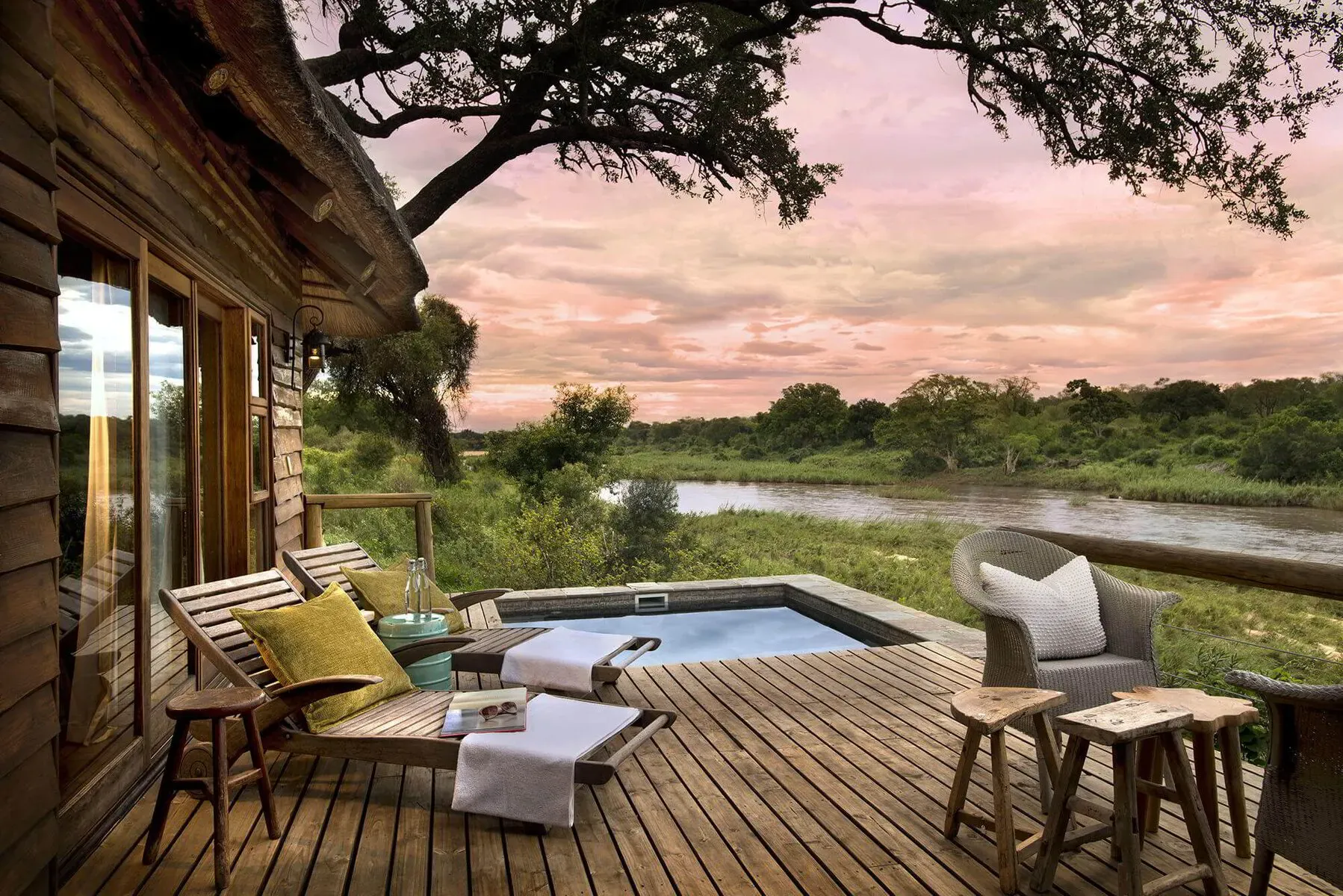
You're on a private deck at sunrise. A hippo grunts somewhere on the river below. Your coffee is still warm. Your kids are actually quiet, watching a herd of elephant move through the reeds. Nobody is checking their phone.
That moment didn't happen by accident. It happened because we spent time, weeks before you boarded a plane, figuring out exactly what kind of trip would work for your family.
This is how we do it.
The First Conversation
When someone reaches out to us, we don't send a brochure. We book a call.
That first call is where we listen. What are you hoping to feel on this trip? Are you travelling with young children, or teenagers who've already been once and want something wilder? Is one person in your group nervous about flying on small bush planes? Does Gran need shade and a late start in the mornings?
These aren't small details. They shape everything.
We ask about your travel history, your budget, how long you have, and whether there are animals or experiences you feel strongly about seeing. We're also listening for what you don't say. If someone mentions they want a "relaxed pace" three times in one conversation, we take note of that.
How We Think About Budget
Budget is not a dirty word. We talk about it directly and early.
A Sabi Sand lodge and a Greater Kruger lodge can sit at completely different price points and both deliver a remarkable experience. The question is what matters most to you: private game traversing, a specific standard of food, a certain lodge aesthetic, or just being as close to good leopard sightings as possible.
Once we know what you're working with, we can tell you what's realistic and where the real value sits. We won't push you towards something that doesn't fit, and we won't pad an itinerary with unnecessary nights to increase the overall spend.
Matching You to the Right Destination
Different destinations do different things. Knowing which one suits you is one of the most important calls we make.
The Sabi Sand in South Africa has the highest recorded leopard density in the country. Game drives happen on private land, so vehicles can go off-road and get close. If big cats are your priority, this is where we start.
Zambia's walking safaris are something else entirely. You're on foot, with a guide and a rifle-bearer, reading tracks in the sand. The pace is slower and the experience is more physical. It's not suitable for young children, but for the right adult traveller it changes how they see everything.
The Okavango Delta in Botswana is best reached by light aircraft. The lodges sit on private concessions surrounded by water channels and flood plains. It's quieter, more remote. Lion and wild dog sightings here are extraordinary. Best for people who want to feel properly far away.
Kenya's Masai Mara works well for families who want a classic safari with open grasslands and the drama of the wildebeest migration. The migration window runs roughly July to October, and in peak season the Mara is busy. We factor that in.
We don't recommend a destination because it sounds good on paper. We recommend it because it fits what you've told us.
Choosing the Lodges
Lodge selection is where we spend the most time.
We've visited most of what we recommend. We know which lodges have actually child-friendly staff and which ones are just claiming it. We know which camps handle solo travellers well, and which private suites are worth the premium for a couple celebrating something.
For families with younger children, we look for lodges with dedicated family suites or separate room configurations, and guides who know how to keep kids engaged on a game drive without it feeling like a school trip. Paul and Heather from Manchester came to us with two kids aged seven and nine. They told us afterwards: "Marula Hill found us the perfect family-friendly lodge. Safe, welcoming, and full of little touches that made our kids feel like explorers and us feel completely at ease."
That kind of feedback tells us the match worked.
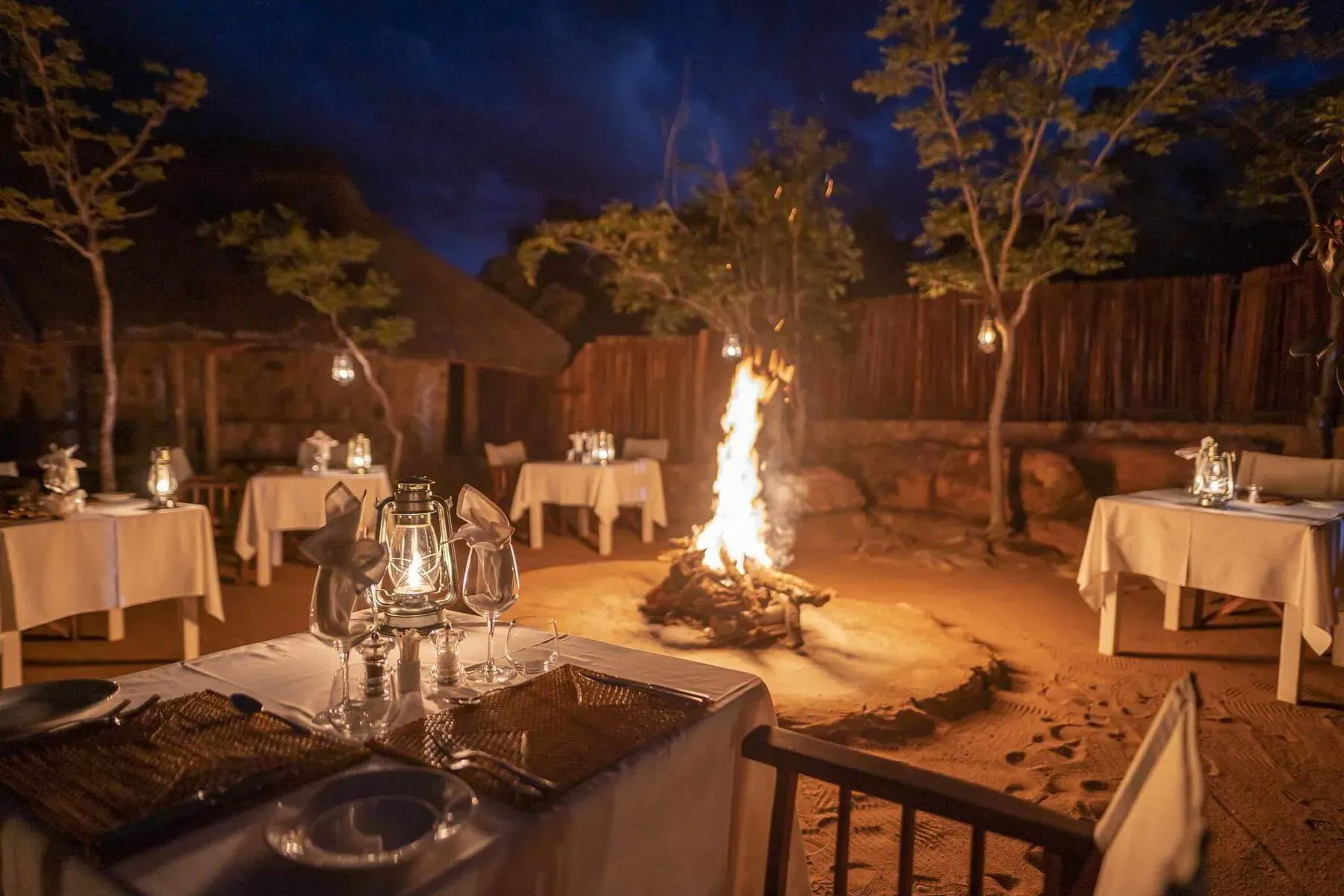
For couples who want privacy, we look at lodges with fewer rooms, those positioned away from main camp activity, and options where meals can be served out in the bush rather than at a communal table.
We're not working from a filtered list on a booking platform. We're drawing on our own experience of these places.
How We Structure the Trip
A well-planned safari has a pace to it. That's something a lot of travellers don't think about until they're in the middle of a trip that feels rushed.
We treat arrival days as recovery days. Flight connections matter: we won't put you on a four-hour road transfer after a long international flight. And we space out the moving days so you have time to actually settle in.
If you're combining destinations, the sequence matters too. Starting in Zambia and ending in Sabi Sand lands very differently from doing it in reverse. A walking safari makes more sense once you've been in the bush for a few days.
We also think about what happens at the end. Nobody wants their last night at an airport hotel in Johannesburg.
What Happens Once You're There
Our job doesn't stop when you board the plane.
We're contactable while you're travelling. If something changes on the ground, a flight gets cancelled, a lodge experience doesn't land the way it should, or you want to add something spontaneous to the last leg, you can reach us.
We also brief lodges in advance. We tell them who's coming, what matters to that group, and whether there's anything specific to look out for. A birthday, a mobility consideration, a child who is obsessed with elephants. Lodges appreciate that information and they use it.
Most of what makes a safari feel personal comes down to that kind of detail. It's not magic. It's paying attention.
If you're not sure where to start, get in touch. No commitment, just a conversation about what's possible for your budget and your group.
For families, our guide to family-friendly safari lodges in South Africa is a good starting point. And if timing is the question, our post on the best time of year for a safari will help.
If this resonated
The bush has been expecting you
Start with a conversation. We will ask what makes you want to wake up at four-thirty, and build from there.
Begin a conversation
Royal Malewane reopens: what we remember, and what the fact sheet confirms
The original Royal Portfolio property is back after months behind scaffolding. We haven't seen it yet. Here is what we know anyway.

We run on solar and we have not printed since 2019
Vikki and Sian on solar power, paper, and what a small safari company can honestly claim.

Sandringham Private Game Reserve: should you go early, or wait?
Greater Kruger's newest reserve opens in August 2026. Our honest take on who should book Sandringham early, and who should give it a few seasons.

The packing guide
What to bring on safari, what to leave at home, and the one thing no lodge can lend you. An honest packing list from the team in Hoedspruit.

How do you want to feel when you get home?
Why we plan safaris around how you want to feel when you get home, not around a pin on the map.

South Africa's online traveller declaration: what it means for your safari (and what it doesn't)
A five-minute customs form now stands between you and the arrivals hall. Here's what it is, who needs it, and what nothing to declare actually means for a normal safari guest.

Safari After Dark
Night drives reveal a different Africa. Quieter, older, more deliberate. Here's what we love about the bush after the sun goes down.

When space teaches: what Saseka's refresh tells us about gathering in the bush
What a thoughtful safari lodge refresh tells us about gathering in the bush.

Inside FedAir's new Baobab lounge at Hoedspruit
The new Baobab lounge at Hoedspruit airport changes how a safari begins. Vikki Jackson on the room that holds you before the bush does.

How safari pricing actually works
From the people who build the quotes. What you are really paying for, where the money goes, and how to spend it well.

Monwana, and what coming home actually means
By Vikki Jackson and Sian Loehrer. A week at the Thornybush lodge that has built its whole identity around the word home, and what we found when we tested it against the room, the drives, the afternoons and the bill.

The Mozambique dhow: a slow boat at the end of a fast trip
Why we put a dhow afternoon into almost every Mozambique trip. Sail, salt water and the long breath out after safari.

Why we built the Antarctica page
A short note from Sian on why an African safari business added Antarctica to its destination map, and how we handle a trip neither founder has yet made.

Lion Sands Ivory Lodge. What their redesign gets right
I visited Lion Sands Ivory Lodge in the Sabi Sand. The redesigned spaces are quiet, bold, and rare. Here is what they got right.

Where the money actually goes on a luxury safari
A line-by-line look at what you're actually paying for on a luxury African safari — and what a quote that looks light is usually hiding.

Bazaruto vs Quirimbas: which Mozambique archipelago is right for you?
How to choose between Mozambique's two great archipelagos for a bush-and-beach trip. Geography, lodge feel, when to go.

Sabi Sand or Kruger
Two reserves, one fence line, very different mornings

What is the best month to visit Cape Town?
Cape Town rewards you differently in every season, but March to May is the window most of our clients come back to.

What Singita Lebombo's 2026 redesign tells us
Lebombo reopened March 2026 warmer, quieter, more art-led

Gorilla trekking, Uganda or Rwanda
Two countries, the same forest, two very different days

Do you need travel insurance for a safari
What safari travel insurance must cover, and why standard policies fall short

How two women from outside the travel industry built a luxury safari brand from Africa
We are the two women behind Marula Hill. One of us came from IBM, the other from MARS Southern Africa. Here is the long version of how a private safari business gets built from outside the travel industry.

Sole-use villa safaris in Africa
What sole-use villa safaris mean in practice, who they suit, and what to ask

Why Rwanda is the cleanest country in Africa
A plastic-bag ban from 2008. A mandatory community work morning on the last Saturday of every month. The system behind Rwanda's cleanliness, explained.

A family vacation in Cape Town that works for all ages
Cape Town suits kids and grown-ups equally well: beaches, penguins, aquariums, and a city that's easy to move around.