
Safari After Dark
Night drives reveal a different Africa. Quieter, older, more deliberate. Here's what we love about the bush after the sun goes down.

The Land Cruiser slows on a sandy track and the engine cuts. Heat lifts off the ground in slow waves. A lion calls somewhere east of us, low and unhurried, and then the bush goes still in that particular way it has just after sundown. One star. Then a handful. Then a sky full of them.
Listen for a while and the quiet stops being quiet. Dry leaves shift under something small. An owl calls from a knobthorn. A bushbaby launches from one branch to another with a thud you can feel more than hear.
The bush hasn't gone to sleep. It has changed shift.
How the same animals become different animals
Daytime drives are about distance. You scan the horizon, follow the herds, watch the light change over open ground. After dark, the work becomes closer. A guide stops the vehicle, climbs out, and shines a soft beam across a track. Fresh pad marks. No claw. A leopard moved through here, recently.
Lions shift gear too. In the heat of the day they sprawl under marulas, ribs rising and falling, looking like the laziest animals in Africa. After dark they stop pretending. They listen, they test the wind, they wait. Patience replaces swagger.
Zebras read the change immediately. By day they spread out across open ground. After dark they pull tight together, flanks almost touching, one or two heads always up, ears swivelling. The dazzle becomes a single listening organism.
Watching this happen over the course of a few hours teaches you something the daylight never does. The animals are the same. The story isn't.
Reading the quiet signs
Most of what we love about a night drive is the small stuff.
A guide crouches beside the road and the beam picks up tiny prints in the sand. A genet passed this way an hour ago, maybe less. Further on, a scuffed patch shows where a porcupine shuffled across. A neat round hole near a termite mound says an aardvark has already been and gone.
Your eyes get less useful in the dark, and your ears take over. A sudden snort from a zebra in the grass. A faint rustle in the scrub. The brittle snap of a twig that wasn't there a moment ago. You stop scanning and start listening, and the bush starts giving things up.
Then a leopard steps into the clearing ahead. It doesn't notice the vehicle, or pretends it doesn't. A pause. A sniff. Gone. Eight seconds, maybe ten. The kind of sighting that's over before your brain has caught up, and stays with you for years.
Photography slows down the same way. Night work is patience over speed. Guides use light carefully, just enough to catch shape and movement without spooking anything. Often the best moments happen in almost no light at all.
Where we love a night drive
Some places do this better than others, and a lot of it comes down to if you're inside a private concession. National parks tend to close their gates at sunset. The private reserves don't, and that's where the night shift really opens up.
In Botswana's Okavango Delta, the channels and islands act like corridors. Hippos slip out of the water to graze. Antelopes move along narrow paths between palm islands, half-seen.
Parts of Namibia's central plateau, between Windhoek and Etosha, are among the best countries we know for genuinely odd nocturnal stuff. Aardwolf. Pangolin, if you're lucky. The kind of sightings most travellers go a lifetime without.
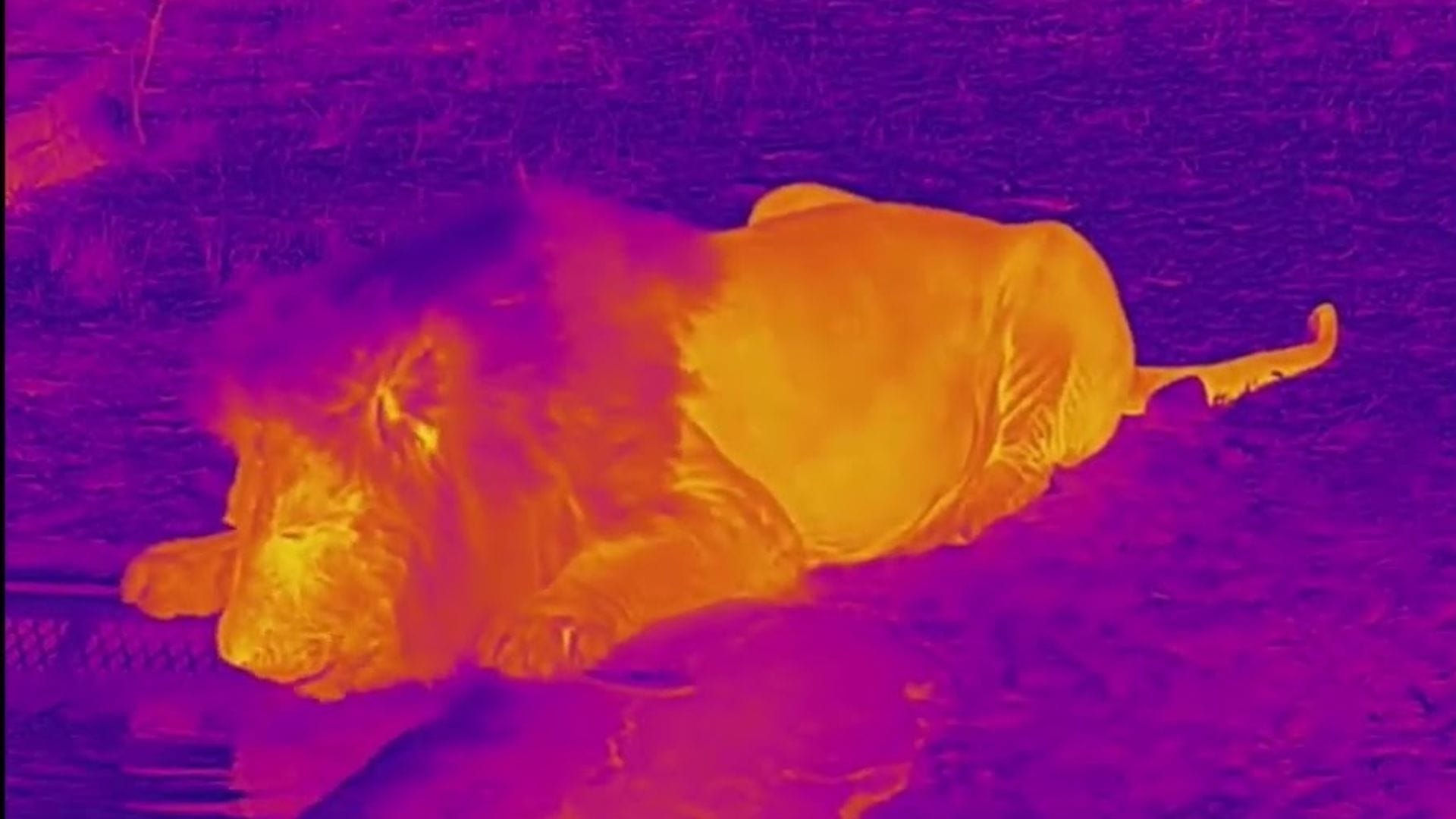
The Greater Kruger's private reserves, the Sabi Sand and Manyeleti among them, do their own version of the night shift beautifully. Porcupines on the roads. Nightjars sweeping low through the headlights. An aardvark emerging from its burrow like it has somewhere to be. Some lodges in this region have also started using thermal binoculars and cameras on night drives, which opens up another layer again. Animals you would never normally see become visible in the dark, going about their business as if you weren't there.
The other half of the sky
The sky is part of this, too.
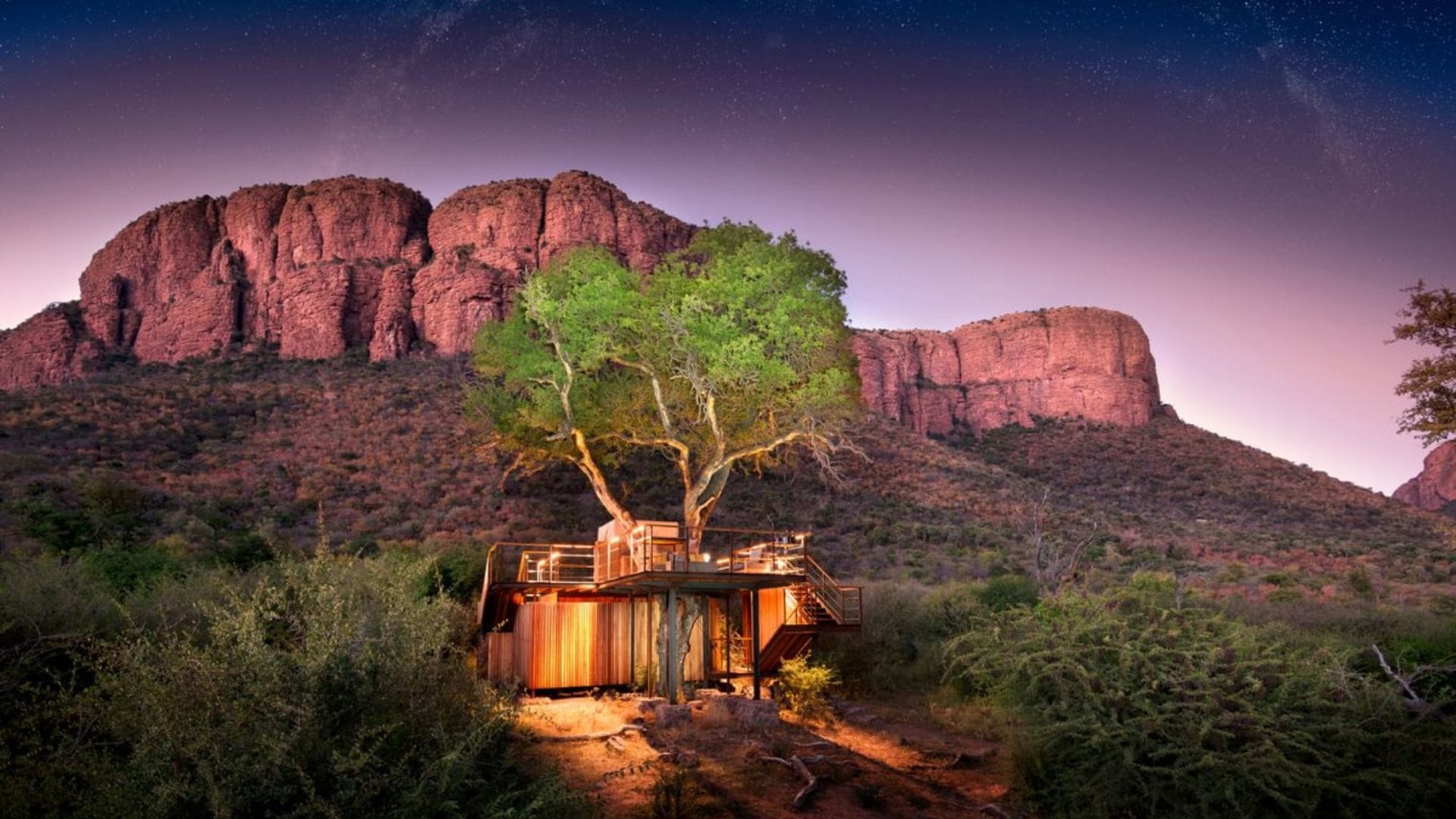
Out beyond city light, the Milky Way comes back. It's hard to describe to someone who has only ever seen a few stars at a time. It looks closer. Older. Like a pale river running over the camp.
A few of our favourite lodges have star beds. Proper ones. You climb up at the end of the day, the staff bring you a drink, and you sleep under the open sky with the bush doing its night business around you. It's one of those experiences that sounds gimmicky until you do it.
What stays with you
What sticks afterwards is usually not the big sighting.
It's the hippo we watched one night near Mana Pools, lifting itself out of the water as the last light went, and starting to graze in that quiet, unhurried, oddly gentle way they have on land. Most people only ever see the eyes and ears in the water. You forget how many animals there are.
It's the small noises around the vehicle. Leaves brushing. Distant calls carrying. That restless undercurrent that only seems to settle after the sun has gone.
Night doesn't hide the bush. It just shows you the other half of it. Older. Calmer. Less interested in being watched.
If a night drive or a star bed sounds like the kind of thing you'd want built into your trip, we'd love to talk it through. We know the lodges and the concessions where this side of the bush comes out properly, and we'll match it to the rest of your safari rather than tacking it on.
If this resonated
The bush has been expecting you
Start with a conversation. We will ask what makes you want to wake up at four-thirty, and build from there.
Begin a conversation
Royal Malewane reopens: what we remember, and what the fact sheet confirms
The original Royal Portfolio property is back after months behind scaffolding. We haven't seen it yet. Here is what we know anyway.

We run on solar and we have not printed since 2019
Vikki and Sian on solar power, paper, and what a small safari company can honestly claim.

Sandringham Private Game Reserve: should you go early, or wait?
Greater Kruger's newest reserve opens in August 2026. Our honest take on who should book Sandringham early, and who should give it a few seasons.

The packing guide
What to bring on safari, what to leave at home, and the one thing no lodge can lend you. An honest packing list from the team in Hoedspruit.

How do you want to feel when you get home?
Why we plan safaris around how you want to feel when you get home, not around a pin on the map.

South Africa's online traveller declaration: what it means for your safari (and what it doesn't)
A five-minute customs form now stands between you and the arrivals hall. Here's what it is, who needs it, and what nothing to declare actually means for a normal safari guest.

How we tailor every Marula Hill safari
We don't start with destinations. We start with you: your pace, your family, your idea of a good day in the bush.

When space teaches: what Saseka's refresh tells us about gathering in the bush
What a thoughtful safari lodge refresh tells us about gathering in the bush.

Inside FedAir's new Baobab lounge at Hoedspruit
The new Baobab lounge at Hoedspruit airport changes how a safari begins. Vikki Jackson on the room that holds you before the bush does.

How safari pricing actually works
From the people who build the quotes. What you are really paying for, where the money goes, and how to spend it well.

Monwana, and what coming home actually means
By Vikki Jackson and Sian Loehrer. A week at the Thornybush lodge that has built its whole identity around the word home, and what we found when we tested it against the room, the drives, the afternoons and the bill.

The Mozambique dhow: a slow boat at the end of a fast trip
Why we put a dhow afternoon into almost every Mozambique trip. Sail, salt water and the long breath out after safari.

Why we built the Antarctica page
A short note from Sian on why an African safari business added Antarctica to its destination map, and how we handle a trip neither founder has yet made.

Lion Sands Ivory Lodge. What their redesign gets right
I visited Lion Sands Ivory Lodge in the Sabi Sand. The redesigned spaces are quiet, bold, and rare. Here is what they got right.

Where the money actually goes on a luxury safari
A line-by-line look at what you're actually paying for on a luxury African safari — and what a quote that looks light is usually hiding.

Bazaruto vs Quirimbas: which Mozambique archipelago is right for you?
How to choose between Mozambique's two great archipelagos for a bush-and-beach trip. Geography, lodge feel, when to go.

Sabi Sand or Kruger
Two reserves, one fence line, very different mornings

What is the best month to visit Cape Town?
Cape Town rewards you differently in every season, but March to May is the window most of our clients come back to.

What Singita Lebombo's 2026 redesign tells us
Lebombo reopened March 2026 warmer, quieter, more art-led

Gorilla trekking, Uganda or Rwanda
Two countries, the same forest, two very different days

Do you need travel insurance for a safari
What safari travel insurance must cover, and why standard policies fall short

How two women from outside the travel industry built a luxury safari brand from Africa
We are the two women behind Marula Hill. One of us came from IBM, the other from MARS Southern Africa. Here is the long version of how a private safari business gets built from outside the travel industry.

Sole-use villa safaris in Africa
What sole-use villa safaris mean in practice, who they suit, and what to ask

Why Rwanda is the cleanest country in Africa
A plastic-bag ban from 2008. A mandatory community work morning on the last Saturday of every month. The system behind Rwanda's cleanliness, explained.

A family vacation in Cape Town that works for all ages
Cape Town suits kids and grown-ups equally well: beaches, penguins, aquariums, and a city that's easy to move around.