
What we would tell a young woman starting out in safari travel
Both of us came out of corporate, one of us with travel experience already. This is the advice we give when a young woman writes and asks how to build a career in luxury safari travel.

The question we get asked most often by women starting out in this industry is where the effort should go first. Our answer has not changed. Put the guest at the centre of every decision, and get very good at the small things long before worrying about the big ones.
We both came out of corporate careers, though one of us arrived with travel experience already. Vikki spent her early career at IBM in HR and brand communications, then helped set up a tailor-made Africa business, so she came in with the contacts and a working feel for the trade. Sian was marketing director for MARS Southern Africa and came to safari travel from outside it entirely. Both of us had planned safaris for friends and colleagues for years before it occurred to either of us that it could be the business. So what follows is not theory. It is what we wish somebody had told us.
"Small, thoughtful details are what separate luxury from ordinary. That is the whole of it, and it is the part nobody teaches you."
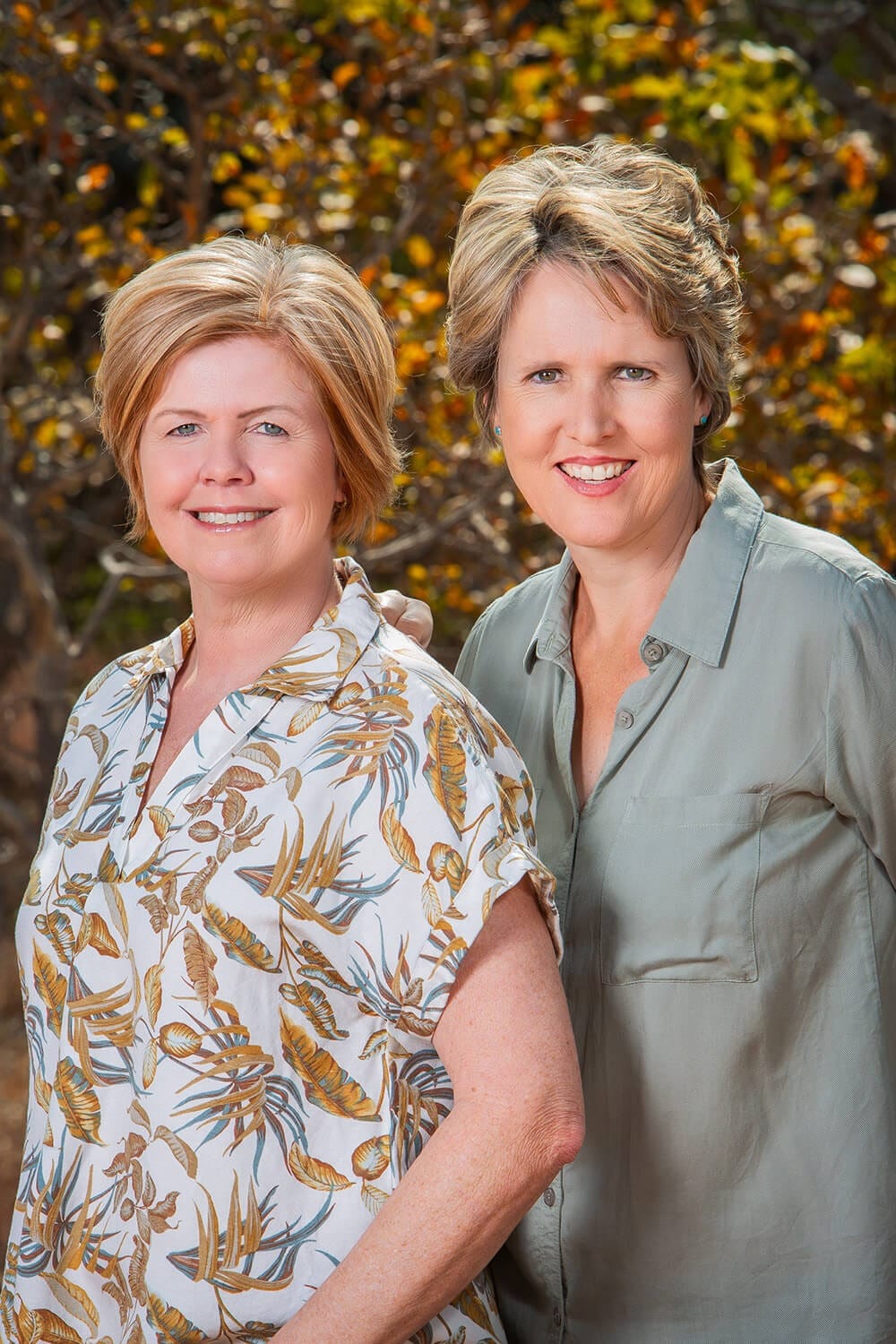
Where should you start?
Whichever door you come in through, whether that is managing a lodge or setting up on your own, walk every touchpoint a guest will meet and ask what could be better. The enquiry email. The airport pickup. The first drink. The moment someone comes back to a room that has been quietly put right while they were out.
Most people starting out assume the answer is a grand gesture. It rarely is. The improvements guests remember are almost never the expensive ones.
What counts as a small detail?
The unglamorous kind. Spelling a guest's name correctly every time it appears in writing. Remembering the drink somebody asked for on the first night. Noticing that one half of a couple is anxious about something before either of them mentions it.
None of that appears on an invoice. All of it appears in how people describe the trip afterwards. The point is not the gesture, it is that the guest can tell somebody was paying attention. Refuse to treat the work as transactional and a good deal of the rest follows on its own.
Which skill is hardest to teach?
Listening. Every guest arrives with a set of expectations and almost nobody states them outright. Someone will say they want somewhere quiet and mean four entirely different things by it. The work is hearing what sits underneath the request, then meeting the need before it has been put into words.
Empathy is the other half of that, and in this industry it is not a soft skill. It is the product. A safari lands emotionally for most people in a way a city break does not. If you cannot read the room, you cannot design for it.
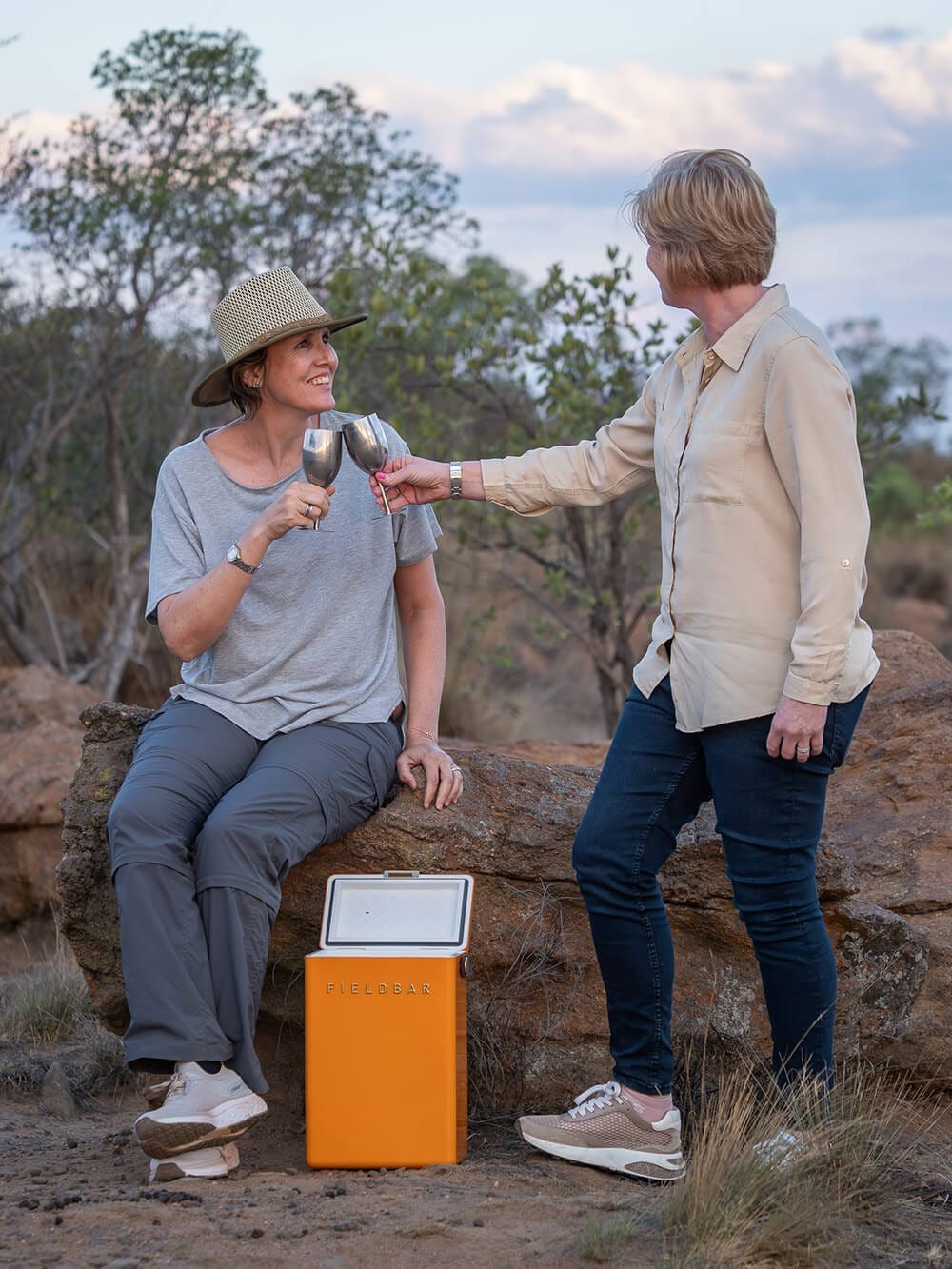
How hard is the work, really?
Hard, and in a shape that does not fit neatly around a diary. You will find yourself working across time zones, because your guests are somewhere else in the world and their day is not your day. Peak season does not care what else you had planned.
A strong work ethic is what carries you through the early years. Going the extra mile for guests and for colleagues is also how respect gets earned inside the industry, which is smaller and far better connected than it looks from the outside.
What if you want to start your own thing?
Then be confident about it. Between us we had one set of industry contacts, no client list of our own, and two corporate salaries to walk away from. What we did have was a long habit of planning other people's trips for the pleasure of it, an appetite for risk, and a question we kept putting to each other: would we still do this if we did not need the salary?
We said yes to everything and figured it out as we went, which is still how we work. The same goes for technology. We use all of it, and we would rather spend a week being bad at a new tool than keep doing something by hand because that feels safer.
This work rewards the people willing to leave a comfortable job and try. Do not wait to feel qualified. Go and stay in the places you intend to sell, learn them well enough to hold an opinion, and be honest when somewhere is wrong for a particular guest. That opinion is what clients are paying for.
What we would leave you with
There is no route map into this. The two of us arrived from a human resources department and a marketing department, which should tell you how many doors there are. The women we watch doing well in luxury safari travel are not the ones with the most industry years behind them. They are the ones who notice things.
If you want the longer version of how we got here, it is in how two women from outside the travel industry built a luxury safari brand, and there is more about the business on our story.
FAQ
Do you need a travel industry background to work in luxury safari travel?
Not necessarily. Both of us are ex-corporate. Vikki's early career was at IBM in HR and brand communications before she helped set up a tailor-made Africa business, so she came in with contacts. Sian was marketing director for MARS Southern Africa and came to safari travel from outside it. What carried over from both careers was an understanding of guests, of brands, of detail, and of how quickly trust is lost.
What skills matter most in luxury safari travel?
Listening, attention to detail, stamina, and a tolerance for other people's time zones. Most of the job is working out what a guest actually wants, which is rarely the same as what they first asked for.
How do you build credibility when you are starting out?
Go and stay in the places you plan to recommend. First-hand knowledge is what separates a specialist from a booking service, and it is the one thing that cannot be faked in a conversation with a well-travelled guest.
Is luxury safari travel a good career for women?
Women work across all of it, in lodge management, in guiding, in conservation, and on the planning side. The qualities the work rewards, noticing and listening and anticipating and remembering, are not gendered, though they are undervalued in plenty of other industries.
Who runs Marula Hill?
Marula Hill is co-founded by Vikki Jackson and Sian Loehrer and is owner-run from Hoedspruit in South Africa. The team is small. Roxanne, our reservations manager in Joburg, works alongside the founders, and your enquiry is answered by one of us rather than by a call centre.
Vikki Jackson and Sian Loehrer are the co-founders of Marula Hill Travel. We plan boutique safaris across South Africa, Botswana, Zambia, Zimbabwe, Kenya, Tanzania, Rwanda, Uganda, Namibia, and Mozambique. We have stayed in most of the lodges we recommend, and we tell you when we have not.
If this resonated
The bush has been expecting you
Start with a conversation. We will ask what makes you want to wake up at four-thirty, and build from there.
Begin a conversation
Planning your first safari? Start with the people who can hear the hyenas
What we would tell you about your first safari if you sat down at our kitchen table. There is usually gin.

Botswana has water again. Here is what that means for your safari.
Botswana is having a stronger water year. Here is what that changes, and why the right lodge and the right week still matter more than a brochure month.

18 On The Hill review: a luxury tented safari in the Greater Kruger
Read our 18 On The Hill review, a luxury tented safari lodge in Greater Kruger, with excellent food, beautiful scenery and memorable wildlife.

Royal Malewane reopens: what we remember, and what the fact sheet confirms
The original Royal Portfolio property is back after months behind scaffolding. We haven't seen it yet. Here is what we know anyway.

We run on solar and we have not printed since 2019
Vikki and Sian on solar power, paper, and what a small safari company can honestly claim.

Sandringham Private Game Reserve: should you go early, or wait?
Greater Kruger's newest reserve opens in August 2026. Our honest take on who should book Sandringham early, and who should give it a few seasons.

The packing guide
What to bring on safari, what to leave at home, and the one thing no lodge can lend you. An honest packing list from the team in Hoedspruit.

How do you want to feel when you get home?
Why we plan safaris around how you want to feel when you get home, not around a pin on the map.

South Africa's online traveller declaration: what it means for your safari (and what it doesn't)
A five-minute customs form now stands between you and the arrivals hall. Here's what it is, who needs it, and what nothing to declare actually means for a normal safari guest.

Safari After Dark
Night drives reveal a different Africa. Quieter, older, more deliberate. Here's what we love about the bush after the sun goes down.

How we tailor every Marula Hill safari
We don't start with destinations. We start with you: your pace, your family, your idea of a good day in the bush.

When space teaches: what Saseka's refresh tells us about gathering in the bush
What a thoughtful safari lodge refresh tells us about gathering in the bush.

Inside FedAir's new Baobab lounge at Hoedspruit
The new Baobab lounge at Hoedspruit airport changes how a safari begins. Vikki Jackson on the room that holds you before the bush does.

How safari pricing actually works
From the people who build the quotes. What you are really paying for, where the money goes, and how to spend it well.

Monwana, and what coming home actually means
By Vikki Jackson and Sian Loehrer. A week at the Thornybush lodge that has built its whole identity around the word home, and what we found when we tested it against the room, the drives, the afternoons and the bill.

The Mozambique dhow: a slow boat at the end of a fast trip
Why we put a dhow afternoon into almost every Mozambique trip. Sail, salt water and the long breath out after safari.

Why we built the Antarctica page
A short note from Sian on why an African safari business added Antarctica to its destination map, and how we handle a trip neither founder has yet made.

Lion Sands Ivory Lodge. What their redesign gets right
I visited Lion Sands Ivory Lodge in the Sabi Sand. The redesigned spaces are quiet, bold, and rare. Here is what they got right.

Where the money actually goes on a luxury safari
A line-by-line look at what you're actually paying for on a luxury African safari — and what a quote that looks light is usually hiding.

Bazaruto vs Quirimbas: which Mozambique archipelago is right for you?
How to choose between Mozambique's two great archipelagos for a bush-and-beach trip. Geography, lodge feel, when to go.

Sabi Sand or Kruger
Two reserves, one fence line, very different mornings

What is the best month to visit Cape Town?
Cape Town rewards you differently in every season, but March to May is the window most of our clients come back to.

What Singita Lebombo's 2026 redesign tells us
Lebombo reopened March 2026 warmer, quieter, more art-led

Gorilla trekking, Uganda or Rwanda
Two countries, the same forest, two very different days

Do you need travel insurance for a safari
What safari travel insurance must cover, and why standard policies fall short