
Kosher safaris in South Africa: how a bush kitchen actually works
The honest guide to keeping kosher on safari in South Africa. Three tiers of catering, real pricing, Shabbat in the bush, and how we put one together.

Yes, you can keep strict kosher on safari in South Africa. A handful of lodges in Sabi Sand, Timbavati, and Kruger's private concessions have built dedicated kosher kitchens, brought in mashgichim, or work with certified outside caterers who travel with the group. Glatt is achievable. Shabbat is observed. The food is good. We have run these trips for years and most of the work happens before you arrive.
The short answer
The question we get asked most often, usually in the first email, is whether kosher safaris in South Africa are real or marketing. They are real. The model has matured. The infrastructure rests on four things working together:
- A small number of lodges with separate kosher kitchens, kosher cookware, and the operational discipline to run them properly.
- South African kosher caterers who are willing to travel into the bush with full kit and a mashgiach.
- A working relationship with the lodge head chef, who treats the visiting team as collaborators rather than competition.
- Cape Town and Johannesburg's mature kosher supply chain, which means ingredients (Glatt meat, dairy, kosher wine) can be flown to camp by light aircraft on the same flight as the guests.
The lodges that do it well do it quietly. They do not advertise it on the website. You ask, they confirm, they put the right team in place.
What "kosher safari" actually means in practice
There is a spectrum. We are honest about this with every client because the cost and the complexity both scale with how observant you are.
Kosher-style. Lodge kitchen, no shellfish, no pork, no meat-and-dairy mixing at the same meal, kosher wine on request. Useful for guests who keep loosely kosher at home and want the principle observed without the certification. The least expensive option. The lodge works around your preferences using their normal kitchen.
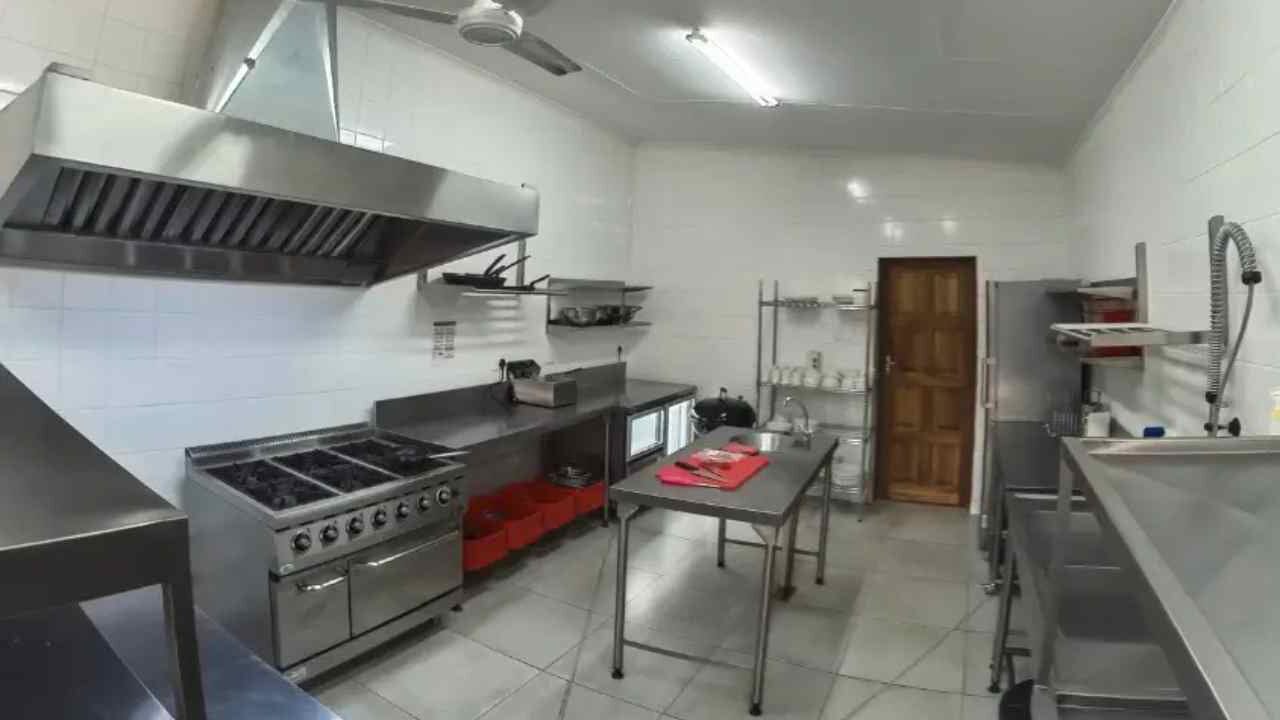
Kosher-supervised, lodge-cooked. A kosher caterer or mashgiach travels with the group. The lodge kitchen is kashered for your stay or a separate kitchen is opened. Cookware and utensils are brought in or supplied separately. Ingredients are sourced kosher. The lodge chef cooks under supervision. This is what most observant clients want.
Glatt, fully outsourced. A dedicated kosher catering team arrives ahead of you, sets up a sealed kosher kitchen on the property, cooks every meal, and leaves when you do. Your lodge handles everything except the food. This is the standard for strictly observant guests, large family groups, and bar mitzvahs in the bush.
We help you decide which tier fits before we book anything. Getting this wrong is expensive and it ruins the trip.
Kosher catering on safari is not a buffet swap. It is an entirely separate kitchen flown in for the week.
Where these safaris actually happen
Sabi Sand, Timbavati, and a handful of private concessions on the western boundary of Kruger are where the kosher safari infrastructure lives. The lodges there are used to high-touch private requests, the airstrips are short enough that catering can fly in, and the chefs are senior enough to coordinate with an outside team.
We do not name lodges in public articles because availability changes and the kitchen arrangement is built per booking. When we put your itinerary together, you see the shortlist with what each lodge includes and what it costs.
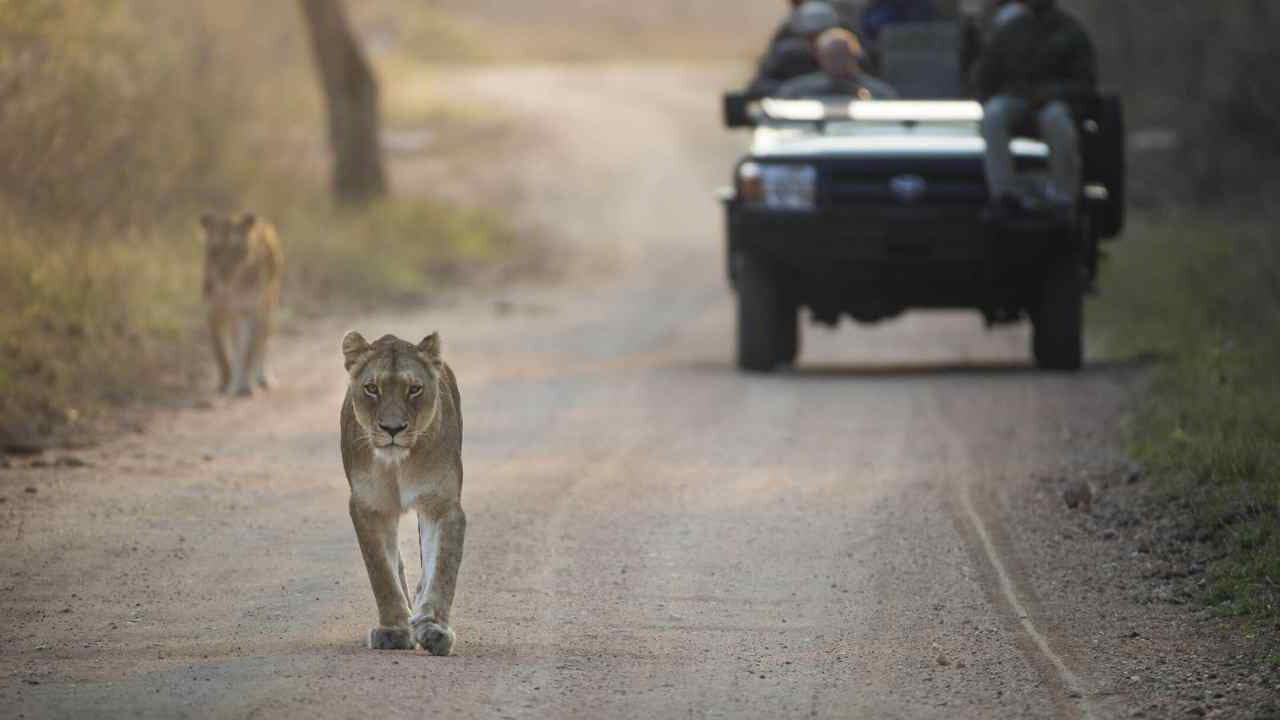
For broader regions, kosher options thin out. Botswana is possible but logistically harder because the lodges are deeper in the wilderness and resupply is by light aircraft only. Kenya and Tanzania can be done but usually require a Nairobi-based kosher caterer to travel with the group, which adds cost and reduces flexibility. Most of our kosher clients stay in South Africa for the safari leg and add Cape Town for the urban side.
What the food is actually like
This is the part the original article skipped over and it is the part that matters. Kosher does not mean compromised. The chefs we work with treat the constraint as a brief.
A typical day on a Glatt-supervised stay:
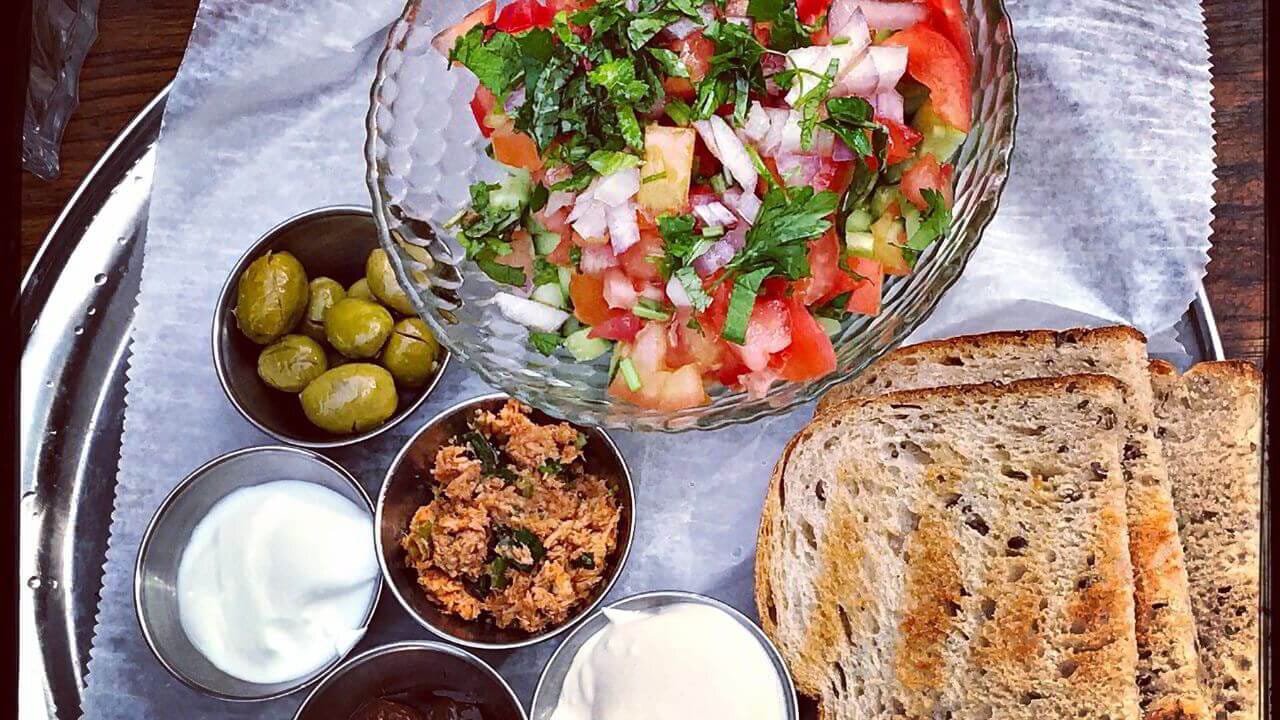
Breakfast is full hot, eggs cooked to order, fresh bread baked at the lodge that morning under supervision, fruit, yoghurt where dairy is permitted that day, coffee. Shakshuka is on rotation. So is challah on Friday morning ahead of Shabbat.
Lunch is lighter, usually after the morning game drive when nobody wants a heavy meal in the heat. Salads, cold meats, soups in winter, fish. Kosher South African wine from the Cape is poured on the deck.
Dinner is where the chefs show off. Slow-cooked brisket. Lamb shank with bobotie spicing adapted to be kosher. Springbok where the supply is reliable and the certification permits. Sometimes a fire-grilled course on a kosher braai set up away from the main lodge kitchen.
The wine list is real. South Africa has a serious kosher wine industry (Backsberg, Zandwijk, Ne'edar) and we work the cellar list ahead of your stay. If you have specific bottles you want, we source them.
Shabbat in the bush
This is the question we get from clients who have not done it before. Shabbat works. The lodges schedule around it.
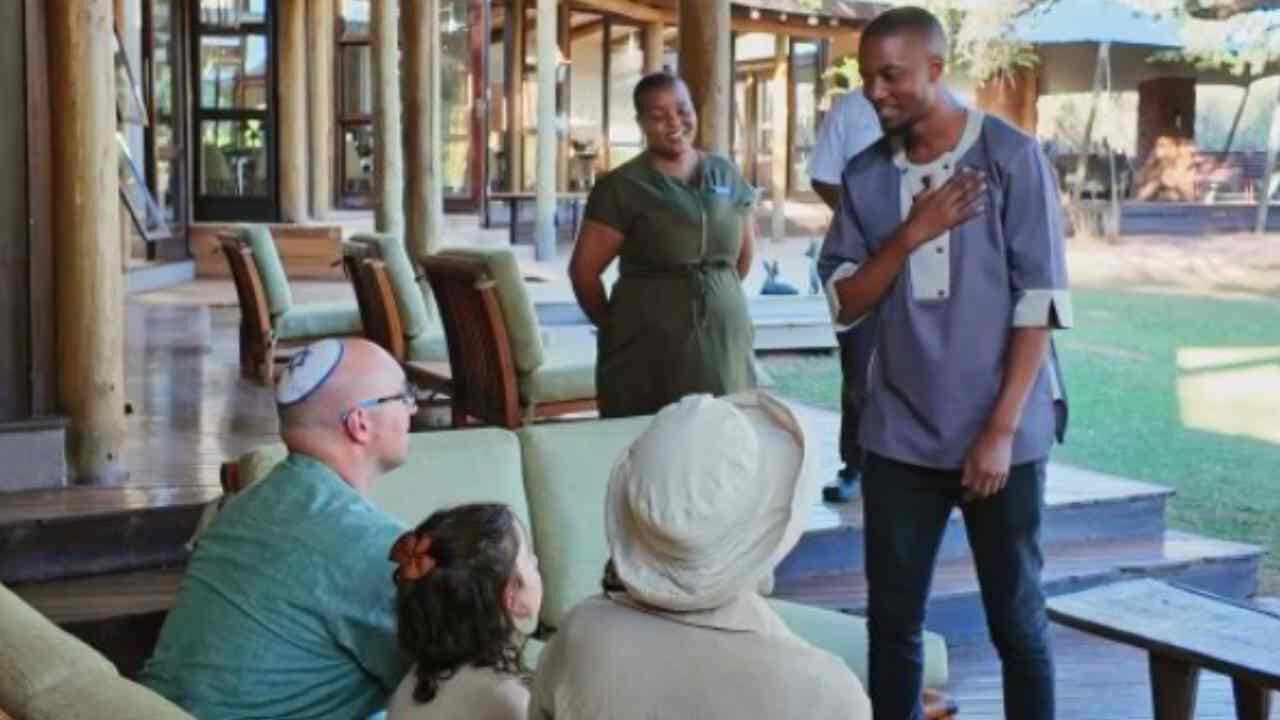
Friday afternoon game drive returns early. Hot water and lights are pre-set. Candles are lit at the right time. The kitchen prepares a full Friday night dinner ahead of sundown, kept warm on a blech. Saturday is camp-based. Siesta, swimming pool, light walks with a guide who has been briefed on what is and is not appropriate. Some guests do an afternoon drive, some do not. Havdalah at the boma after dark, fire already lit.
We have organised minyanim where the group is large enough. For couples and small families, the lodge sets aside a quiet room for prayer and we coordinate quietly so the rest of the camp does not interrupt.
What it costs
Honest pricing, because the original article avoided this and it is the most useful thing we can tell you.
A kosher-style stay (no supervision, no outside catering) adds roughly 5 to 10 percent to a comparable luxury safari. Mostly that is the cost of premium ingredients and kosher wine.
A kosher-supervised stay (mashgiach, lodge kitchen kashered) adds 20 to 35 percent. The mashgiach's day rate, the kashering process, and the freight on supplies are the bulk of it.
A Glatt fully-catered stay (dedicated kitchen team, all food brought in) adds 50 to 80 percent above the base lodge rate. This is real money and it is why most groups who go this route are larger family parties splitting the cost.
All of the above is on top of the lodge's nightly rate. The pricing is per person per night sharing. We give you a real number before you commit, with the catering cost broken out separately so you can see it.
How we put one together
The first conversation tells us most of what we need to know: the level of observance, how many people, the dates, whether Shabbat falls inside the trip, whether you want to combine with Cape Town or Victoria Falls. From there we have a shortlist of three or four lodge options inside two working days.
We confirm the kitchen arrangement directly with the lodge before we put a price together. We do not assume, we do not quote optimistically. If a lodge cannot deliver what you need this season (a head chef may have changed, a regular caterer may be unavailable on your dates) we tell you and we move to the next option.
When you arrive, it works. That is the whole brief.
Shabbat in the bush is the moment most guests remember. Two candles, the sun setting over the Sabi, a glass of wine.
Frequently asked questions
Is South Africa actually a serious kosher destination? Yes. Cape Town has one of the largest active Jewish communities in Africa and the kosher supply chain is well-developed. The bush lodges within reach of Johannesburg can be supplied by truck or light aircraft within a day.
What about Pesach? Pesach safaris are some of our most popular bookings. Several lodges run a full Pesach programme with chametz-free kitchens, separate Pesach cookware, and group seders on the first two nights. We book these months ahead because availability is tight.
Can children join a kosher safari? Yes. Minimum age on game drives varies between lodges, usually six, eight, or twelve. For families with younger children we arrange private vehicles and lodge-based activities so the age rules do not apply. The catering is no different.
Do you cater for vegetarian or vegan kosher? Yes. We have done plant-based kosher trips for guests who keep strict pareve. The chefs handle it well.
How far in advance should we book? Six to nine months for high-season dates (June to October). Pesach and the Yom Tov period needs longer. We recommend twelve months. Shorter notice is sometimes possible, but the kosher catering teams book up faster than the lodges do.
Start with a conversation
Tell us when you want to travel, who is travelling, and how observant the group is. We come back inside a working day with three options and real numbers. From there we build the rest.
If this resonated
The bush has been expecting you
Start with a conversation. We will ask what makes you want to wake up at four-thirty, and build from there.
Begin a conversation
Royal Malewane reopens: what we remember, and what the fact sheet confirms
The original Royal Portfolio property is back after months behind scaffolding. We haven't seen it yet. Here is what we know anyway.

We run on solar and we have not printed since 2019
Vikki and Sian on solar power, paper, and what a small safari company can honestly claim.

Sandringham Private Game Reserve: should you go early, or wait?
Greater Kruger's newest reserve opens in August 2026. Our honest take on who should book Sandringham early, and who should give it a few seasons.

The packing guide
What to bring on safari, what to leave at home, and the one thing no lodge can lend you. An honest packing list from the team in Hoedspruit.

How do you want to feel when you get home?
Why we plan safaris around how you want to feel when you get home, not around a pin on the map.

South Africa's online traveller declaration: what it means for your safari (and what it doesn't)
A five-minute customs form now stands between you and the arrivals hall. Here's what it is, who needs it, and what nothing to declare actually means for a normal safari guest.

Safari After Dark
Night drives reveal a different Africa. Quieter, older, more deliberate. Here's what we love about the bush after the sun goes down.

How we tailor every Marula Hill safari
We don't start with destinations. We start with you: your pace, your family, your idea of a good day in the bush.

When space teaches: what Saseka's refresh tells us about gathering in the bush
What a thoughtful safari lodge refresh tells us about gathering in the bush.

Inside FedAir's new Baobab lounge at Hoedspruit
The new Baobab lounge at Hoedspruit airport changes how a safari begins. Vikki Jackson on the room that holds you before the bush does.

How safari pricing actually works
From the people who build the quotes. What you are really paying for, where the money goes, and how to spend it well.

Monwana, and what coming home actually means
By Vikki Jackson and Sian Loehrer. A week at the Thornybush lodge that has built its whole identity around the word home, and what we found when we tested it against the room, the drives, the afternoons and the bill.

The Mozambique dhow: a slow boat at the end of a fast trip
Why we put a dhow afternoon into almost every Mozambique trip. Sail, salt water and the long breath out after safari.

Why we built the Antarctica page
A short note from Sian on why an African safari business added Antarctica to its destination map, and how we handle a trip neither founder has yet made.

Lion Sands Ivory Lodge. What their redesign gets right
I visited Lion Sands Ivory Lodge in the Sabi Sand. The redesigned spaces are quiet, bold, and rare. Here is what they got right.

Where the money actually goes on a luxury safari
A line-by-line look at what you're actually paying for on a luxury African safari — and what a quote that looks light is usually hiding.

Bazaruto vs Quirimbas: which Mozambique archipelago is right for you?
How to choose between Mozambique's two great archipelagos for a bush-and-beach trip. Geography, lodge feel, when to go.

Sabi Sand or Kruger
Two reserves, one fence line, very different mornings

What is the best month to visit Cape Town?
Cape Town rewards you differently in every season, but March to May is the window most of our clients come back to.

What Singita Lebombo's 2026 redesign tells us
Lebombo reopened March 2026 warmer, quieter, more art-led

Gorilla trekking, Uganda or Rwanda
Two countries, the same forest, two very different days

Do you need travel insurance for a safari
What safari travel insurance must cover, and why standard policies fall short

How two women from outside the travel industry built a luxury safari brand from Africa
We are the two women behind Marula Hill. One of us came from IBM, the other from MARS Southern Africa. Here is the long version of how a private safari business gets built from outside the travel industry.

Sole-use villa safaris in Africa
What sole-use villa safaris mean in practice, who they suit, and what to ask

Why Rwanda is the cleanest country in Africa
A plastic-bag ban from 2008. A mandatory community work morning on the last Saturday of every month. The system behind Rwanda's cleanliness, explained.