
Safaris designed around the people travelling
Safaris built around the people travelling, not the brochure. How we plan for LGBTQ+ guests, dietary needs, family configurations and accessibility in South Africa.

The sun is already up by the time the Land Cruiser leaves camp, orange light cutting low across the Sabi Sand. You've got rooibos in a tin cup, a blanket over your lap, and the people you love beside you. The tracker spots fresh leopard prints in the sand road. Nobody is thinking about anything except those prints.
That's the safari we want you to have. Not a generic version of one.
Most of what we do at Marula Hill is design safaris around how people actually travel. Sometimes that means a same-sex couple wanting one of the world's great wildlife experiences without legal anxiety. Sometimes it's a family with a kosher household, a vegan teenager, or a parent in a wheelchair. Sometimes it's a multi-generational group where the grandmother turns 80 the day you reach Cape Town. Every one of those trips needs a different plan. None of them should feel like a workaround.
This piece is about how we approach that planning, with South Africa as the example because it's where we work most.
South Africa is one of the easiest countries on the continent for travellers with specific needs
A few practical reasons why.
The constitution explicitly protects against discrimination based on sexual orientation, race, religion, and disability. That's not a marketing line, it's the law. The infrastructure is excellent, with international-standard lodges, a deep network of private reserves, and direct flights from London, the US, and the Middle East. The hospitality culture in the private reserves is built around personalisation, so accommodating dietary, mobility, faith, or relationship-based requests is the default rather than the exception.
That combination is unusual on the continent. It's why so many of the trips that need careful planning end up here.
The safari bubble works in your favour
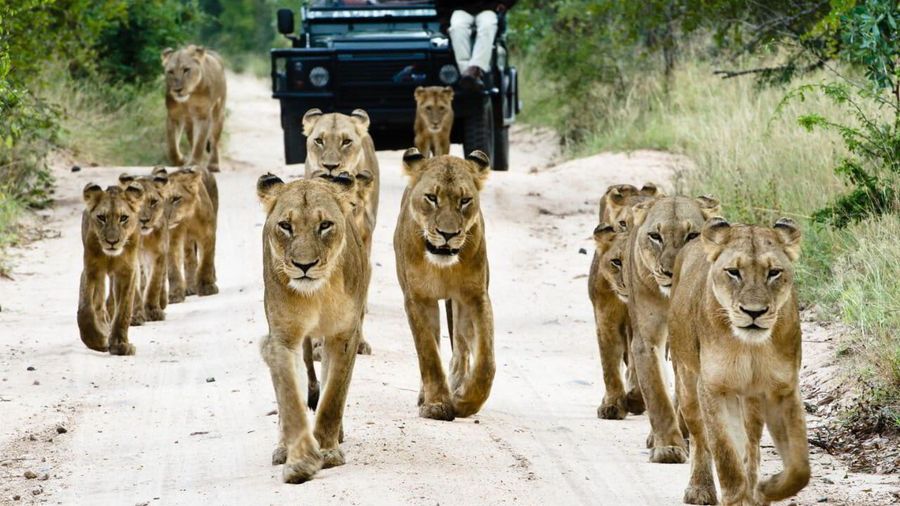
The private reserves (Sabi Sand, Phinda, Madikwe, Tswalu) operate in what we call the safari bubble. These properties serve an international clientele. The staff are trained, the ethos is inclusive, and the service is built around discretion and personalisation for every guest.
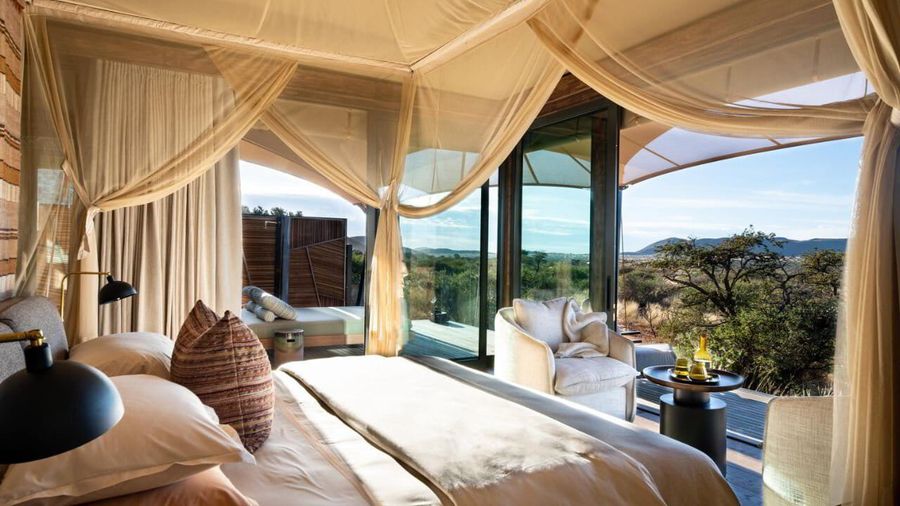
In practical terms: same-sex couples are treated exactly as any other couple. Kosher and halal kitchens can be arranged at most of the larger lodges with notice. Vegan, gluten-free, allergy-aware menus are standard at the level of property we work with. Wheelchair-accessible vehicles, ramped suites, and roll-in showers exist at a meaningful number of camps, though they need to be matched to the right destination. Honeymoon touches like champagne on arrival or an outdoor bath filled at sunset are arranged on request, regardless of who you're travelling with.
The lodge staff in these reserves have seen everything. What you will not encounter is judgement.
Cape Town and the Winelands
Cape Town has one of the most established LGBTQ+ scenes on the continent and a long history of welcoming international travellers of every background. De Waterkant is the historic hub: bars, clubs, and a Pride calendar that fills the city every February. It's also one of the easier cities in Africa for travellers keeping kosher or halal, with established communities and properly certified restaurants.
The Winelands sit about 45 minutes east of the city. Franschhoek and Stellenbosch are quieter, more refined, and the hospitality there is equally relaxed. Many of the estates have full kosher and vegan tasting menus on request, and the smaller boutique hotels are often more accessible than the larger ones because they've been recently built or renovated.
We pair Cape Town and the Winelands with a private reserve safari regularly, and the combination works well. A few days in the bush, then the city, then long lunches in Franschhoek before the flight home.
Outside the bubble: rural and village settings
South Africa's urban and safari environments are not representative of the whole country. Rural communities, particularly in more traditional areas, hold more conservative social values. Same-sex couples and visibly different families travelling through these areas should apply the same common sense you would in any socially conservative part of the world. Out of cultural respect, not because the law is against you.
When we build itineraries that include cultural village visits, we brief clients in advance on what to expect. Our guides know the context and will support you through it.
What we look for when we vet a lodge
Not every property with "inclusive" on its website has actually thought it through. Over the years we've built a shortlist of lodges we know from personal experience, not press trips.
When we're evaluating a property for clients with specific needs, we're looking at a few things. How does the staff actually speak about same-sex guests, multi-faith families, or guests with disabilities? Are couple-specific or family-specific experiences available without awkward workarounds? Can the kitchen genuinely deliver kosher, halal, or strict vegan, or will they reach for a chicken breast and pretend? Is the suite layout actually navigable in a wheelchair, or does the photographer just choose flattering angles? Does discretion live in the service style, or does it require a special request every time?
The properties we work with have passed those tests. We don't send clients somewhere we wouldn't go ourselves.
Planning your trip
For same-sex parents travelling with children, the main friction point is typically at immigration and border crossings, not inside the safari reserve. South Africa can ask for documentation proving the legal relationship between adult and child, especially where names differ or where only one parent is travelling. Before the trip, make sure you have certified copies of adoption or custody orders, birth certificates if relevant, and a notarised letter from the absent parent if only one adult is travelling.
The same kind of advance planning applies to most specific requirements. Kosher food at a remote camp? We need notice. A wheelchair-accessible vehicle in the Sabi Sand? We need to choose the right reserve and lodge combination. A pescatarian who hates mushrooms travelling with a coeliac partner? Easier than people expect, but only if the lodge knows before you arrive.
A small amount of paperwork and forward planning prevents a stressful conversation later.
How we work
Every itinerary we build starts with a conversation about who's travelling and what matters to them. That can mean accessibility, faith, food, family configuration, anniversaries we should know about, fears we should plan around. We then match you to lodges and routes that genuinely fit, not the same five properties everyone else suggests.
South Africa is one of the world's great safari destinations. For travellers who need the planning to actually meet them where they are, it's also the most straightforward choice on the continent. You get the wildlife, the terrain, and the welcome that lets you be present for it.
If you'd like to talk through what a trip might look like, get in touch. We're happy to start with a conversation.
If this resonated
The bush has been expecting you
Start with a conversation. We will ask what makes you want to wake up at four-thirty, and build from there.
Begin a conversation
Royal Malewane reopens: what we remember, and what the fact sheet confirms
The original Royal Portfolio property is back after months behind scaffolding. We haven't seen it yet. Here is what we know anyway.

We run on solar and we have not printed since 2019
Vikki and Sian on solar power, paper, and what a small safari company can honestly claim.

Sandringham Private Game Reserve: should you go early, or wait?
Greater Kruger's newest reserve opens in August 2026. Our honest take on who should book Sandringham early, and who should give it a few seasons.

The packing guide
What to bring on safari, what to leave at home, and the one thing no lodge can lend you. An honest packing list from the team in Hoedspruit.

How do you want to feel when you get home?
Why we plan safaris around how you want to feel when you get home, not around a pin on the map.

South Africa's online traveller declaration: what it means for your safari (and what it doesn't)
A five-minute customs form now stands between you and the arrivals hall. Here's what it is, who needs it, and what nothing to declare actually means for a normal safari guest.

Safari After Dark
Night drives reveal a different Africa. Quieter, older, more deliberate. Here's what we love about the bush after the sun goes down.

How we tailor every Marula Hill safari
We don't start with destinations. We start with you: your pace, your family, your idea of a good day in the bush.

When space teaches: what Saseka's refresh tells us about gathering in the bush
What a thoughtful safari lodge refresh tells us about gathering in the bush.

Inside FedAir's new Baobab lounge at Hoedspruit
The new Baobab lounge at Hoedspruit airport changes how a safari begins. Vikki Jackson on the room that holds you before the bush does.

How safari pricing actually works
From the people who build the quotes. What you are really paying for, where the money goes, and how to spend it well.

Monwana, and what coming home actually means
By Vikki Jackson and Sian Loehrer. A week at the Thornybush lodge that has built its whole identity around the word home, and what we found when we tested it against the room, the drives, the afternoons and the bill.

The Mozambique dhow: a slow boat at the end of a fast trip
Why we put a dhow afternoon into almost every Mozambique trip. Sail, salt water and the long breath out after safari.

Why we built the Antarctica page
A short note from Sian on why an African safari business added Antarctica to its destination map, and how we handle a trip neither founder has yet made.

Lion Sands Ivory Lodge. What their redesign gets right
I visited Lion Sands Ivory Lodge in the Sabi Sand. The redesigned spaces are quiet, bold, and rare. Here is what they got right.

Where the money actually goes on a luxury safari
A line-by-line look at what you're actually paying for on a luxury African safari — and what a quote that looks light is usually hiding.

Bazaruto vs Quirimbas: which Mozambique archipelago is right for you?
How to choose between Mozambique's two great archipelagos for a bush-and-beach trip. Geography, lodge feel, when to go.

Sabi Sand or Kruger
Two reserves, one fence line, very different mornings

What is the best month to visit Cape Town?
Cape Town rewards you differently in every season, but March to May is the window most of our clients come back to.

What Singita Lebombo's 2026 redesign tells us
Lebombo reopened March 2026 warmer, quieter, more art-led

Gorilla trekking, Uganda or Rwanda
Two countries, the same forest, two very different days

Do you need travel insurance for a safari
What safari travel insurance must cover, and why standard policies fall short

How two women from outside the travel industry built a luxury safari brand from Africa
We are the two women behind Marula Hill. One of us came from IBM, the other from MARS Southern Africa. Here is the long version of how a private safari business gets built from outside the travel industry.

Sole-use villa safaris in Africa
What sole-use villa safaris mean in practice, who they suit, and what to ask

Why Rwanda is the cleanest country in Africa
A plastic-bag ban from 2008. A mandatory community work morning on the last Saturday of every month. The system behind Rwanda's cleanliness, explained.