
Family-friendly safari activities in South Africa
What a family safari in South Africa actually looks like, and the activities that bring every generation together.

The tracker stops walking. He crouches low, presses two fingers into the red earth, and holds them there. Your daughter crouches beside him, mirroring the gesture, her eyes wide. The imprint is fresh. The elephant that made it is somewhere in the fever trees ahead, close enough that you can smell it. Nobody speaks. Even the grandparents are still.
That moment costs nothing to plan and stays with people for years.
A family safari in South Africa is not about managing kids through an adult experience. When it works, it works for everyone at once. Below are the activities that make that happen.
Morning Game Drives
The 5am alarm feels unreasonable until you're actually out there. The Lowveld at dawn has a particular quality of light, gold and low, and the air still holds the cool from the night. Animals are moving. The sightings are better. Coffee comes in a flask.
Good family guiding is different from standard guiding. The rangers and trackers we work with know how to read a vehicle. When the children start to flag, the drive shifts register. The guide might pull up beside a termite mound and explain the whole construction. Or stop at a waterhole and simply wait, letting the kids count the species coming in to drink.
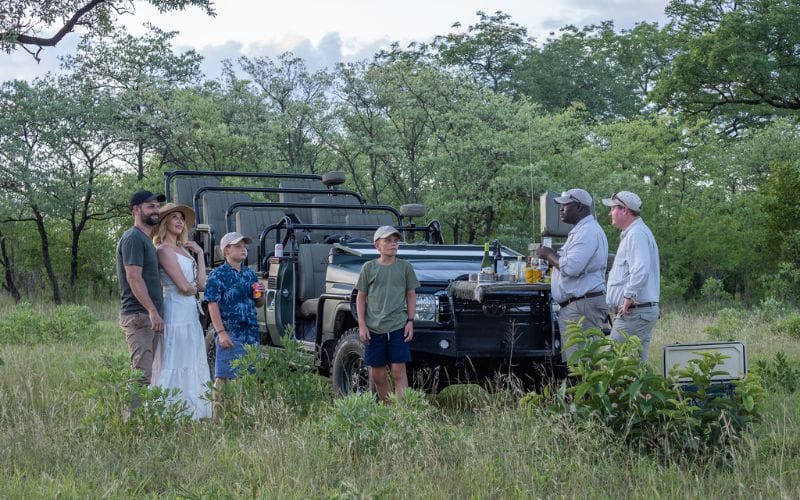
For grandparents who find the early start hard, afternoon drives are just as rewarding. The light turns amber around 4pm, leopards come out, and the pace is slower. We often recommend splitting the group for morning drives and reuniting for evenings, depending on the lodge and the ages involved.
Walking the Bush Together
A bush walk changes how you see everything. On a game drive you look outward, scanning big distances for big animals. On foot, you look down. You find a dung beetle working with total purpose. You see that the bark of a marula tree is a whole ecosystem. Your guide reads the ground like a page.
Most private reserves in South Africa set a minimum age of 16 for walking safaris, which is a real constraint for families with young children. Some lodges make exceptions for 12-and-up with parental consent. When we're planning a family trip that includes walking, we choose the reserve and the lodge specifically with this in mind. Some properties have dedicated junior ranger programmes that cover the same ground at a pace suited to younger legs.
What the walk teaches, no drive can. Tracking skills, plant identification, why you stay downwind of a buffalo. These are things that stick.
Stargazing After Dark
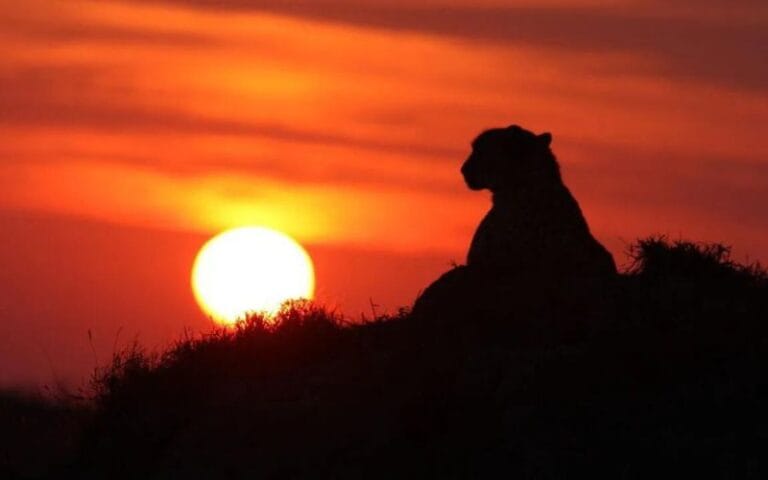
There is no sky like a Lowveld sky. Far from city lights, on a clear night, the Milky Way sits overhead as a solid band of white. Scorpius is unmistakable. The Southern Cross sits low. Kids who haven't spent a night away from screens often go quiet in a way that surprises their parents. Some lodges bring in astronomers or run dedicated stargazing sessions where guests lie back on viewing decks while laser pointers trace the constellations. Others keep it informal, with the ranger pointing out shapes as the fire burns down. Both approaches work. The setting does most of the work. Multi-generational groups often find stargazing to be the great equaliser. A five-year-old and a seventy-year-old are equally delighted by Saturn's rings through a telescope.
Cultural Time
South Africa's wildlife is part of a human story worth making time for. Many reserves are adjacent to communities with long connections to the land, and some of the best lodges include visits to local schools, community gardens, or cultural centres as part of their programme. These aren't tourist displays. They're real.
Children respond to this differently from adults. They ask direct questions and get direct answers. A conversation with an elder about which trees were used for which purposes, or how to read the direction of wind from plant growth, carries a different weight than the same information in a guidebook.
We include cultural visits when the family wants them, and we're selective about which ones we recommend. The quality varies significantly across reserves, so local knowledge matters here.
Around the Fire at Night
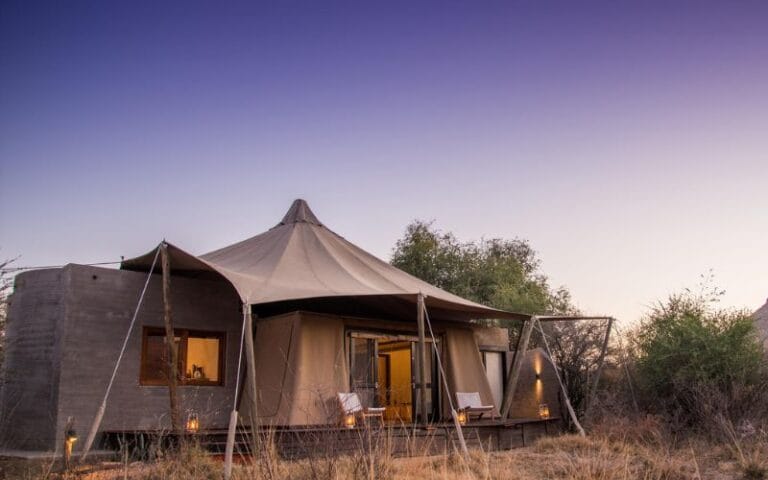
After dinner in a boma, when the fire is low, and the hyenas are calling in the dark, the conversation tends to go somewhere real. The phones are put away. The children are tired but not ready to sleep. Someone asks what the tracker was doing this morning, and the guide explains the whole thing again, slowly this time, with a stick drawing in the dust.
This is what people remember. Not the list of species ticked off. The fire, the voices, the feeling of being far from ordinary life.
If you're planning a family safari in South Africa and want to make sure the programme actually works for every age in your group, that's a conversation we'd enjoy. We put together trips for grandparents and grandchildren, teenagers with short attention spans, and everyone in between. Have a look at how we approach family safaris or get in touch and we'll start from the beginning.
If this resonated
The bush has been expecting you
Start with a conversation. We will ask what makes you want to wake up at four-thirty, and build from there.
Begin a conversation
Royal Malewane reopens: what we remember, and what the fact sheet confirms
The original Royal Portfolio property is back after months behind scaffolding. We haven't seen it yet. Here is what we know anyway.

We run on solar and we have not printed since 2019
Vikki and Sian on solar power, paper, and what a small safari company can honestly claim.

Sandringham Private Game Reserve: should you go early, or wait?
Greater Kruger's newest reserve opens in August 2026. Our honest take on who should book Sandringham early, and who should give it a few seasons.

The packing guide
What to bring on safari, what to leave at home, and the one thing no lodge can lend you. An honest packing list from the team in Hoedspruit.

How do you want to feel when you get home?
Why we plan safaris around how you want to feel when you get home, not around a pin on the map.

South Africa's online traveller declaration: what it means for your safari (and what it doesn't)
A five-minute customs form now stands between you and the arrivals hall. Here's what it is, who needs it, and what nothing to declare actually means for a normal safari guest.

Safari After Dark
Night drives reveal a different Africa. Quieter, older, more deliberate. Here's what we love about the bush after the sun goes down.

How we tailor every Marula Hill safari
We don't start with destinations. We start with you: your pace, your family, your idea of a good day in the bush.

When space teaches: what Saseka's refresh tells us about gathering in the bush
What a thoughtful safari lodge refresh tells us about gathering in the bush.

Inside FedAir's new Baobab lounge at Hoedspruit
The new Baobab lounge at Hoedspruit airport changes how a safari begins. Vikki Jackson on the room that holds you before the bush does.

How safari pricing actually works
From the people who build the quotes. What you are really paying for, where the money goes, and how to spend it well.

Monwana, and what coming home actually means
By Vikki Jackson and Sian Loehrer. A week at the Thornybush lodge that has built its whole identity around the word home, and what we found when we tested it against the room, the drives, the afternoons and the bill.

The Mozambique dhow: a slow boat at the end of a fast trip
Why we put a dhow afternoon into almost every Mozambique trip. Sail, salt water and the long breath out after safari.

Why we built the Antarctica page
A short note from Sian on why an African safari business added Antarctica to its destination map, and how we handle a trip neither founder has yet made.

Lion Sands Ivory Lodge. What their redesign gets right
I visited Lion Sands Ivory Lodge in the Sabi Sand. The redesigned spaces are quiet, bold, and rare. Here is what they got right.

Where the money actually goes on a luxury safari
A line-by-line look at what you're actually paying for on a luxury African safari — and what a quote that looks light is usually hiding.

Bazaruto vs Quirimbas: which Mozambique archipelago is right for you?
How to choose between Mozambique's two great archipelagos for a bush-and-beach trip. Geography, lodge feel, when to go.

Sabi Sand or Kruger
Two reserves, one fence line, very different mornings

What is the best month to visit Cape Town?
Cape Town rewards you differently in every season, but March to May is the window most of our clients come back to.

What Singita Lebombo's 2026 redesign tells us
Lebombo reopened March 2026 warmer, quieter, more art-led

Gorilla trekking, Uganda or Rwanda
Two countries, the same forest, two very different days

Do you need travel insurance for a safari
What safari travel insurance must cover, and why standard policies fall short

How two women from outside the travel industry built a luxury safari brand from Africa
We are the two women behind Marula Hill. One of us came from IBM, the other from MARS Southern Africa. Here is the long version of how a private safari business gets built from outside the travel industry.

Sole-use villa safaris in Africa
What sole-use villa safaris mean in practice, who they suit, and what to ask

Why Rwanda is the cleanest country in Africa
A plastic-bag ban from 2008. A mandatory community work morning on the last Saturday of every month. The system behind Rwanda's cleanliness, explained.