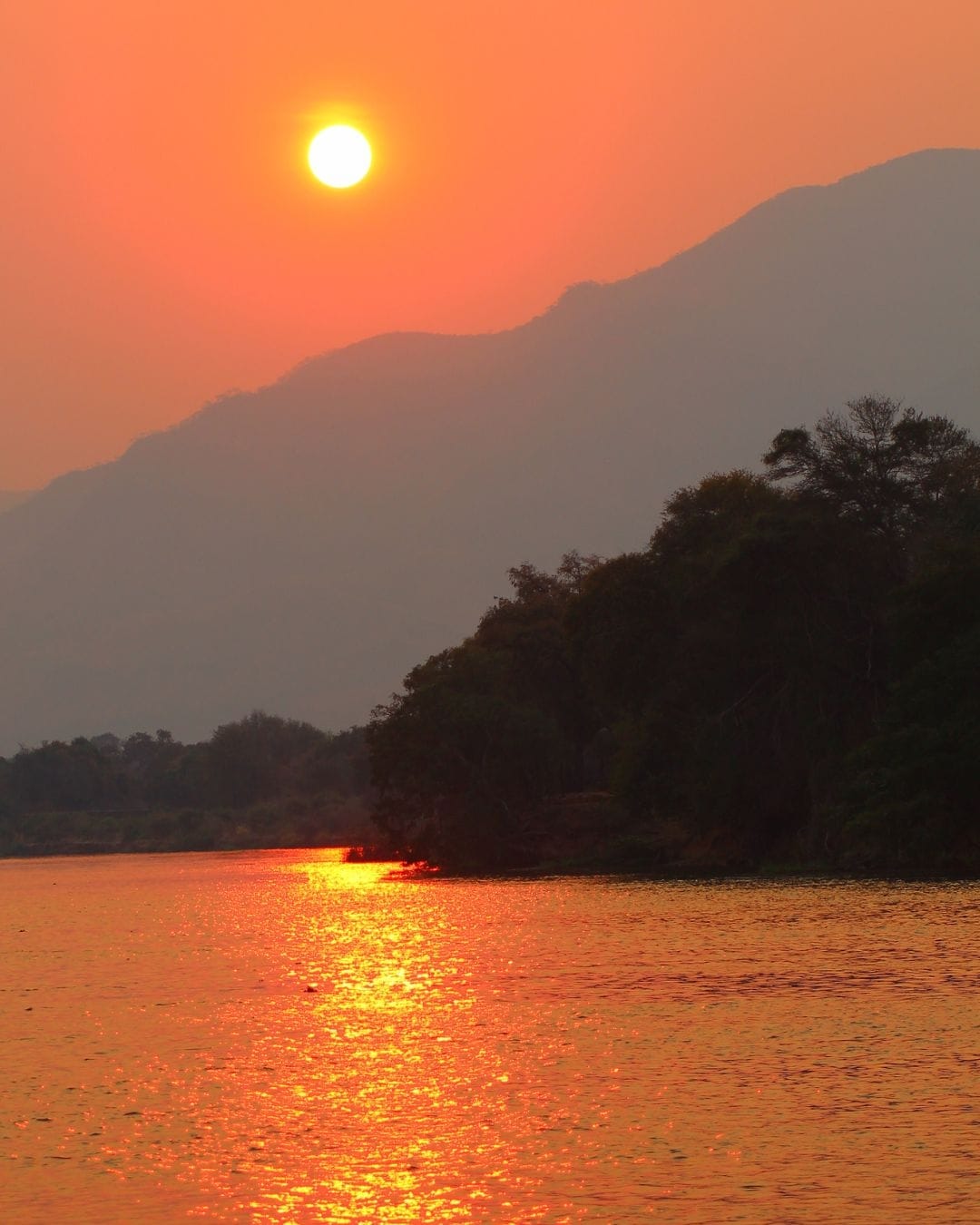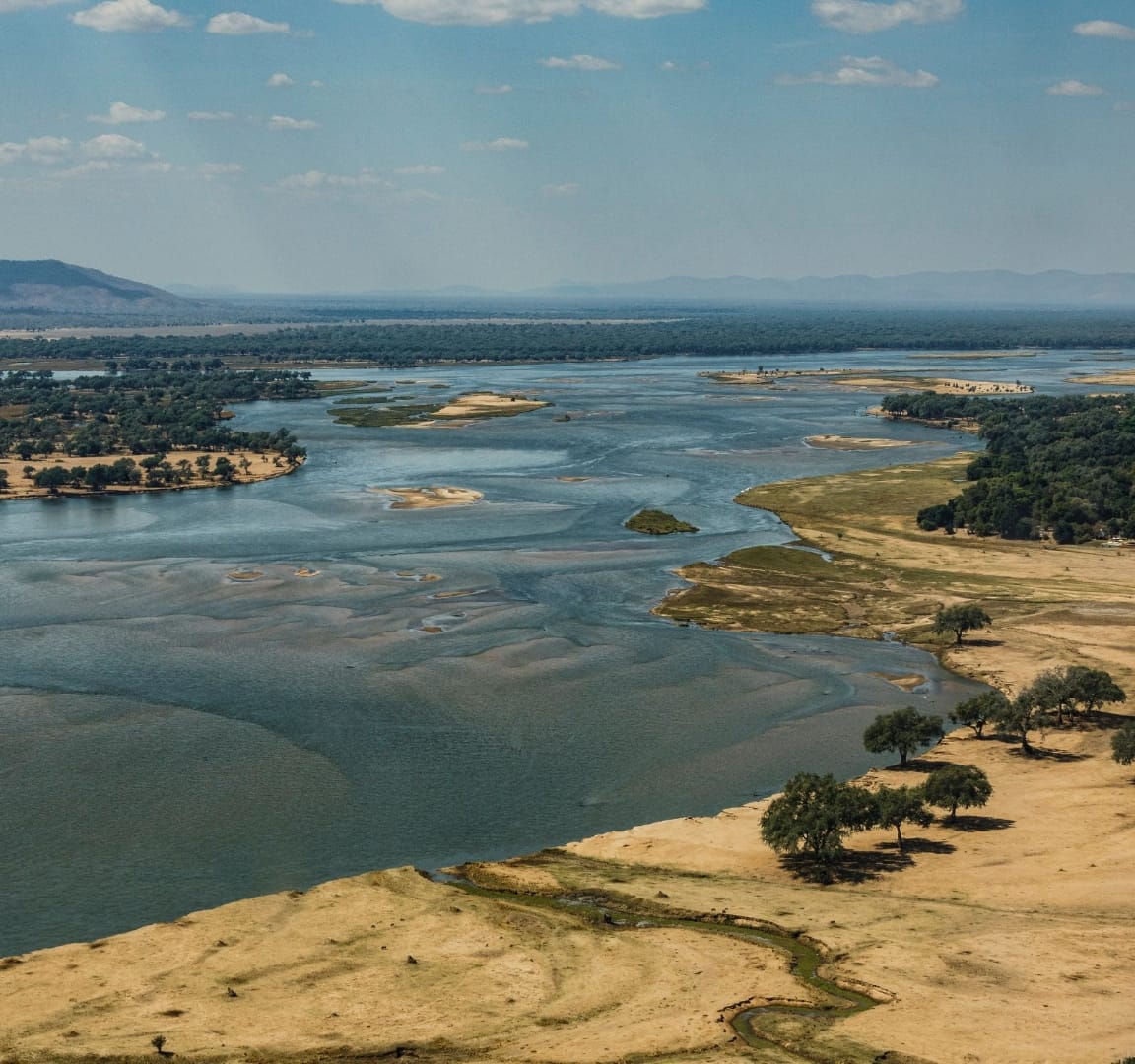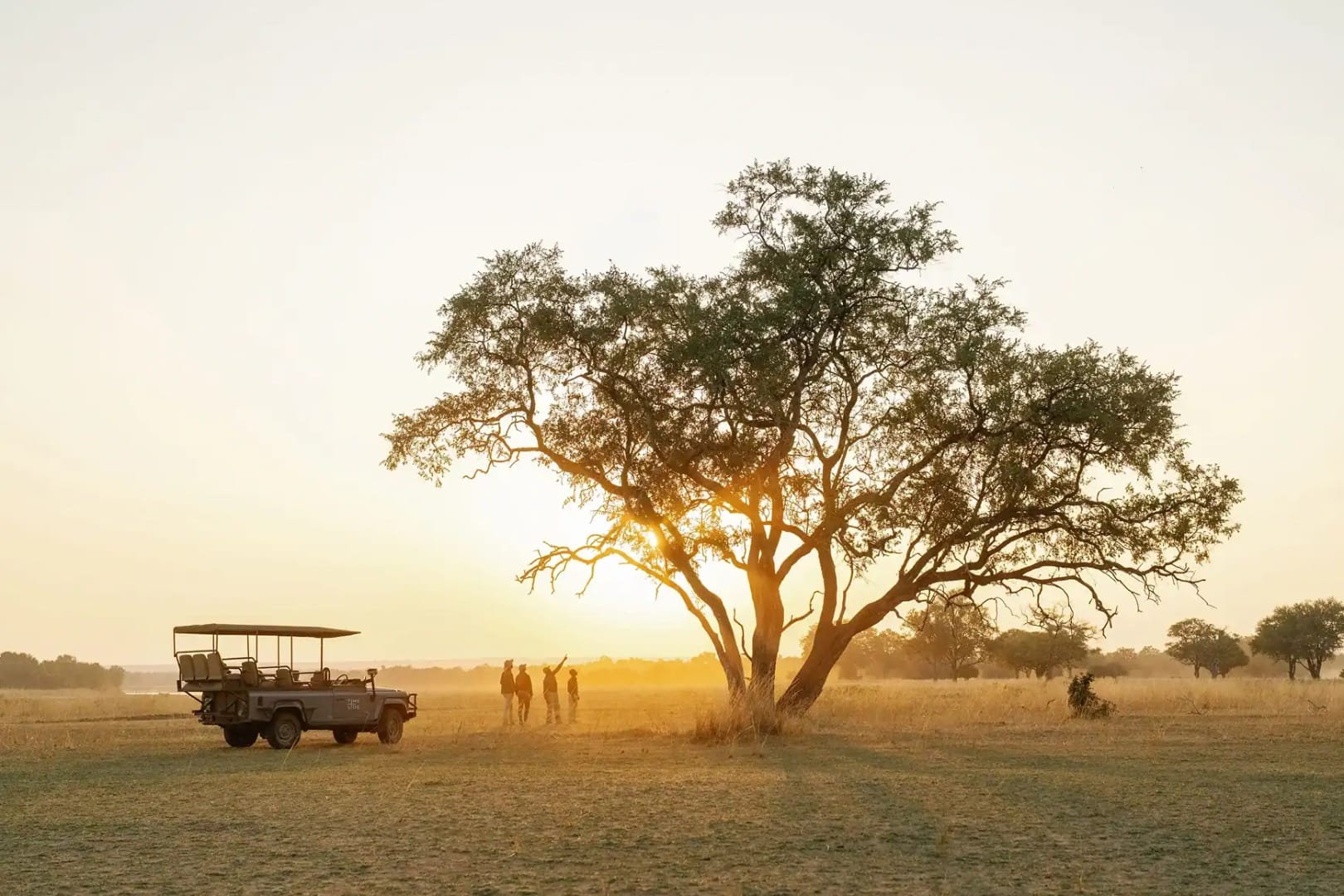
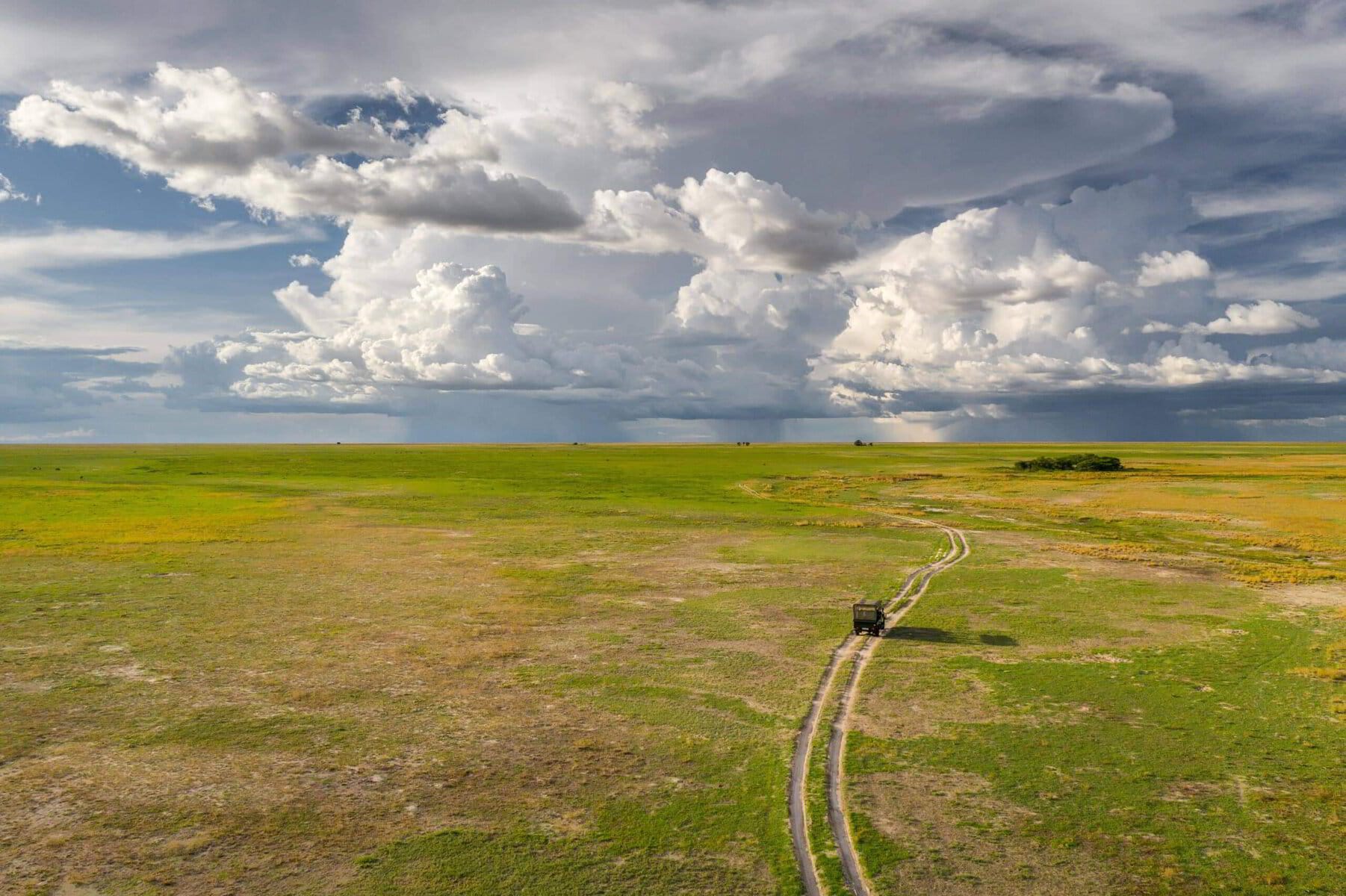
Wide Zambian safari landscape on the Luangwa River at golden hour

Zambia Safari Guide

Zambia, the home of the walking safari

If the Mara is opera, Zambia is chamber music. Smaller, slower, and exactly as good if you sit still long enough.

Why Zambia

A country built around three rivers and a waterfall

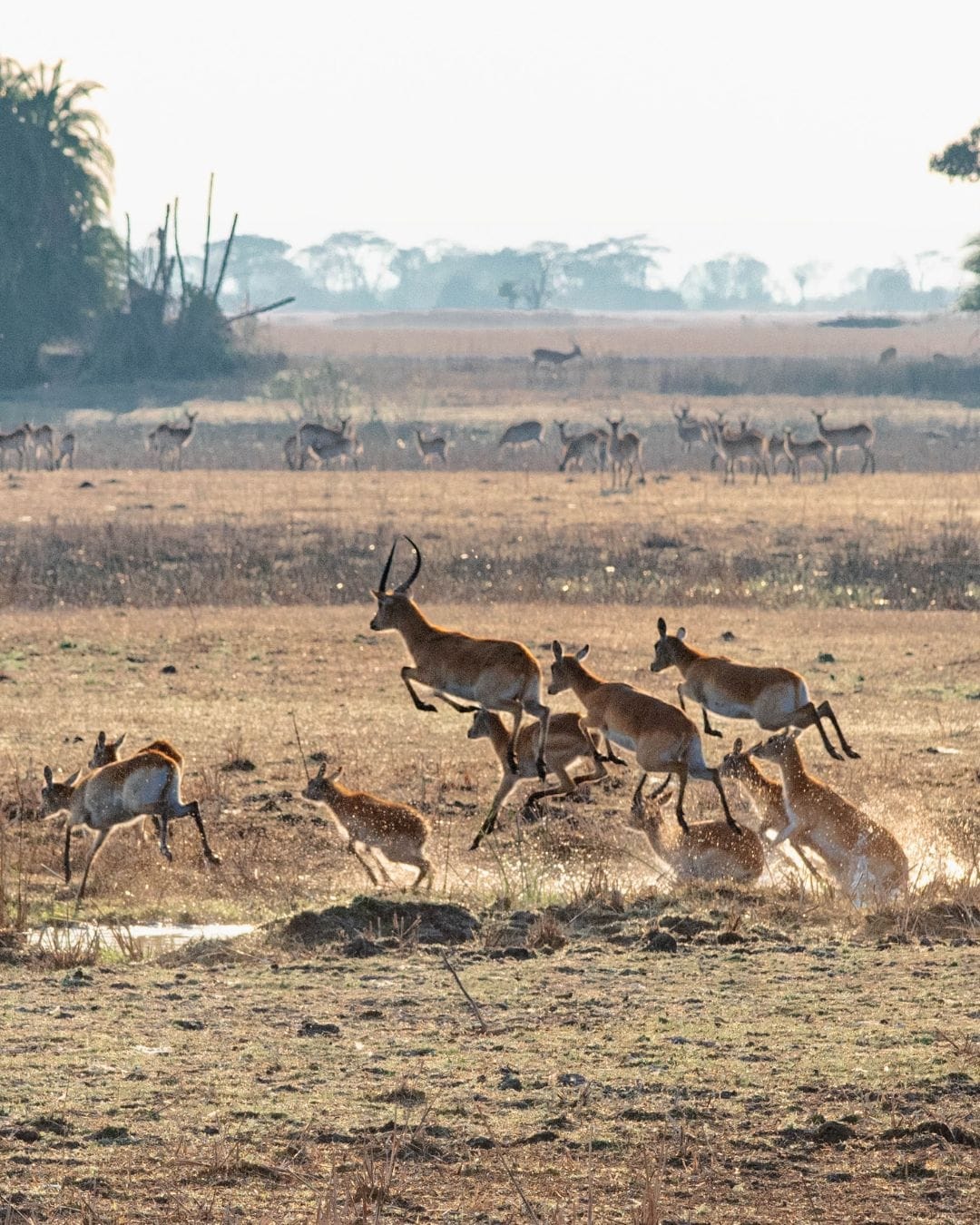
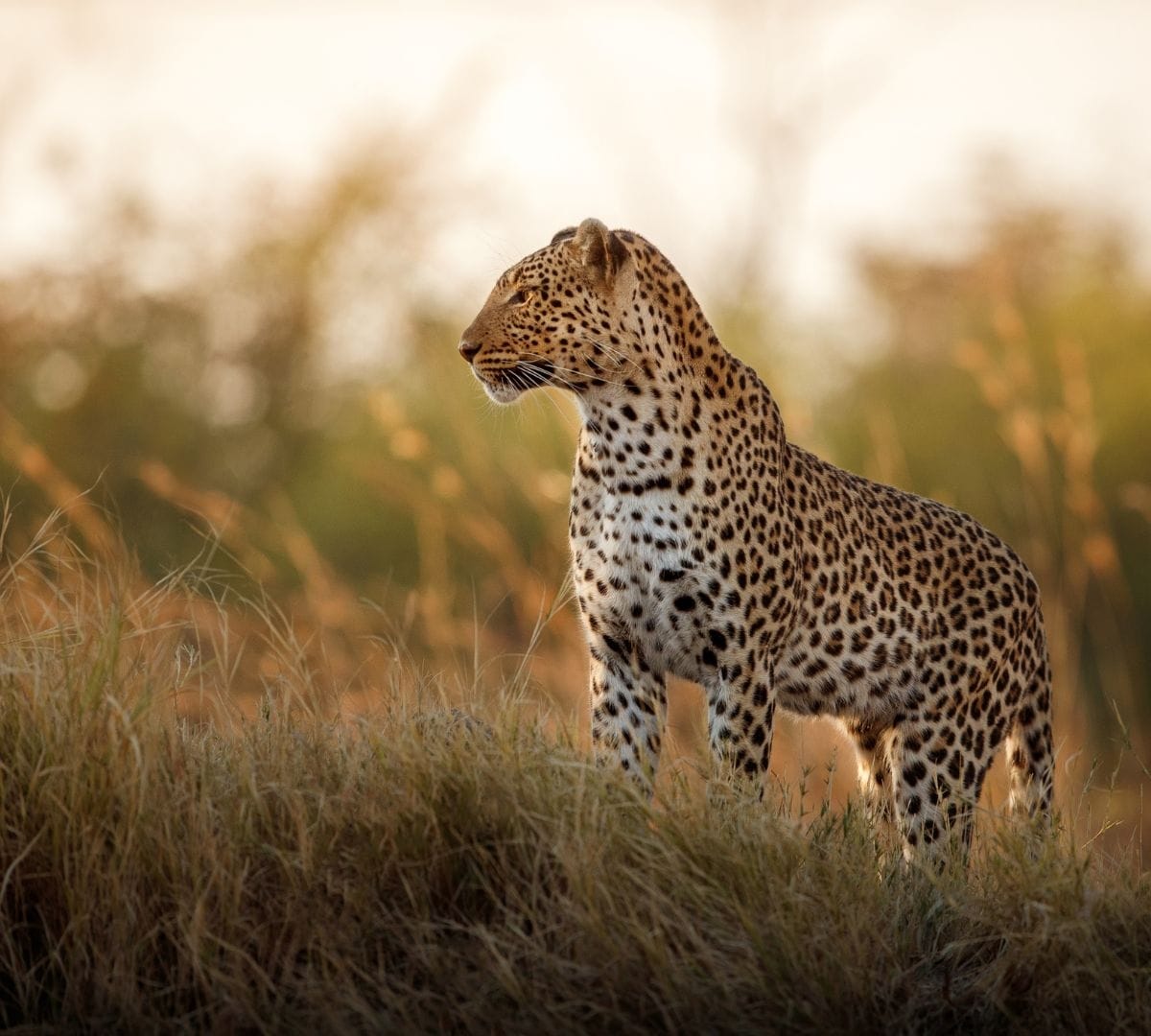
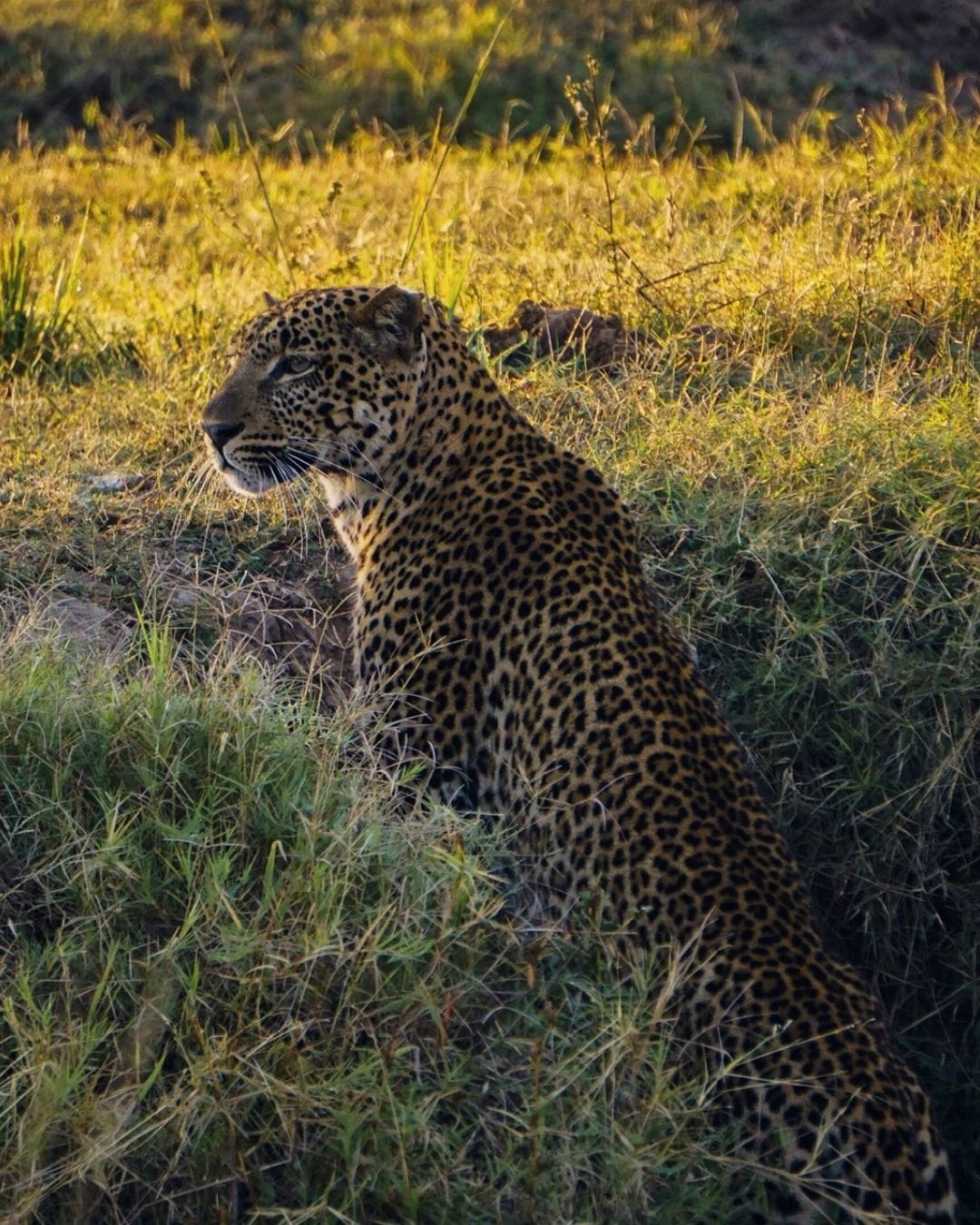
Zambia is shaped by water. The Zambezi runs along the southern border and over the lip of Victoria Falls. The Luangwa, a tributary of the Zambezi, runs through the eastern valley and supports one of the highest leopard densities on the continent. The Kafue runs west and floods the Busanga plain, drawing herds of red lechwe and the lions that follow them. Most of the country's safari camps sit on one of these rivers.

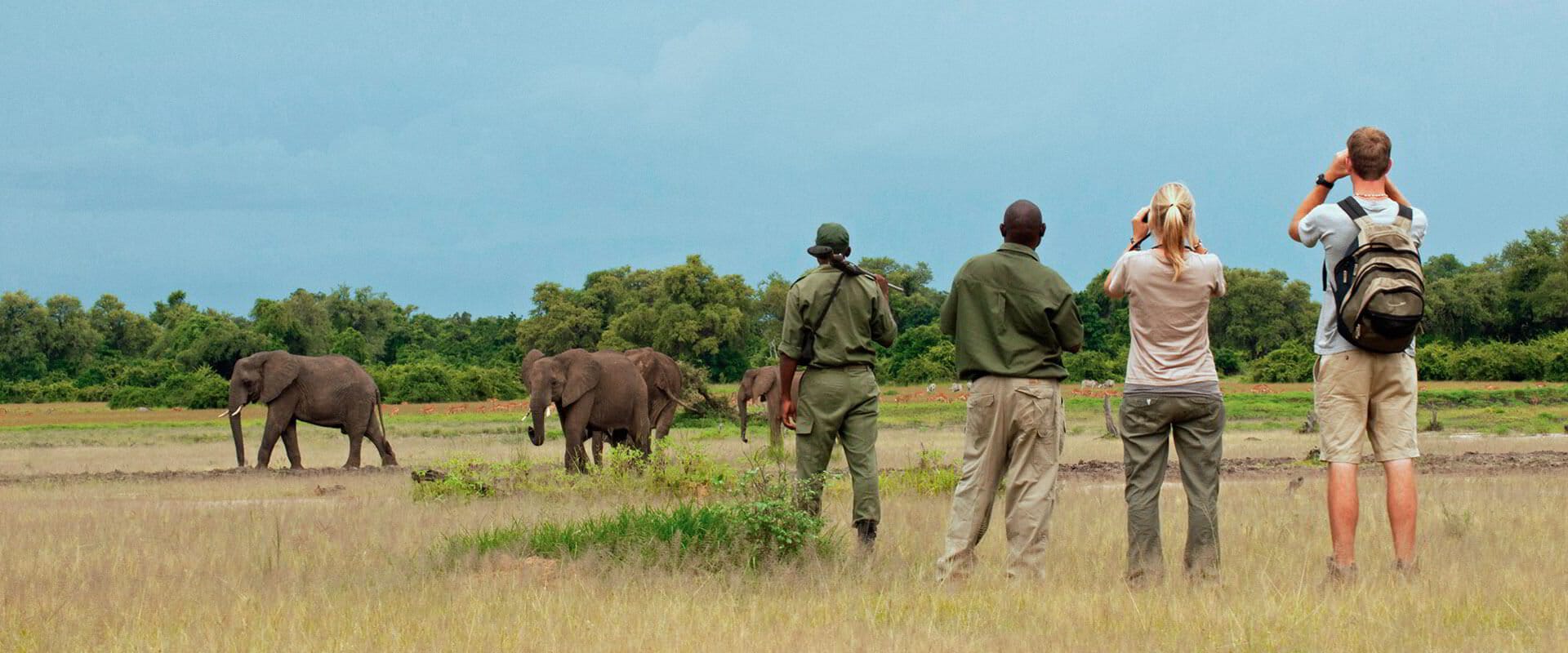
The walking safari was invented here. Norman Carr started leading guests on foot in the South Luangwa in the 1950s, and the practice spread through the country and out to the rest of Africa. Zambian guides still go through the longest formal training of any safari guides on the continent. Walking three or four mornings out of seven is part of how a Zambia trip is paced, and it changes the way you see the bush.

The country has stayed quieter than most of its neighbours. Camps are small (eight to twelve guests at full capacity, sometimes six), the parks are vast, and you will rarely share a sighting with another vehicle. For travellers who have done the classical East and Southern African trips and want something slower, more intimate and more skilled, Zambia is the right next country.

Where Zambia sits

A geography worth knowing

The four regions of Zambia we plan around, and how they sit in relation to each other.

What this country does best

What Zambia does best

01

South Luangwa for leopards and walking

The country's flagship park. Some of the highest leopard densities in Africa, exceptional walking guides, and night drives that produce regular leopard, hyena, civet and porcupine sightings. The Luangwa River is the spine of it. Three nights minimum, four if you can.

02

Canoeing the Lower Zambezi

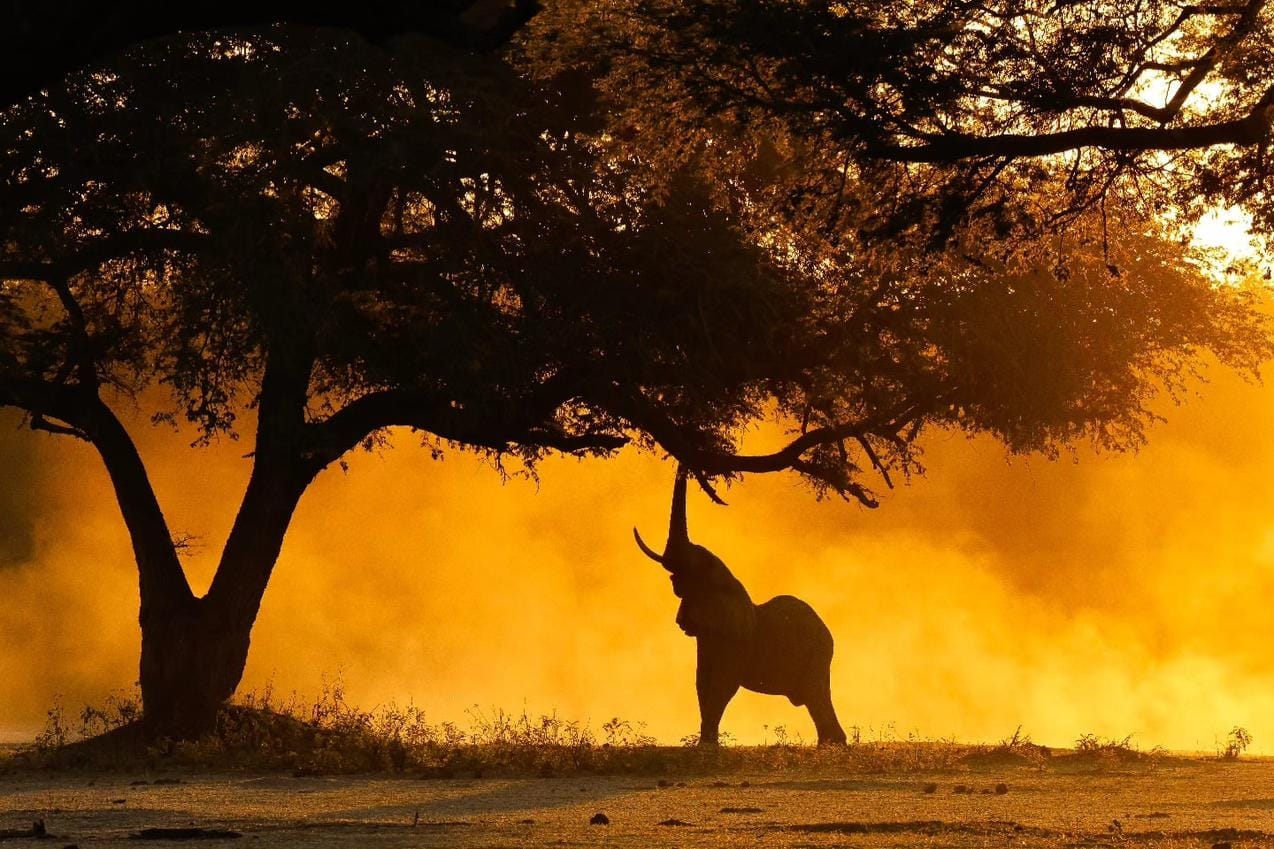
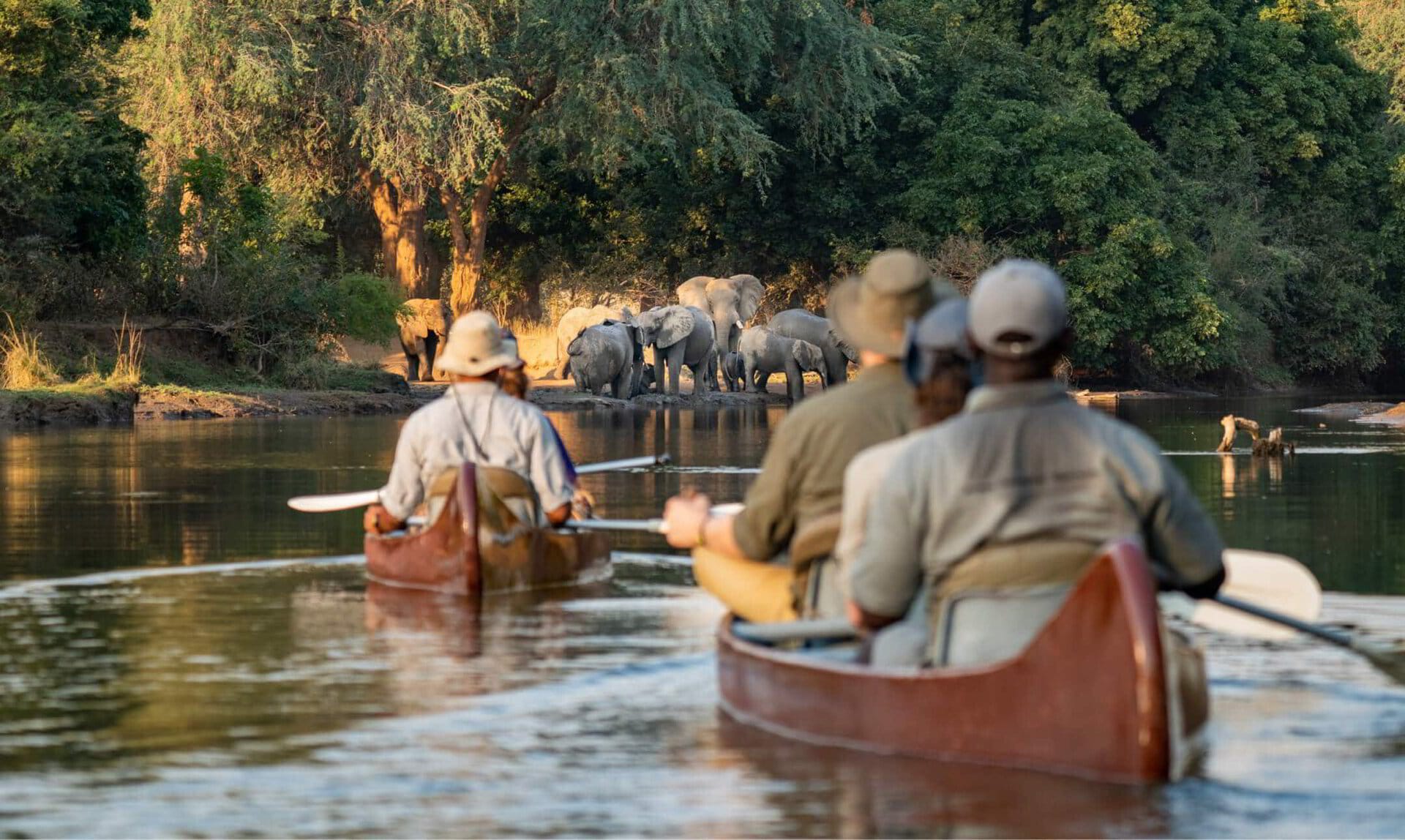
Mornings paddling between elephants on the riverbank, fish eagles overhead, hippo pods to navigate around. The afternoons on game drives or boats. Few activities on the continent feel as quietly dramatic. The Lower Zambezi is also Zambia's strongest big-cat park after the Luangwa.

03

The Busanga floodplain, Kafue

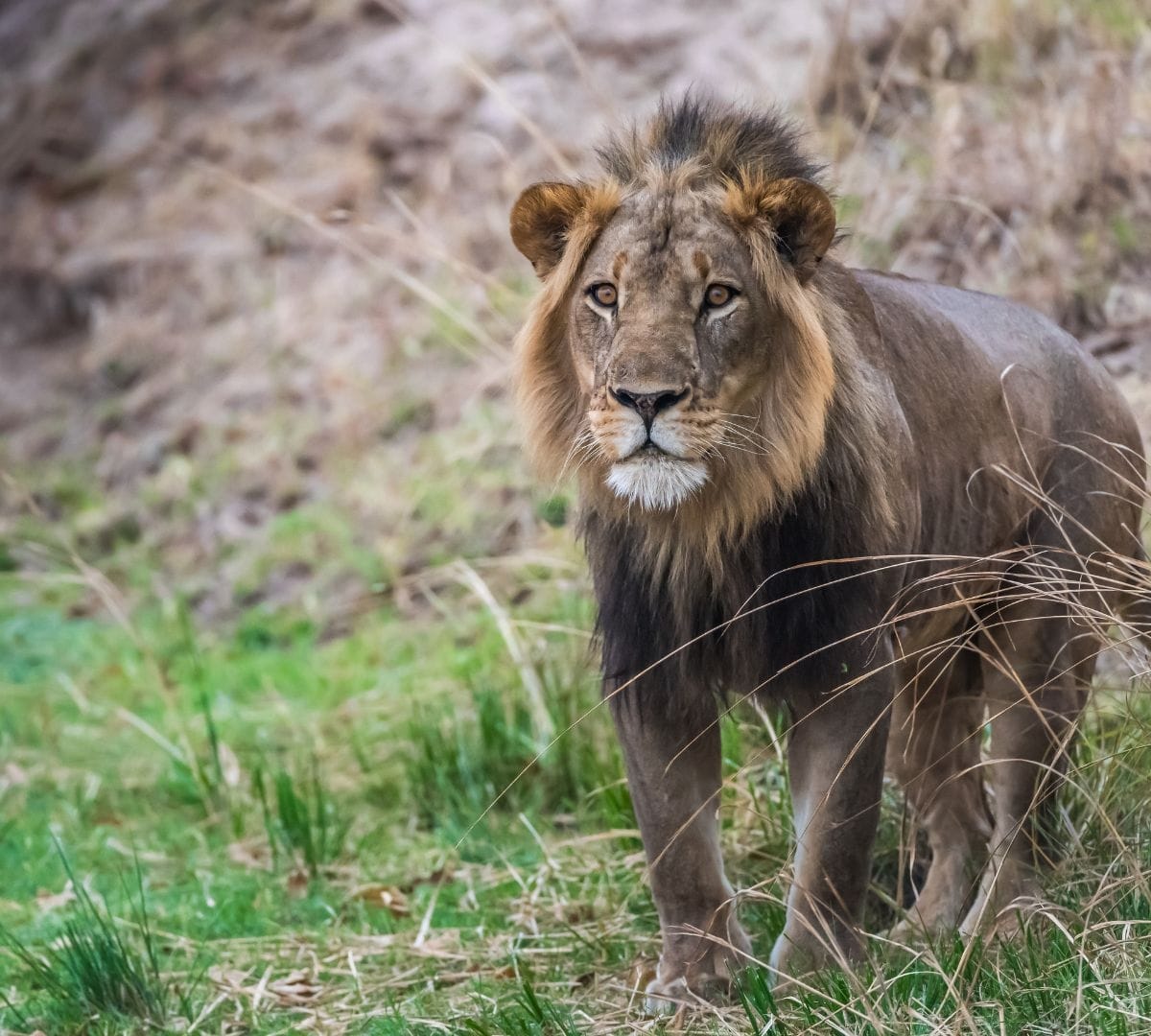
A vast seasonal grassland in the north of Kafue National Park. Herds of red lechwe, the largest lion prides in the country, cheetah on the open plains. Reachable for only four months of the year (July to October). The country's most cinematic single landscape.

04

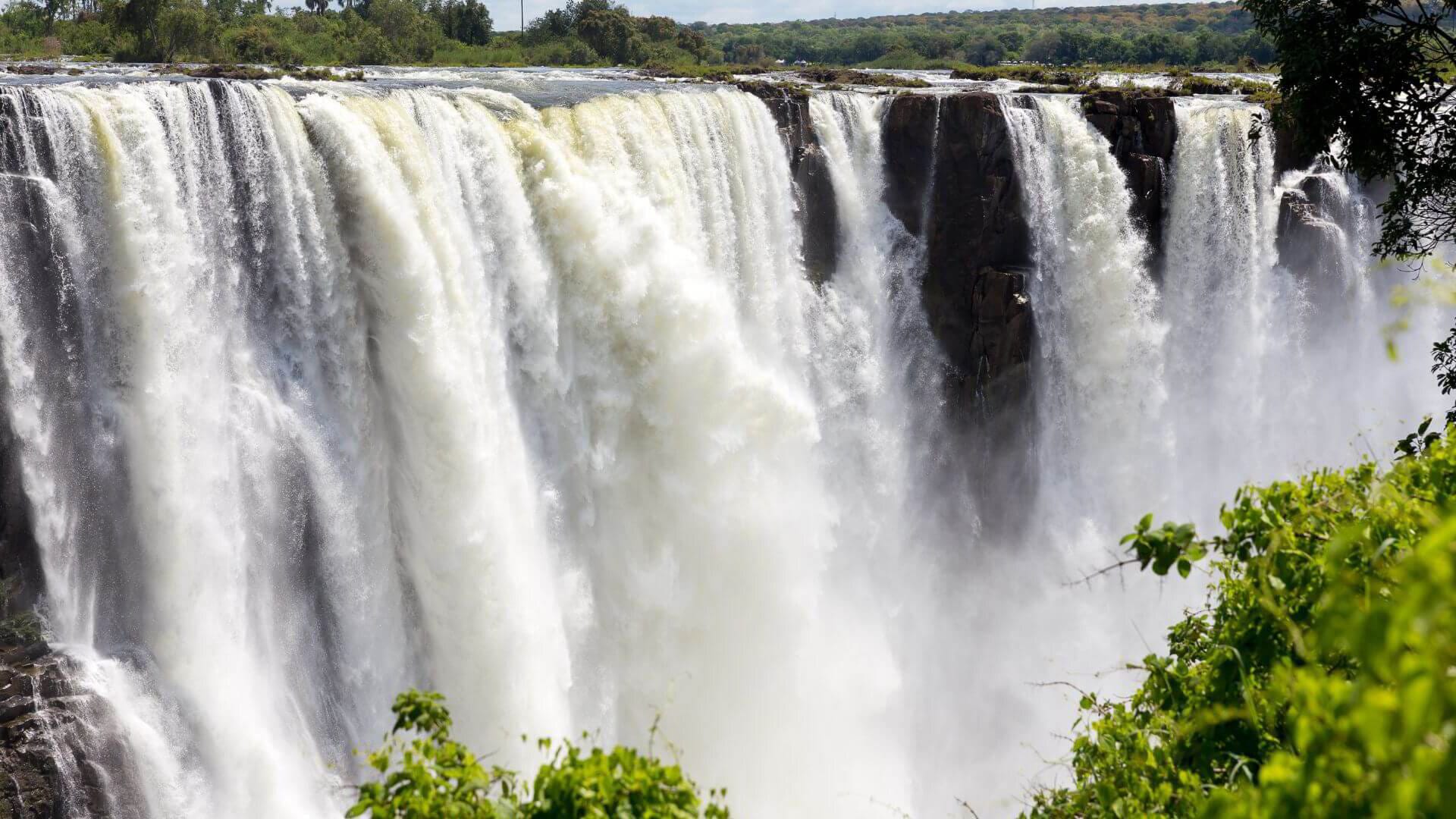
Victoria Falls from the Zambian side

The Zambian side gives you Knife-Edge Bridge, Devil's Pool (in low water from August to December), and a quieter, less commercial experience than the Zimbabwean side. Most clients spend two or three nights on a riverside property upstream or downstream of the Falls at the start or end of a Zambia trip.

05

Walking with the country's best guides

South Luangwa's walking guides are some of the best-trained on the continent. Three-hour morning walks at a pace that lets you read the bush properly. We pair walking and driving across most Zambia itineraries.

06

Bush camps that are properly small

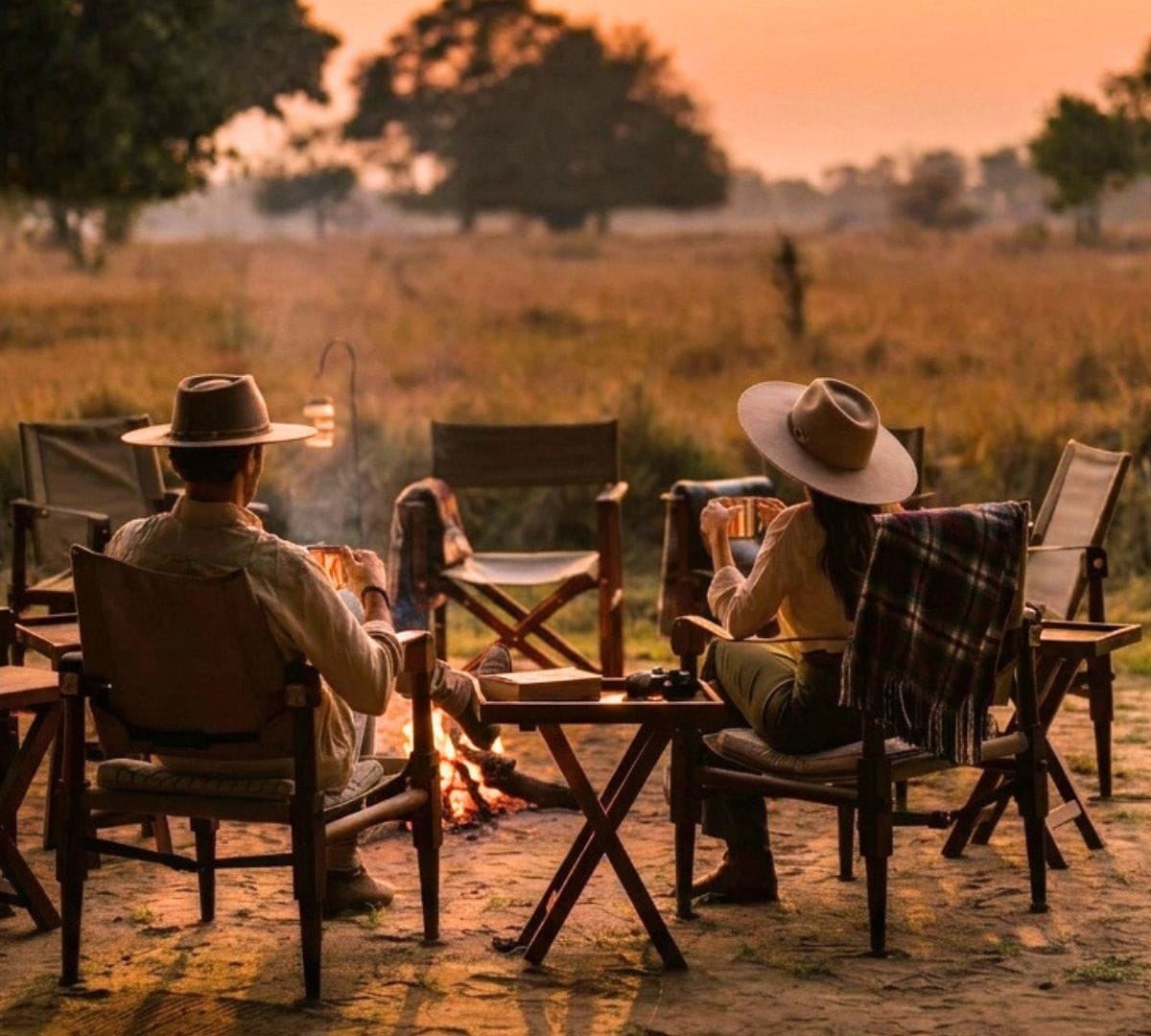
A handful of seasonal walking camps in the South Luangwa, set on remote oxbow lagoons or seasonal river bends. Eight guests at full capacity, often less. Cold beers around the fire, dinner at one long table, the bush ten metres from your tent. The way safari is meant to be.

Victoria Falls viewed from the Zambian side with mist rising from the gorge

When to be here

We don't ask when you want to go. We ask what you want from it

Zambia is a strongly seasonal country. Three or four windows work, and the rest of the year most camps are closed. Four ways to think about it:

For the walking

Luangwa at peak

July to October

Dry season established. Bush thinning, game concentrating on the river, walking and night drives at their best. Cool mornings, hot middays, dry nights. Peak rates and our most-recommended window for first-time Zambia travellers.

For Busanga

Kafue's floodplain in season

August to October

The Busanga camps in northern Kafue are reachable only by light aircraft and only when the floodwaters have receded. Lechwe herds, lion prides, the country's most cinematic landscape. Three to four nights, paired with the Luangwa or Lower Zambezi.

For the canoes

Lower Zambezi at flow

April to November

The Lower Zambezi is workable from April when the rains end through November before the next rains begin. June to October is the strongest window, with cool mornings and concentrated game on the riverbanks. Canoe activities run year-round in this period.

For the green country

Emerald season specialists

December to March

The rains turn the country a deep green and most safari camps close because the roads become impassable. A handful of specialist emerald-season camps stay open in the South Luangwa for the lush landscapes, the calving wildlife, and the lowest rates of the year. A specialist's window with strong rewards for the right traveller.

Zambia month by month

JanuaryJan
FebruaryFeb
MarchMar
AprilApr
MayMay
JuneJun
JulyJul
AugustAug
SeptemberSep
OctoberOct
NovemberNov
DecemberDec

Hover or tap a month for details.

Peak dryShoulderDryMid

Where, specifically

Where, specifically

Luangwa River bend in the South Luangwa Valley with riverine bush and game in the dry season

South Luangwa

The flagship park and the headquarters of the walking safari. Some of the highest leopard densities in Africa, exceptional night drives, and a network of small bush camps that move walking guests between them. We almost always start a Zambia trip here. Three to four nights at minimum.

The Zambezi River at golden hour with safari camps along the banks

Lower Zambezi

Canoeing, fishing, boating, game drives. The Lower Zambezi National Park sits opposite Mana Pools in Zimbabwe and shares the same wildlife. Strong elephant numbers, leopard along the riverine forest, and one of the most peaceful safari experiences anywhere on the continent. Three nights pairs well with three nights in the Luangwa.

Kafue National Park landscape with riverine bush and open floodplain

Kafue & the Busanga plains

Zambia's largest national park and one of the largest in Africa. The Busanga floodplain in the north opens up between July and October, drawing red lechwe, large lion prides and cheetah. The southern Kafue offers river-based camps on the Kafue and Lufupa rivers. A specialist destination, often added on a return trip.

Victoria Falls from the Zambian side with mist rising from the gorge

Victoria Falls (Livingstone)

The Zambian side of Victoria Falls. Knife-Edge Bridge for the close-up view, Devil's Pool from August to December, and a small set of riverside lodges upstream and downstream of the Falls for the lodging. Quieter than the Zimbabwean side and a strong start or end to a Zambia trip. Two nights is enough.

Wide editorial photograph of the Zambezi River at golden hour
South Luangwa game drive in the dry season, the route for our nine-night Zambia itinerary

A signature Zambia journey

Nine nights through the Luangwa, the Zambezi and the Falls

Walking the South Luangwa, canoeing the Lower Zambezi, and ending at Victoria Falls. Three rivers, one country, the bush at the right pace.

  • Nights9
  • RouteSouth Luangwa → Lower Zambezi → Victoria Falls
View the full itinerary →

A starting point, not a fixed package. We rebuild every itinerary around the traveller.

What it costs

What a Zambia safari costs

The pricing is per person per night sharing. All-inclusive of accommodation, meals, drinks, twice-daily activities (game drives, walking, boating, canoeing), park fees and lodge transfers. Light-aircraft transfers between regions add $300 to $600 per person, per leg.

4-star plus

From $700 to $1,200

per person, per night, sharing

Smaller bush camps and the better lodges of the Luangwa valley. Strong walking guides, simpler finishes, intimate scale.

5-star

From $1,200 to $2,400

per person, per night, sharing

The mid-tier of South Luangwa, Lower Zambezi and Kafue. Polished tented camps, private vehicles on request, walking and canoeing included.

5-star premium

From $2,400 to $4,200

per person, per night, sharing

The flagships. The small group of properties on the most coveted concessions in the South Luangwa and the Lower Zambezi. Highest game densities, smallest footprints, the most experienced walking guides on the continent.

Zambia safari pricing per person, per night, sharing (USD, all-inclusive)
TierPrice (USD per person per night sharing)What this gets you
4-star plusFrom $700 to $1,200Smaller bush camps and the better lodges of the Luangwa valley. Strong walking guides, simpler finishes, intimate scale.
5-starFrom $1,200 to $2,400The mid-tier of South Luangwa, Lower Zambezi and Kafue. Polished tented camps, private vehicles on request, walking and canoeing included.
5-star premiumFrom $2,400 to $4,200The flagships. The small group of properties on the most coveted concessions in the South Luangwa and the Lower Zambezi. Highest game densities, smallest footprints, the most experienced walking guides on the continent.

Zambia peak season runs late June to October, when the dry season concentrates wildlife on the rivers and walking is at its best. Green season (December to March) brings the lowest rates but most camps close briefly because the access roads become impassable. April and November are the shoulder months we tend to recommend most often.

Most journeys are not one country

What Zambia pairs with

Zambia pairs naturally with Botswana for travellers who want both halves of the great central African ecosystem (the Delta and the Luangwa), with Zimbabwe for the full Zambezi (Mana Pools and the Lower Zambezi sit opposite each other), and with Malawi for a freshwater finish on the lake. Most of the journeys we plan combine Zambia with one of these three.

For longer trips, we pair Zambia with South Africa's Sabi Sand for the leopard contrast, or with Tanzania's southern circuit (Nyerere, Ruaha) for clients who want walking safaris in two different ecosystems. Twelve to sixteen nights covers most pairings comfortably.

Questions we hear most

A few things worth knowing

When is the best time to visit Zambia?

Late June to October is the dry season and the strongest window for walking, canoeing and game viewing. July to October opens up the Busanga floodplain in Kafue. April and November are the shoulder months we tend to recommend most often. December to March is the emerald season, with the country at its greenest, lowest rates, and most camps closed.

What makes Zambia different from Botswana or Tanzania?

Three things. First, the walking safari is part of every itinerary, not a side activity. Second, camps are smaller (eight to twelve guests, often less). Third, the country is quieter. Fewer vehicles, fewer crowds, lower commercial pressure. The wildlife densities are strong but not always as extravagant as Botswana or the Serengeti. The trade-off is depth of experience.

How many days do you need for a Zambia safari?

Seven nights is the practical minimum, combining South Luangwa with either Lower Zambezi or Victoria Falls. A typical trip runs nine to twelve nights and combines South Luangwa, Lower Zambezi or Kafue, and the Falls. Adding Botswana, Malawi or Mozambique on the same trip is straightforward and we plan this regularly.

Do you need malaria tablets for Zambia?

Yes. All of Zambia is a malaria area, including South Luangwa, the Lower Zambezi and Kafue. Standard prophylactics are recommended, along with long sleeves at dusk and the screened tents most camps now provide. Your travel doctor will advise on the right tablets for you.

Is Zambia good for first-time safari travellers?

It can be, with the right planning. First-timers who want walking and a quieter, more intimate safari often do well in Zambia. First-timers who want sheer wildlife abundance and the Big Five every day are usually better off starting in Botswana, Kenya or South Africa. We tend to recommend Zambia as a second or third African trip, when clients know what they like.

From the journal

Field notes from Zambia

Stories, guides and voices from the Zambia bush, written by the people who plan these trips.

Plan it properly

Tell us what you are imagining

Three ways to begin. Pick whichever feels easiest.

By note

Start with a note

Tell us roughly what you are thinking. We come back within a working day, often sooner.

Send a note

By email

Send us an email

Write to Sian directly, with Vikki copied. Same working-day response, no forms in between.

Email us

By WhatsApp

Send a WhatsApp

Quickest if you have a short question. We answer between game drives and meetings, usually within the hour.

Open WhatsApp

Write to us

One of us will write back.

Replies come from Vikki or Sian. No obligation, just a conversation.

Prefer to write to us directly? sian@marulahill.com · WhatsApp +27 82 459 0648